
 Jade Reed
15 Bands Hated on ’70s Radio That Deserve a Comeback in 2026
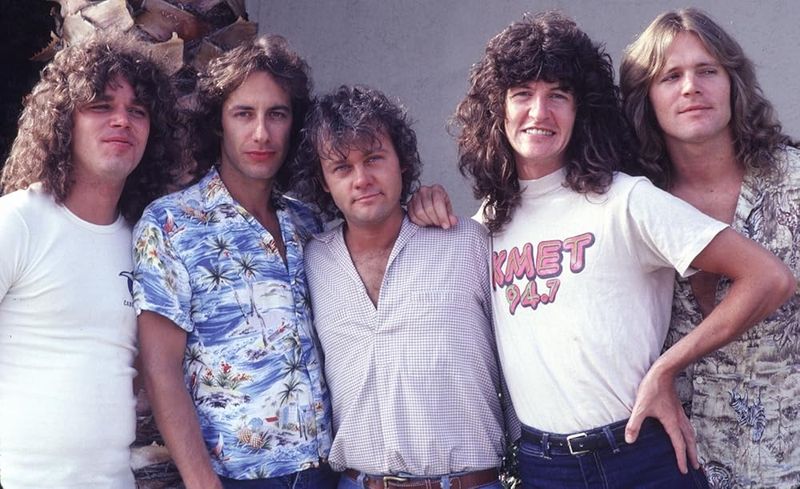
Rock and roll in the 1970s was a wild ride full of musical experimentation, but not every band got love from radio programmers. Some groups faced harsh criticism, got banned from playlists, or were dismissed as too theatrical, too cheesy, or just plain too much.
Fast forward to 2026, and many of these misunderstood acts are ripe for rediscovery by a new generation hungry for authentic talent and bold creativity.
1. Kiss
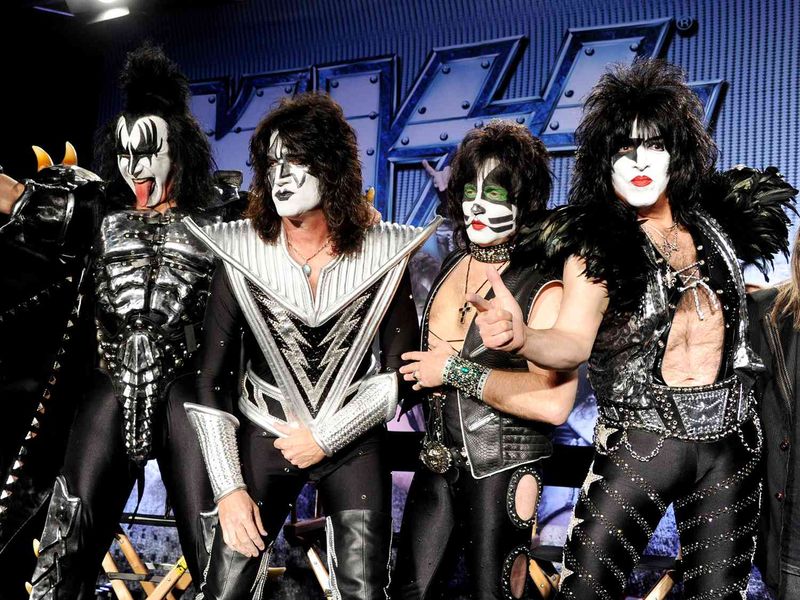
Face paint, fire-breathing, and blood-spitting made Kiss one of the most controversial acts of the 1970s.
Radio stations often dismissed them as a gimmick rather than serious musicians.
Critics called their music simplistic and accused them of prioritizing spectacle over substance.
Yet beneath the makeup and pyrotechnics lived genuine rock anthems that connected with millions of fans.
Songs like “Rock and Roll All Nite” became timeless party anthems.
Their dedication to creating an unforgettable live experience set a standard that countless arena rock bands still follow today.
A 2026 comeback would remind audiences that showmanship and musicianship can coexist beautifully.
Modern production technology could elevate their classic sound to new heights.
2. Boston
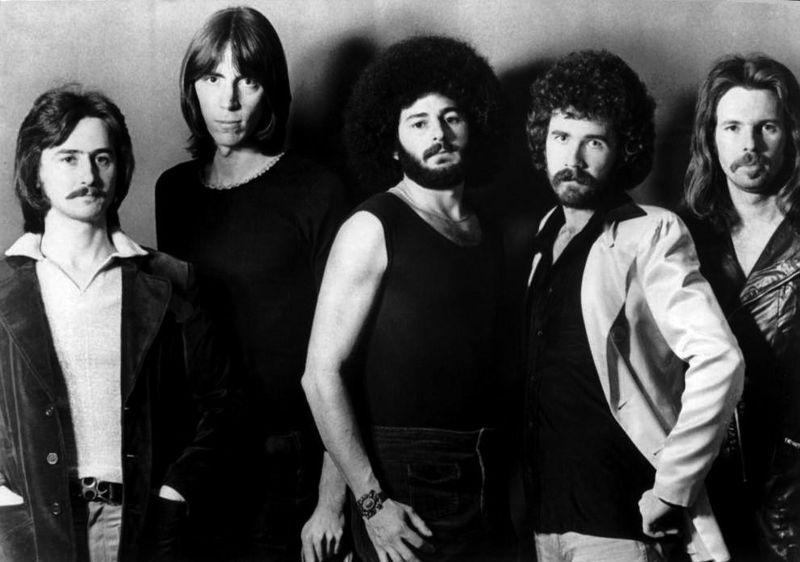
Engineered to perfection in a basement studio, Boston’s debut album shocked the music world with its pristine production quality.
Many rock purists hated how polished and calculated their sound seemed.
Radio programmers sometimes avoided their tracks, claiming the music lacked the raw edge that defined authentic rock.
Tom Scholz spent years crafting guitar tones that became instantly recognizable across the globe.
Hits like “More Than a Feeling” showcased technical brilliance married to emotional songwriting.
Their meticulous approach to recording influenced generations of rock producers.
In an era of digital perfection, Boston’s analog craftsmanship deserves fresh appreciation.
Their commitment to sonic excellence remains unmatched even decades later.
3. Kansas
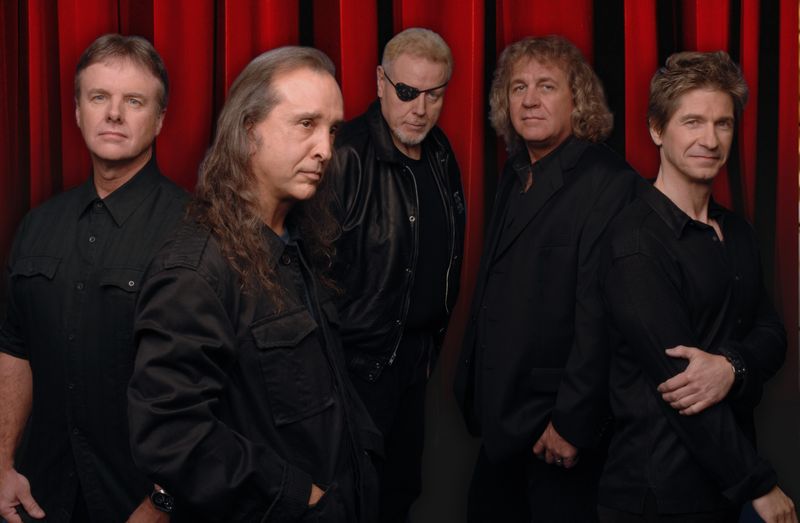
Progressive rock met heartland sensibility when Kansas emerged from the Midwest with complex arrangements and philosophical lyrics.
Many radio stations found their songs too long and too intellectual for mainstream audiences.
DJs complained that tracks like “Song for America” demanded too much attention from casual listeners.
Violins and synthesizers blended with rock guitars to create a unique symphonic sound. “Carry On Wayward Son” proved they could write radio-friendly hits without sacrificing musical ambition.
Their ability to balance accessibility with artistic integrity set them apart from peers.
Today’s music fans crave substance and instrumental virtuosity that Kansas delivered in abundance.
A comeback would showcase how progressive rock can still feel relevant and exciting.
4. The Osmonds
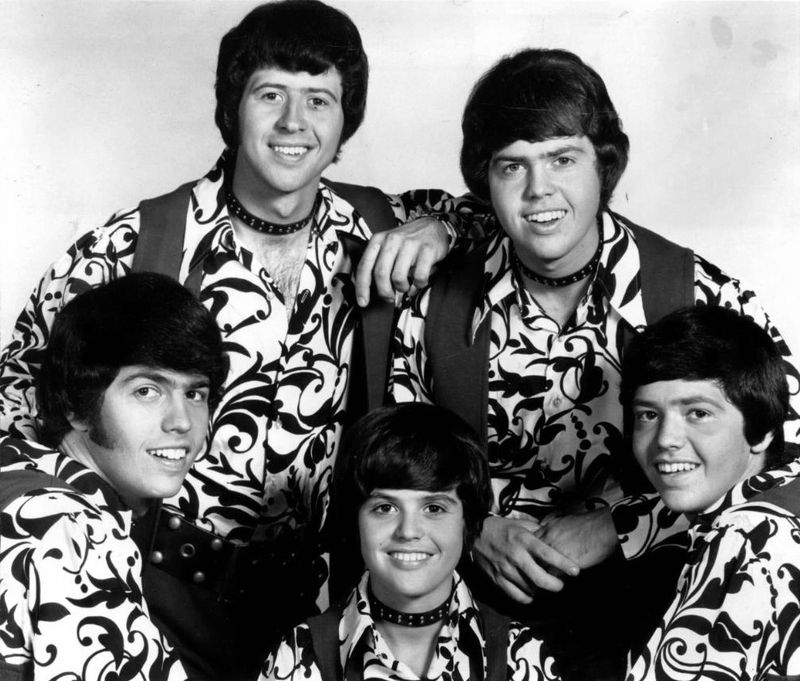
Squeaky-clean family image and teen idol status made The Osmonds an easy target for rock-focused radio stations.
Critics dismissed them as manufactured pop confection with no artistic credibility.
Their wholesome Mormon background and variety show fame worked against them in an era celebrating rebellion.
What many overlooked was their genuine musical talent and surprisingly hard-rocking moments.
Songs like “Crazy Horses” featured distorted guitars and progressive elements that rivaled contemporary rock acts.
The brothers played their own instruments and wrote much of their material.
A 2026 reassessment might reveal The Osmonds as underrated pioneers who bridged pop and rock successfully.
Their work ethic and musicianship deserve recognition beyond the bubblegum label.
5. The Eagles
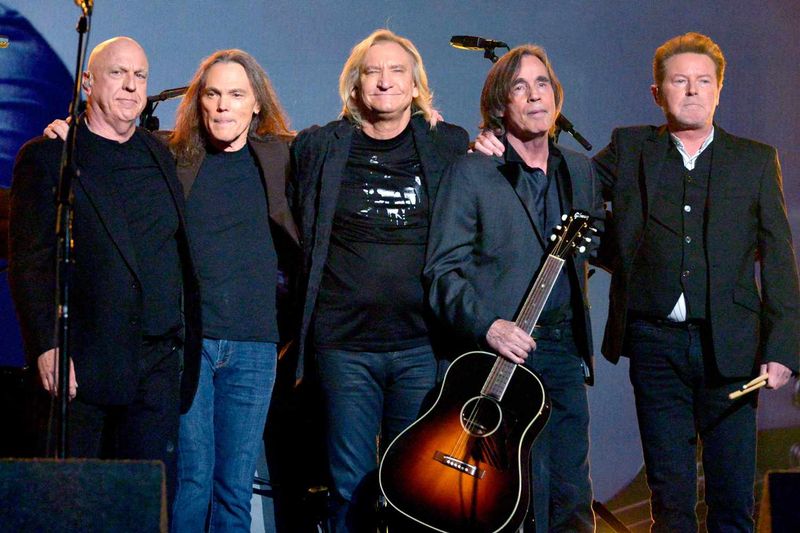
Smooth harmonies and California country-rock polish made The Eagles massively successful but also critically divisive.
Punk rockers despised them as corporate rock personified.
Some radio programmers felt their music represented everything wrong with mid-70s commercialism.
“Hotel California” became both their masterpiece and a lightning rod for criticism about excess and pretension.
Their meticulous studio work created timeless recordings that continue selling millions of copies.
The band’s internal conflicts and perfectionism added authenticity to their outlaw country image.
Modern listeners might appreciate how The Eagles balanced commercial appeal with genuine songwriting craft.
Their influence on country, rock, and pop remains undeniable regardless of past controversies.
6. REO Speedwagon
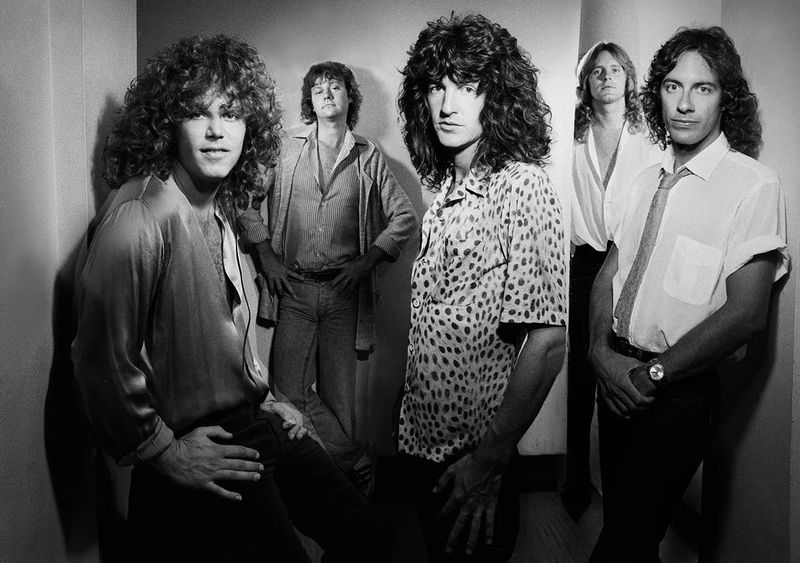
Arena rock power ballads defined REO Speedwagon’s commercial peak, earning them ridicule from hipper music critics.
Their earnest, emotional approach to rock seemed corny to many radio tastemakers.
Songs about love and heartbreak felt too sentimental for an industry embracing edgier sounds.
“Keep On Loving You” became a massive hit despite industry skepticism about its softer sound.
The band’s ability to fill stadiums proved they understood what audiences actually wanted.
Their workmanlike dedication to touring built a loyal fanbase that mainstream media often ignored.
In 2026, sincerity and emotional honesty might feel refreshing compared to ironic detachment.
REO Speedwagon’s straightforward rock anthems could resonate with listeners tired of cynicism.
7. Bay City Rollers
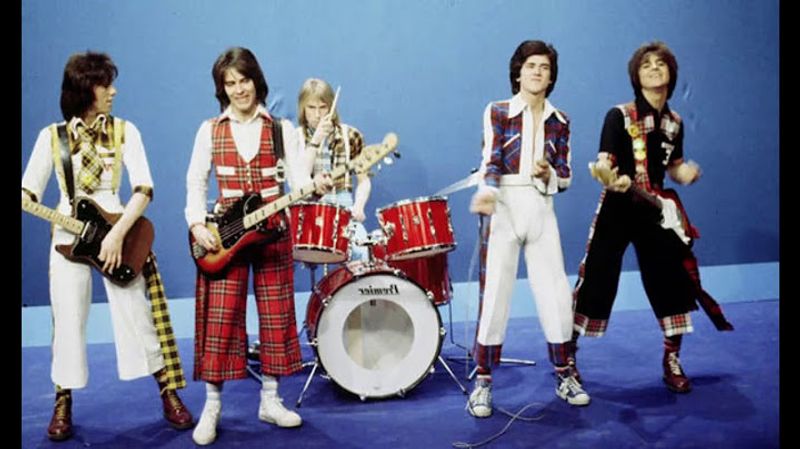
Tartan-clad teen sensations from Scotland, the Bay City Rollers sparked hysteria that rivaled Beatlemania.
Rock radio dismissed them as disposable teenybopper fodder unworthy of serious airplay.
Their manufactured image and young fanbase made them targets for critical mockery.
Behind the scarves and matching outfits lay genuinely catchy pop-rock songwriting. “Saturday Night” remains one of the most infectious choruses in 70s music.
The band members faced exploitation by management while delivering energetic performances that thrilled millions.
A comeback could reframe Bay City Rollers as victims of ageism and musical snobbery.
Their contribution to pop-rock deserves recognition beyond the novelty act label they received.
8. Bee Gees
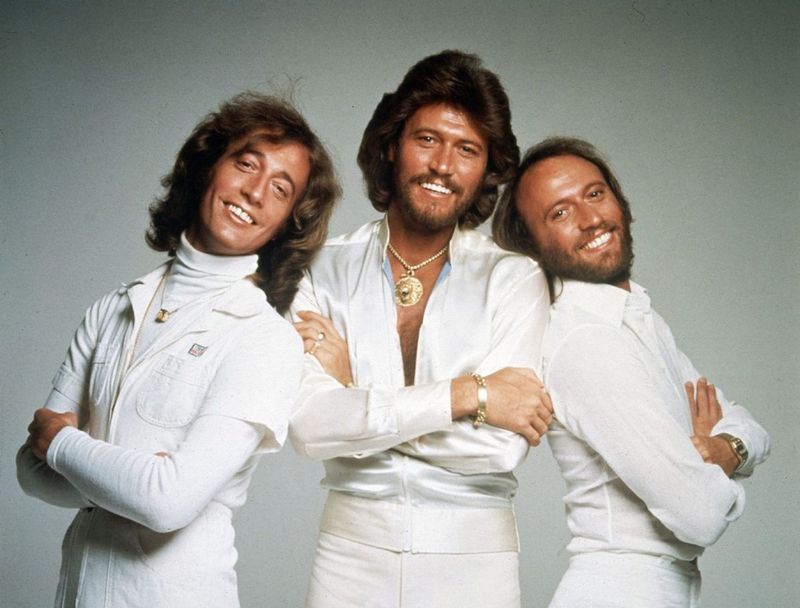
Falsetto vocals and disco dominance made the Bee Gees lightning rods during the infamous Disco Demolition Night.
Rock stations actively avoided their music as disco backlash intensified.
The brothers faced homophobic criticism and accusations of abandoning their rock roots for commercial trends.
“Saturday Night Fever” became the best-selling soundtrack ever, proving their songwriting genius.
Before disco, they crafted beautiful pop ballads that showcased incredible vocal harmonies.
Their production work for other artists demonstrated versatility beyond the dance floor.
Today’s music landscape embraces genre-blending in ways the 70s never allowed.
A Bee Gees reassessment would celebrate their courage to evolve and their undeniable impact on popular music.
9. Rush
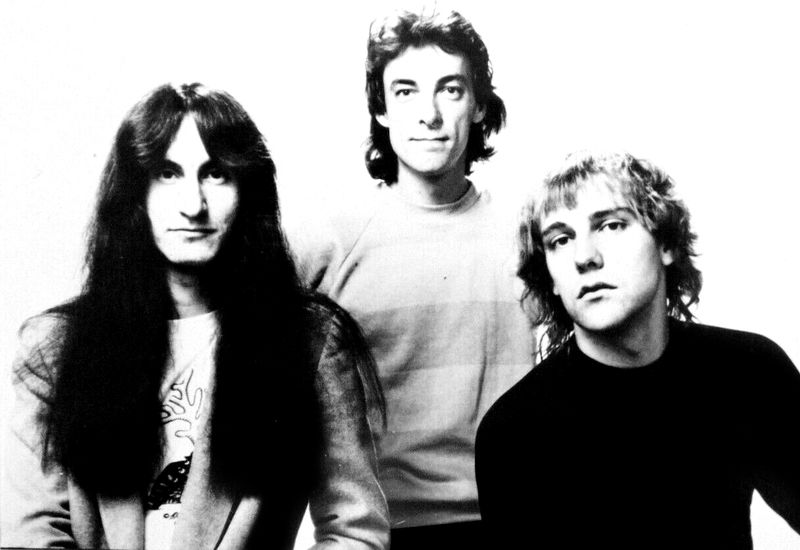
Canadian power trio Rush faced constant resistance from American radio programmers who found their music too complex and inaccessible.
Geddy Lee’s high-pitched vocals polarized listeners immediately.
Their lengthy instrumental passages and science fiction themes seemed pretentious to critics seeking straightforward rock.
Neil Peart’s drumming revolutionized rock percussion with technical proficiency rarely heard before.
Albums like “2112” told ambitious conceptual stories that demanded active listening.
Their refusal to simplify their sound for radio play earned respect from musicians even as DJs avoided them.
Modern audiences appreciate musical complexity and instrumental mastery more than ever.
Rush’s intellectual approach to rock could inspire a new generation of progressive music fans.
10. Captain & Tennille
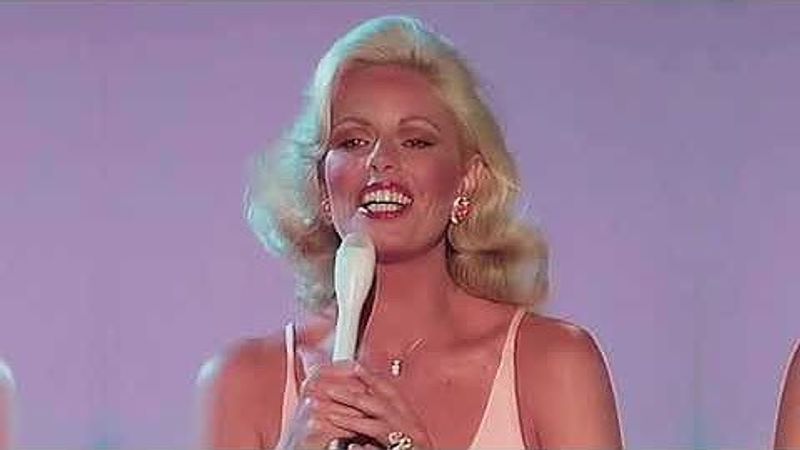
Soft pop duo Captain & Tennille represented everything rock radio stations wanted to avoid in the mid-70s.
Their wholesome image and easy-listening style seemed hopelessly square. “Love Will Keep Us Together” became unavoidable despite rock programmers’ best efforts to ignore it.
Daryl Dragon and Toni Tennille brought genuine musical chops to their accessible pop sound.
Their variety show further damaged credibility with hipper audiences.
Behind the smiles lived skilled musicians who could play multiple instruments and arrange complex harmonies.
A 2026 comeback might reveal Captain & Tennille as underappreciated craftspeople in an era of musical snobbery.
Their joyful approach to music-making offers an antidote to contemporary cynicism and darkness.
11. Queen
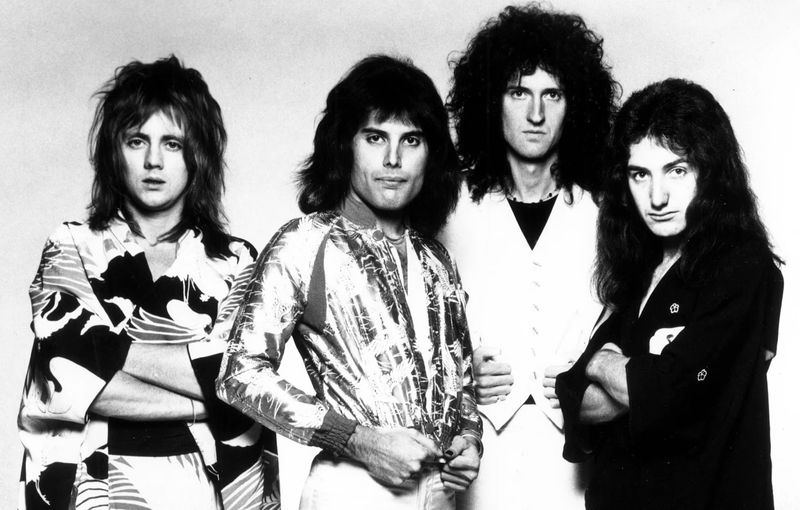
Theatrical bombast and operatic pretensions made Queen controversial with many American radio programmers initially.
Freddie Mercury’s flamboyant stage presence challenged conventional rock masculinity. “Bohemian Rhapsody” seemed too weird and too long for most stations to touch at first.
Brian May’s homemade guitar created signature tones that became instantly recognizable worldwide.
Their willingness to blend rock, opera, and vaudeville defied easy categorization.
What seemed excessive in the 70s now appears visionary and boundary-pushing.
Queen’s influence on modern rock, pop, and theatrical performance is immeasurable.
A proper comeback celebration would honor their courage to be unapologetically different when conformity ruled radio.
12. Styx
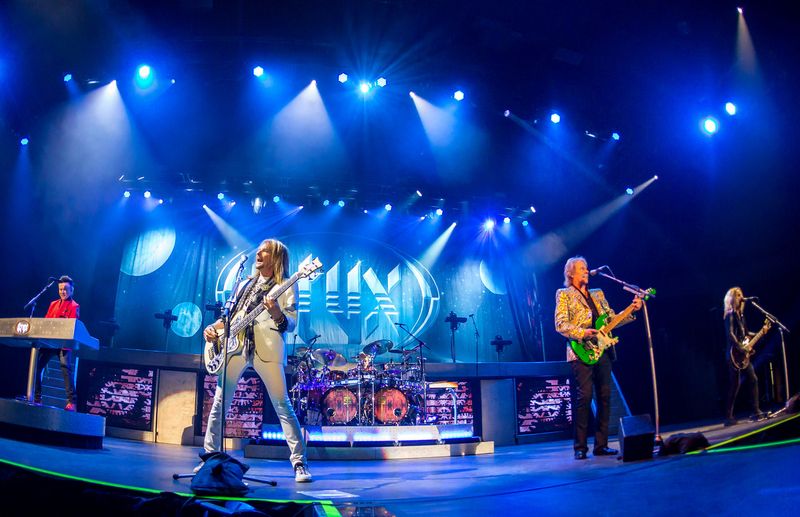
Concept albums and synthesizer-heavy arrangements made Styx a punching bag for rock purists throughout the late 70s.
Critics accused them of pompous self-importance and commercial calculation.
Radio programmers struggled with their mix of hard rock, progressive elements, and pop sensibility.
“Come Sail Away” showcased their ability to build epic songs from gentle beginnings to powerful crescendos.
Dennis DeYoung’s theatrical vocals divided audiences but created memorable moments.
Their albums sold millions while critics dismissed them as shallow and derivative.
In 2026, Styx’s ambition and musical diversity might seem admirable rather than pretentious.
Their catalog contains hidden gems that deserve rediscovery by listeners who never gave them a fair chance.
13. Grand Funk Railroad

Loud, raw, and unapologetically commercial, Grand Funk Railroad sold out stadiums while critics savaged them mercilessly.
Rock journalists considered them the worst example of mindless heavy rock.
Radio stations played their hits reluctantly, acknowledging popularity while questioning their artistic merit.
“We’re an American Band” became an anthem despite critical disdain for its straightforward celebration of rock stardom.
Their power trio format delivered maximum volume and energy with minimum pretension.
Manager Terry Knight’s aggressive marketing tactics made them easy targets for accusations of hype over substance.
A comeback would vindicate Grand Funk as honest working-class rockers who understood their audience perfectly.
Their direct approach to heavy rock influenced countless bands who received more critical respect.
14. Journey
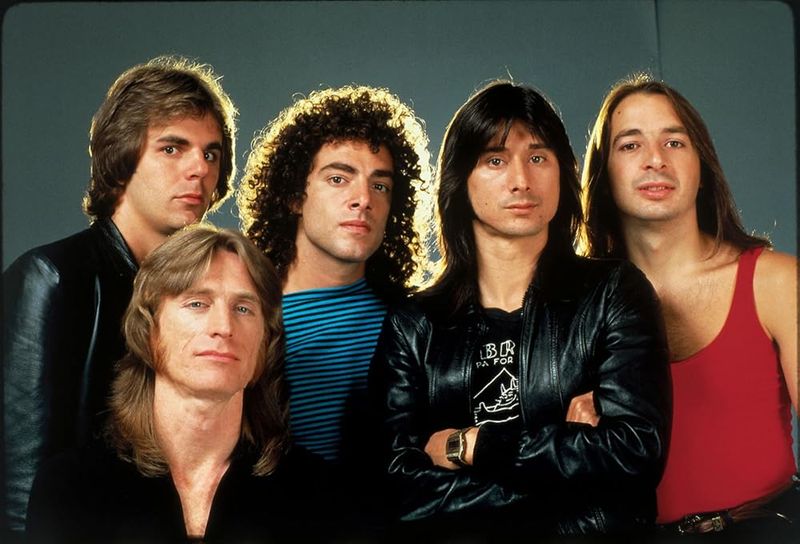
Progressive jazz-rock origins gave way to power ballad dominance, earning Journey scorn from their original fanbase and critics alike.
Steve Perry’s soaring vocals seemed too polished and emotional for cynical music journalists.
Album-oriented rock stations played them constantly while questioning their credibility.
“Don’t Stop Believin'” became a cultural phenomenon decades after its release, vindicating their accessible approach.
Neal Schon’s guitar work combined technical skill with memorable melodic hooks.
Their transformation from instrumental virtuosos to arena rock hitmakers represented commercial evolution many saw as selling out.
In 2026, Journey’s catalog could be reassessed as masterful pop-rock craftsmanship rather than guilty pleasure.
Their emotional sincerity and musical excellence transcend the criticism they endured.
15. Foreigner
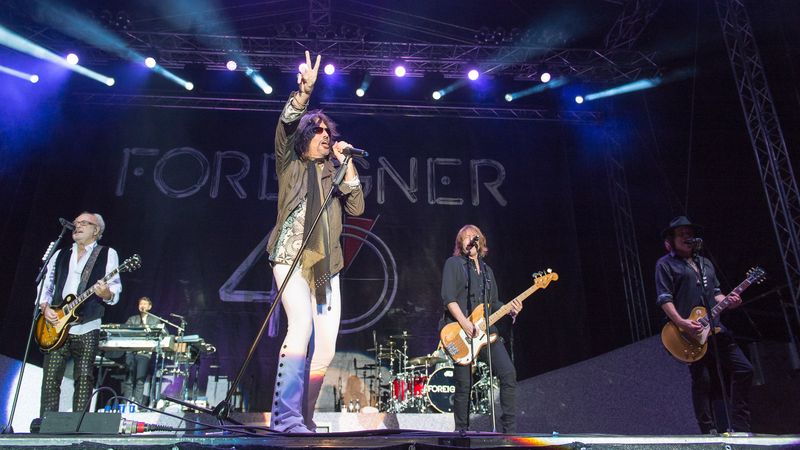
International supergroup Foreigner combined British and American musicians to create arena rock perfection that many critics dismissed as formulaic.
Their calculated approach to hit-making seemed cynical to purists.
Radio programmers played their songs endlessly while rock journalists questioned their authenticity.
Mick Jones crafted guitar riffs that became embedded in popular culture for generations.
Lou Gramm’s powerful vocals delivered emotional performances that connected with millions.
Their ability to write both hard rockers and tender ballads demonstrated versatility critics refused to acknowledge.
A 2026 comeback would celebrate Foreigner as master songwriters who understood radio dynamics perfectly.
Their influence on melodic rock remains strong even if critical respect lagged behind commercial success.
Comments
Loading…