
 Isabel Parker
11 Signs Someone May Not Understand Basic Manners

Good manners are the social glue that helps us get along with others and show respect in everyday interactions.
When someone lacks basic etiquette, it can make situations awkward, uncomfortable, or even hurtful for those around them.
Recognizing these signs can help you navigate tricky social situations and maybe even reflect on your own habits.
1. Interrupting Others Mid-Sentence

Cutting someone off while they are speaking shows a lack of respect for their thoughts and feelings.
People who constantly interrupt believe their words are more important than what others have to say.
This habit creates frustration and makes conversations feel one-sided.
Good listeners wait for natural pauses before jumping in with their own ideas.
When you interrupt, you miss out on understanding the full message someone is trying to share.
Practicing patience during conversations helps build stronger, more respectful relationships.
Next time you feel the urge to interrupt, take a breath and let the other person finish their point completely.
2. Never Saying Please or Thank You
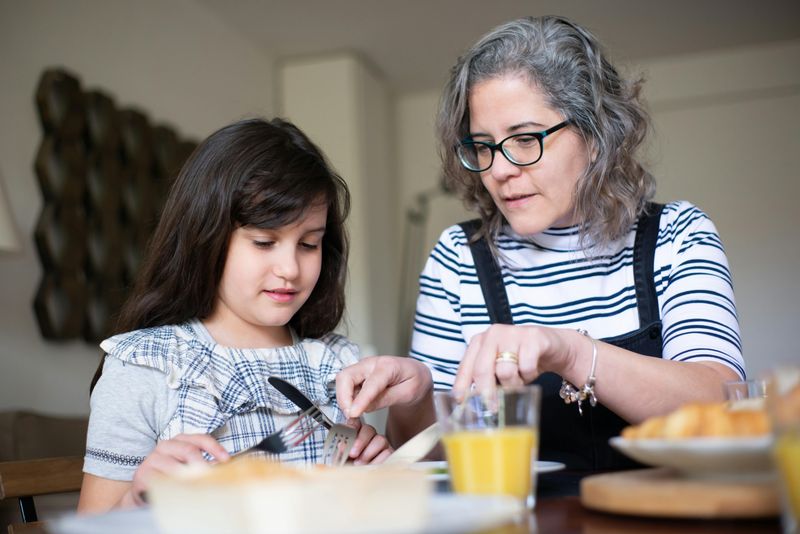
Magic words like please and thank you are taught in childhood for good reason.
They acknowledge that someone has done something kind or helpful for you.
Without these simple words, requests sound like demands and favors go unappreciated.
Imagine holding a door open for someone who walks through without a word.
That small moment of recognition makes all the difference in how we feel valued.
Gratitude costs nothing but means everything to the person on the receiving end.
Building the habit of saying please and thank you transforms ordinary interactions into moments of mutual respect and kindness.
3. Talking Loudly on the Phone in Public

Nobody wants to hear your entire phone conversation while waiting in line or sitting on a bus.
Speaking loudly on your phone in shared spaces forces everyone around you to become unwilling participants in your private business.
It shows a lack of awareness about how your behavior affects others.
Public spaces require a certain level of courtesy and volume control.
Keeping your voice down or stepping outside for calls demonstrates consideration for those sharing the space with you.
Remember that not everyone is interested in hearing about your weekend plans, work drama, or what you are having for dinner tonight.
4. Chewing with Their Mouth Open

Few things are more unpleasant than watching someone eat with their mouth wide open.
This behavior is not only visually unappealing but also creates unnecessary noise that can turn stomachs at the dinner table.
Basic table manners include keeping your mouth closed while chewing.
Children are usually taught this rule early on because it is fundamental to dining etiquette.
When adults continue this habit, it suggests they either were not taught proper manners or choose to ignore them completely.
Being mindful of how you eat shows respect for the people sharing a meal with you and makes dining a more pleasant experience for everyone involved.
5. Ignoring Personal Space Boundaries

Standing too close to someone or touching them without permission makes people incredibly uncomfortable.
Everyone has an invisible bubble of personal space that should be respected, especially with strangers or acquaintances.
Invading that space can feel threatening or invasive.
Cultural differences exist around personal space, but generally, keeping an arm’s length distance is a safe rule.
Pay attention to body language—if someone steps back, they are signaling you are too close.
Respecting physical boundaries is a fundamental part of making others feel safe and comfortable in your presence during any interaction.
6. Not Holding the Door for Others

Letting a door slam in someone’s face when they are right behind you is a clear sign of thoughtlessness.
This small gesture of holding the door takes only a second but shows you are aware of people around you.
It is a simple act of courtesy that makes daily interactions smoother.
Whether someone is carrying packages, pushing a stroller, or just walking behind you, holding the door is universally appreciated.
It demonstrates basic consideration and creates positive moments in otherwise routine situations.
Next time you go through a door, glance back to see if someone is following and hold it open for them.
7. Constantly Checking Their Phone During Conversations

Nothing says you do not matter quite like someone scrolling through their phone while you are talking to them.
This behavior sends a clear message that whatever is on that screen is more important than the person standing right in front of them.
It is disrespectful and dismissive.
Face-to-face conversations deserve your full attention and eye contact.
Phones can wait unless there is a genuine emergency that has been communicated beforehand.
Putting your phone away during conversations shows you value the person and what they have to say, strengthening your connection and mutual respect.
8. Being Late Without Apologizing or Notifying

Showing up late without a heads-up or apology shows you do not value other people’s time.
Everyone’s schedule matters, and making someone wait sends the message that your time is more important than theirs.
Chronic lateness without acknowledgment is a form of disrespect.
Unexpected delays happen to everyone, but a quick text or call goes a long way in showing consideration.
A sincere apology upon arrival acknowledges the inconvenience you caused.
Respecting punctuality or at least communicating when you are running behind demonstrates maturity and consideration for others in all situations.
9. Taking Credit for Others’ Work or Ideas

Claiming someone else’s accomplishments or ideas as your own is not only dishonest but deeply disrespectful.
This behavior undermines trust and damages relationships in personal and professional settings.
Proper manners include giving credit where credit is due.
Recognizing others’ contributions shows integrity and builds a culture of appreciation and teamwork.
When you acknowledge someone else’s efforts, you strengthen bonds and encourage continued collaboration.
If an idea came from a teammate or friend, mention their name and contribution openly to show you value honesty and fairness in all interactions.
10. Making Rude Comments About Others’ Appearance

Commenting negatively on how someone looks is hurtful and completely unnecessary.
Whether it is about weight, clothing choices, or physical features, these remarks can damage self-esteem and relationships.
Good manners mean keeping unkind observations to yourself.
If you do not have something nice to say, silence is always the better option.
Compliments uplift people, while criticism tears them down and creates lasting negative feelings.
Think before you speak and consider how your words might affect someone’s day or even their long-term confidence and self-image.
11. Not Responding to Invitations or Messages
Ignoring invitations or leaving messages on read without responding is inconsiderate and confusing.
When someone reaches out, they deserve the courtesy of a reply, even if it is just a simple no thank you.
Ghosting people shows a lack of respect for their effort.
Responding to invitations helps hosts plan appropriately and shows you appreciate being included.
Even a brief acknowledgment is better than complete silence.
Taking a few seconds to reply demonstrates basic courtesy and maintains healthy communication in all your relationships, both personal and professional ones.
Comments
Loading…