
 Hailey Watson
13 Most Stressful US Careers, According to Employees
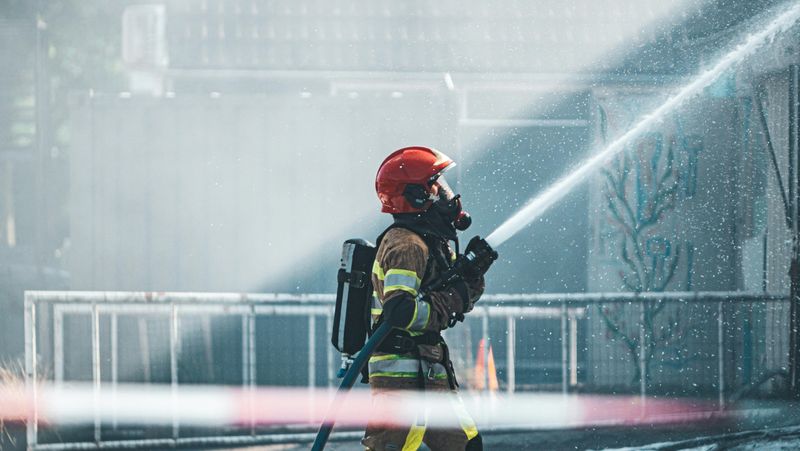
Some jobs come with a heavy load of pressure, deadlines, and emotional strain that can wear people down over time.
Workers across the country face unique challenges that make their daily routines incredibly demanding.
Understanding which careers cause the most stress can help you make smarter decisions about your future or appreciate the tough work others do every day.
1. Emergency Medical Technician

Sirens blare, seconds count, and lives hang in the balance—this is the reality for those who rush to medical emergencies.
Every shift brings unpredictable situations, from car accidents to heart attacks, requiring quick thinking and steady hands.
The emotional toll of seeing people in pain or losing patients can be overwhelming.
Long hours and irregular schedules disrupt sleep patterns and personal life.
Physical demands include lifting patients and working in all weather conditions.
Despite the stress, many find deep meaning in helping people during their most vulnerable moments.
Building mental resilience and having strong support systems at work can make this career more manageable.
2. Police Officer

Facing danger is just part of the job description when you wear a badge and patrol the streets.
Officers deal with everything from traffic stops to violent crimes, never knowing what each call might bring.
The constant need to stay alert and ready for action creates ongoing mental strain.
Public scrutiny and criticism have intensified in recent years, adding another layer of pressure.
Shift work disrupts family time and sleep schedules.
Witnessing traumatic events repeatedly can lead to lasting emotional effects.
Many departments now offer counseling and peer support programs to help officers process their experiences and maintain their well-being throughout their careers.
3. Nurse

Hospitals never sleep, and neither do the demands placed on those who care for sick and injured patients around the clock.
Nurses juggle multiple patients with different needs, administer medications, and provide emotional support to worried families.
The pandemic revealed just how overwhelming this profession can become during crises.
Long shifts, often 12 hours or more, lead to physical and mental exhaustion.
Exposure to illnesses and dealing with patient deaths takes an emotional toll.
Staffing shortages mean nurses often work understaffed, increasing workload and stress.
Many healthcare facilities now prioritize wellness programs and mental health support to help nurses maintain their passion for caregiving.
4. Firefighter
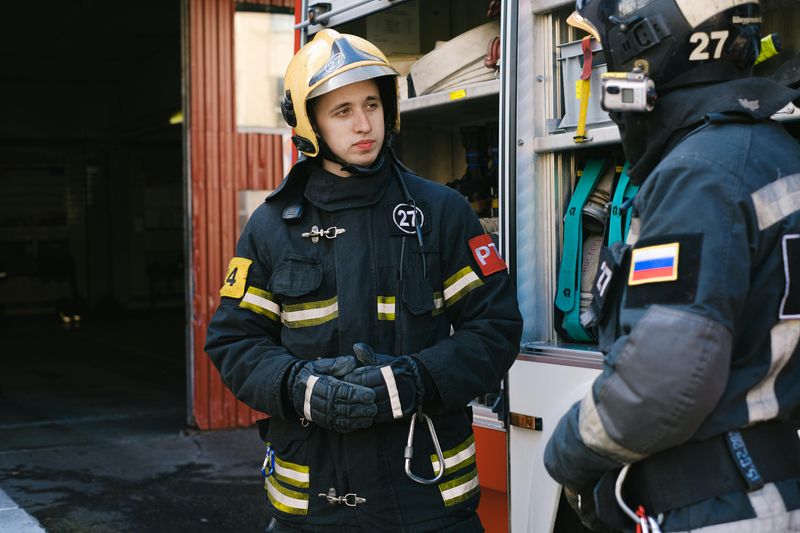
Running into burning buildings while everyone else runs out takes a special kind of courage and creates intense stress.
These brave individuals face life-threatening situations regularly, from structure fires to hazardous material spills.
The physical demands are extreme, requiring strength, endurance, and the ability to work in scorching heat while wearing heavy gear.
Irregular sleep patterns at the station can affect health over time.
The emotional weight of not being able to save everyone stays with many firefighters.
Camaraderie among crew members provides crucial support during tough times.
Regular fitness training and mental health resources help firefighters stay prepared for the challenges ahead.
5. Surgeon

Operating rooms demand perfection, where even the smallest error during a procedure can have serious consequences for patients.
Surgeons spend years in training and continue facing high-pressure situations throughout their careers.
Procedures can last many hours, requiring unwavering focus and physical stamina.
The responsibility of holding someone’s life in your hands creates immense psychological weight.
Long, unpredictable hours make maintaining work-life balance extremely difficult.
Malpractice concerns add another layer of stress to every decision made.
Despite these challenges, many surgeons find great satisfaction in successfully treating patients and advancing medical knowledge through their specialized skills and dedication to healing.
6. Airline Pilot

Controlling a massive aircraft with hundreds of passengers requires exceptional skill, constant vigilance, and the ability to handle emergencies calmly.
Pilots face irregular schedules that disrupt circadian rhythms and make maintaining healthy sleep patterns challenging.
Time zone changes and long flights contribute to fatigue.
Weather conditions, mechanical issues, and air traffic delays require quick decision-making and adaptability.
The responsibility for passenger safety creates ongoing pressure.
Being away from family for extended periods affects personal relationships.
Strict medical requirements and regular testing add stress about maintaining certification.
However, many pilots love the thrill of flying and the unique perspective their career provides.
7. Social Worker

Helping families in crisis means regularly confronting poverty, abuse, addiction, and situations that would break most people’s hearts.
Social workers carry heavy caseloads, often lacking resources to provide all the help their clients desperately need.
Making decisions about child welfare or elder care involves tremendous responsibility.
Bureaucratic paperwork and regulations can feel overwhelming when you just want to help people.
Compassion fatigue sets in when exposed to trauma constantly.
Low pay compared to the emotional demands makes retention difficult in this field.
Finding healthy boundaries and practicing self-care are essential for social workers to continue making a difference in vulnerable communities.
8. Teacher

Shaping young minds sounds rewarding until you consider managing 30 different personalities, learning styles, and behavioral challenges simultaneously every single day.
Teachers work far beyond school hours, grading papers, planning lessons, and communicating with parents.
Standardized testing pressure and changing curriculum requirements add stress.
Dealing with difficult parents and administrative demands can be draining.
Classroom disruptions and behavioral issues require constant attention and patience.
Low salaries compared to education requirements and responsibilities create financial strain.
Budget cuts often mean purchasing supplies with personal money.
Despite everything, dedicated teachers find joy in student breakthroughs and the lasting impact they make.
9. Journalist

Chasing stories under tight deadlines while maintaining accuracy in an era of misinformation creates relentless pressure for reporters.
Journalists often work irregular hours, covering breaking news at any time of day or night.
Witnessing traumatic events like disasters or violence takes an emotional toll.
Job security has decreased as news organizations downsize and shift to digital formats.
Public distrust and criticism, sometimes even threats, have increased in recent years.
Investigative work can be dangerous when exposing corruption or wrongdoing.
The constant need to stay ahead of competitors and produce engaging content adds stress.
Passionate journalists persevere because they believe in holding power accountable and informing communities.
10. Military Personnel
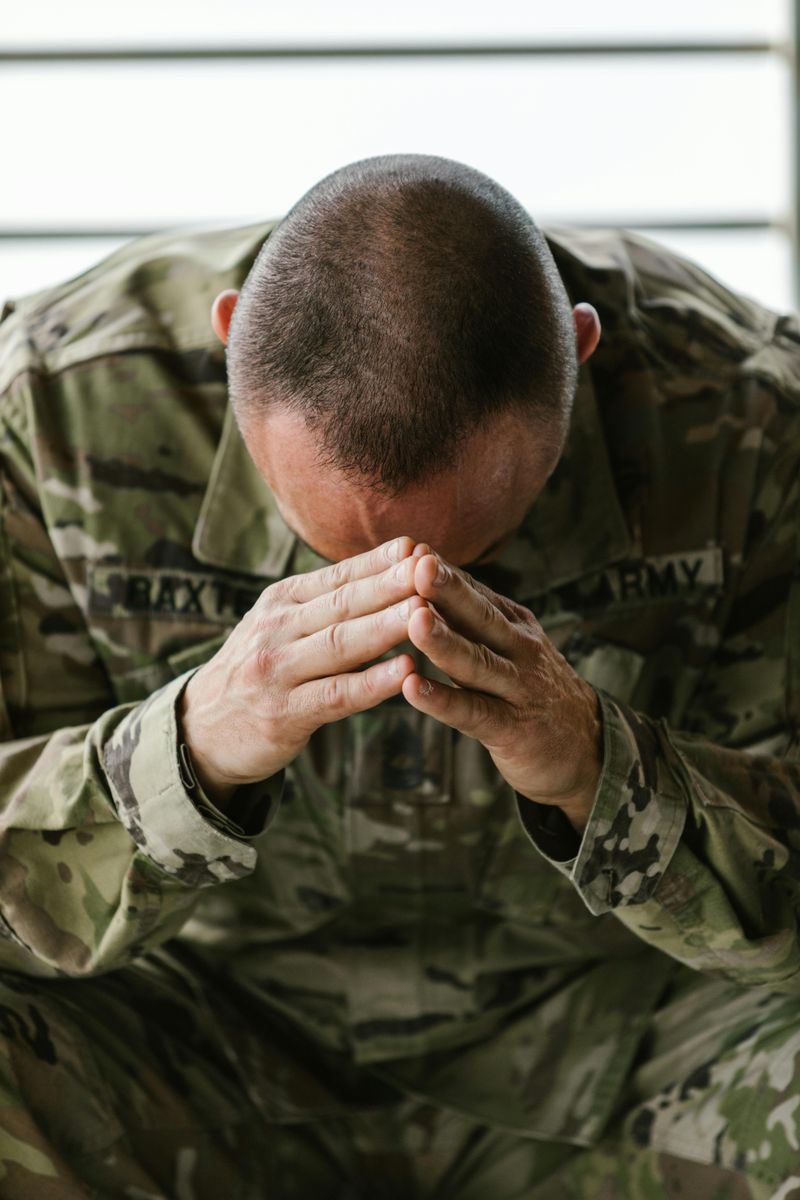
Serving your country often means deploying to dangerous locations, spending months away from loved ones, and facing situations most civilians never imagine.
Military members deal with strict hierarchies, demanding physical requirements, and the possibility of combat.
Witnessing violence and losing fellow service members creates lasting trauma.
Frequent relocations disrupt family stability and make maintaining friendships difficult.
Adjusting to civilian life after service presents its own challenges.
The mental health impact of military service, including PTSD, affects many veterans long after their service ends.
Support programs and veteran services continue improving to help those who sacrificed so much for their nation.
11. Construction Worker

Building structures under blazing sun or freezing cold while operating heavy machinery creates physical demands that wear down bodies over time.
Workers face serious injury risks daily, from falls to equipment accidents.
Physical labor causes chronic pain and long-term health issues.
Job instability due to seasonal work and project-based employment creates financial uncertainty.
Pressure to meet tight deadlines often means long hours.
Weather delays and material shortages cause frustration and schedule changes.
Loud environments and dust exposure affect health.
Despite these hardships, many construction workers take pride in tangible results—seeing buildings and roads they helped create stand as lasting contributions to their communities.
12. Financial Analyst

Market volatility and the responsibility of managing other people’s money create constant anxiety in the financial sector.
Analysts work under tight deadlines, preparing reports and forecasts that influence major business decisions.
The pressure to predict market trends accurately is immense.
Long hours, especially during quarterly reporting periods, disrupt personal life.
Regulatory compliance and complex financial regulations add layers of responsibility.
Economic downturns and market crashes create particularly stressful periods.
Keeping up with constantly changing financial landscapes requires continuous learning.
Client expectations for strong returns regardless of market conditions add pressure.
Despite challenges, many analysts thrive on the intellectual stimulation and problem-solving aspects of their work.
13. Mental Health Counselor

Listening to people’s deepest struggles day after day requires enormous emotional strength and the ability to leave work at work.
Counselors help clients dealing with trauma, depression, anxiety, and crisis situations.
The emotional weight of others’ problems can lead to vicarious trauma.
Paperwork requirements and insurance documentation take time away from actual client care.
Concerns about client safety, including suicide risk, create ongoing worry.
Relatively modest salaries compared to education requirements and emotional demands affect the profession.
Maintaining professional boundaries while showing genuine care requires careful balance.
Many counselors find deep meaning in helping people heal and develop healthier coping strategies for life’s challenges.
Comments
Loading…