
 Hailey Watson
The 10 Biggest Mistakes People Make When Buying Coffee In The Supermarket
You head to the coffee aisle for a quick grab, then get ambushed by shiny bags and big promises.
It is easy to overspend, buy the wrong roast, or end up with stale beans that taste flat.
Let me help you skip the duds and bring home coffee that actually tastes the way you want.
A few smart tweaks can save money and make your morning cup sing.
1. Buying the biggest bag “because it’s cheaper” (then it goes stale)
That jumbo bag looks like a bargain until day ten, when your cup tastes dull.
Oxygen, light, and time chew through flavor, so those last scoops end up lifeless.
Smaller bags mean fresher brews and less waste, especially if you sip rather than chug.
Bulk can work if you drink a lot or share with others.
Freeze portions in airtight containers, then thaw a week’s worth at a time.
Do not keep opening the same big bag, because repeated exposure speeds staling.
Check your weekly consumption and buy accordingly.
If you brew two cups daily, a 12 ounce bag usually lasts a week.
You will spend smarter when you match size to pace, and your mug will thank you every morning.
2. Ignoring the roast date and only checking the “best by” date
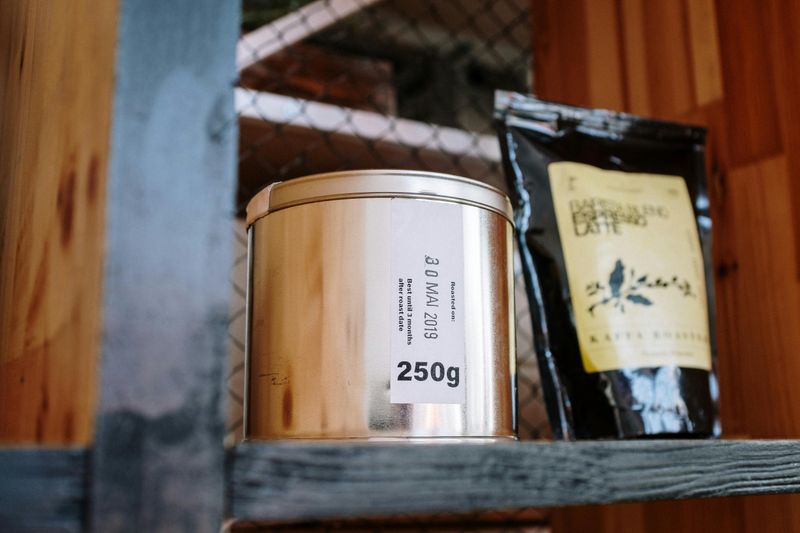
Those “best by” stamps can be months away, which hides how old the beans already are.
What you really want is a roast date, telling you when the coffee was actually roasted.
Fresher usually means brighter aromas, rounder sweetness, and more distinct notes.
Look for bags with clear roast dates and choose within a few weeks of that day.
If the store turns stock slowly, dig behind front bags or visit on delivery days.
When no roast date is listed, assume it is not fresh and shop elsewhere.
Store sealed beans away from light and heat once you bring them home.
Aim to finish a bag within two to four weeks of roast for peak flavor.
Your senses will notice the difference, and so will your mood.
3. Assuming “dark roast” means stronger caffeine
Bold taste can trick you into thinking caffeine is higher, but darkness is about flavor development.
Caffeine content changes very little between roast levels, and lighter roasts can even edge out darker ones.
If you want more buzz, brew strength and dose matter far more.
Try adjusting your coffee to water ratio, grind size, and brew time.
A slightly finer grind or longer contact time can boost extraction without bitterness.
For less jolt, reduce dose or choose a blend with naturally lower caffeine beans.
Pick roast for flavor, not energy.
Darker brings smoky, chocolatey notes, while lighter keeps acidity and fruit.
Decide what your taste buds want in the cup, then tune caffeine with your brewing choices.
4. Paying for pre-ground when you could buy whole bean (and keep flavor longer)
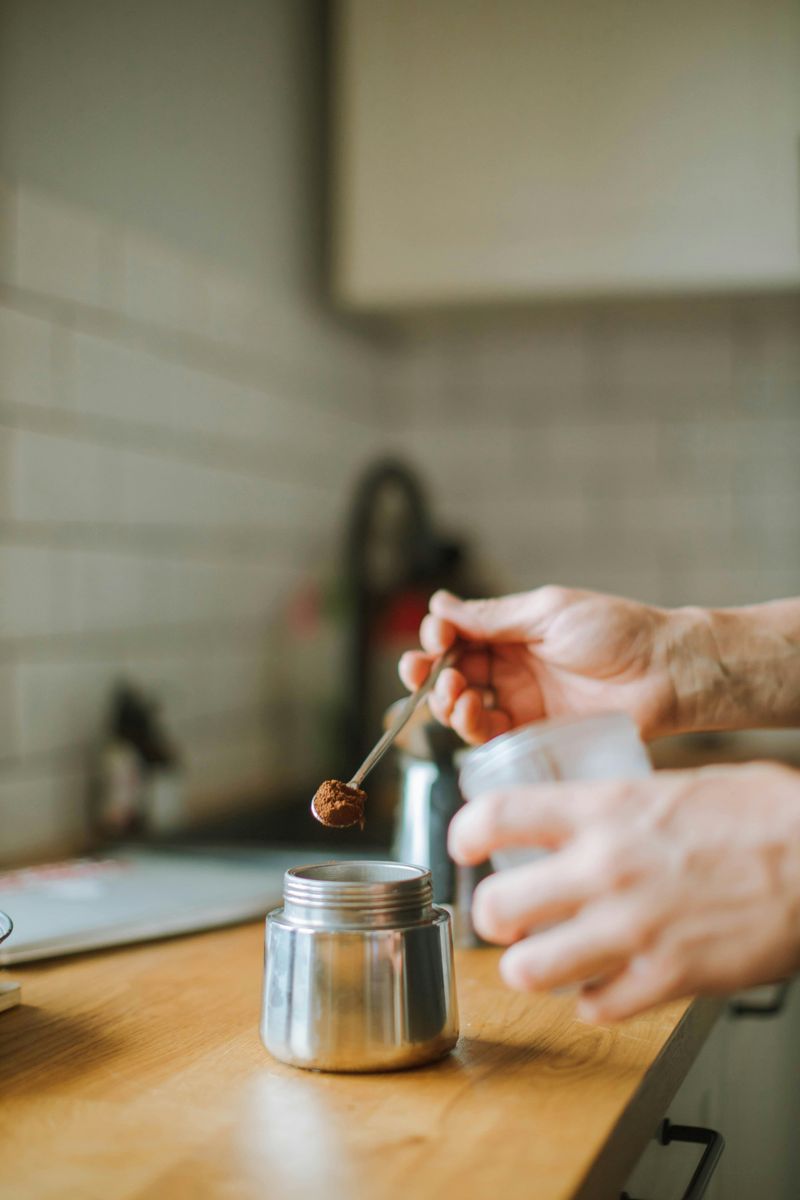
Ground coffee loses aroma fast, sometimes within minutes.
Oxygen attacks all that delicate goodness, and tomorrow’s brew tastes flatter.
Whole beans lock in flavor longer, even with a basic burr grinder at home.
If you love convenience, grind only what you need before brewing.
Keep the rest sealed and in a cool, dark place.
You do not need a fancy setup, just consistent grind size and fresh beans.
When you must buy pre-ground, choose smaller bags and plan to use them quickly.
Otherwise, grab whole bean and treat yourself to fresher mornings.
The difference in fragrance hitting your nose will sell you instantly.
5. Choosing based on packaging buzzwords instead of what you actually like
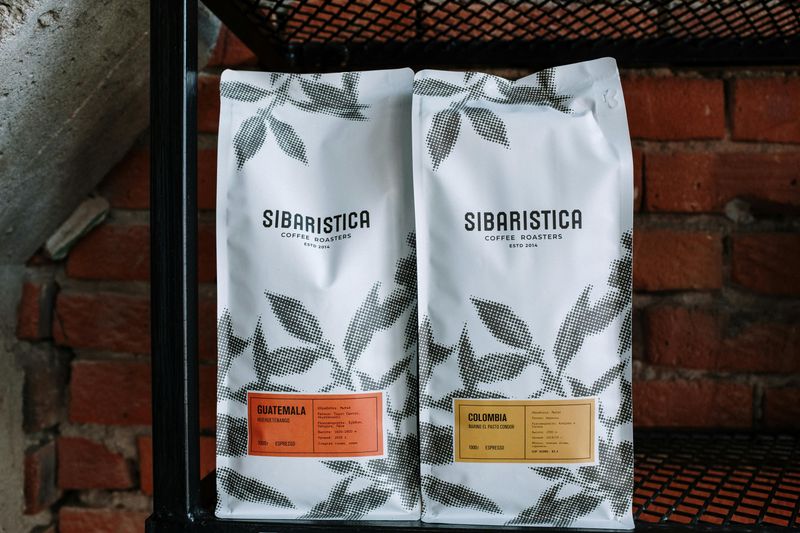
Shiny bags whisper premium, gourmet, small batch, and it is tempting to believe them.
Buzzwords are not flavor notes, and they will not guarantee you love the cup.
Flip the bag and read the actual tasting notes and roast level instead.
Think about what you enjoy: chocolatey, nutty, fruity, or floral.
Choose regions and processing styles that match those preferences.
If you are unsure, start with a balanced medium roast and branch out.
Ignore the marketing fireworks and focus on information you can taste.
Flavor notes, altitude, and roast date matter more than adjectives.
Your palate is the best compass, and it gets sharper with each bag.
6. Not matching the grind to your brew method
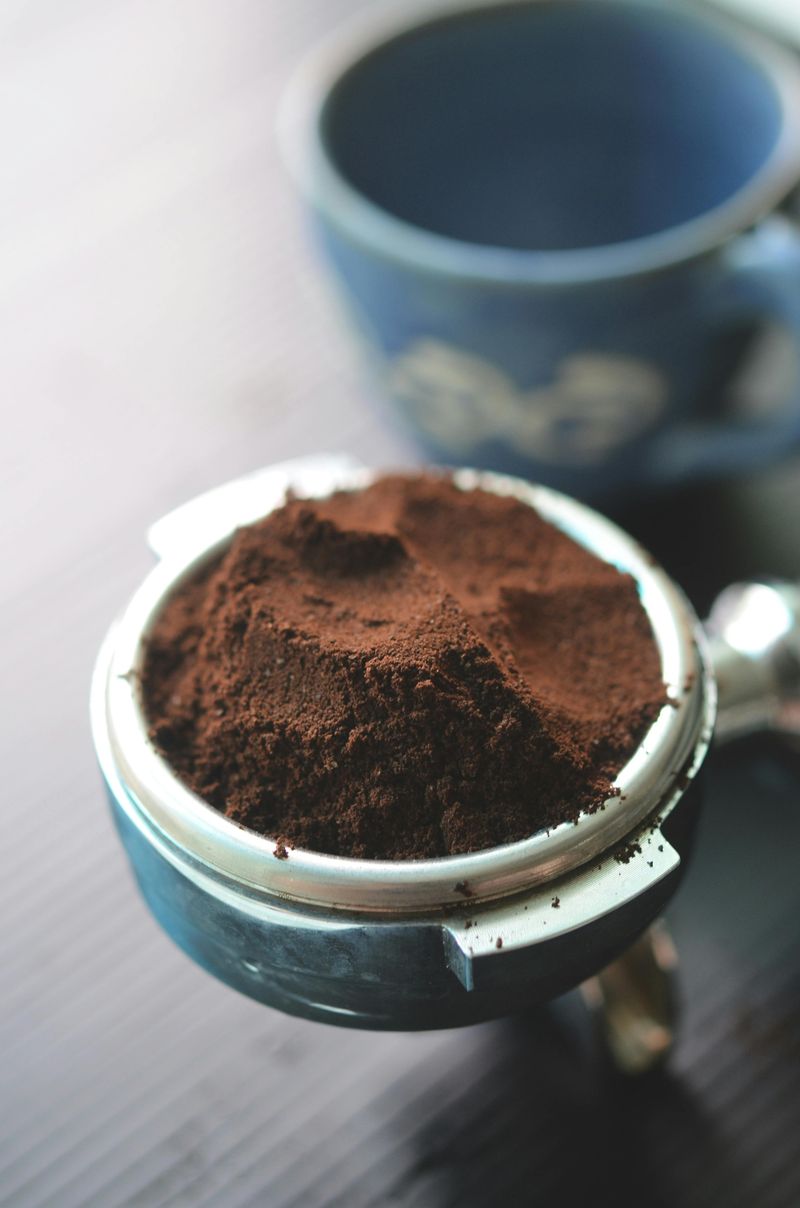
Wrong grind size wrecks good beans, turning your mug weak or harsh.
Brew methods demand specific textures so water extracts the right compounds.
Coarse fits French press, medium suits drip, and fine powers espresso.
Start with standard guides, then tweak by taste.
If coffee is sour and thin, grind finer.
If it is bitter and hollow, go coarser and shorten contact time.
Consistency beats fancy gear.
A basic burr grinder outperforms a blade for even particles.
Dialing in grind transforms meh coffee into balanced, sweet sips you will crave.
7. Overpaying for single-serve pods without doing the per-cup math
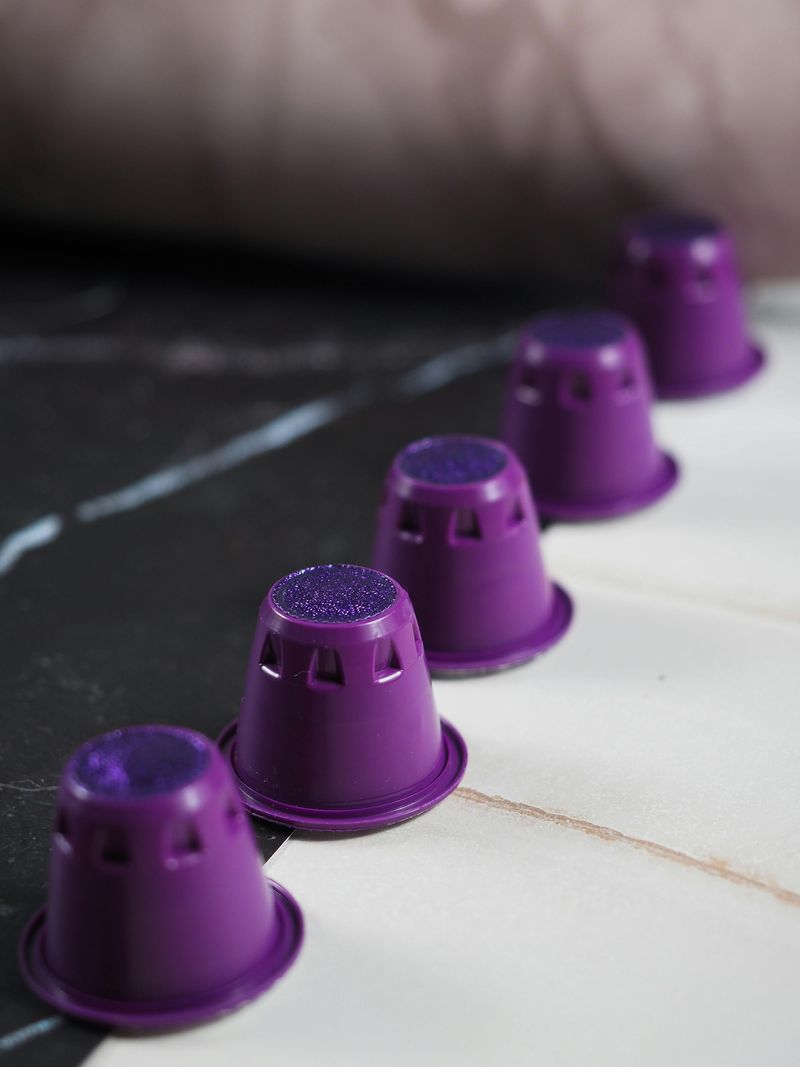
Convenience is nice, but pods often carry the highest cost per cup.
If you drink daily, the numbers add up quickly.
Do the math and compare with whole bean or ground options.
Reusable pods and refillable filters can cut costs while keeping the quick routine.
You will get better flavor from fresher coffee, too.
Check store sales on compatible pods if you will not switch methods.
Price out a month of brewing both ways.
Factor in taste, waste, and flexibility.
Savings plus fresher flavor might nudge you toward a better habit without losing convenience.
8. Skipping store-brand options automatically
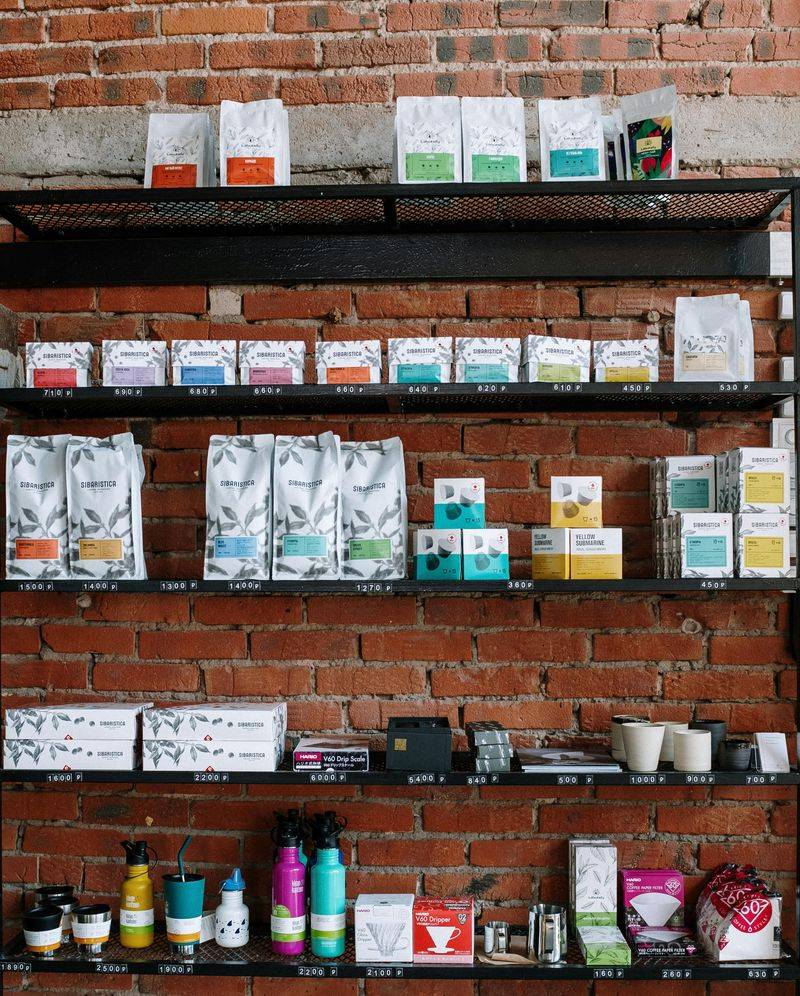
Private label does not always mean mediocre.
Many store brands are roasted by respected partners and can be solid values.
When budgets are tight, these bags can stretch dollars without sacrificing your morning joy.
Look for roast dates, origin info, and tasting notes just like any brand.
Try a small bag first and compare side by side.
Sometimes the difference is tiny, and your wallet will feel the win.
Watch for limited editions or regional selections in store lines.
They can surprise you with freshness and balanced profiles.
Give them a fair shot, then keep the winners in your rotation.
9. Buying “flavored coffee” when you could flavor it yourself for less
Those vanilla or hazelnut bags smell big but often taste artificial.
Added oils can go stale faster and coat your brewer.
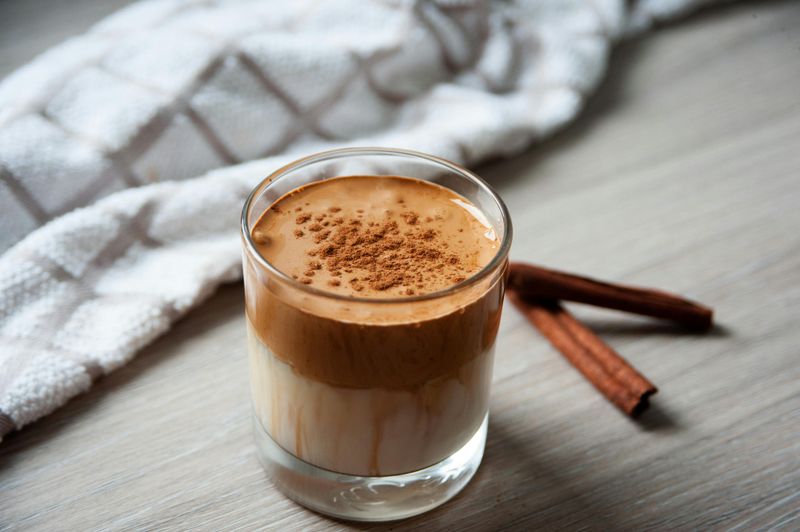
You get better control and freshness by flavoring your own cup.
Try cinnamon, cocoa powder, a splash of vanilla extract, or maple syrup.
Infuse milk with spices for lattes that feel café-level.
It costs less and lets the coffee’s character shine through.
Start with a clean medium roast that plays well with add-ins.
Keep ingredients simple and tweak sweetness to taste.
Your mug becomes a tiny test kitchen, and the results are delicious.
10. Not stocking up strategically during sales (or missing digital coupons)
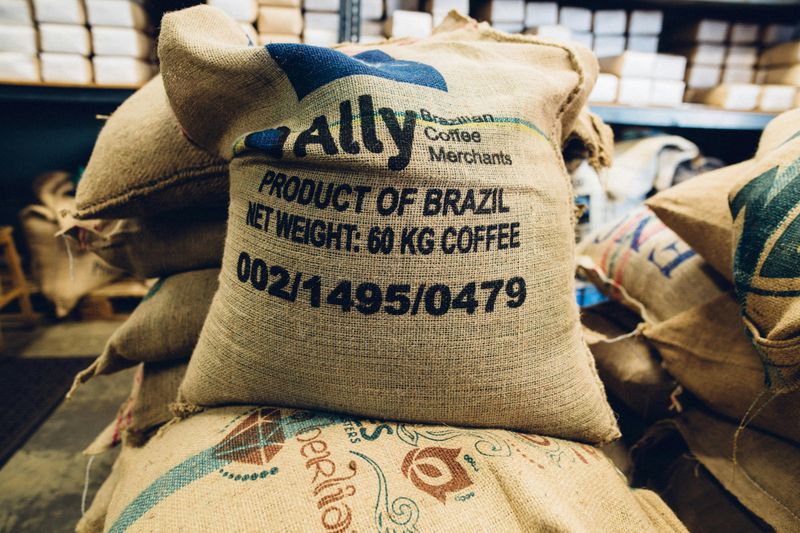
Coffee deals can be some of the best grocery promos if you plan.
Stack store sales with digital coupons and loyalty points.
Then freeze unopened bags to lock in freshness and savings.
Set alerts in your grocery app and track your favorite roasts.
When prices dip, buy enough for a month or two.
Rotate older bags forward so nothing lingers past peak.
Freeze beans in original sealed packaging or airtight containers.
Thaw only what you will brew in a week.
Smart timing pays off with better coffee and a happier budget.
Comments
Loading…