
 Harper Hall
10 Cult-Favorite ’70s Shows Most People Don’t Remember Anymore
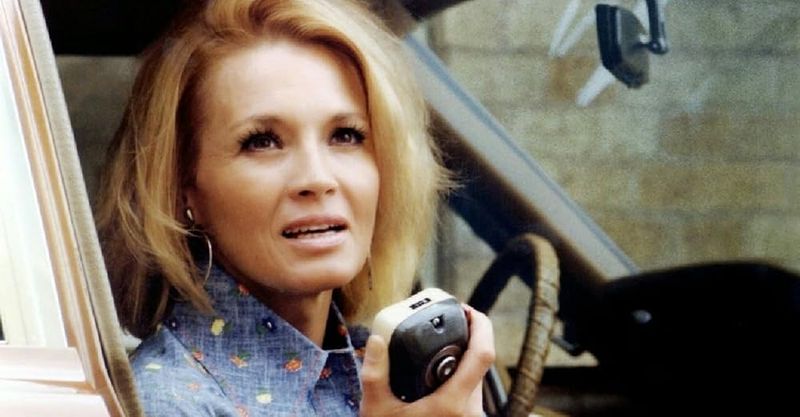
The 1970s didn’t just produce a few iconic hits, it quietly stocked the TV shelves with inventive series that slipped out of the pop-culture conversation.
Some were too weird for their own good, others were simply ahead of the trends that would later make similar shows wildly popular.
A lot of these titles also suffered from spotty reruns, confusing rights issues, or being overshadowed by flashier network darlings of the same era.
Yet when you revisit them now, the writing often feels sharper than you expect, and the risks they took feel surprisingly modern.
If you’re craving something beyond the usual “remember when” classics, these forgotten favorites are the perfect place to start.
Here are ten great ’70s shows that deserve to be remembered again, even if today most people can’t name them on sight.
1. Kolchak: The Night Stalker
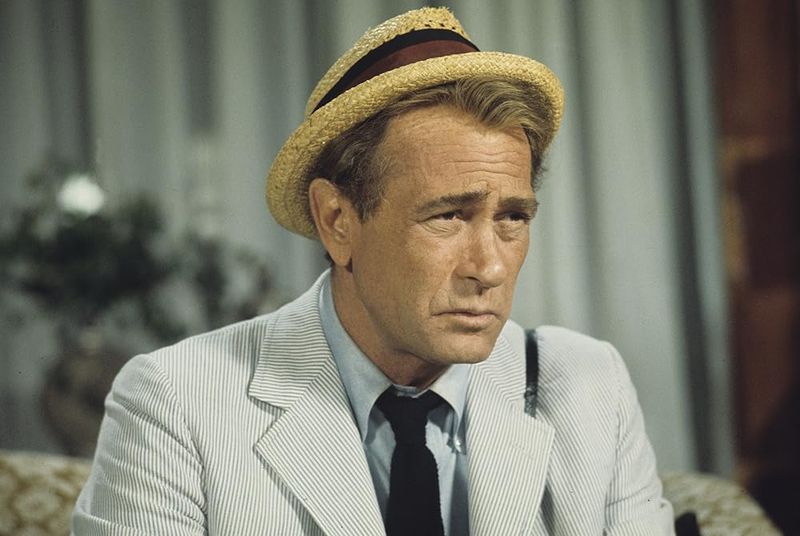
Long before paranormal TV became a weekly comfort genre, this series made supernatural investigations feel gritty, funny, and oddly plausible.
Darren McGavin plays a stubborn reporter who keeps stumbling into vampires, monsters, and conspiracies while everyone around him insists he’s exaggerating.
Instead of polished special effects, the show leans on atmosphere, cramped newsrooms, and late-night streets that make the weirdness feel close to home.
Each episode moves like a punchy mystery, but it also carries a sly message about institutions that deny problems until it’s too late.
The tone is part horror, part newsroom drama, and part deadpan comedy, which makes it feel like a blueprint for later cult favorites.
If you like monster-of-the-week stories with personality and bite, this one still scratches the itch in a way many newer shows don’t.
2. Mary Hartman, Mary Hartman
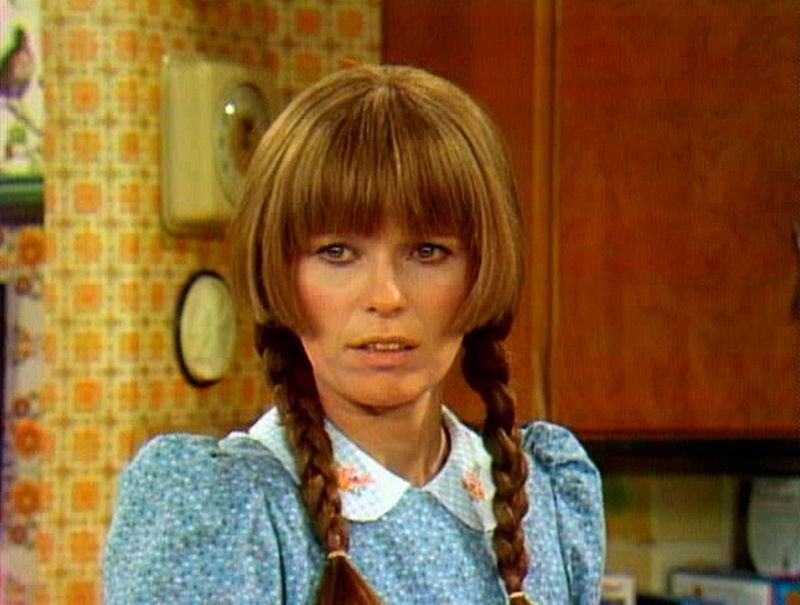
If you’ve ever wondered what happens when suburban sitcom energy collides with soap-opera melodrama, this is the strange and brilliant answer.
The show follows an ordinary woman whose neighborhood keeps spiraling into absurd crises, treating chaos with the calm tone of everyday life.
Its humor is intentionally uncomfortable, because it’s poking at consumer culture, media sensationalism, and the way people normalize the unthinkable.
Louise Lasser’s performance is a big reason it works, since she plays bewilderment and resilience in the same breath without winking at the audience.
What feels “modern” now is how it skewers headlines and social taboos while still telling a character-driven story that builds episode to episode.
It’s not a background-watch kind of series, but if you give it attention, you’ll see why it became a cult landmark for TV risk-takers.
3. Fernwood 2 Night
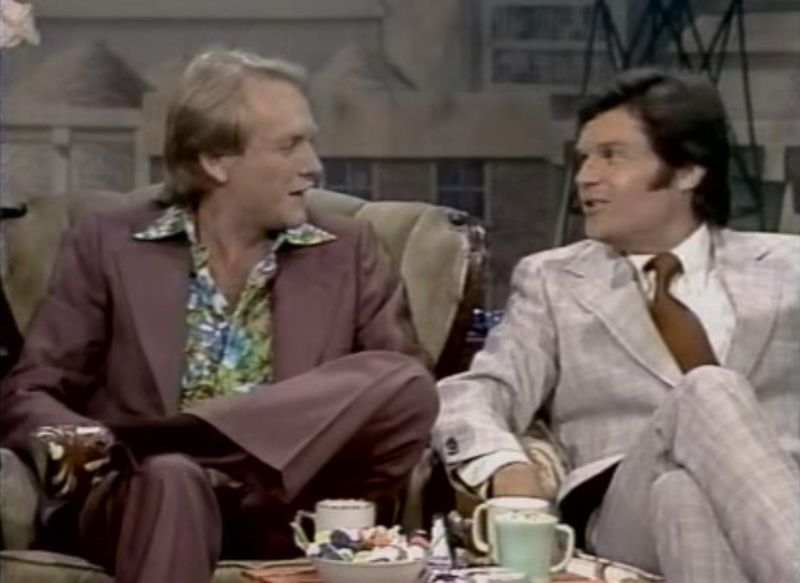
A fake small-town talk show sounds like a simple gag, but this series turns the premise into a sharp, surprisingly layered satire.
Set in the fictional town of Fernwood, it parodies local TV charm while quietly roasting politics, celebrity culture, and the desperation to seem important.
Martin Mull and Fred Willard anchor the show with perfectly timed awkwardness, acting like they’re hosting something significant even when the wheels fall off.
The format lets it feel loose and improvised, which makes the jokes land with a natural rhythm instead of tidy sitcom punchlines.
You can also see early DNA of later mockumentaries and meta-comedies, especially in the way it treats “production” as part of the humor.
For anyone who loves deadpan absurdity and comedy that doesn’t announce itself, it’s a forgotten gem that deserves far more modern attention.
4. The White Shadow
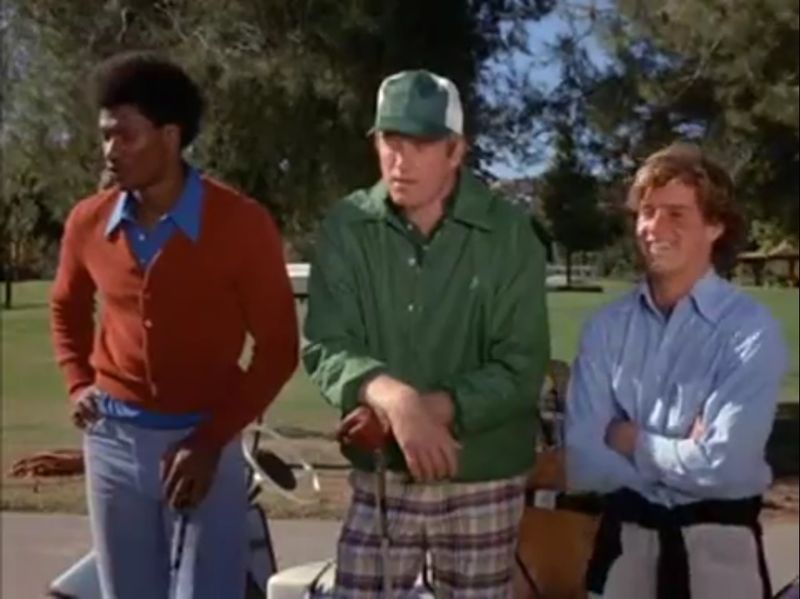
Sports dramas are everywhere now, but this series tackled race, class, and mentorship with a seriousness that still feels bold for its time.
The premise follows a former pro player who becomes a teacher and coach, discovering that the hardest battles aren’t always on the court.
Instead of making students into stereotypes, the show gives them distinct voices, conflicts, and ambitions that feel personal rather than inspirational poster-ready.
Many episodes dig into family pressure, identity, and expectations, which keeps the storytelling grounded even when the basketball scenes get intense.
Ken Howard’s lead performance balances idealism with exhaustion, making the mentor figure feel human instead of magically wise.
If you want a ’70s series that combines heart with realism, this one is worth seeking out, because it respects its characters and its audience.
5. Lou Grant
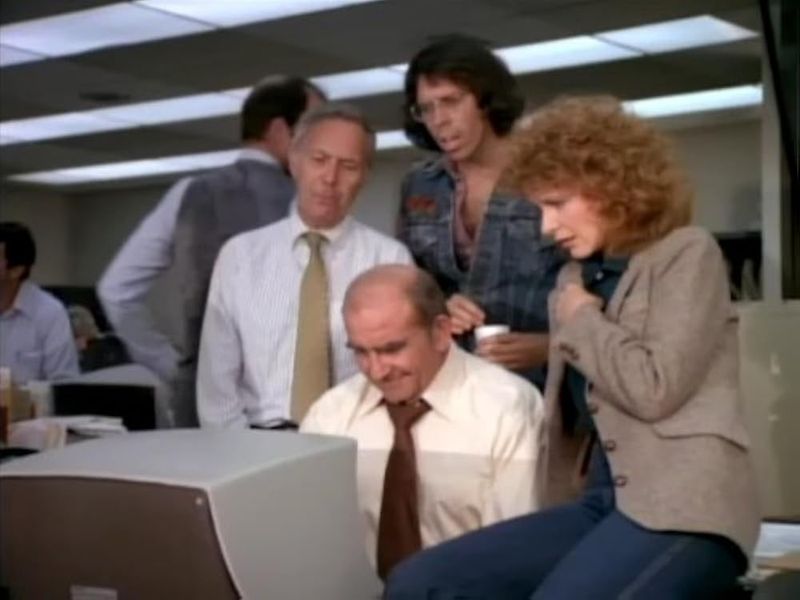
Spinoffs usually chase easy laughs, but this one took a familiar character and dropped him into a harder world with sharper edges.
The series centers on a newspaper editor navigating deadlines, office politics, and moral dilemmas in a newsroom that often mirrors real-world tension.
Episodes deal with uncomfortable topics like corruption, violence, and social conflict, and they rarely wrap everything up with a neat little bow.
Edward Asner brings weight to the role, playing a tough boss who still wrestles with empathy, responsibility, and the cost of getting the truth.
What makes it addictive is the procedural pace mixed with character drama, because the relationships shift as stories get bigger and risks get higher.
If you’re into journalism shows or workplace dramas, it’s a smart reminder that the ’70s could do “serious TV” with real authority.
6. Police Woman
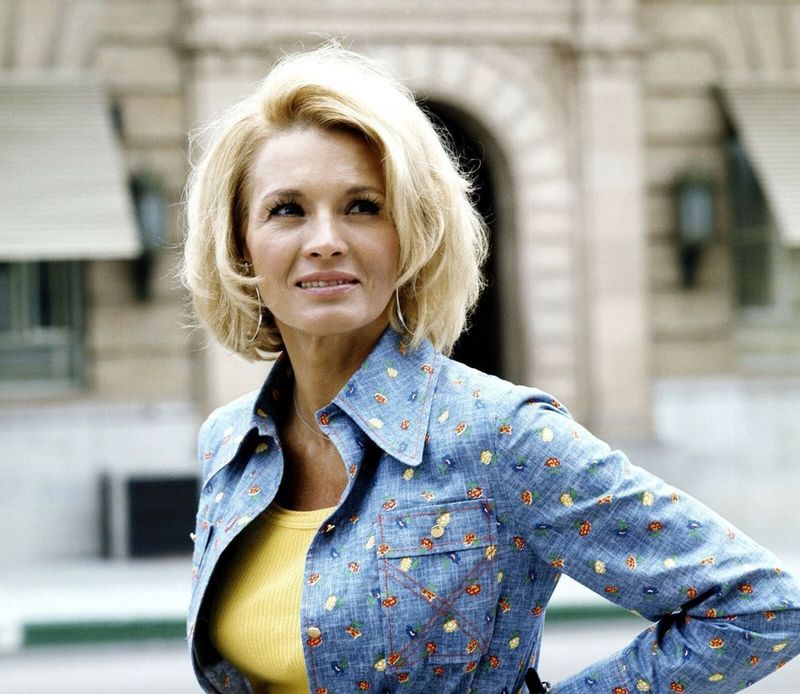
A female-led crime series was still a rarity in the mid-1970s, which makes this show’s confident swagger feel even more noteworthy.
Angie Dickinson plays a skilled investigator who goes undercover often, but the best episodes work because she’s sharp, observant, and emotionally steady.
The cases reflect the era’s grit, with storylines that move through seedy corners of the city instead of glossy, sanitized sets.
At its strongest, the show balances action with a cool professionalism that lets the lead character drive the story rather than decorate it.
It also opened doors for later women-led procedurals, even if pop culture doesn’t always give it enough credit for that impact.
If you want an old-school detective vibe with a trailblazing centerpiece, this is a satisfying watch that deserves to be more than a trivia answer.
7. McMillan & Wife
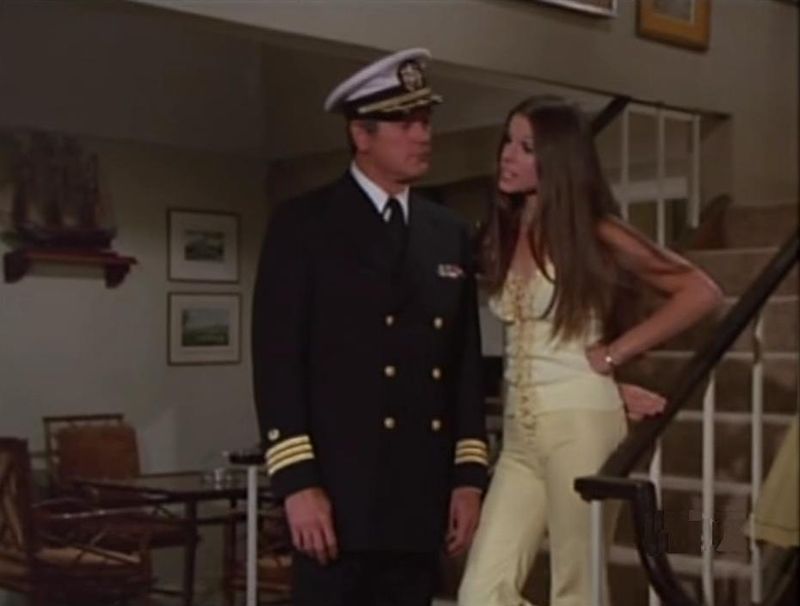
Mysteries are fun, but mysteries with a genuinely charming marriage at the center can feel like comfort food, and this one does it beautifully.
The series pairs a police commissioner with his witty, curious wife, creating a dynamic that’s equal parts playful banter and sincere partnership.
Instead of sidelining the spouse, the writing lets her contribute ideas, questions, and emotional intelligence that keep the investigations from feeling routine.
The tone sits somewhere between cozy and slick, with enough danger to keep stakes real while still delivering the warm chemistry audiences loved.
It’s also a time capsule of ’70s style and pacing, where conversations breathe and character moments matter as much as plot twists.
If you enjoy couples who actually like each other on screen, this show is a delightful reminder that crime TV doesn’t have to be cold.
8. Ellery Queen
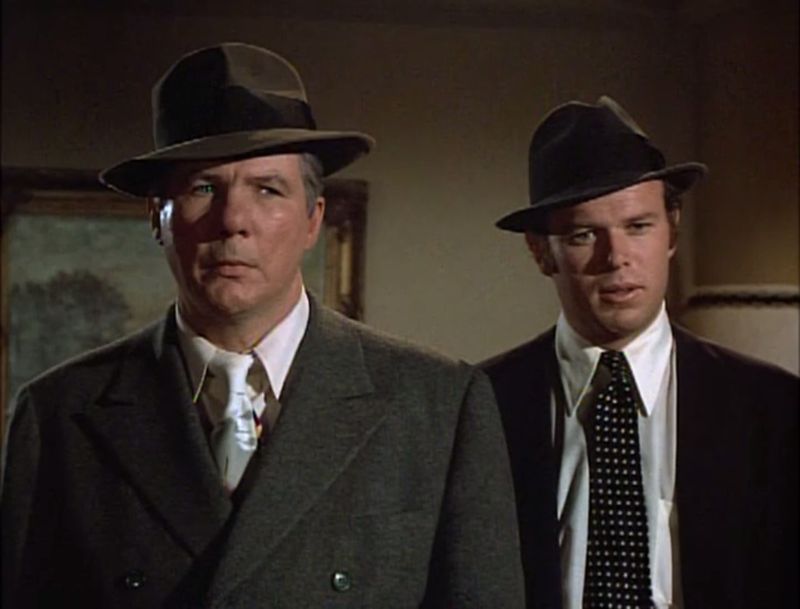
A fair-play whodunit is a rare treat on television, and this series made a point of inviting viewers to solve the puzzle too.
The main character is a mystery writer who keeps getting pulled into real murders, using logic and observation instead of endless gunplay.
Episodes are structured to plant clues carefully, so the eventual reveal feels earned rather than randomly pulled from a hat at the last second.
The look is stylish and period-flavored, giving each case a slightly storybook quality without losing the tension that makes mysteries work.
What’s especially fun is the show’s confidence that the audience is paying attention, because it expects you to track motives, timelines, and details.
If you miss smart mysteries that respect your brain, this forgotten series is a satisfying weekend binge that scratches the classic-detective itch.
9. Switch
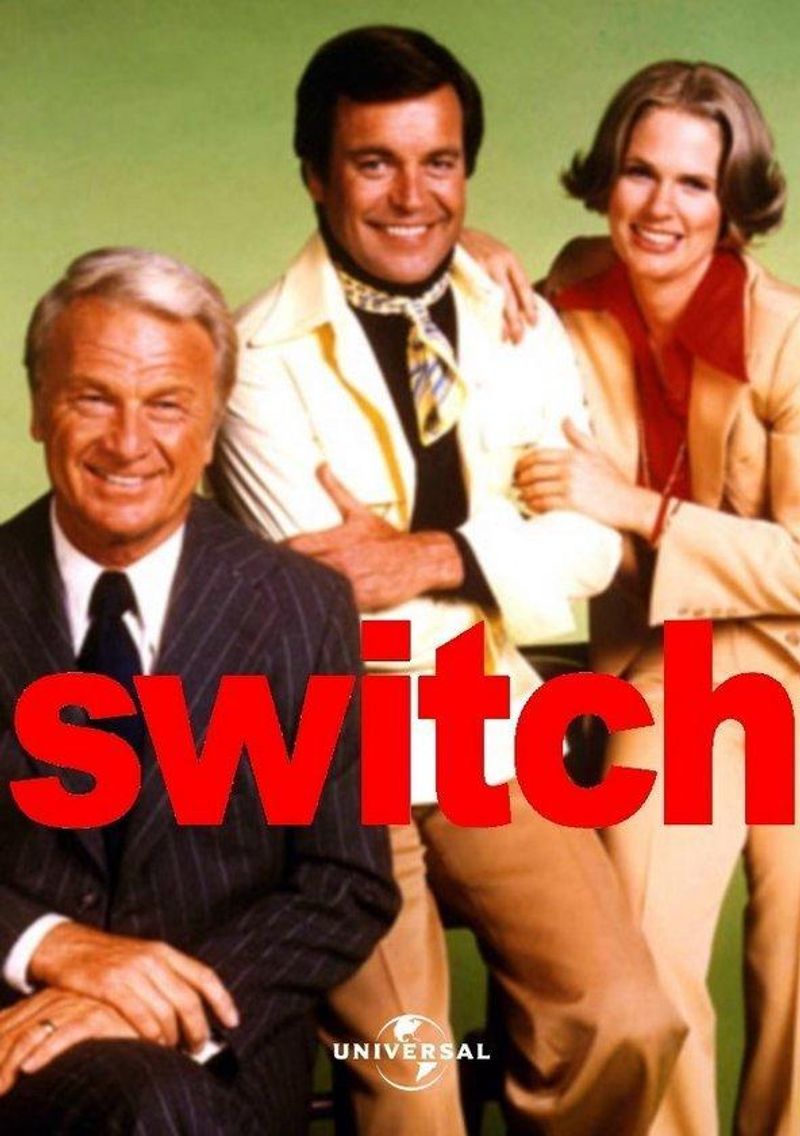
Con-artist energy meets detective structure in this series, creating a breezy, charismatic crime show that’s more fun than its low profile suggests.
Two former swindlers become private investigators, which means their greatest tools are charm, social engineering, and knowing exactly how criminals think.
The cases often hinge on clever setups and reversals, so the show feels like a weekly game of cat-and-mouse rather than a standard procedural.
Robert Wagner and Eddie Albert have a smooth chemistry that makes even smaller episodes enjoyable, because their rapport carries the momentum.
It’s a stylish slice of the ’70s, full of confident pacing, playful dialogue, and that satisfying sense that the heroes win by outsmarting everyone.
If you like light crime with personality, this is the kind of forgotten favorite that can instantly become a comfort watch.
10. Space: 1999
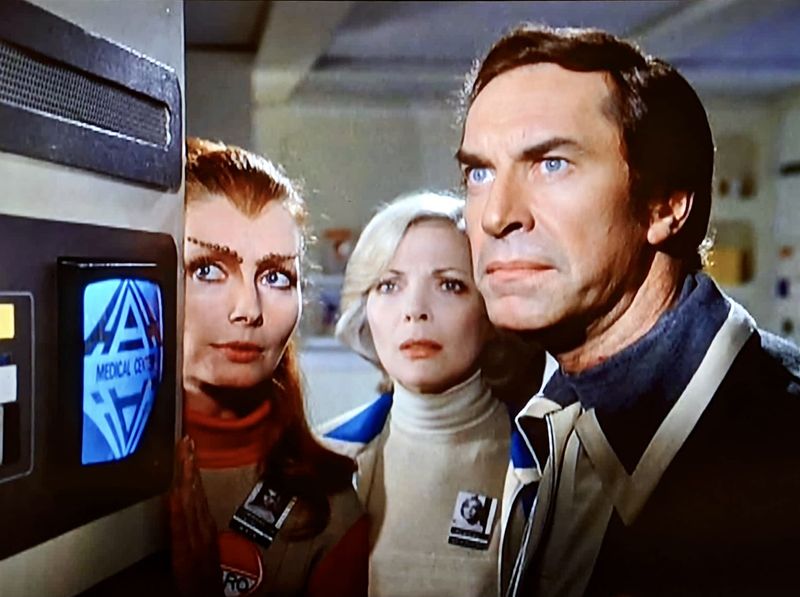
Sci-fi fans who think the era was dominated by only a few famous franchises are usually shocked by how ambitious this series can be.
The premise follows a moon base crew thrown into deep space, which creates an endless supply of eerie encounters and philosophical “what if” scenarios.
It’s moodier than many people expect, using quiet tension, strange worlds, and unsettling mysteries rather than constant action to keep you hooked.
The production design is part of the appeal, because it’s boldly retro while still feeling cohesive, like a future imagined with real conviction.
Some episodes are wonderfully weird, which is exactly why modern viewers who love cult sci-fi tend to fall hard once they discover it.
If you’re craving atmosphere-heavy science fiction that isn’t afraid to get strange, this is the forgotten ’70s ride that still feels adventurous.
Comments
Loading…