
 Hailey Watson
10 Marilyn Monroe Acting Performances That Proved She Was More Than a Pretty Face
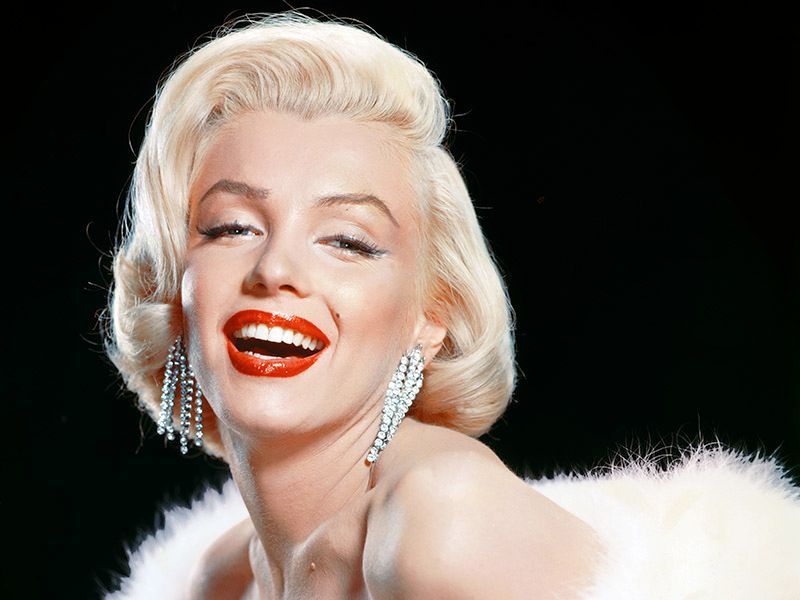
Few screen legends have been reduced to a single image as often as Marilyn Monroe, yet her best work was never just about glamour.
Across comedies, musicals, noir thrillers, and aching dramas, she used timing, physicality, and emotional honesty to make characters feel surprisingly real.
Her performances often carried a quiet tension between the persona the world wanted and the person she was trying to reveal underneath.
That push and pull is exactly why her filmography still feels alive, even for viewers who weren’t raised on classic Hollywood.
When she leans into comedy, she’s precise and fearless, and when she turns toward drama, she’s disarmingly vulnerable without ever begging for sympathy.
The roles below capture the full range of what she could do when the material met her at the right moment.
From iconic showstoppers to underrated scenes that linger, these performances explain why Monroe remains endlessly watchable.
1. Some Like It Hot (1959) — Sugar “Kane” Kowalczyk
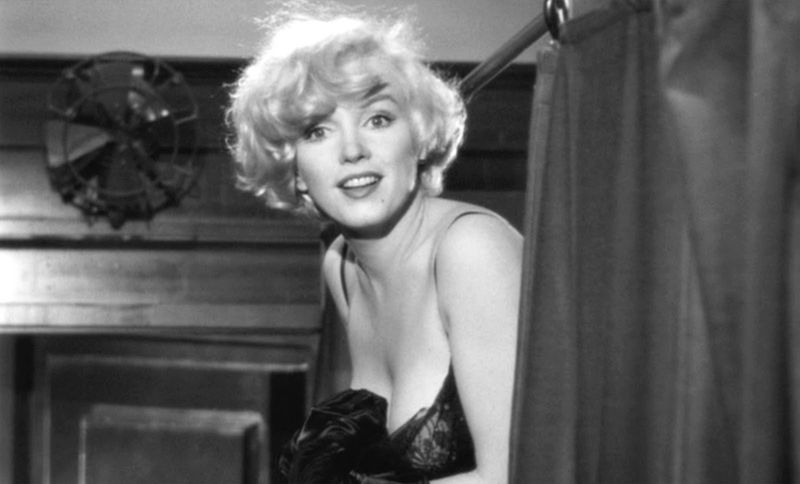
Billy Wilder’s whirlwind comedy gives her a character who feels both larger-than-life and heartbreakingly human.
As Sugar, she turns flirtation into an art form while quietly letting the audience see the loneliness behind the sparkle.
Her comic timing is razor-sharp, especially in scenes where she reacts with sincerity to ridiculous situations swirling around her.
The role also highlights her musical charisma, because every song feels like a confession disguised as entertainment.
She smartly plays Sugar’s vulnerability without making it helpless, so her choices seem emotional rather than naïve.
Even alongside powerhouse performances, she remains the emotional center, and the film works because you genuinely care what she wants.
2. The Seven Year Itch (1955) — The Girl
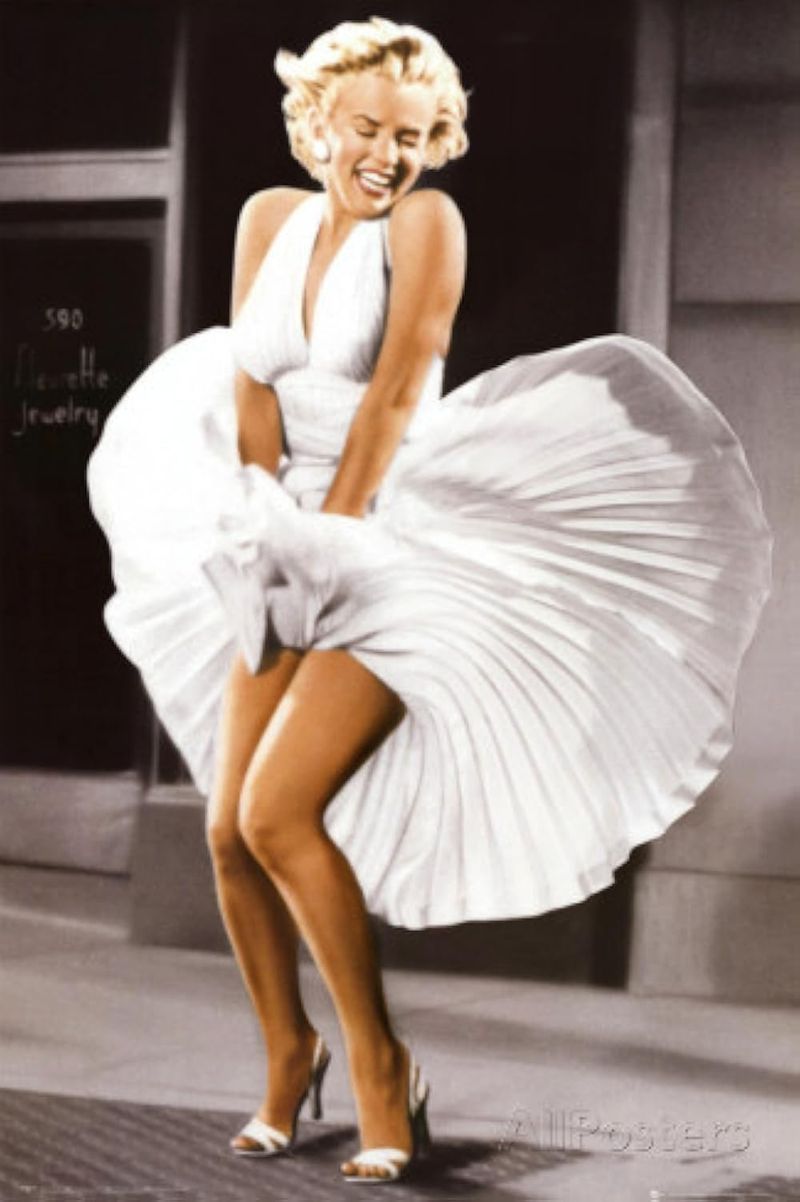
Long before the famous imagery became pop-culture shorthand, this performance showed how cleverly she could shape a scene.
She plays “The Girl” as warm, curious, and slightly mischievous, but never as a cartoon fantasy created for the male gaze.
The comedy lands because she commits to her character’s perspective, treating every awkward moment like a genuine social puzzle.
Her breathy delivery and physical grace are deliberate tools, used to suggest innocence and self-awareness at the same time.
Monroe also finds soft melancholy in the margins, hinting that the character knows she’s being projected onto by everyone around her.
By the end, what sticks is not just the iconic moment, but the gentle intelligence she brings to a deceptively simple role.
3. Gentlemen Prefer Blondes (1953) — Lorelei Lee
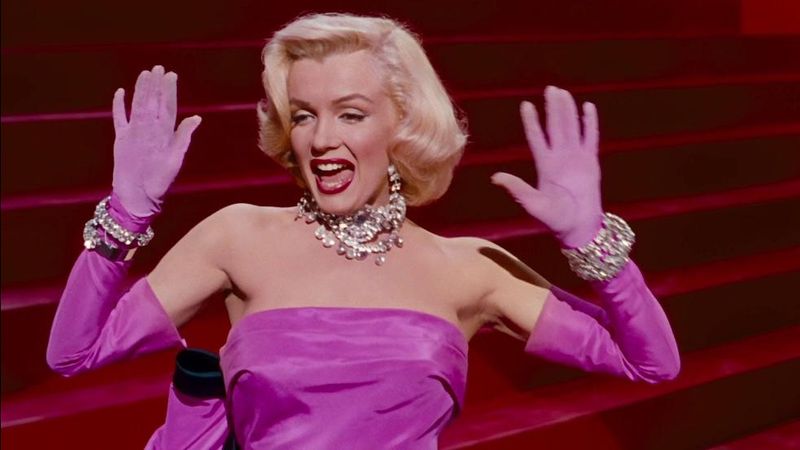
This bright musical comedy gives her a perfect stage to mix sweetness with strategy, and she takes full advantage.
Lorelei Lee could have been played as a one-note gold digger, but Monroe makes her shrewd, funny, and oddly principled.
Every wide-eyed smile feels like a decision, as if she’s choosing when to charm and when to hold her ground.
Her musical numbers are more than spectacle, because she uses rhythm and gesture to underline Lorelei’s confidence and control.
She also shares the spotlight generously, creating a lively chemistry that makes the friendship at the story’s core feel genuine.
When the jokes land and the songs soar, it’s because Monroe never treats Lorelei as a joke, even when the script flirts with it.
4. How to Marry a Millionaire (1953) — Polly Parish
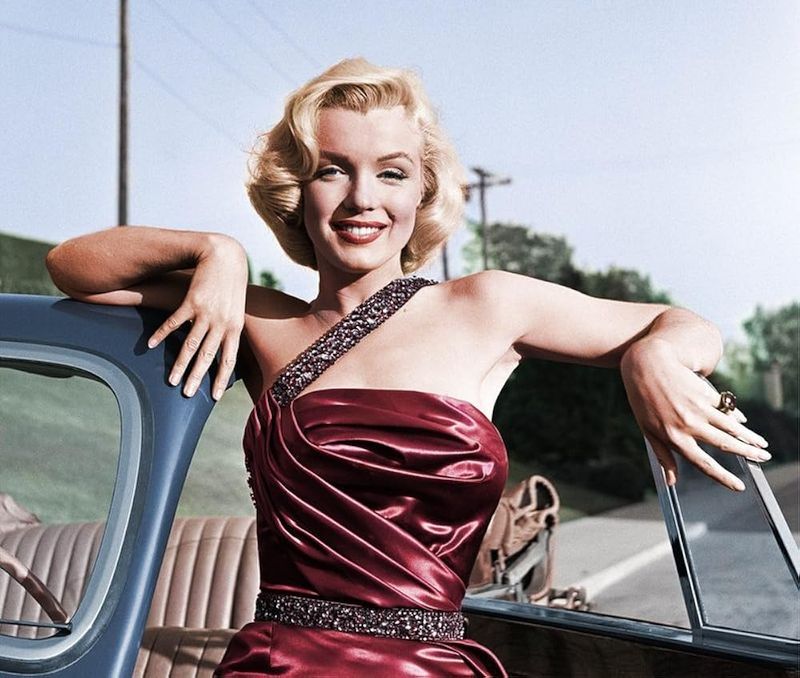
In a trio built on contrast, she plays the most endearing chaos agent, and she still keeps the character grounded.
Polly Parish is clumsy, romantic, and perpetually overwhelmed, yet Monroe gives her a sweet steadiness that keeps the comedy believable.
Her physical humor is especially strong here, because she uses posture and facial reactions to sell every escalating misunderstanding.
The famous “I can’t see” beats work because she treats the problem as real, not as a setup for gags.
She also balances vulnerability with self-respect, so Polly’s longing for love doesn’t feel desperate or performative.
By making Polly sincerely hopeful rather than foolish, Monroe turns a glossy premise into something you can actually root for.
5. Niagara (1953) — Rose Loomis
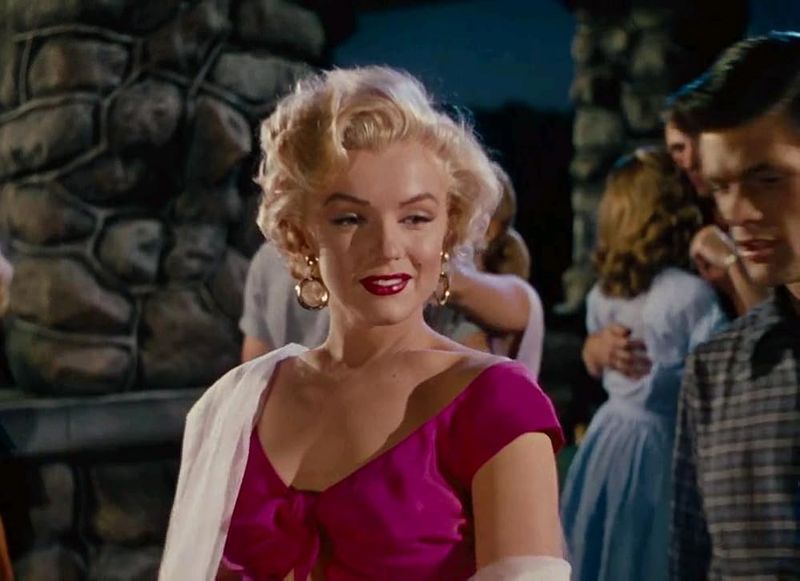
A shift into noir territory reveals a sharper edge, and the camera follows her like she’s both danger and prophecy.
As Rose Loomis, she uses controlled stillness and a measured voice to project calculation, not just seduction.
The performance thrives on tension, because she suggests a private agenda even in moments that appear casual or affectionate.
Her presence becomes the film’s engine, with every glance implying that someone else is about to make a terrible choice.
Monroe’s work here matters because it proves she could hold the screen in a darker register without leaning on comedy or musical charm.
When the story turns grim, her portrayal makes the threat feel personal, as if the character’s desperation has finally hardened into fate.
6. Bus Stop (1956) — Cherie
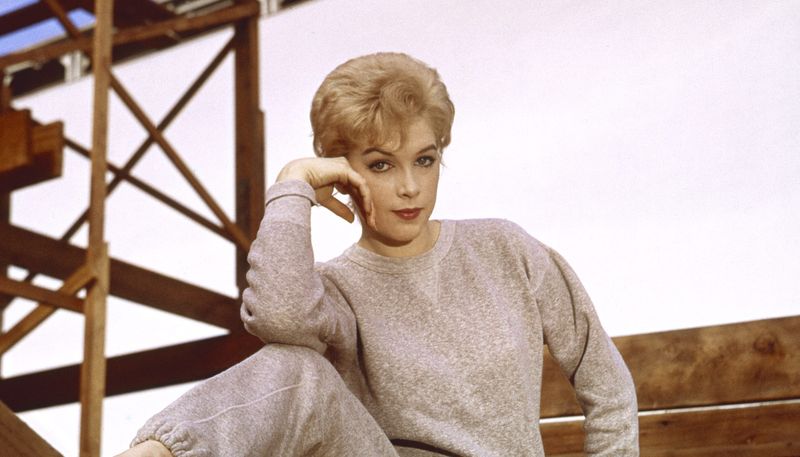
A more raw, character-driven film lets her step away from the polished icon and show the seams underneath.
Cherie is a nightclub singer who’s tired of being treated like a prize, and Monroe plays that exhaustion with startling clarity.
Her emotional shifts feel earned, moving from defensive humor to fear to pride without ever snapping into melodrama.
The performance is especially strong in quieter scenes, where her eyes and breath do more than dialogue to communicate discomfort.
She also captures Cherie’s ambition, suggesting a woman who wants respect as much as romance, even when she doubts she’ll get it.
By the end, the character’s resilience feels real, and Monroe’s work makes the story less about being chosen and more about choosing herself.
7. The Misfits (1961) — Roslyn Tabor
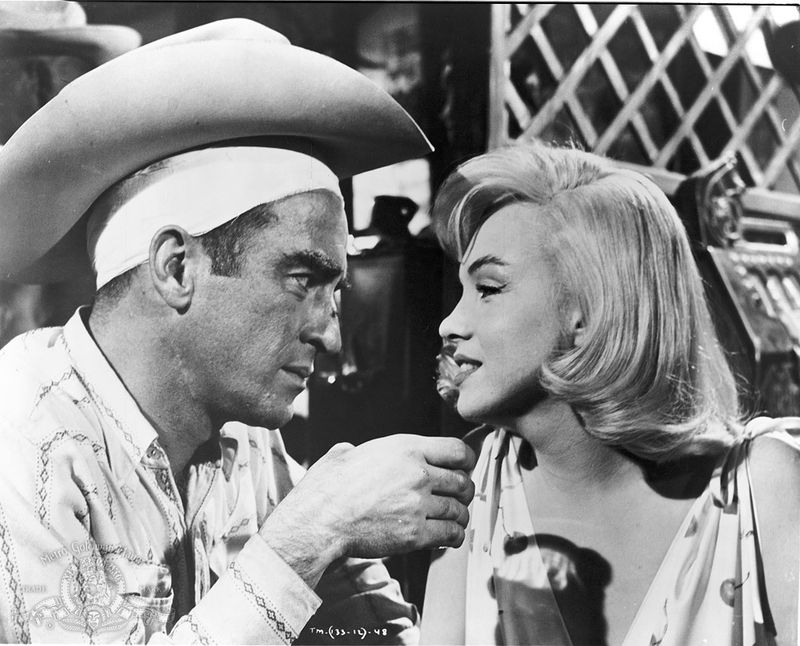
Late-career Monroe brings a bruised tenderness to a film that feels like it’s watching its characters unravel in real time.
Roslyn Tabor is compassionate but overwhelmed, and she carries grief in a way that never turns sentimental.
Her delivery is quieter than many earlier roles, and that restraint makes every emotional surge feel more powerful.
She creates a believable inner conflict between wanting connection and fearing the cost of being truly seen.
Scenes with the men crackle because she doesn’t simply react, but challenges them with moral clarity and aching empathy.
Knowing it was her final completed film adds weight, yet the performance stands on its own as an honest portrait of someone fighting to stay gentle in a harsh world.
8. Don’t Bother to Knock (1952) — Nelly
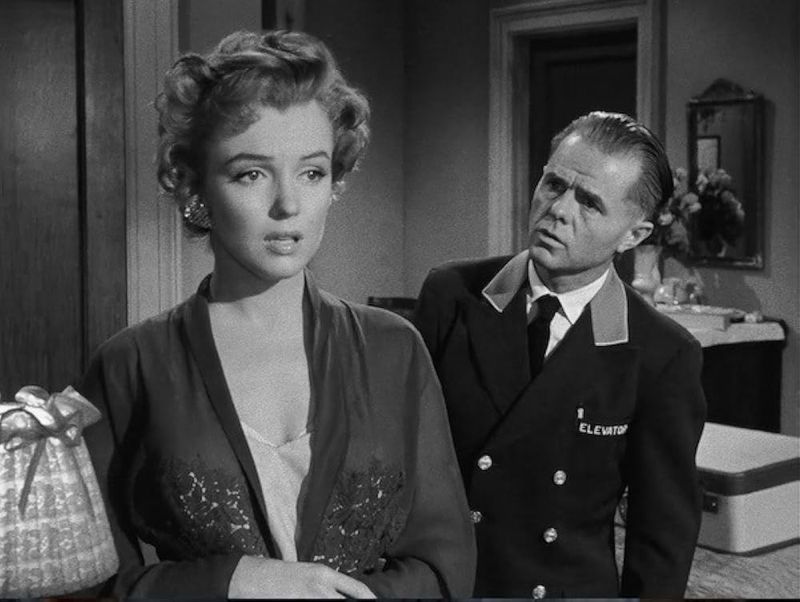
An early dramatic turn shows that she could take real risks long before audiences were ready to stop labeling her.
Nelly is fragile, unpredictable, and deeply wounded, and Monroe approaches her with empathy rather than sensationalism.
The tension builds because she lets instability creep in gradually, so the character feels like a person, not a plot device.
Her voice work and facial expressions shift subtly, signaling fear and confusion even when the dialogue seems calm.
In a role that could have become exploitative, she chooses humanity, inviting the viewer to feel unsettled and protective at the same time.
This performance matters because it foreshadows the dramatic potential she would later prove more fully, even if Hollywood rarely gave her enough chances to do so.
9. There’s No Business Like Show Business (1954) — Vicki Lane
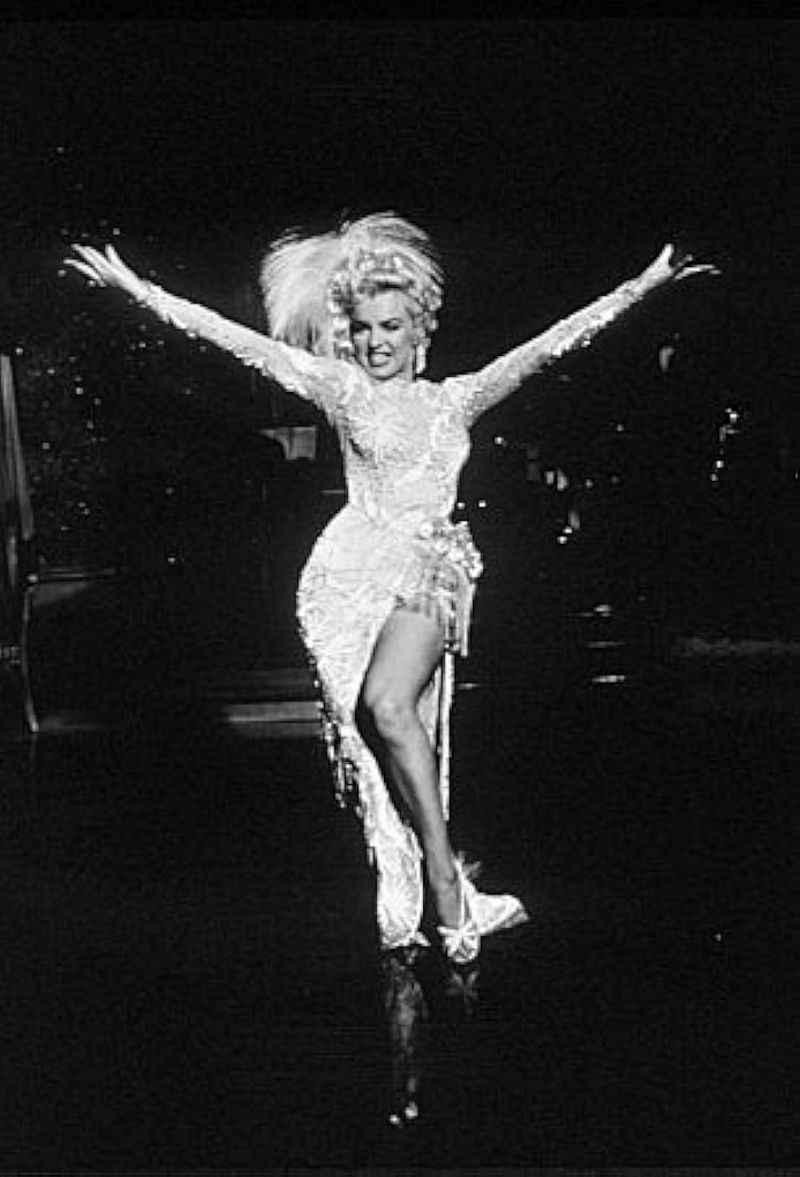
A big, bustling musical can swallow performers whole, but she finds a way to stand out without forcing it.
Vicki Parker is playful and flirtatious, yet Monroe gives her a warmth that makes the character feel like more than decorative sparkle.
Her musical moments are confident, and she uses her body language like choreography even outside the songs.
She also understands the movie’s showbiz energy, leaning into its heightened tone while keeping her reactions emotionally believable.
The best scenes work because she suggests that Vicki enjoys attention but also knows how quickly it can turn fickle.
In a film packed with spectacle, her performance remains memorable because it feels like a person stepping into the spotlight, not just a star posed inside it.
10. Let’s Make It Legal (1951) — Joan Whelan
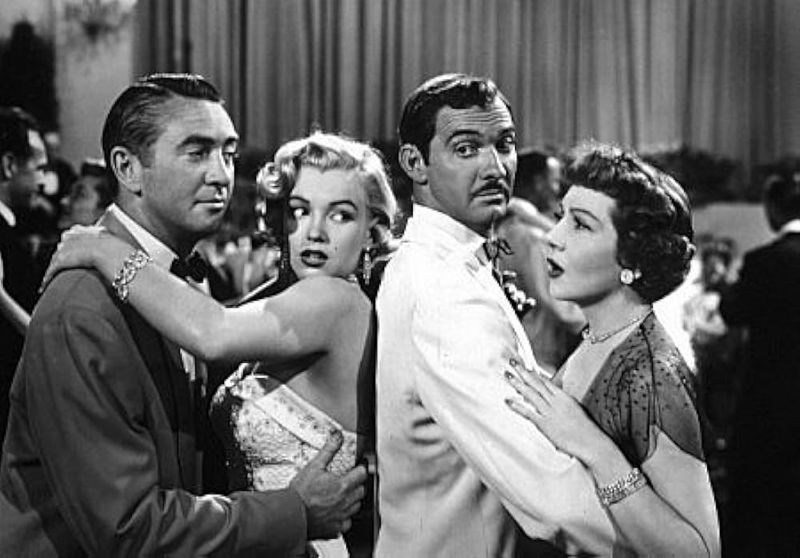
Before the world fully settled on her “Marilyn” image, this role hints at how naturally she could command a romantic comedy.
Peggy Martin is lighthearted and charming, and Monroe uses that simplicity to show off her ease with dialogue and timing.
She makes flirtation feel conversational rather than calculated, which gives the character a breezy, approachable appeal.
Even in a supporting capacity, she draws focus by reacting intelligently, as if she’s always listening for what people mean instead of what they say.
The performance also demonstrates her instinct for screen presence, because small gestures land like punchlines without turning broad.
It’s an early showcase of the qualities that later became famous, and it’s especially satisfying to watch her build a scene from the inside out rather than relying on spectacle.
Comments
Loading…