
 Jade Reed
Hollywood Wouldn’t Be the Same Without These 10 Women
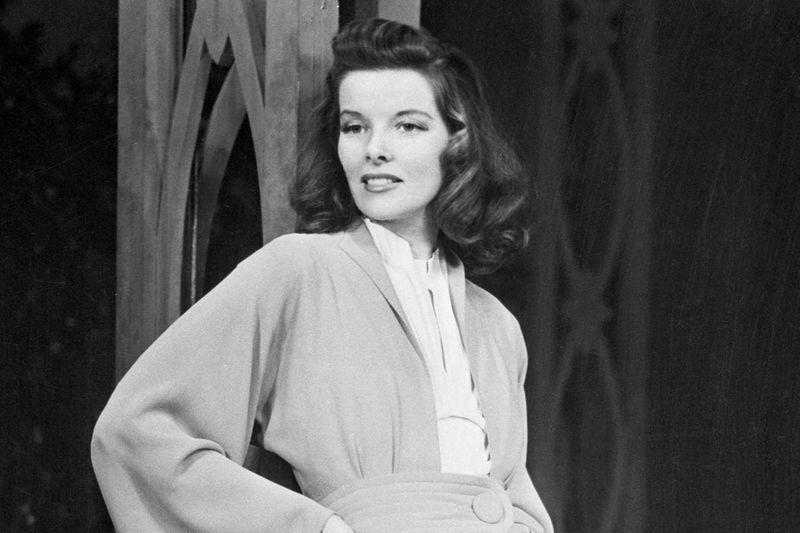
Hollywood has always been a place of dreams, but it took some truly remarkable women to turn those dreams into reality for everyone.
These trailblazers didn’t just star in movies—they changed the rules, broke barriers, and opened doors that had been firmly shut.
From the silent film era to today, their courage and creativity have shaped the industry we know and love.
1. Mary Pickford
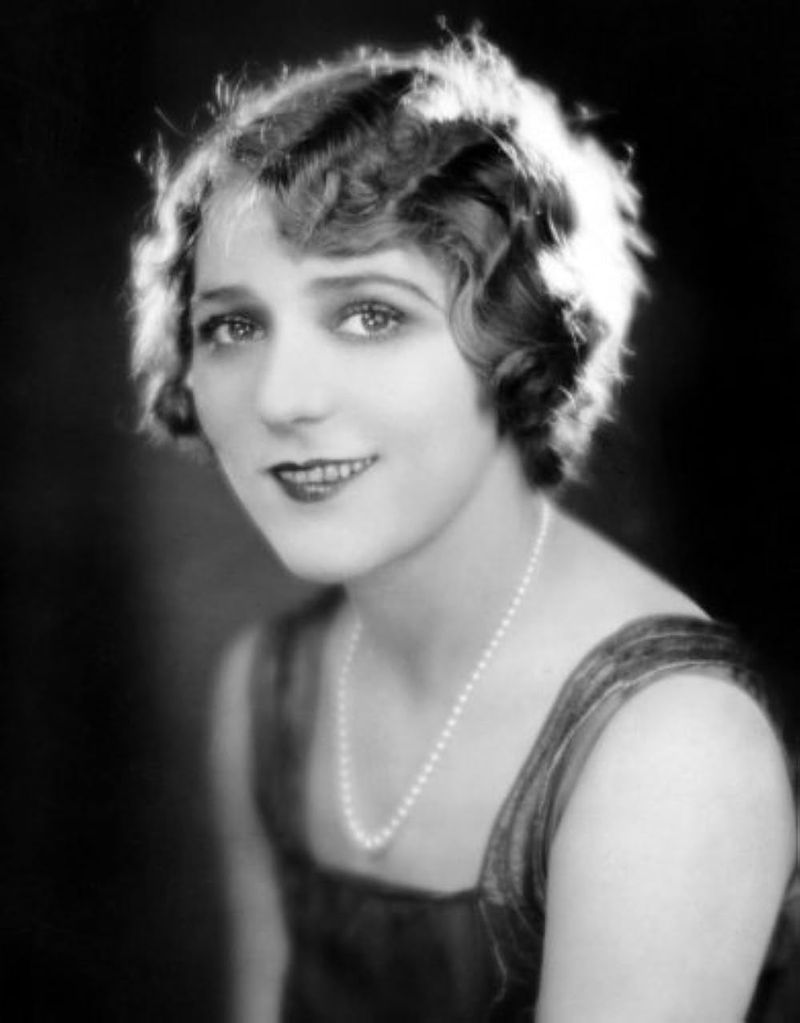
Long before actors had any say in their careers, Mary Pickford took control.
She became one of the biggest stars of silent films, loved by audiences worldwide for her charm and talent.
But she wanted more than just fame—she wanted power over her own work.
In 1919, Pickford co-founded United Artists with Charlie Chaplin, Douglas Fairbanks, and D.W. Griffith.
This bold move gave artists control over their films instead of letting studios make all the decisions.
She proved that actors could be smart businesspeople too, paving the way for future stars to negotiate better deals and own their creative work.
2. Barbra Streisand
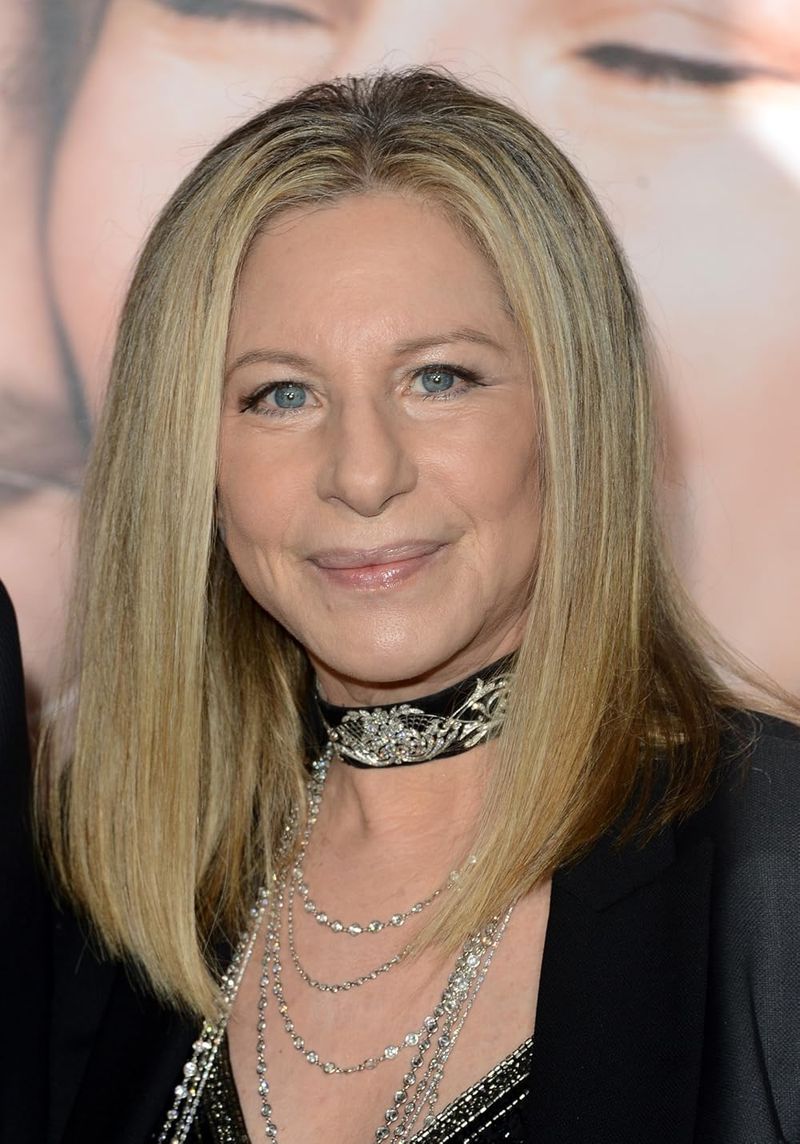
Barbra Streisand conquered singing and acting, but she refused to stop there.
She wanted to tell stories her own way, so she became a director and producer.
In 1983, she directed “Yentl,” making her the first woman to write, produce, direct, and star in a major studio film.
Critics doubted whether audiences would accept a woman in such complete creative control, but Streisand proved them wrong.
She went on to direct “The Prince of Tides” and “The Mirror Has Two Faces,” showing that women could handle big-budget productions.
Her success demonstrated that female filmmakers deserved the same opportunities and respect as their male counterparts.
3. Dorothy Arzner
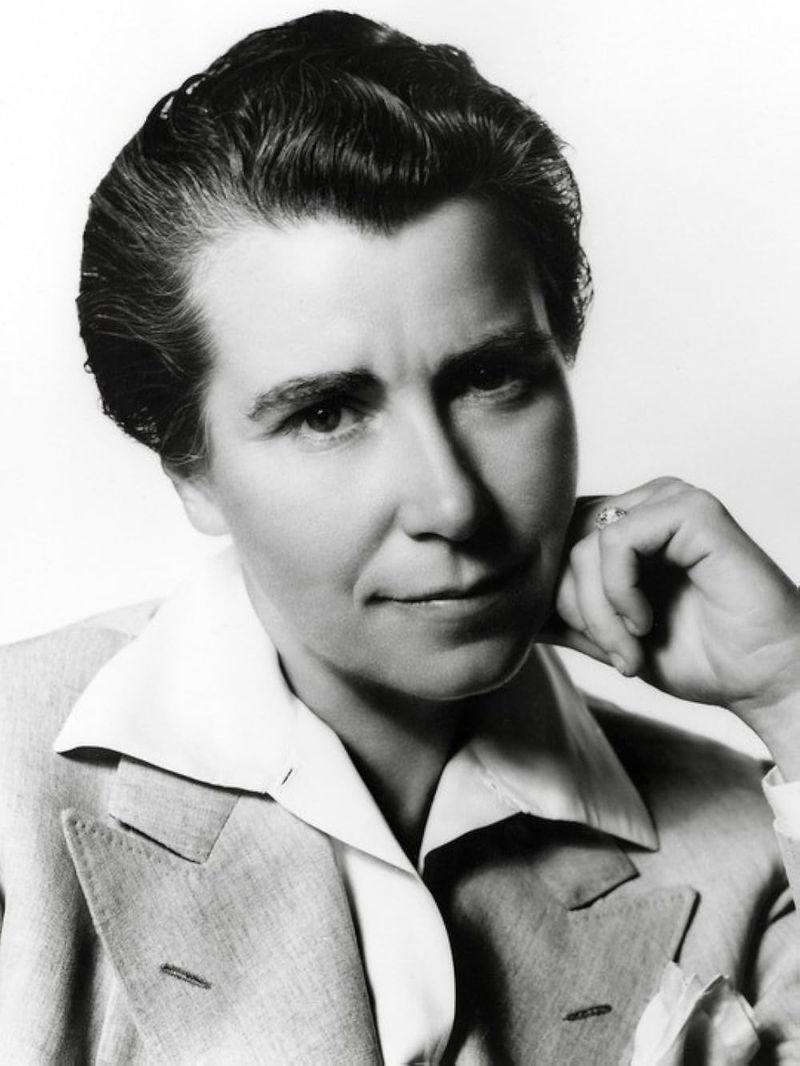
While most women in early Hollywood were expected to stay in front of the camera, Dorothy Arzner had different plans.
Starting as a script typist, she worked her way up to become one of the only female directors in Hollywood during the 1920s through 1940s.
Her determination was legendary.
Arzner directed over a dozen films and is credited with inventing the boom microphone, a tool that revolutionized how movies captured sound.
She created opportunities for actresses to play complex, independent characters at a time when women’s roles were often limited.
Her legacy reminds us that innovation comes from unexpected places.
4. Sherry Lansing
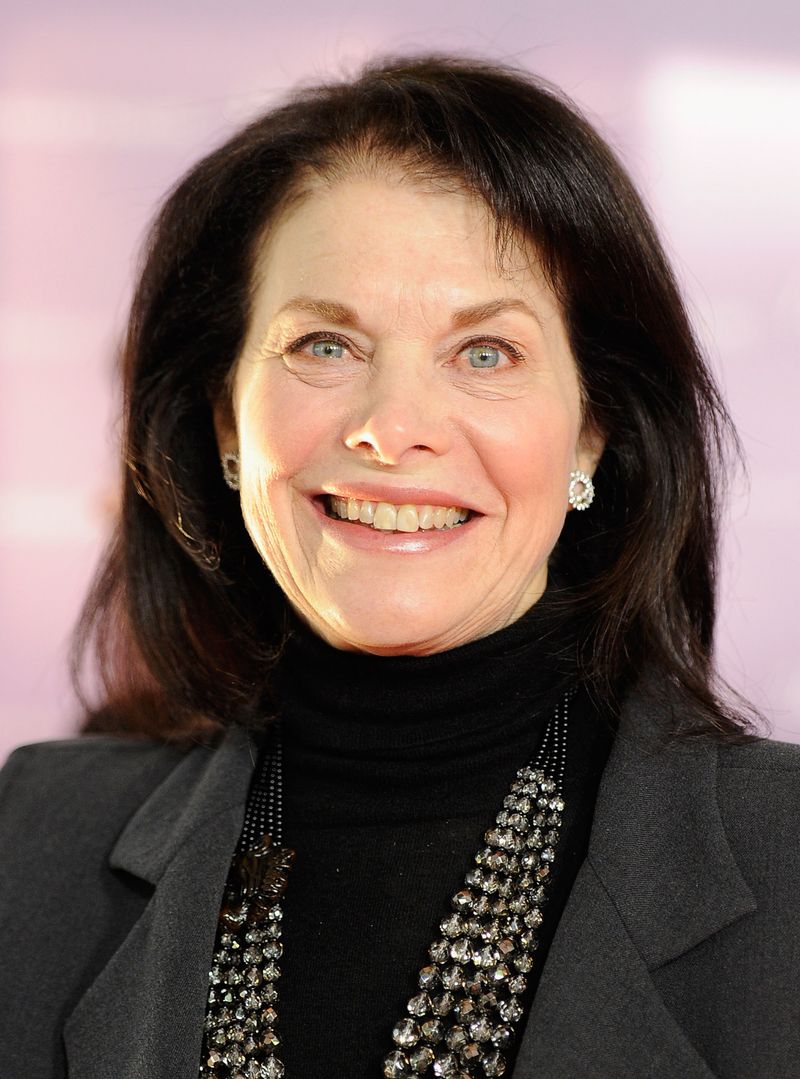
In 1980, Sherry Lansing became the first woman to head a major Hollywood studio when she was named president of 20th Century Fox.
This was a groundbreaking moment in an industry dominated by men.
She didn’t just hold the title—she delivered results.
Lansing oversaw the production of massive hits like “Titanic,” “Forrest Gump,” and “Braveheart.”
She championed diverse stories and supported both established filmmakers and newcomers.
Her leadership style emphasized collaboration and creativity, proving that women could succeed in the highest executive positions.
She opened doors for countless other women seeking leadership roles in entertainment, changing the face of Hollywood forever.
5. Hattie McDaniel
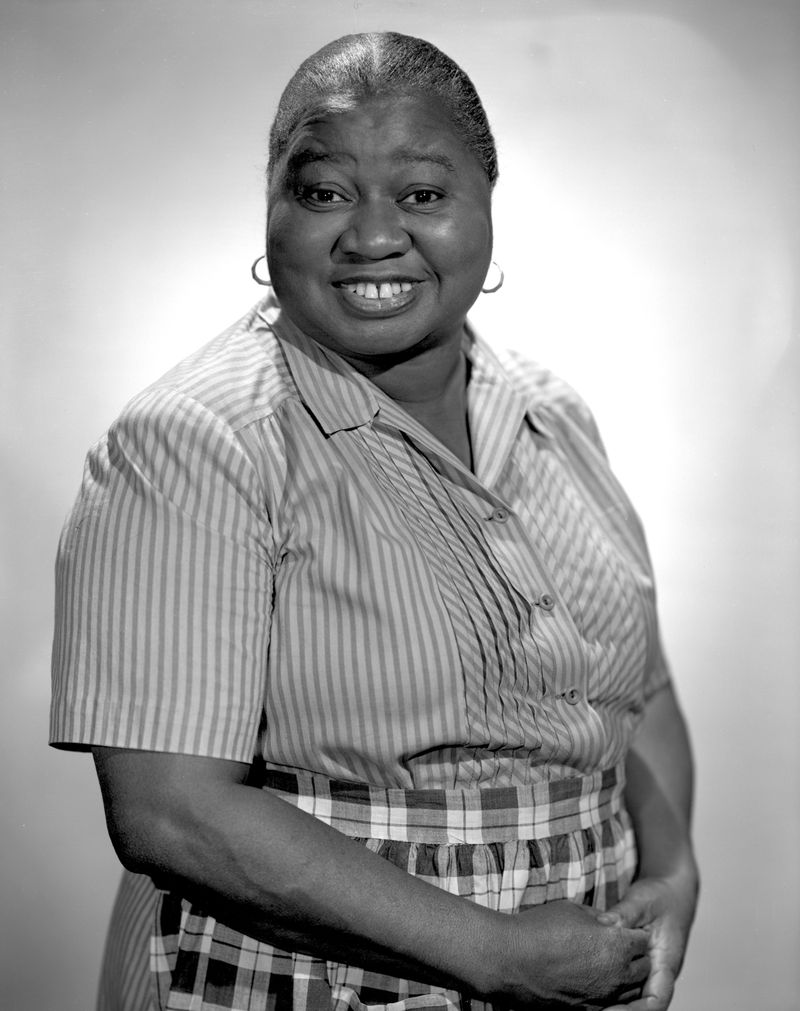
When Hattie McDaniel won the Oscar for Best Supporting Actress in 1940 for her role in “Gone with the Wind,” she made history.
She became the first African American ever to win an Academy Award, a monumental achievement in a deeply segregated America.
McDaniel faced enormous challenges throughout her career, often limited to stereotypical roles because of racism in Hollywood.
Yet she brought dignity and depth to every performance, refusing to let prejudice define her talent.
At the Oscar ceremony, she wasn’t even allowed to sit with her white colleagues due to segregation rules, but her grace and excellence spoke louder than any barrier.
6. Kathryn Bigelow
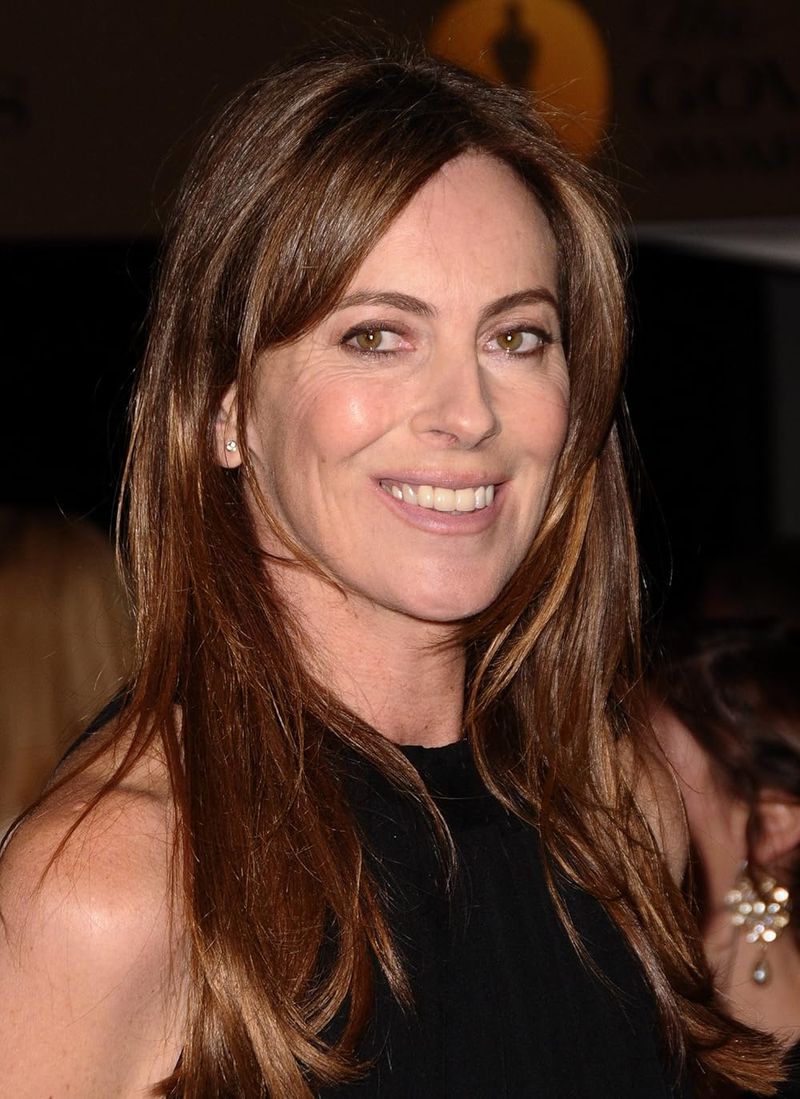
For 82 years, the Academy Award for Best Director went only to men.
Then Kathryn Bigelow won for “The Hurt Locker” in 2010, becoming the first woman ever to receive this honor.
Her victory wasn’t just symbolic—it was earned through exceptional filmmaking.
Bigelow specializes in intense, action-packed films that critics once claimed women couldn’t direct.
She proved that talent has no gender by creating gripping stories about war, terrorism, and human conflict.
Her success challenged Hollywood’s assumptions about what kinds of movies women could make.
She paved the way for female directors to be taken seriously in every genre, not just romantic comedies or dramas.
7. Ida Lupino
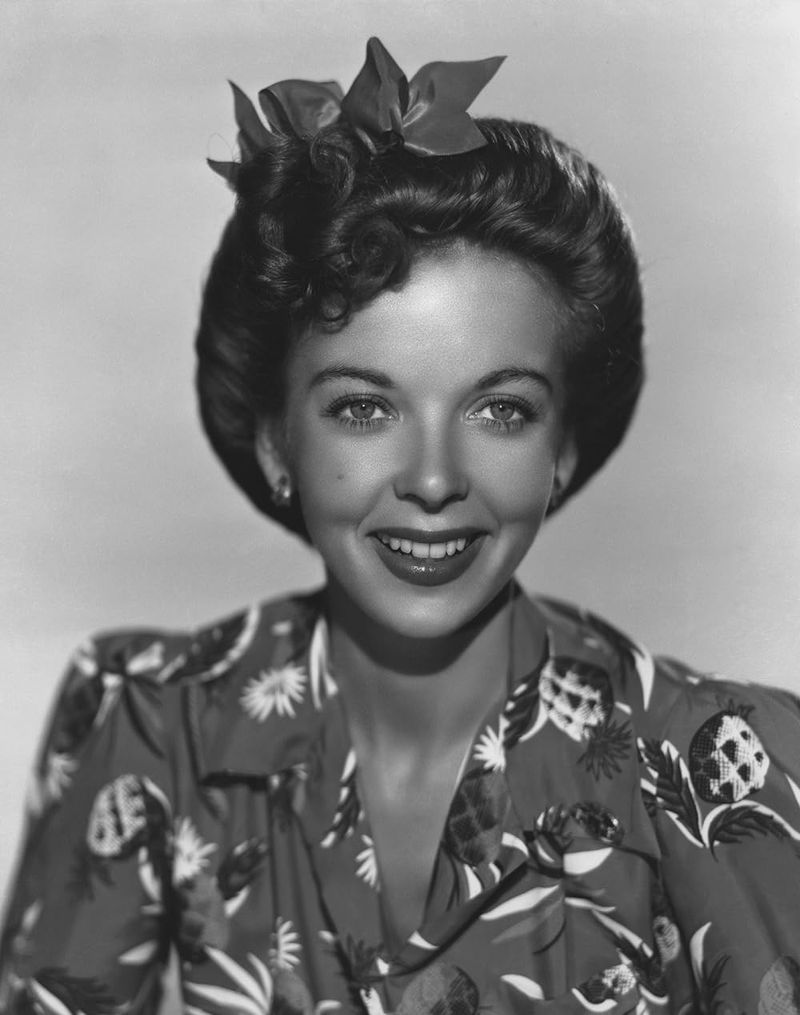
Most people knew Ida Lupino as a talented actress, but she had bigger ambitions.
In the 1950s, when female directors were almost nonexistent, Lupino stepped behind the camera.
She tackled subjects other filmmakers avoided—unwed mothers, rape, disabilities, and domestic abuse.
Her films were raw, honest, and ahead of their time.
Lupino didn’t shy away from controversy because she believed stories needed to be told, even uncomfortable ones.
She directed episodes of popular TV shows like “The Twilight Zone” and “The Fugitive,” proving women could handle any genre.
Her courage to address difficult topics opened doors for socially conscious filmmaking.
8. Ava DuVernay
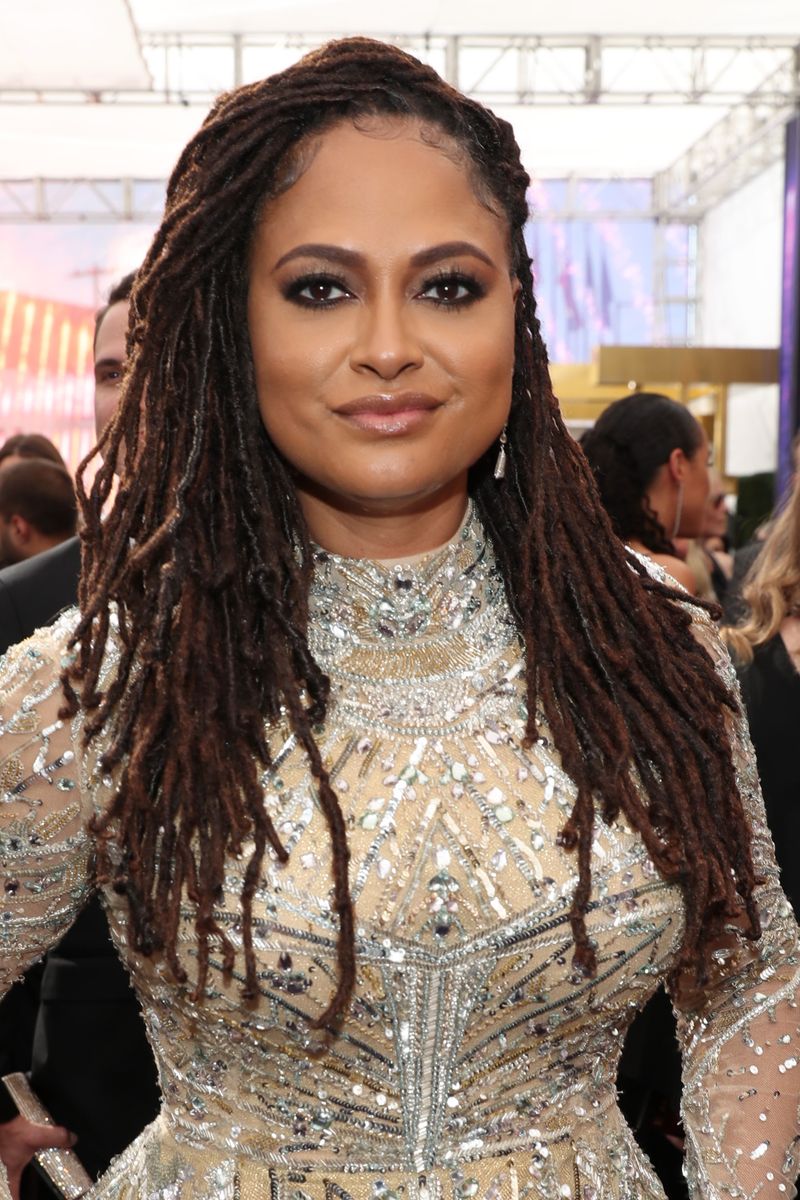
Ava DuVernay didn’t wait for Hollywood to give her permission—she created her own path.
Starting as a publicist and independent filmmaker, she gained recognition with powerful films like “Selma” and the documentary “13th.”
Her work focuses on social justice, racial equality, and stories that matter.
In 2018, she became the first Black woman to direct a film with a budget over $100 million when she made “A Wrinkle in Time” for Disney.
DuVernay also founded ARAY, a distribution company dedicated to films by people of color and women.
She’s not just making movies—she’s building a more inclusive industry for future generations.
9. Katharine Hepburn
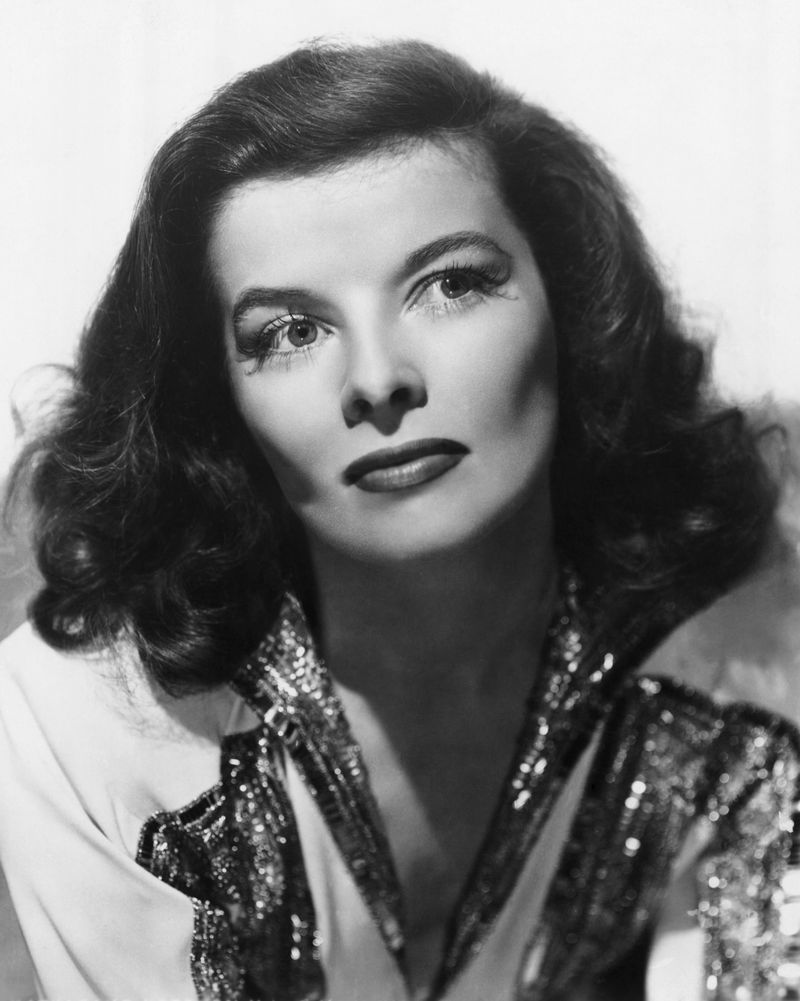
Katharine Hepburn didn’t just act—she redefined what it meant to be a leading lady.
With a record four Best Actress Oscars, she proved that talent and determination could outlast any trend.
She wore pants when Hollywood expected dresses, spoke her mind when women were told to stay quiet, and chose roles that showcased intelligence and strength.
Her fierce independence extended beyond her wardrobe.
Hepburn negotiated her own contracts, demanded script approval, and refused to conform to studio expectations.
She showed generations of actresses that they could be successful without sacrificing their authenticity or values.
10. Lena Horne
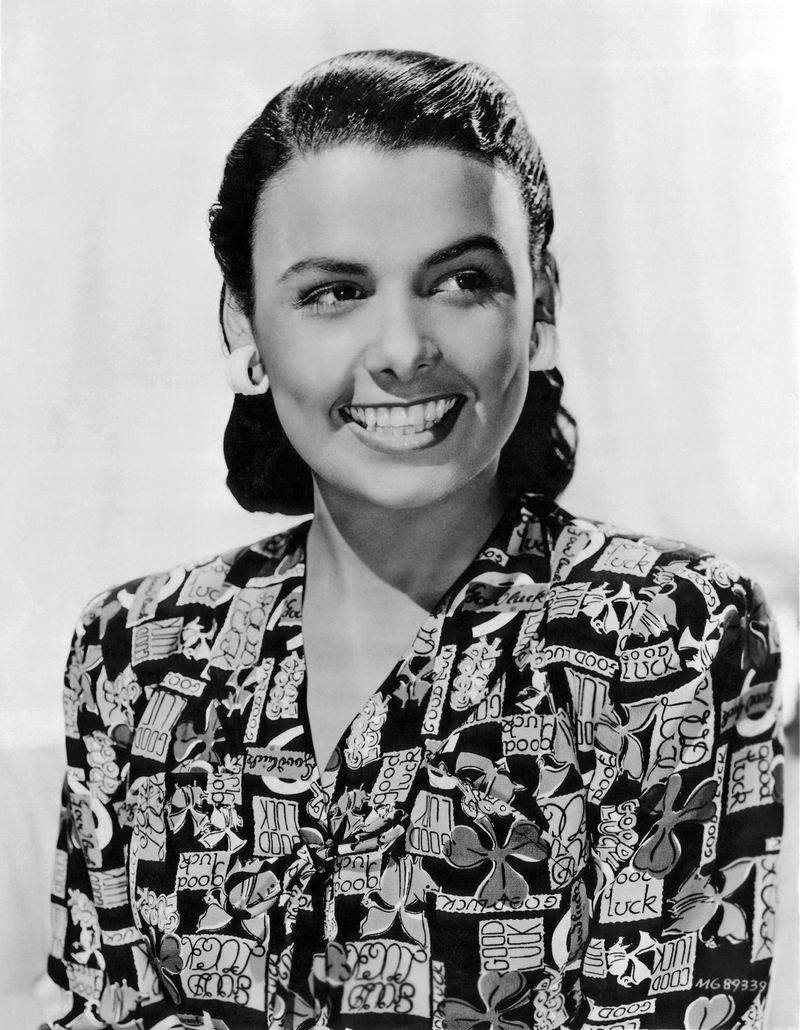
Lena Horne possessed a voice that could stop you in your tracks, but her true power came from refusing to accept less than she deserved.
In 1942, she became one of the first Black performers to sign a long-term contract with MGM, a major studio.
However, she fought constantly against being cast in degrading, stereotypical roles.
Horne often had her scenes filmed separately so they could be cut from movies shown in the segregated South.
Despite this injustice, she never stopped pushing for dignity and better representation.
Her activism and artistry inspired future generations to demand fair treatment both on screen and off.
Comments
Loading…