
 Chloe Peterson
13 Oscar-Winning Movies That Look Worse Year After Year
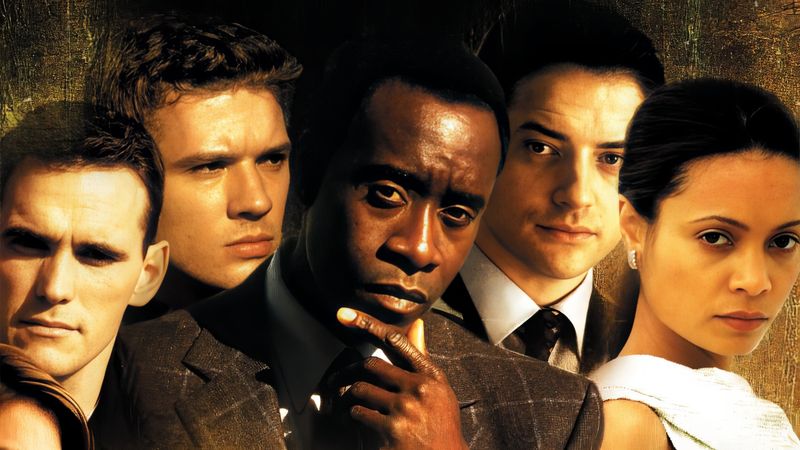
Some movies win Oscars and remain beloved for decades, while others start to show their age almost immediately.
Time has a funny way of exposing flaws that once seemed forgivable or even invisible.
From early talkies with stiff acting to recent winners criticized for oversimplifying complex issues, these 13 Oscar-winning films have struggled to maintain their reputations as the years roll by.
1. Cimarron (1931)
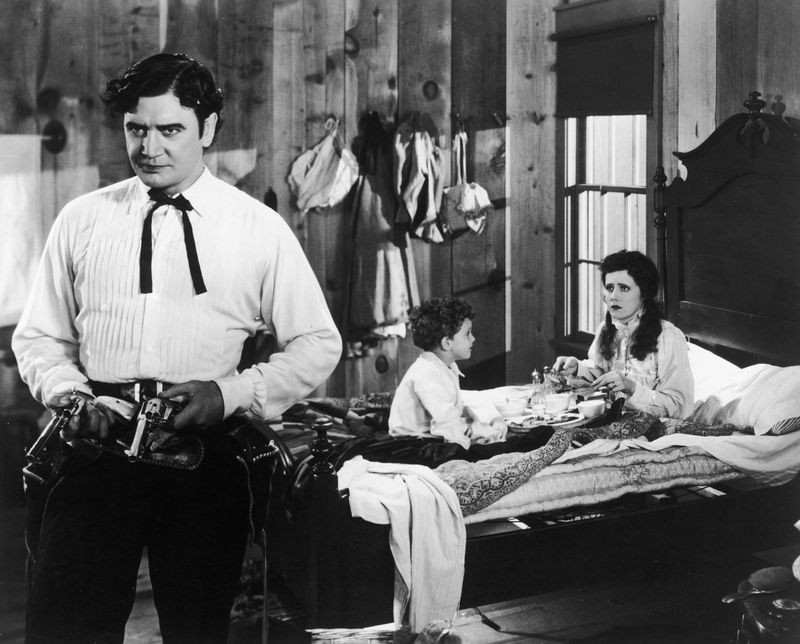
Back in 1931, this sprawling Western epic about Oklahoma settlers took home Best Picture, Best Adapted Screenplay, and Best Art Direction.
Based on Edna Ferber’s novel, it follows the Cravat family through decades of frontier life.
Modern viewers often find it bloated, slow-moving, and uncomfortably dated in its treatment of Native Americans and women.
The film’s three-hour runtime feels padded with unnecessary scenes and melodramatic speeches.
Its portrayal of indigenous people reflects harmful stereotypes common in early Hollywood.
Critics frequently cite Cimarron as one of the weakest Best Picture winners in Oscar history.
While technically ambitious for its time, the storytelling lacks focus and the themes feel stuck in an outdated worldview that makes contemporary audiences cringe.
2. Earthquake (1974)
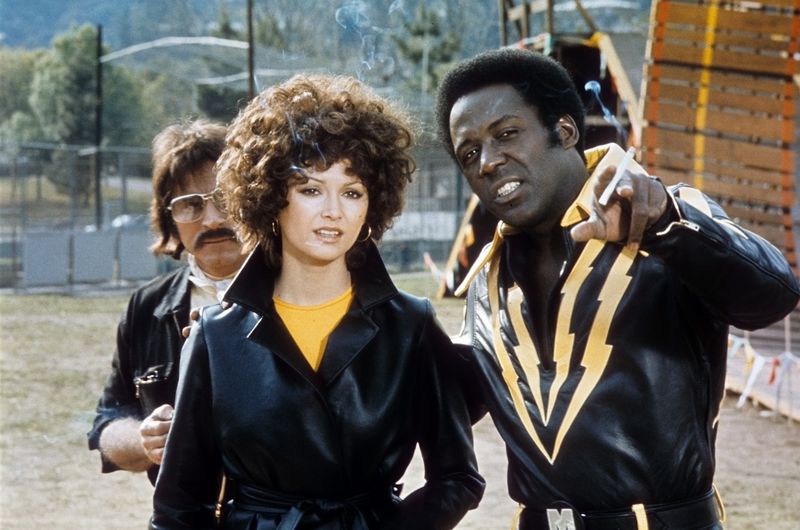
Winning Best Sound and a Special Achievement Award for Visual Effects, Earthquake was designed as a theatrical spectacle complete with “Sensurround” technology.
Charlton Heston led an ensemble cast through a disaster destroying Los Angeles.
What once thrilled audiences with cutting-edge effects now looks campy and dated.
The special effects that wowed 1970s moviegoers appear obvious and unconvincing by today’s standards.
Melodramatic subplots about affairs and family drama feel tacked on and silly.
The film’s disaster-movie excess—collapsing buildings, screaming crowds, over-the-top deaths—now provokes unintentional laughter rather than terror.
While nostalgic fans appreciate its cheese factor, the movie no longer works as the serious thriller it intended to be. Camp appeal has replaced genuine suspense.
3. The Broadway Melody (1929)
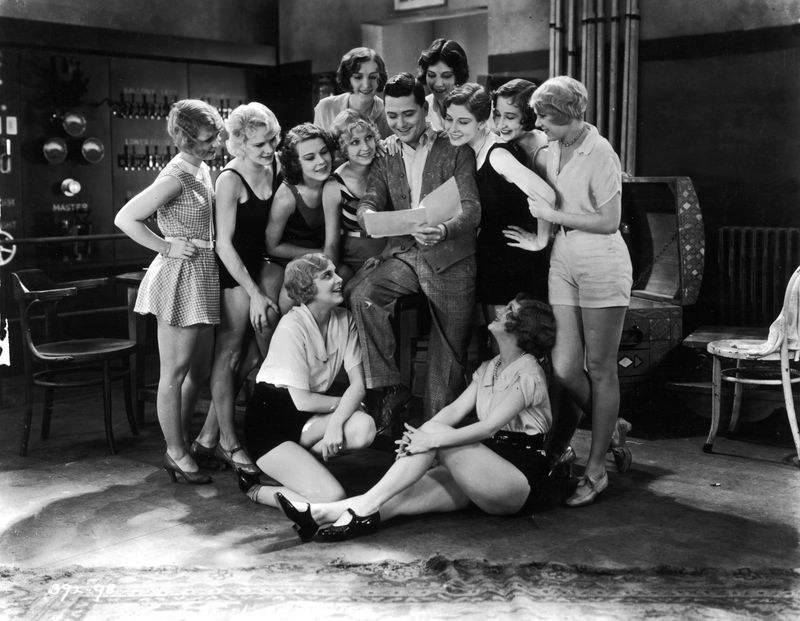
As one of the first musicals ever made, The Broadway Melody won Best Picture in the early days of sound cinema.
It tells the story of two sisters trying to make it big in New York show business.
Historical significance aside, the film has aged poorly in almost every measurable way.
The songs lack memorable melodies, and the musical numbers feel static and awkwardly staged by modern standards.
Plot developments are predictable, and the pacing drags between performances.
Acting styles from this era often appear stiff and overly theatrical to contemporary eyes.
While it deserves recognition as a pioneering talkie, few people voluntarily revisit this creaky relic.
Its technical innovations can’t overcome storytelling that feels painfully dated and dramatically inert compared to later musicals.
4. Crash (2004)
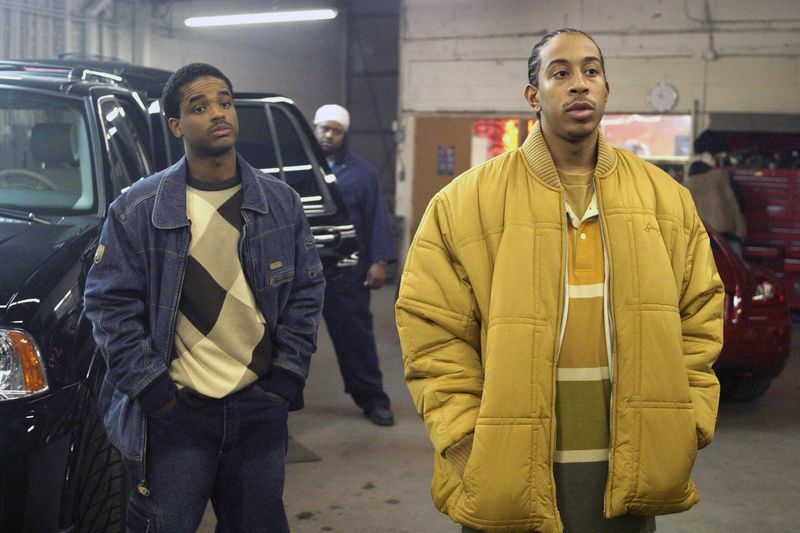
Winning Best Picture over critically acclaimed films like Brokeback Mountain remains one of the most controversial Oscar decisions in recent memory.
Paul Haggis’s ensemble drama attempted to explore racial tensions in Los Angeles through interconnected storylines.
What initially felt bold and important now strikes many viewers as preachy and superficial.
The film’s approach to racism relies heavily on coincidence and melodrama rather than nuanced character development.
Critics and audiences increasingly view it as a simplistic take on deeply complex social issues.
Its heavy-handed symbolism and obvious messaging have become more glaring with each passing year.
Compared to the subtlety and emotional depth of its competitors, Crash feels more like an afterschool special than a Best Picture winner.
5. Cavalcade (1933)
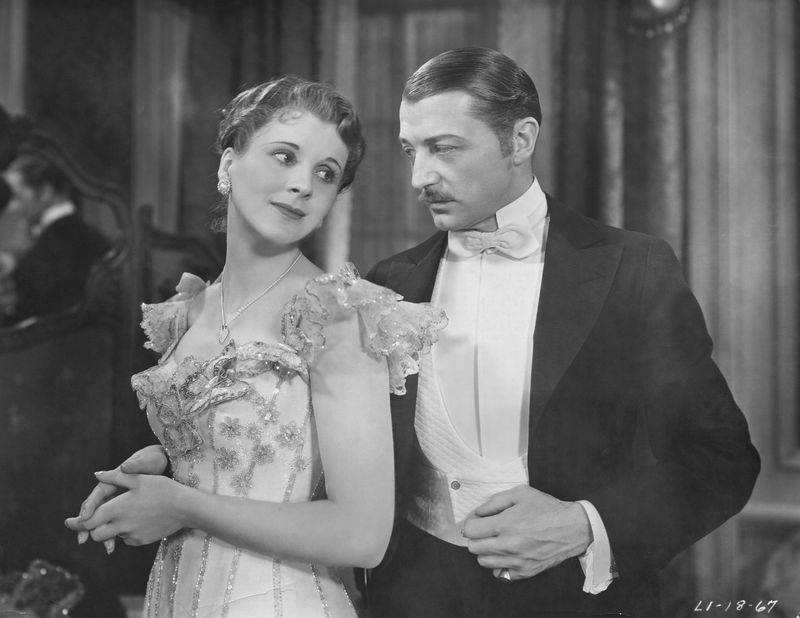
This British historical drama swept through the Oscars with wins for Best Picture, Best Director, and Best Art Direction.
Following an upper-class London family from New Year’s Eve 1899 through the early 1930s, it aimed for sweeping emotional scope.
Unfortunately, that scope now feels more like overstuffed melodrama than meaningful storytelling.
The film’s episodic structure jumps through historical events without developing characters deeply enough to make us care.
Acting styles rely on theatrical gestures and declamatory speeches that feel artificial today.
Its stiff-upper-lip British sentimentality hasn’t translated well across decades.
Modern audiences struggle to connect with its parade of tragedies and triumphs, which play more like a history lesson than compelling drama.
Time has not been kind to this once-celebrated winner.
6. The Nutty Professor (1996)
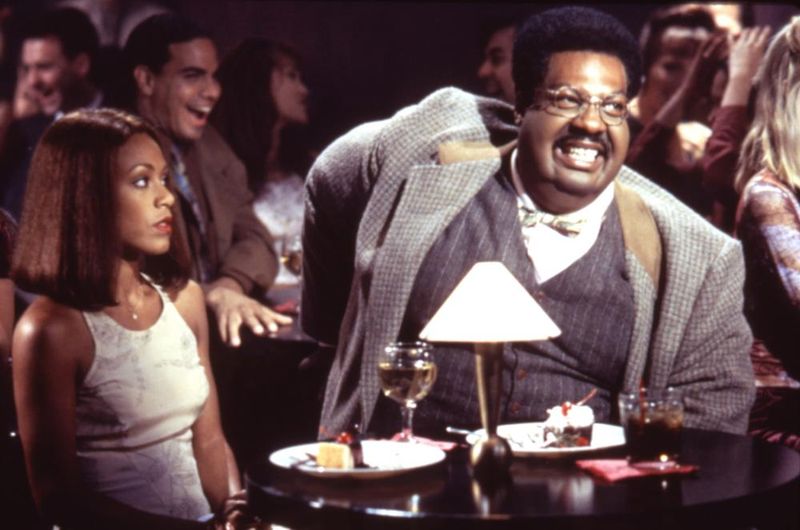
Eddie Murphy’s showcase won the Oscar for Best Makeup thanks to Rick Baker’s incredible prosthetics work.
Murphy played multiple members of the Klump family, demonstrating impressive range beneath layers of latex.
The technical achievement remains undeniable, but the comedy itself has aged awkwardly and uncomfortably.
Many jokes rely on crude humor about body size, bodily functions, and sexuality that feel mean-spirited by today’s standards.
What passed as edgy comedy in the mid-1990s now often comes across as offensive or simply dated.
The film’s tone wobbles between sweet romantic moments and jarring gross-out gags.
While Baker’s makeup work still impresses, the movie surrounding those effects has lost much of its appeal.
Cultural shifts have made its humor harder to enjoy without cringing.
7. Coquette (1929)
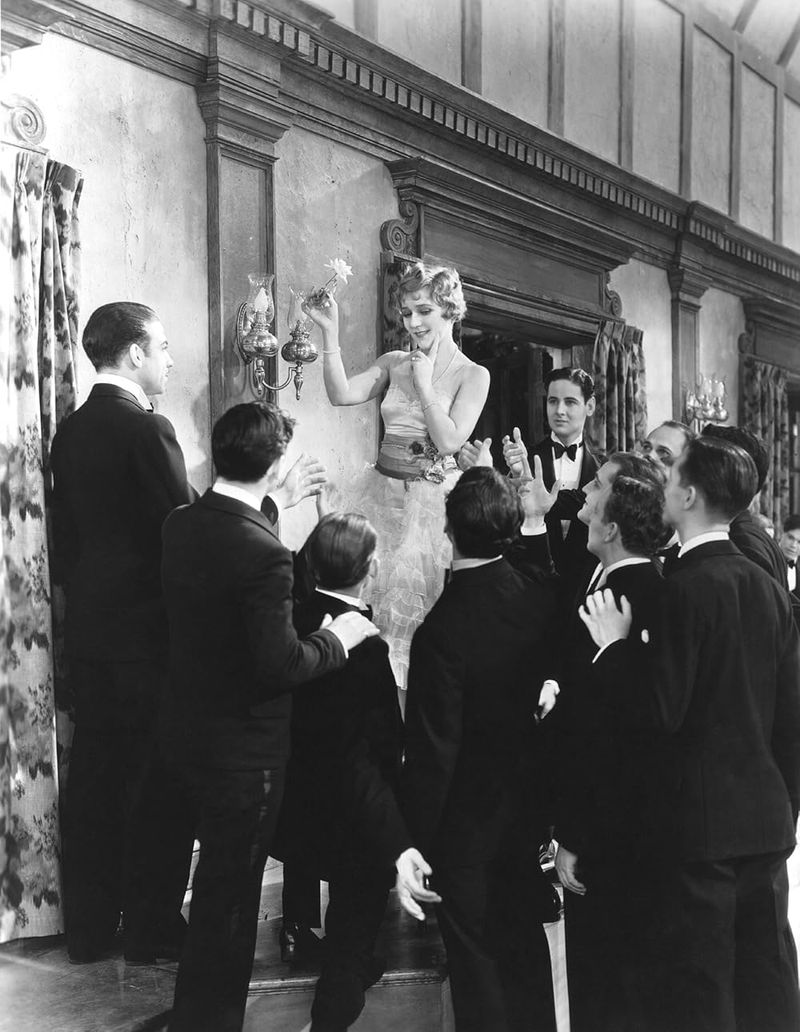
Mary Pickford won Best Actress for her performance in this early talkie melodrama about a Southern belle facing tragedy.
At the time, critics praised her emotional range and transition to sound films.
Watching it today reveals how drastically acting styles have evolved, making her performance feel exaggerated and artificial.
Pickford’s wide-eyed expressions and theatrical gestures were appropriate for silent films but feel over-the-top with synchronized sound.
The plot’s melodramatic twists—forbidden romance, family honor, courtroom drama—play like soap opera rather than serious cinema.
Stage-bound blocking and stiff line delivery further date the production.
While historically significant as Pickford’s talkie breakthrough, the film itself struggles to engage modern viewers accustomed to naturalistic performances.
What once seemed emotionally powerful now reads as hammy.
8. The Iron Lady (2011)
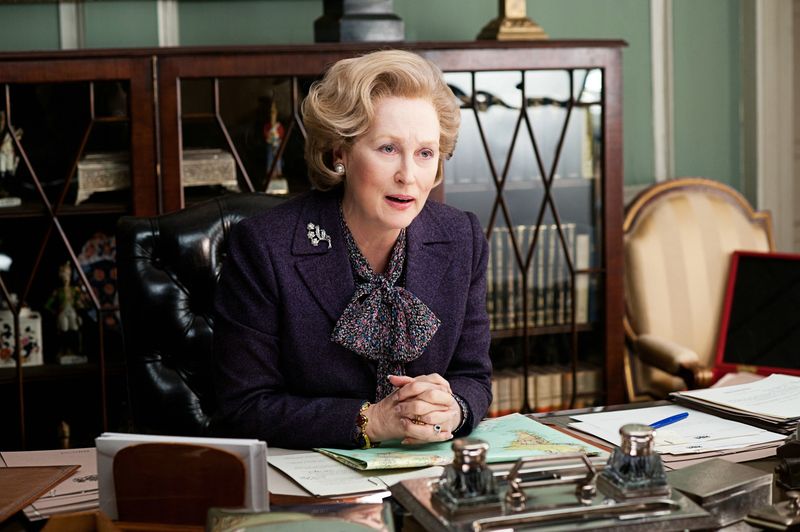
Meryl Streep delivered another transformative performance as Margaret Thatcher, earning her third Best Actress Oscar.
The makeup team also won for aging Streep convincingly across decades.
While Streep’s work remains impressive, the film surrounding her performance has been increasingly criticized as dramatically thin and politically toothless.
The movie uses a framing device of elderly Thatcher experiencing dementia, which many found exploitative and unfocused.
Rather than deeply exploring her controversial policies and impact, the script offers surface-level biographical moments.
Streep’s impeccable mimicry can’t compensate for shallow storytelling that avoids meaningful political engagement.
Critics argue the film wastes its talented lead on a lifeless script that neither celebrates nor seriously examines its subject.
It’s become an example of Oscar-bait that rewards performance over filmmaking quality.
9. One Night of Love (1934)
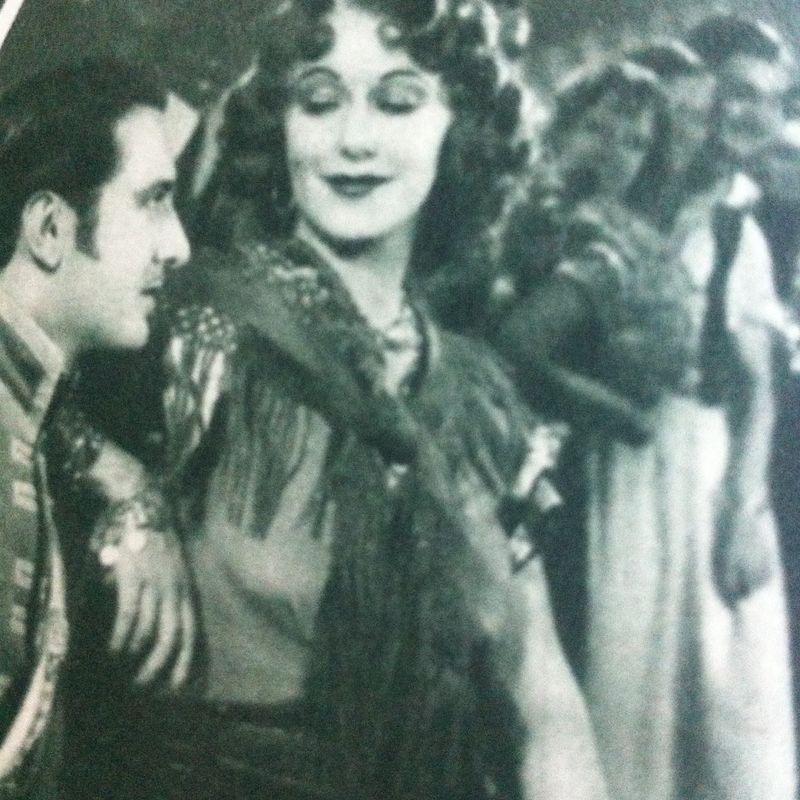
Grace Moore starred in this operetta romance that won Oscars for Best Music and Best Sound Recording.
The film showcased her soprano voice and told a Cinderella story about a singer rising to opera stardom.
Technical achievements in sound mixing impressed 1930s audiences, but the movie itself feels hopelessly quaint and distant today.
The operetta style—with characters breaking into arias and formal musical numbers—feels theatrical and artificial by contemporary standards.
The romance follows predictable beats without much chemistry or depth.
Cultural references and humor rooted in 1930s sensibilities don’t translate well across nine decades.
While Moore’s vocal talent remains evident, the creaky plot and old-fashioned presentation make this a tough sit.
Its technical innovations can’t overcome storytelling that feels like a museum piece.
10. Green Book (2018)
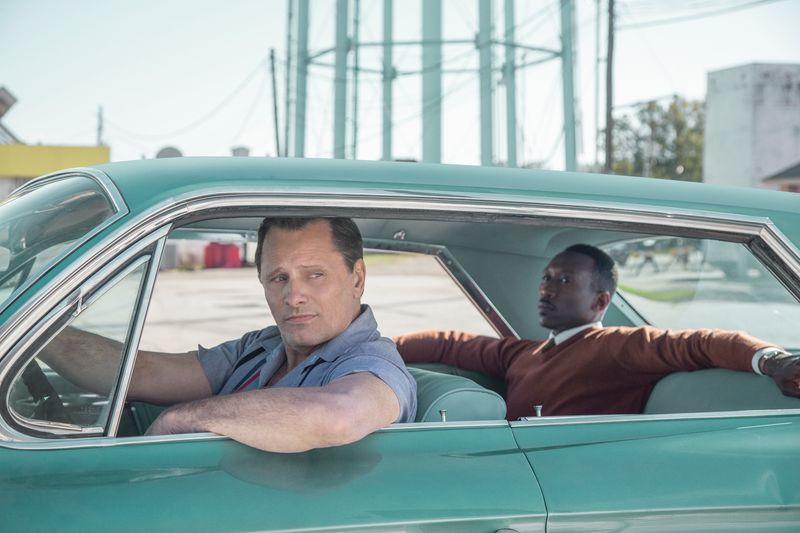
When this crowd-pleaser won Best Picture, it seemed like a feel-good story about an unlikely friendship across racial lines.
Viggo Mortensen played a working-class Italian-American driver hired by pianist Don Shirley, portrayed by Mahershala Ali.
The film’s charm offensive worked on Academy voters, but hindsight has been less kind.
Critics have pointed out that the movie relies on tired tropes, particularly the “white savior” narrative.
It simplifies the Civil Rights era into digestible, comfortable lessons rather than confronting uncomfortable truths.
The family of the real Don Shirley publicly disputed the film’s portrayal of events and relationships.
What once seemed heartwarming now feels like a sanitized, overly simplistic treatment of serious historical issues that deserved more depth and honesty.
11. In Old Arizona (1928)
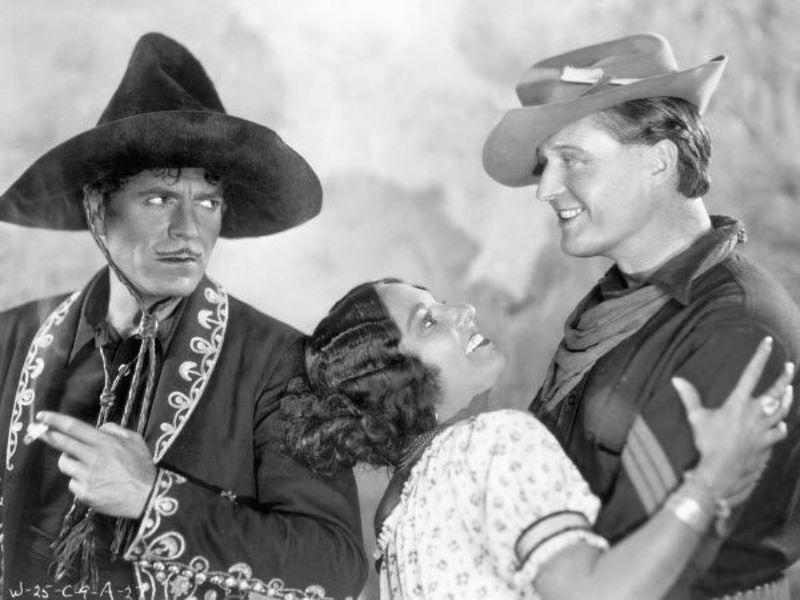
Warner Baxter won Best Actor for playing the Cisco Kid in this early Western talkie.
As one of the first sound films shot outdoors, it represented a technical milestone.
Nearly a century later, those innovations can’t disguise how painfully slow and melodramatic the storytelling has become.
Silent film pacing dominates despite the addition of dialogue, making scenes drag endlessly.
The melodramatic plot twists feel predictable and overly theatrical.
Acting styles mix silent-era gestures with early talkie stiffness, creating performances that feel awkward and unnatural.
While film historians appreciate its place in cinema evolution, general audiences find little to enjoy.
The movie plays more like a curiosity than entertainment, with outdated conventions overwhelming any remaining charm or interest.
12. The Wolfman (2010)
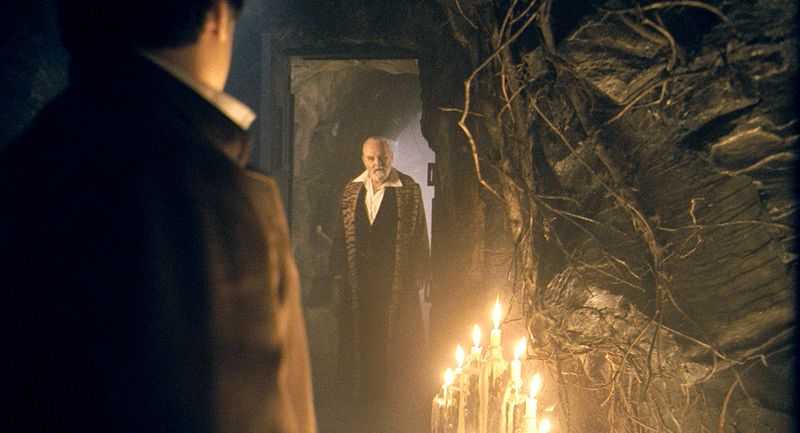
This lavish Universal monster movie remake won Best Makeup for its impressive practical effects and creature transformations.
Benicio Del Toro starred as the cursed Lawrence Talbot in a Gothic horror revival.
Despite the award-winning makeup work, the film has become increasingly forgettable due to sluggish pacing and muddled storytelling.
The production suffered from troubled reshoots and creative disagreements that show in the final product.
Atmospheric Victorian settings can’t hide a script that lacks coherent character development or genuine scares.
The transformation sequences remain technically impressive, but they’re surrounded by dull exposition and confused plotting.
Horror fans expected more from this big-budget reimagining of a classic monster.
While the makeup artistry deserved recognition, the movie itself has faded from memory, overshadowed by more successful horror films from the same era.
13. Disraeli (1929)
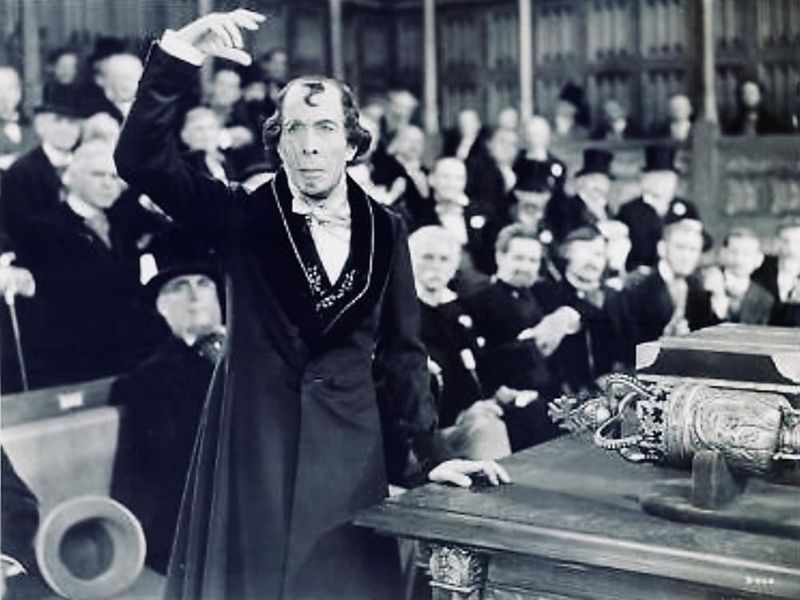
George Arliss won Best Actor for his portrayal of British Prime Minister Benjamin Disraeli in this early talkie.
His theatrical performance impressed Academy voters adapting to sound cinema.
Unfortunately, both his acting style and the film itself feel incredibly stiff and stage-bound by modern standards.
Arliss delivers his lines with exaggerated elocution and formal gestures appropriate for live theater but awkward on film.
The movie unfolds like a filmed stage play, with static camera work and minimal cinematic technique.
Historical drama becomes dry and talky rather than visually engaging.
What passed for dignified, serious acting in 1929 now appears hammy and artificial.
The film’s theatrical roots are painfully obvious, making it feel more like a preserved stage production than cinema.
Time has not been graceful to this once-celebrated performance.
Comments
Loading…