
 Mila Ross
Growing up in the 1950s, 60s, and 70s meant hearing certain phrases repeated by parents, teachers, and other adults.
Many of these sayings were considered normal discipline or guidance back then.
Today, experts recognize that some of these common expressions could harm a child’s emotional development and self-esteem.
Times have changed, and so has our understanding of how words shape young minds.
1. “Children should be seen and not heard.”

Parents once believed that kids belonged in the background, quiet and obedient at all times.
Speaking up or sharing thoughts was considered rude or disrespectful.
Adults valued silence over conversation, especially when company visited or during family gatherings.
Modern parenting recognizes that children need to express themselves and develop communication skills.
Suppressing their voices can lead to anxiety, low self-worth, and difficulty advocating for themselves later in life.
Encouraging kids to share opinions respectfully builds confidence and critical thinking.
Today’s families create space for everyone’s voice, teaching children when and how to contribute appropriately.
Balance matters more than silence.
2. “Stop crying or I’ll give you something to cry about.”

This threatening phrase was meant to stop tears immediately through fear and intimidation.
Rather than comforting an upset child, adults used warnings to control emotional responses.
The message was clear: showing feelings would only make things worse.
Child development experts now understand that emotions need validation, not punishment.
Threatening children for crying teaches them to hide feelings and distrust their own reactions.
Suppressed emotions can resurface as anger, depression, or unhealthy coping mechanisms in adulthood.
Healthy parenting involves acknowledging feelings and helping children name what they’re experiencing.
Teaching emotional literacy creates resilient, well-adjusted people who can process difficulties constructively.
3. “Because I said so.”

Authority figures relied on this phrase to end discussions without providing reasons or explanations.
Questions were seen as challenges rather than natural curiosity.
Children learned to obey blindly instead of understanding the logic behind rules and decisions.
Research shows that explaining rules helps children develop reasoning skills and moral judgment.
When kids understand why something matters, they’re more likely to internalize values rather than just follow orders.
Critical thinking requires practice asking questions and evaluating answers.
Contemporary parents take time to explain age-appropriate reasons, fostering mutual respect.
Conversations build trust and teach decision-making skills that benefit children throughout their lives.
4. “You’re too sensitive.”

When children reacted strongly to situations, adults dismissed their feelings with this invalidating statement.
Being called sensitive became an insult rather than an acknowledgment of genuine emotions.
Kids learned to question whether their reactions were appropriate or if something was wrong with them.
Psychology experts recognize that sensitivity varies naturally among individuals and deserves respect.
Invalidating emotions teaches children to doubt themselves and ignore internal signals about their needs and boundaries.
This can lead to people-pleasing behaviors and difficulty recognizing manipulation or abuse.
Validating feelings while teaching coping strategies creates emotionally intelligent adults.
Sensitivity can be a strength when paired with healthy emotional management skills.
5. “I brought you into this world, I can take you out.”

While usually said in exasperation rather than genuine menace, the underlying message used fear and power to control behavior.
Children heard that their existence depended on pleasing their parents.
Mental health professionals recognize this as an inappropriate power dynamic that can create lasting anxiety. Even hyperbolic threats can make children feel unsafe in their own homes.
Secure attachment requires knowing that love and safety aren’t conditional on perfect behavior.
Effective discipline focuses on natural consequences and teaching responsibility.
Humor in parenting works best when it doesn’t undermine a child’s sense of security.
6. “Money doesn’t grow on trees.”

Financial stress often came out through this guilt-inducing phrase whenever children asked for anything.
Rather than teaching budgeting or explaining family finances honestly, adults used shame to control spending requests.
Kids internalized that their needs created burdens for their parents.
Financial experts recommend age-appropriate conversations about money that build literacy without shame.
Children benefit from understanding budgets, priorities, and how families make spending decisions.
Guilt-based approaches can create unhealthy relationships with money, leading to either extreme frugality or overspending in adulthood.
Teaching financial responsibility through allowances, saving goals, and transparent discussions prepares children for independence.
Money conversations should educate rather than shame.
7. “You’ll eat what I make or you won’t eat at all.”
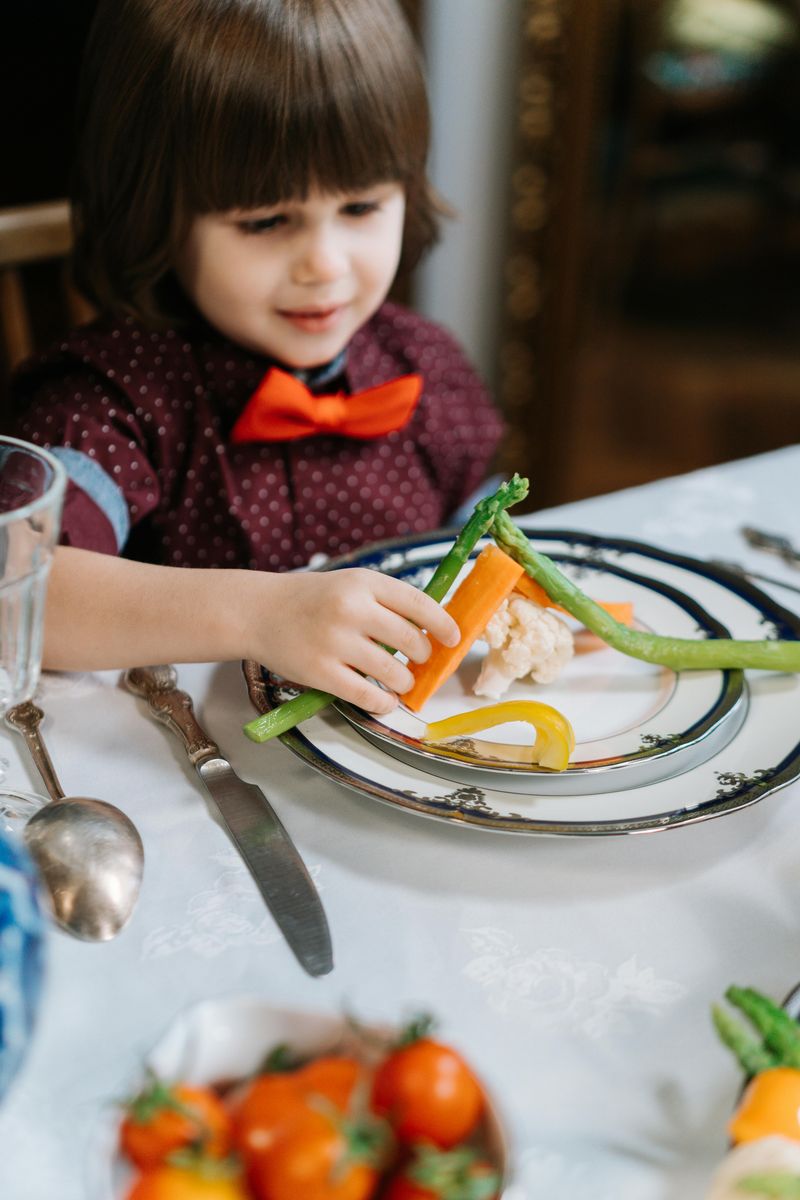
Mealtimes became power struggles when parents insisted on complete compliance with food choices.
Preferences, textures, and genuine dislikes were ignored in favor of absolute authority.
Children sat at tables for hours, facing cold food until they surrendered or went hungry.
Nutritionists and child psychologists now recognize that forced eating creates unhealthy relationships with food.
Battles over meals can lead to eating disorders, food anxiety, or rebellion through secret eating.
Children have natural hunger cues and taste preferences that deserve consideration.
Offering choices within boundaries and respecting genuine dislikes creates positive food experiences.
Flexibility around meals teaches children to listen to their bodies.
8. “Big boys/girls don’t cry.”

Gender stereotypes shaped how children were allowed to express emotions, with boys receiving this message most frequently.
Crying was labeled as weakness or babyish behavior that needed to be outgrown.
Girls sometimes heard variations that encouraged composure over authentic emotional expression.
Decades of research confirm that emotional suppression harms mental health regardless of gender.
Men who learned that crying equals weakness often struggle with depression, anger issues, and relationship difficulties.
Everyone needs healthy outlets for processing sadness, disappointment, and overwhelm.
Progressive parenting allows all children to express the full range of human emotions.
Teaching emotional regulation differs from demanding emotional suppression.
Comments
Loading…