
 Isabel Parker
11 Cultural Trends Gen Z Loves That Still Frustrate Baby Boomers

Every generation has its quirks, but the gap between Gen Z and Baby Boomers feels wider than ever.
From how they work to what they eat, these two groups see the world through completely different lenses.
While Gen Z embraces change and innovation, many Boomers hold tight to traditions that shaped their lives, creating fascinating cultural clashes that spark endless debates at family dinners and online forums alike.
1. Side Hustles Over 9-to-5 Jobs

Forget climbing the corporate ladder for decades.
Gen Z would rather juggle multiple income streams than commit to one employer for life.
They sell handmade crafts on Etsy, create content for YouTube, and freelance their skills across platforms.
Boomers built careers by staying loyal to companies, earning pensions and gold watches after 30 years.
That stability feels like safety to them. But Gen Z sees flexibility as freedom, not flakiness.
The gig economy offers control over schedules and projects.
Younger workers value experiences and autonomy more than corner offices.
This shift frustrates Boomers who believe real success means dedication to one path.
2. Digital Wallets Instead of Cash

Cash is becoming ancient history for Gen Z.
They tap their phones at checkout, split bills through apps, and rarely carry physical wallets.
Venmo, Apple Pay, and cryptocurrency feel as natural as breathing.
Boomers grew up counting bills and balancing checkbooks by hand.
Physical money represents something tangible they can see and hold.
Digital transactions feel abstract and risky to many older adults.
Security concerns add another layer of hesitation.
While Gen Z trusts encryption and biometric security, Boomers worry about hackers and glitches.
The idea of invisible money flowing through invisible networks challenges everything they learned about financial responsibility and careful saving.
3. Remote and Hybrid Work as a Standard

Why commute when your bedroom can be your office?
Gen Z entered the workforce expecting location flexibility as a basic right, not a special perk.
They believe productivity measures results, not hours logged at a desk.
Boomers associate professionalism with pressed suits and punctual office arrivals.
They built careers through face-to-face networking and watercooler conversations.
Working from home seems lazy or unserious to many.
This cultural divide creates workplace tension.
Younger employees demand work-life balance and reject outdated presenteeism.
Meanwhile, older managers struggle to trust what they cannot directly supervise, fearing declining standards and disappearing company culture in this new remote reality.
4. Progressive Views on Gender and Sexual Identity
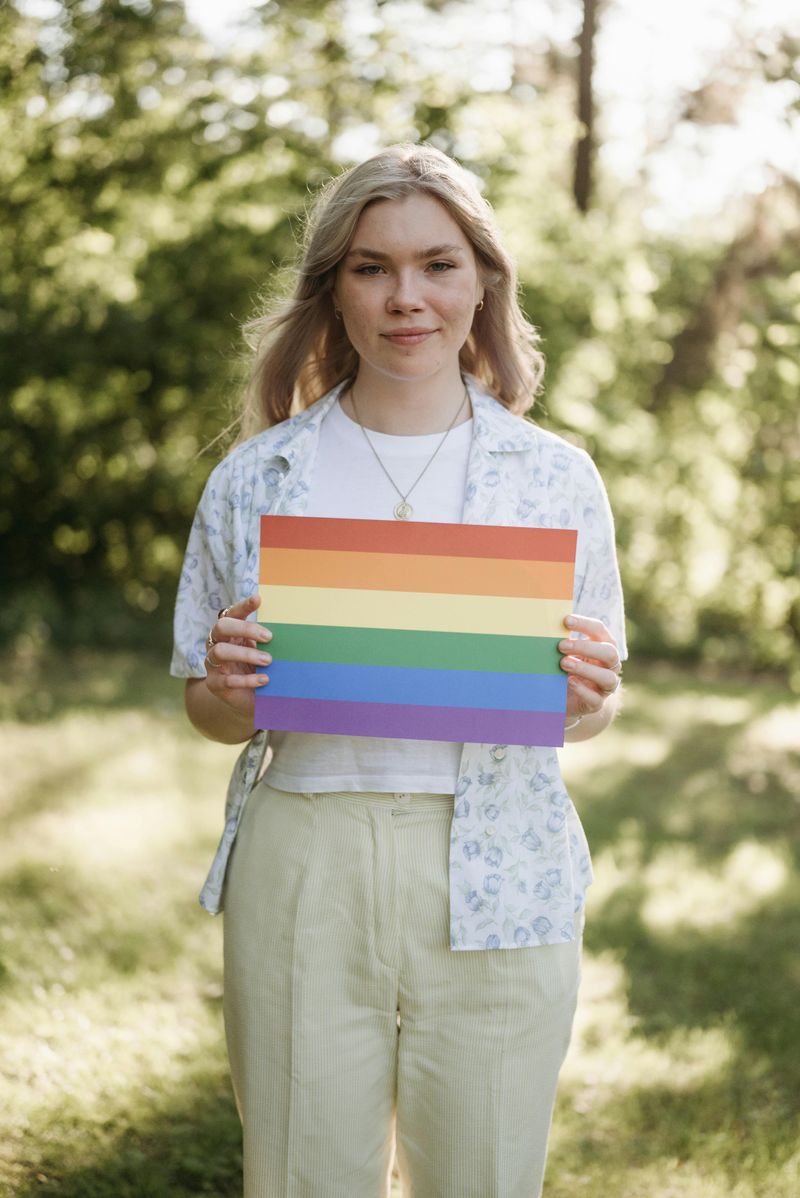
Pronouns in email signatures are normal for Gen Z.
They understand gender as a spectrum and celebrate LGBTQ+ identities openly.
Labels matter less than authentic self-expression and respecting how people identify themselves.
Many Boomers grew up when strict gender roles were enforced and alternative identities stayed hidden.
Traditional definitions feel natural to them, making fluid concepts confusing or threatening.
This generational gap causes real family friction.
Gen Z advocates for inclusive language and policies, while some Boomers see these changes as political correctness gone too far.
What feels like basic human dignity to younger people can feel like unnecessary complication to older generations raised differently.
5. Cancel Culture as Accountability

One offensive tweet can end careers overnight.
Gen Z sees public callouts as necessary consequences for harmful behavior, especially from powerful figures.
Social media becomes their courtroom for justice when traditional systems fail.
Boomers value forgiveness, second chances, and due process.
They believe people deserve opportunities to learn from mistakes without permanent punishment.
Cancel culture feels like mob justice without mercy or proportionality.
The tension centers on accountability versus redemption.
Younger generations want immediate action against wrongdoing, while older folks worry about nuance and context disappearing.
Both sides claim moral high ground, making this one of the most heated generational debates today.
6. Open Mental Health Conversations

Therapy appointments get shared like coffee dates among Gen Z.
They discuss anxiety, depression, and trauma openly, treating mental health like physical health.
Vulnerability signals strength, not weakness, in their world.
Boomers learned to suppress emotions and push through struggles silently.
Mental health issues carried shame and stigma during their formative years.
Seeking professional help meant something was seriously wrong.
This creates misunderstandings across dinner tables nationwide.
Gen Z normalizes struggles that Boomers were taught to hide.
What younger people see as healthy self-awareness, older generations might view as oversharing or making excuses.
The conversation gap reflects deeply different cultural messages about resilience.
7. Starting Businesses Instead of Climbing Ladders

Personal brands matter more than business cards to Gen Z.
They launch startups from dorm rooms, build online empires through content creation, and prioritize ownership over employment.
Entrepreneurship feels accessible, not risky.
Boomers climbed organizational hierarchies step by careful step.
Promotions and titles validated their hard work.
Starting a business required significant capital and connections that took years to develop.
Today’s technology democratizes entrepreneurship in ways previous generations never experienced.
Gen Z leverages social media, e-commerce platforms, and digital tools to bypass traditional gatekeepers.
This independence frustrates Boomers who sacrificed personal dreams for corporate security and steady paychecks throughout their working lives.
8. Sustainability as a Core Value

Thrift shopping is trendy, not shameful, for Gen Z.
They research company ethics before buying, choose reusable everything, and judge wasteful practices harshly.
Environmental responsibility guides their purchasing decisions daily.
Boomers prioritized affordability and convenience during their consumer prime.
Disposable products represented modern progress and time-saving efficiency.
Questioning corporate practices seemed unnecessary when jobs and economy mattered most.
This values clash appears in everyday choices.
Gen Z pays premium prices for sustainable brands while criticizing fast fashion and single-use plastics.
Boomers often view these concerns as performative or impractical.
The generational divide reflects different relationships with consumption, scarcity, and planetary responsibility shaped by distinct historical contexts.
9. Streaming Over Cable TV
Channel surfing is a foreign concept to Gen Z.
They binge entire seasons overnight, skip commercials automatically, and watch content across multiple platforms simultaneously.
Scheduled programming feels prehistoric to them.
Boomers remember when families gathered around one television at specific times.
Cable subscriptions represented entertainment abundance after limited broadcast options.
The ritual of appointment viewing created shared cultural moments.
Streaming services fragment viewing experiences that cable once unified.
Gen Z curates personalized content libraries, while Boomers miss the simplicity of flipping channels.
The technology gap extends beyond devices to fundamentally different relationships with media consumption, patience, and how entertainment fits into daily routines.
10. Influencers Over Traditional Advertising

A beauty guru’s recommendation carries more weight than celebrity commercials for Gen Z.
They trust peer-driven reviews, follow niche creators religiously, and make purchases based on authentic testimonials.
Polished ads feel fake and manipulative.
Boomers grew up with iconic TV commercials and magazine spreads featuring professional models.
Corporate advertising represented quality assurance and legitimacy.
Trusting random internet personalities seems illogical and potentially dangerous.
This marketing revolution frustrates traditional business perspectives.
Gen Z values relatability over perfection, making everyday people into powerful brand ambassadors.
Boomers question the credibility and motives of influencers who blur lines between genuine content and paid promotion in ways traditional advertising never did.
11. Plant-Based Eating as a Lifestyle Choice

Meatless burgers that bleed intrigue Gen Z more than steak dinners.
They embrace plant-based diets for ethical treatment of animals, environmental impact, and personal health. Veganism represents values, not just food preferences.
Boomers centered meals around meat as a sign of prosperity and proper nutrition.
Plant-based alternatives were for hippies or people with medical restrictions.
Traditional diets represent cultural heritage and family traditions passed through generations.
Dinner tables become battlegrounds when Gen Z refuses grandmother’s famous pot roast.
Younger generations question agricultural practices their elders never considered problematic.
What Boomers see as rejection of tradition, Gen Z views as conscious evolution toward compassionate living and planetary survival.
Comments
Loading…