
 Chloe Peterson
A lot of family dynamics get brushed off as “normal” simply because they’re common.
But common doesn’t always mean healthy, and repeated patterns can quietly wear people down over time.
When a behavior is excused for years, it starts to feel impossible to challenge without being labeled dramatic or ungrateful.
The truth is that love and loyalty shouldn’t require anyone to shrink themselves, swallow hurt, or accept constant discomfort.
Small changes in how we talk, respect boundaries, and share responsibility can make family relationships feel safer for everyone.
These seven behaviors are worth naming, not to shame anyone, but to give you language for what you may have felt for a long time.
If something here hits close to home, it doesn’t mean your family is doomed.
It just means you’ve noticed a pattern that can be changed, one conversation and one boundary at a time.
1. Treating disrespect as “just how they are”

Plenty of families treat rudeness like a quirky personality trait instead of a real problem.
Snide comments, eye-rolling, mocking “jokes,” and sharp tones get excused as humor or honesty, even when someone clearly looks hurt.
Over time, people learn that speaking up will only lead to more teasing, so they go quiet to keep the peace.
That silence can turn into resentment, and resentment eventually turns into distance that no one knows how to bridge.
Respectful families still disagree, but they don’t use humiliation as a communication style.
A helpful shift is naming the behavior in the moment without escalating it into a fight.
Simple lines like “That felt disrespectful” or “Let’s say that differently” set a new standard.
When disrespect stops being entertaining, it stops being normal.
2. Expecting one person to carry the emotional labor

Many households run on an unspoken system where one person manages everything that keeps the family functioning.
They remember birthdays, schedule appointments, plan meals, buy gifts, smooth over conflicts, and notice who’s struggling before anyone else does.
Because they’re capable, everyone assumes they can handle more, and they often feel guilty asking for help.
Eventually, that constant mental load becomes exhausting, and the “responsible” person can start to feel invisible and taken for granted.
This dynamic also breeds resentment in ways that are easy to misinterpret as moodiness or negativity.
A healthier pattern is to make the invisible work visible and distribute it on purpose.
Shared calendars, rotating responsibilities, and direct ownership of tasks reduce both stress and silent anger.
Support feels a lot more loving when it is consistent, not assumed.
3. Using guilt as the main communication style

Some families rely on guilt the way others rely on small talk.
Comments like “After all I’ve done,” “Must be nice,” or “I guess I don’t matter” may sound harmless, but they pressure people into compliance.
When guilt becomes the main tool, choices stop feeling like choices and start feeling like obligations with emotional penalties attached.
That can make adult children dread calls, avoid visits, or keep important parts of their lives private just to dodge the commentary.
Ironically, the person using guilt is often seeking reassurance, but the approach pushes people farther away.
Clear requests work better than emotional bargaining, even if it feels awkward at first.
Replacing guilt with honesty sounds like “I miss you and I’d love to see you” instead of a passive jab.
Connection grows when people feel invited, not trapped.
4. Forcing closeness by ignoring boundaries
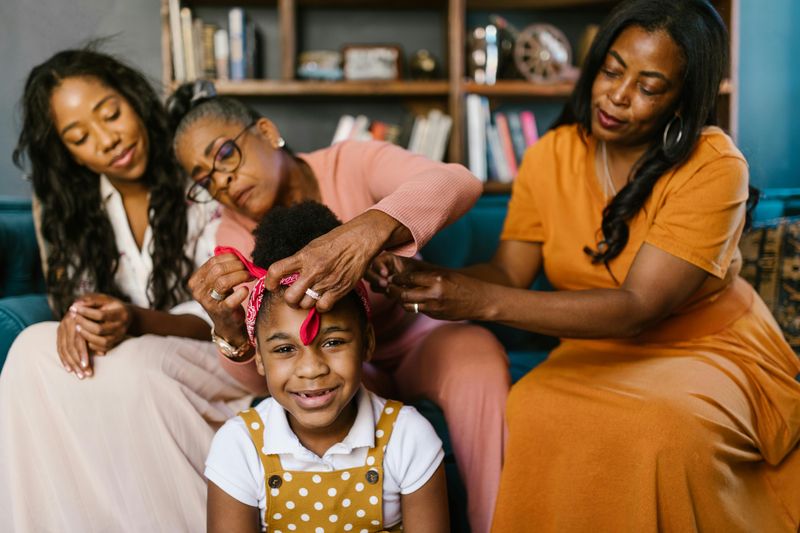
A lot of intrusive behavior gets rebranded as care in families.
Dropping by without warning, insisting on physical affection, demanding personal details, or reading messages “to make sure you’re okay” can all cross a line.
When boundaries aren’t respected, people start to feel like they don’t fully own their time, space, or privacy.
That lack of autonomy can create anxiety and hypervigilance, especially around relatives who take “no” as an insult.
Healthy closeness isn’t measured by access, and love doesn’t require constant entitlement to someone’s life.
Boundaries can be stated kindly while still being firm and consistent.
Phrases like “Please text before coming over” or “I’m not discussing that” are simple, but they matter.
The more calmly you hold a boundary, the less room there is for negotiation.
5. Making kids the mediator or therapist in adult problems

In some families, children get pulled into emotional roles they were never meant to fill.
They’re asked to carry messages between parents, comfort a struggling adult, or listen to venting that should be shared with another grown-up.
Even when it’s not intentional, this can make kids feel responsible for adult happiness and family stability.
That pressure often follows them into adulthood as chronic people-pleasing, anxiety, and a fear of conflict.
It can also blur the line between caring and caretaking, which becomes especially confusing in later relationships.
Adults deserve support, but children deserve childhood, not a job as the household therapist.
A healthier approach is keeping adult conflicts adult and choosing appropriate outlets for stress.
If a child overhears tension, simple reassurance helps, along with a clear message that it isn’t their responsibility.
6. Playing favorites (and pretending it’s not happening)

Most families swear they treat everyone equally, but patterns often say otherwise.
One person becomes the golden child, another becomes the problem, and someone else gets labeled the “responsible” one who never needs anything.
These roles don’t just shape childhood, because they keep showing up at holidays, in group chats, and during major life events.
When favoritism is present, siblings can feel like they’re competing for approval instead of building real closeness.
The long-term result is resentment that people either act out loudly or swallow quietly to avoid rocking the boat.
Breaking this pattern starts with noticing the stories your family repeats about each person.
Calling out comparisons and refusing role-based jokes helps stop the labels from hardening.
When people are allowed to change, relationships have room to heal.
7. Normalizing constant criticism as “motivation”

In many families, harsh comments get framed as concern or motivation.
Someone picks apart your body, spending, career, parenting, or relationship choices and then acts offended if you don’t say thank you.
Over time, you may start editing yourself before you speak, share fewer updates, or avoid visits because you’re bracing for the next critique.
That isn’t sensitivity, because repeated criticism teaches your nervous system that family time equals judgment.
Support can include honesty, but honesty doesn’t have to sound like contempt.
A good standard is whether the feedback is invited, specific, and delivered with respect rather than superiority.
It helps to respond with boundaries like “I’m not looking for input on that” or “Please don’t comment on my body.”
When kindness becomes the baseline, relationships stop feeling like performance reviews.
Comments
Loading…