
 Isabel Parker
The living room is moving away from “perfect” and toward spaces that feel lived-in, comforting, and unmistakably personal.
In 2026, designers are prioritizing rooms that support real life, from lounging and hosting to working and winding down.
That means furnishings are getting softer, palettes are getting braver, and the details are becoming more expressive.
Rather than buying everything at once, people are mixing vintage finds, meaningful art, and upgraded basics that last.
Textures are doing more of the heavy lifting too, so a room looks rich even when the color scheme stays simple.
If you want your space to feel current without chasing every micro-trend, these seven ideas are the smartest places to start.
1. Curvy, soft-edged furniture
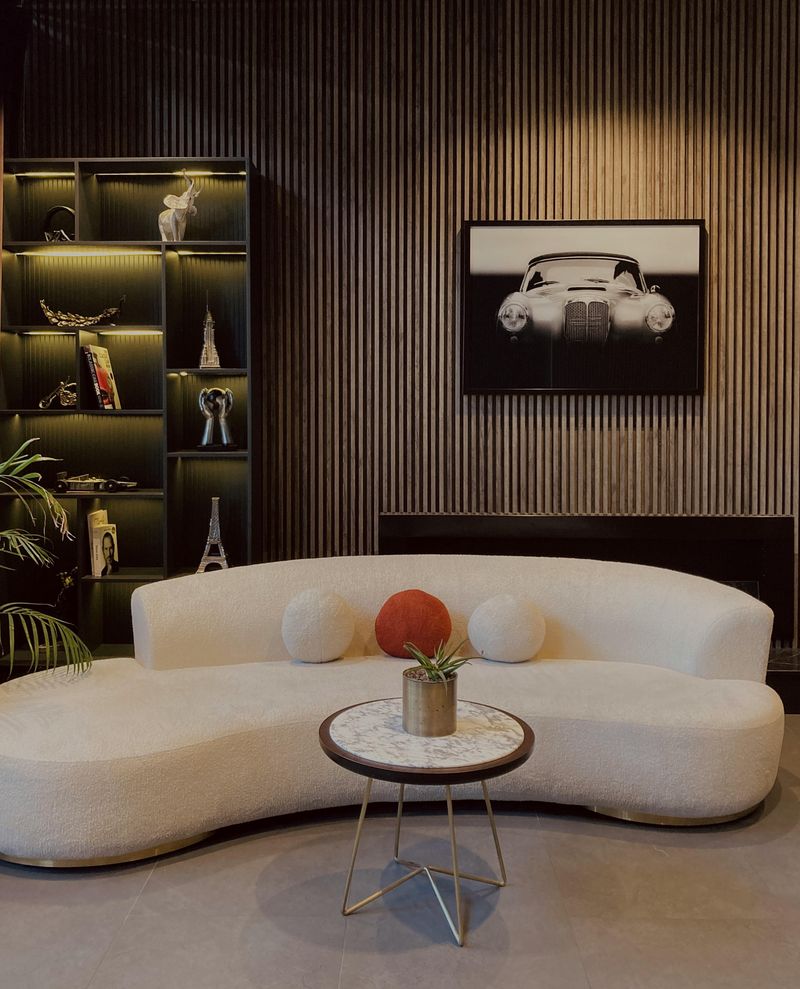
Rounded silhouettes are replacing sharp angles because they instantly make a living room feel warmer and more welcoming.
Designers are leaning into curved sofas, barrel chairs, and oval tables that create a gentle flow through the space.
This trend works especially well in open layouts, because the softer shapes naturally guide conversation and movement.
If you already have a boxy sectional, you can still get the look by adding a curved accent chair or a pill-shaped ottoman.
Pairing rounded pieces with a few crisp elements, like a linear console or tailored drapery, keeps the room from feeling too “bubble-like.”
The overall effect is modern and relaxed, while still looking intentional enough to photograph beautifully.
2. Bold color-washing (aka “go big” paint)
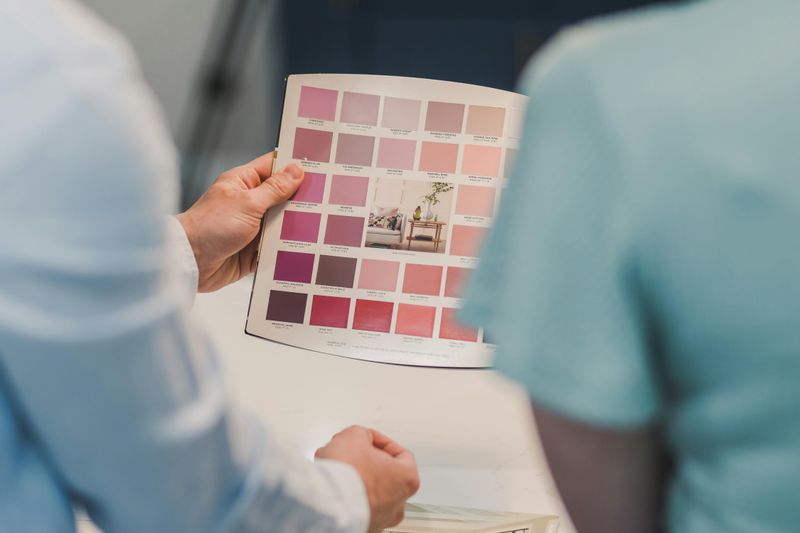
Instead of playing it safe with plain white walls, more homeowners are embracing saturated paint that sets a real mood.
Color-washing goes beyond one accent wall, because it often includes trim, doors, or even built-ins for a more immersive look.
Deep greens, smoky blues, warm clay tones, and rich browns are showing up as the new neutrals in designer living rooms.
The easiest way to keep bold color from feeling heavy is to balance it with lighter upholstery and layered lighting at multiple heights.
If committing to one dramatic shade feels scary, start with a den, reading nook, or one wall in a high-impact finish.
When done well, this approach makes even a simple room feel styled, cozy, and surprisingly expensive.
3. Print-heavy rooms: patterned upholstery + heritage-style prints
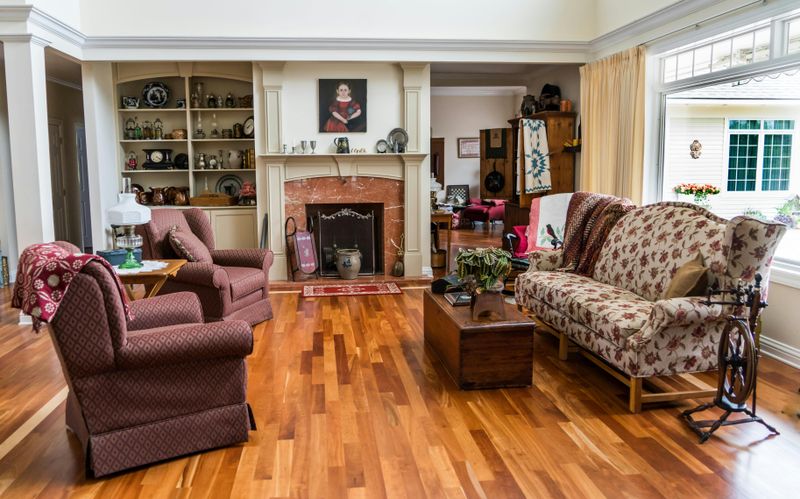
After years of quiet solids, patterned pieces are returning as the focal point that gives a living room personality.
Designers are using stripes, checks, botanicals, and tapestry-inspired motifs to make the space feel collected rather than cookie-cutter.
A patterned sofa can anchor the entire palette, while patterned chairs offer a lower-commitment way to test the trend.
To keep the look modern, many pros stick to a tight color family and repeat one or two tones throughout the room.
Mixing patterns works best when you vary the scale, like a bold stripe on upholstery with a smaller print on pillows.
The payoff is a room that feels layered and charming, without relying on trendy decor that goes out of style quickly.
4. “Texture-maxxing” (layers on layers)
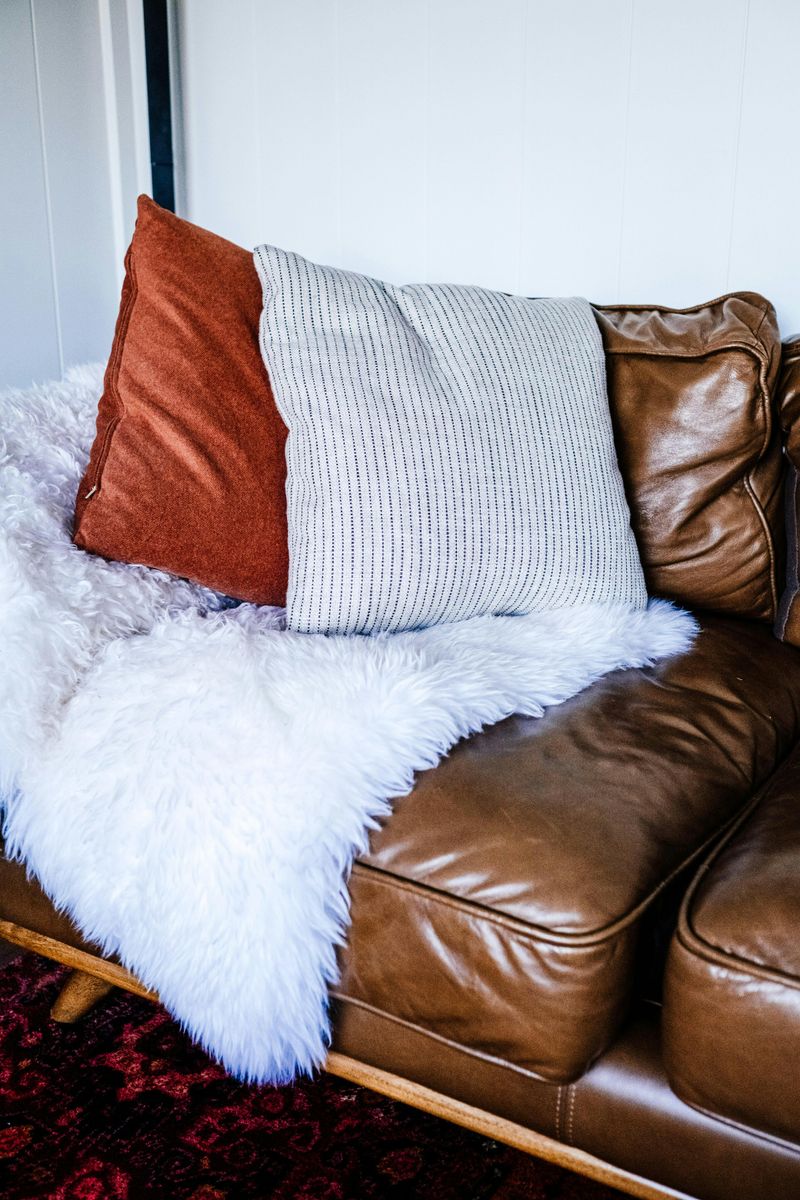
In 2026, rooms that feel good to the touch will matter just as much as rooms that look good in photos.
Designers are layering bouclé, linen, velvet, chunky knits, and nubby wovens to create depth without adding clutter.
This is also why layered rugs are gaining popularity, especially a flatweave base with a softer rug on top for comfort.
Textural contrast makes a neutral scheme feel intentional, so beige, cream, and taupe look rich instead of bland.
If you want an affordable upgrade, swap sleek pillow covers for tactile ones and choose a throw with visible weave.
The end result is a living room that feels cozy, elevated, and ready for both everyday lounging and last-minute guests.
5. Personal, collected spaces (no more matching sets)
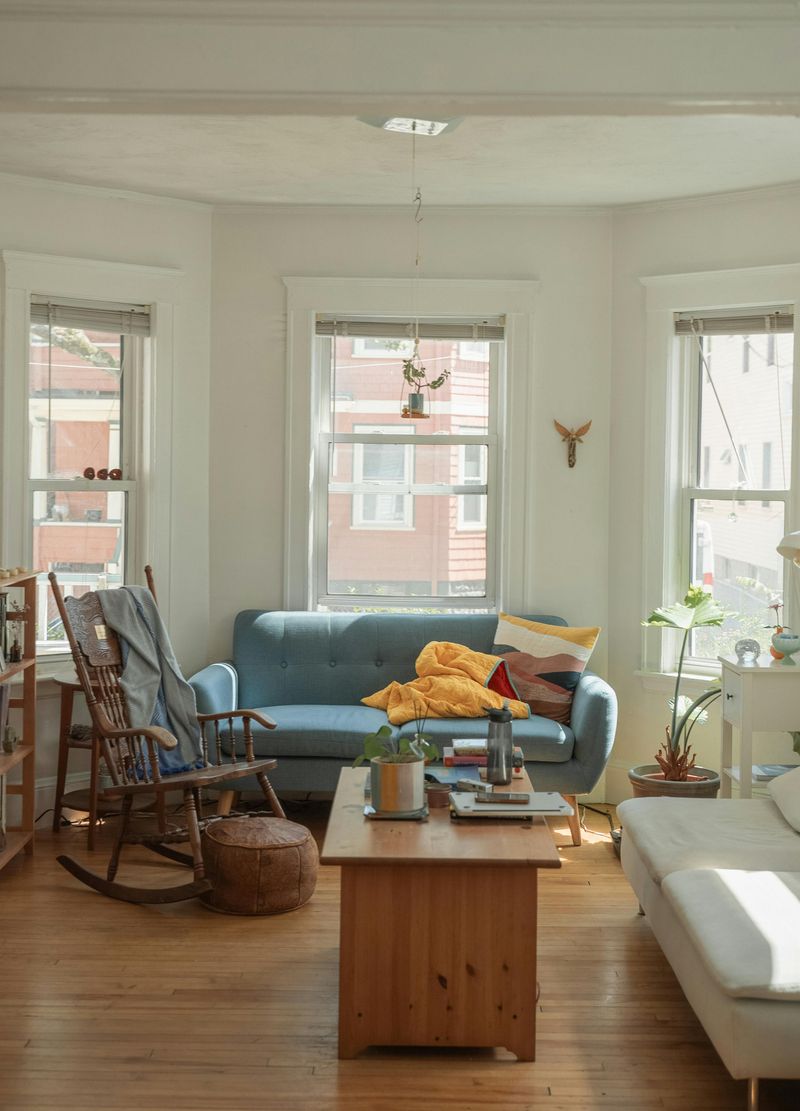
The showroom look is fading because people want spaces that reflect their lives, not a catalog page.
Designers are encouraging clients to mix materials, eras, and finishes so the room feels layered and authentic.
Instead of buying a matching set, the new goal is to build a space around a few anchor pieces and add slowly.
Personal art, travel finds, and inherited objects are becoming design features, especially when they’re displayed with intention.
A great rule is to repeat a color or material in a few places, so the mix feels cohesive rather than random.
When a living room feels personal, it tends to look more stylish over time, because it evolves instead of staying frozen.
6. Vintage/antiques as the secret sauce
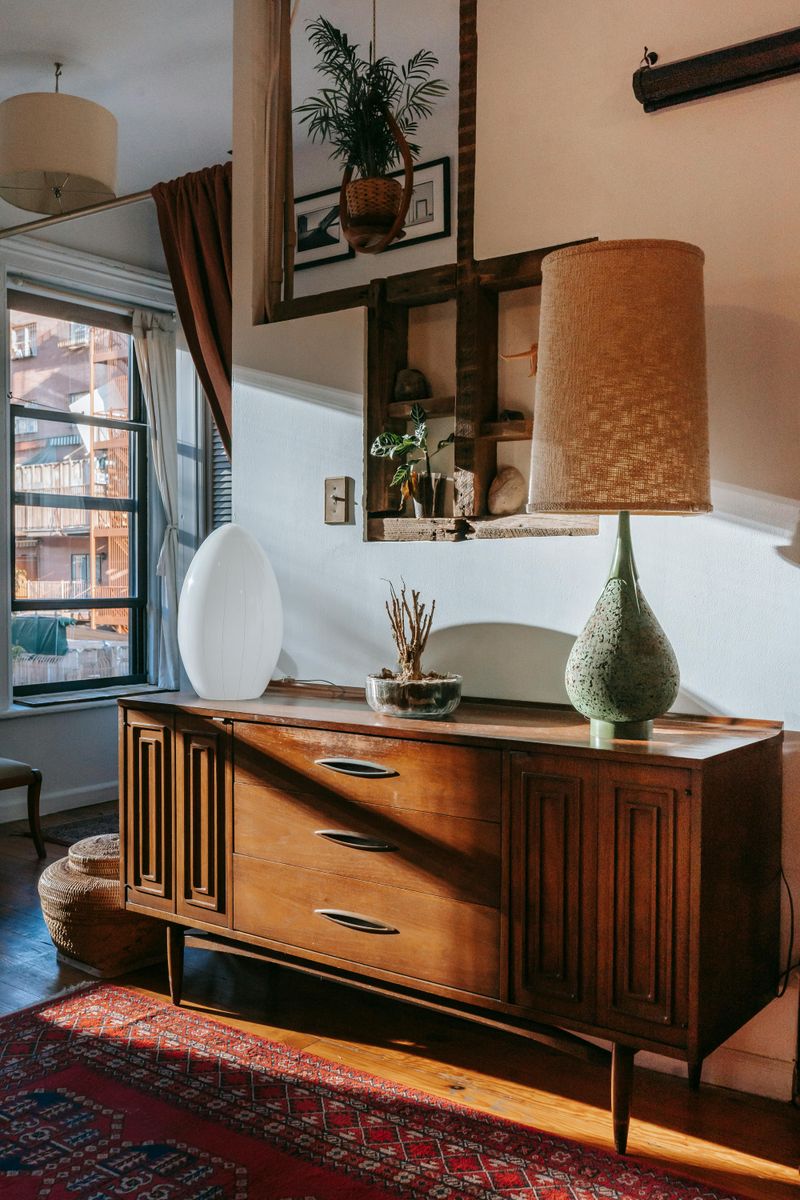
Secondhand pieces are becoming the “secret ingredient” that makes a living room look high-end and one-of-a-kind.
Designers love vintage because it brings patina, character, and craftsmanship that many mass-produced items cannot replicate.
A single antique coffee table or an old mirror can add instant depth, even if the rest of the furniture is contemporary.
If you worry about things feeling dated, mix older pieces with clean-lined upholstery and simple, modern lighting.
Shopping secondhand also helps budgets, since you can invest in a better sofa and fill in with unique accent pieces.
The best rooms in 2026 will look like they were gathered over time, not bought in one weekend.
7. Hangout-first layouts + “focal point” moments overhead
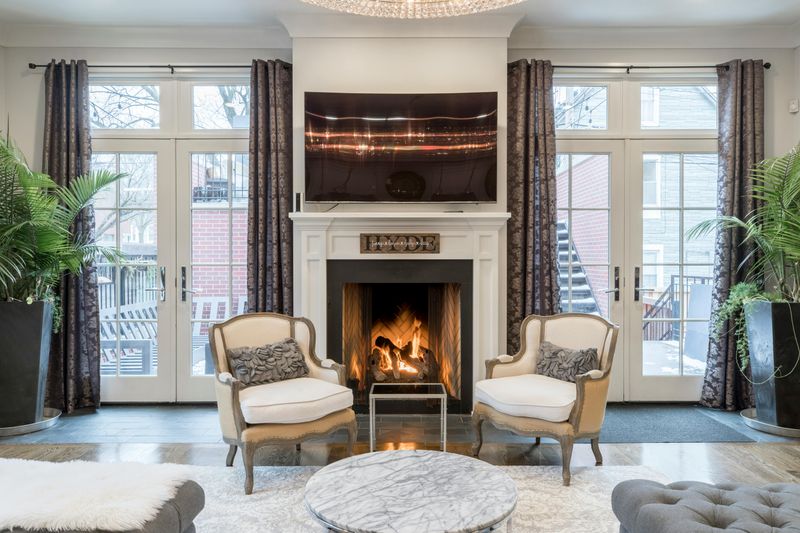
Living rooms are shifting toward face-to-face seating because people are craving spaces that actually support connection.
Designers are arranging sofas and chairs to encourage conversation, often using pairs of chairs or a U-shape around a coffee table.
This layout works even in smaller rooms, as long as you leave clear walkways and use slimmer profiles where needed.
At the same time, attention is moving upward, with statement lighting and ceilings becoming a major style moment.
A sculptural pendant, dramatic chandelier, or even subtle ceiling color can turn a basic room into something memorable.
By combining a social layout with an overhead focal point, the space feels intentional, comfortable, and undeniably current.
Comments
Loading…