
 Isabel Parker
11 Outdated Housekeeping Habits That Waste Your Time and Energy
Modern life is busy enough without carrying a bunch of cleaning “rules” that were invented for a different era.
A lot of old-school housekeeping habits were meant to save money, stretch supplies, or impress unexpected visitors.
But today, many of those routines simply cost you time, space, energy, and sometimes even extra cash.
The good news is that letting go of outdated habits does not mean letting your standards slide.
It means choosing smarter shortcuts, safer products, and systems that actually fit your household.
If you’ve ever felt guilty for not doing things the “proper” way, consider this your permission slip to stop.
Here are eleven traditional habits that don’t deserve a permanent spot on your to-do list anymore.
1. Saving every plastic container “just in case”
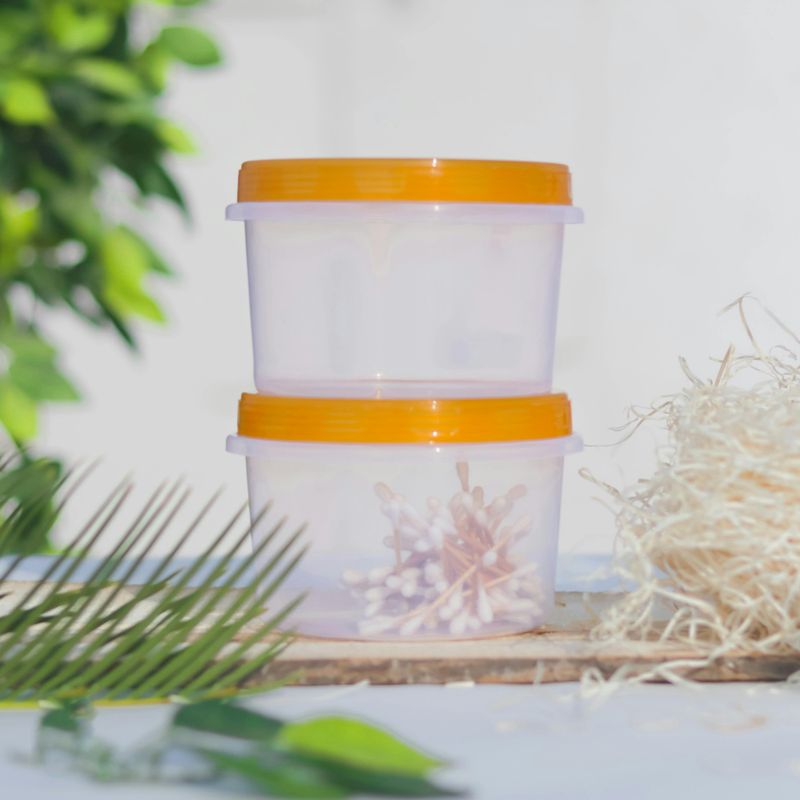
That overflowing cabinet of yogurt tubs and takeout lids rarely turns into a money-saving win.
Most people keep far more containers than they ever realistically reuse, which quietly steals space from things you use daily.
Mismatched lids become a constant scavenger hunt that makes packing leftovers feel like a small punishment.
Older plastics can hold onto odors, stain easily, and look grimy even when they’re technically clean.
A better approach is keeping a small, matching set of reusable containers that stack neatly and seal well.
If you want to be frugal, choose a few sturdy pieces and treat them like a system, not a junk drawer.
Recycle the warped, lidless, or mystery-stained extras so your kitchen feels calmer every time you open the door.
2. Using bleach as the answer to everything
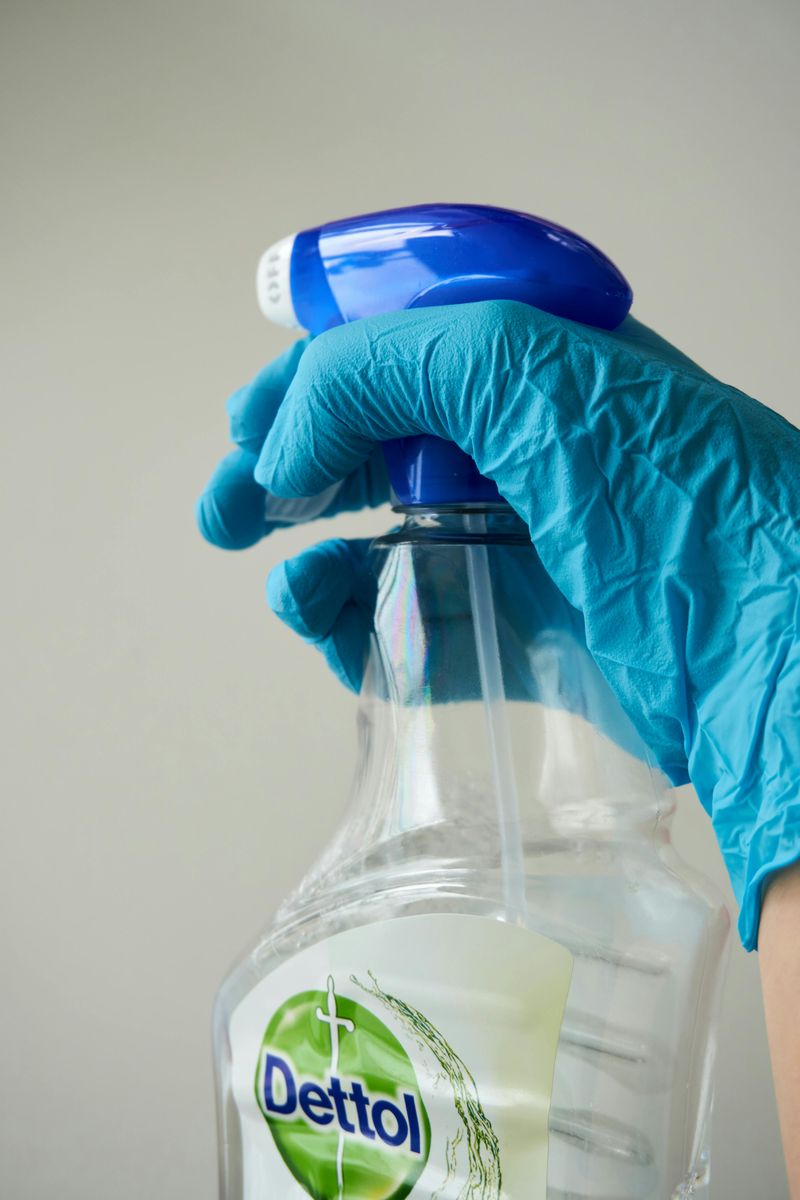
That sharp “clean” smell can feel reassuring, but it often signals a product that’s harsher than the job requires.
Bleach can discolor fabrics, damage finishes, and irritate skin and lungs when you use it frequently.
The bigger issue is that people sometimes mix cleaners without realizing certain combinations can create dangerous fumes.
For everyday cleaning, soap and water do most of the heavy lifting, especially on kitchens and bathrooms.
Disinfecting only matters in specific situations, like raw meat spills or household illness, not every countertop wipe-down.
When you do need stronger options, read labels carefully and use proper ventilation and correct dilution.
Saving bleach for rare, high-need moments protects your home’s surfaces and your health while still keeping things sanitary.
3. Hand-washing dishes before the dishwasher
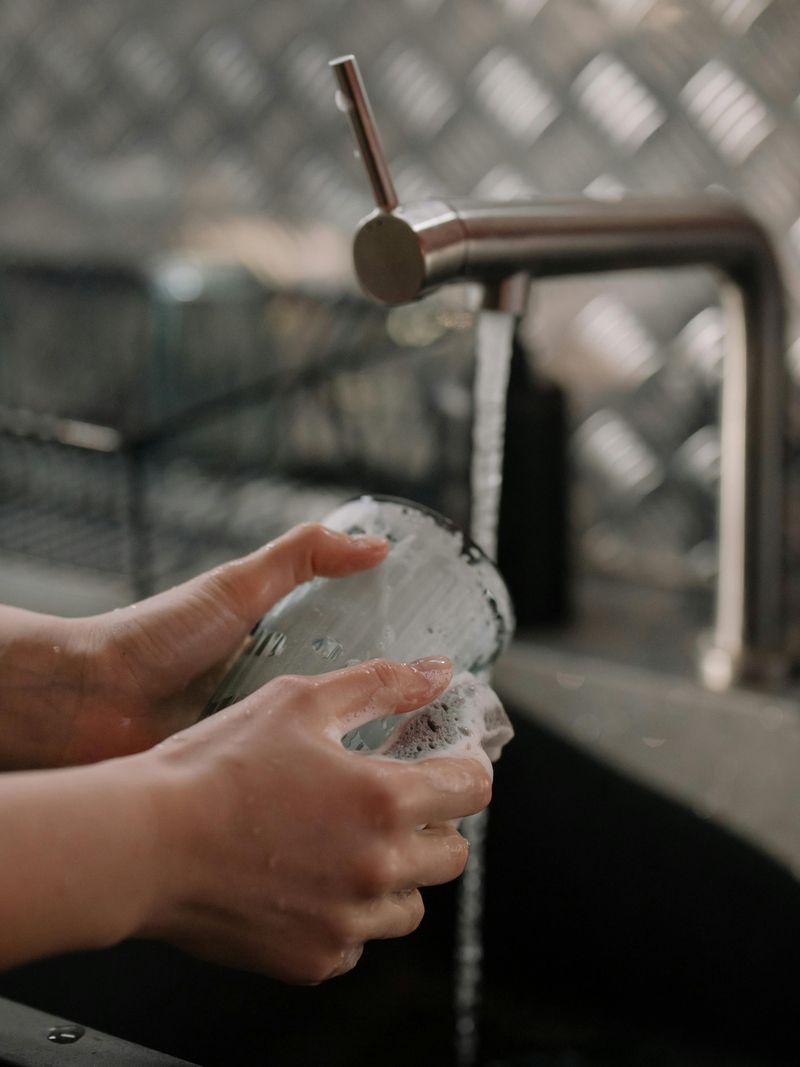
A quick rinse can feel responsible, but it often becomes a full scrub that defeats the point of owning a dishwasher.
Modern dishwashers are designed to clean stuck-on food, and many detergents work best when they have something to grab.
Pre-washing wastes water, adds time to your routine, and turns one chore into two separate chores.
Scraping off large bits is usually enough, especially if you run the machine regularly and load it correctly.
If you’re dealing with dried-on messes, soaking the dish for a few minutes is more efficient than scrubbing everything first.
To keep it frugal, avoid half-empty cycles and choose the eco setting when it still gets your dishes clean.
You’ll save water, protect your hands, and get back minutes every day that add up fast.
4. Polishing furniture weekly (or using oily sprays constantly)
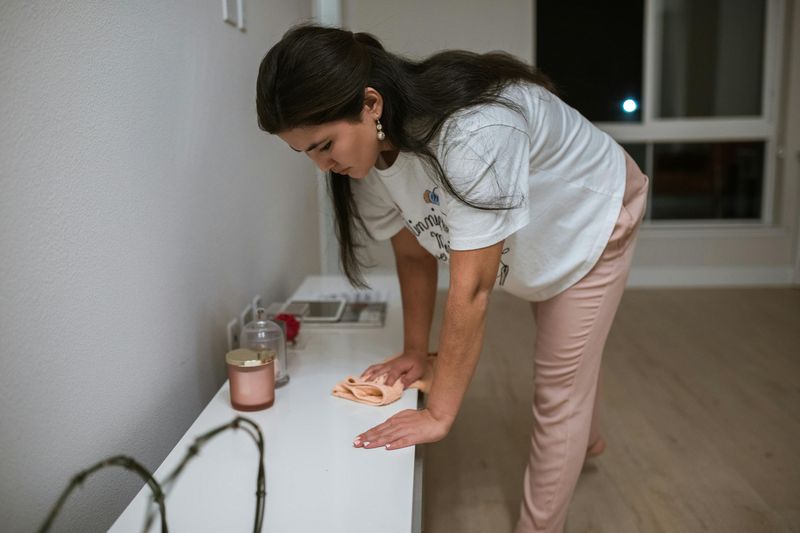
A shiny finish looks nice, but frequent polishing often creates buildup that actually attracts more dust over time.
Many spray polishes leave a slick residue that can dull wood, smear under sunlight, and feel sticky to the touch.
If you notice fingerprints returning quickly, it’s usually because layers of product are collecting rather than the wood being “thirsty.”
Most weeks, a slightly damp microfiber cloth removes dust without leaving anything behind.
When you want to restore shine, occasional polishing is plenty, and less product usually works better than more.
Testing on an inconspicuous spot helps you avoid surprise discoloration, especially on older finishes.
Keeping furniture simple and low-maintenance makes your home look consistently tidy without adding another recurring chore.
5. Beating rugs or shaking dust cloths outside
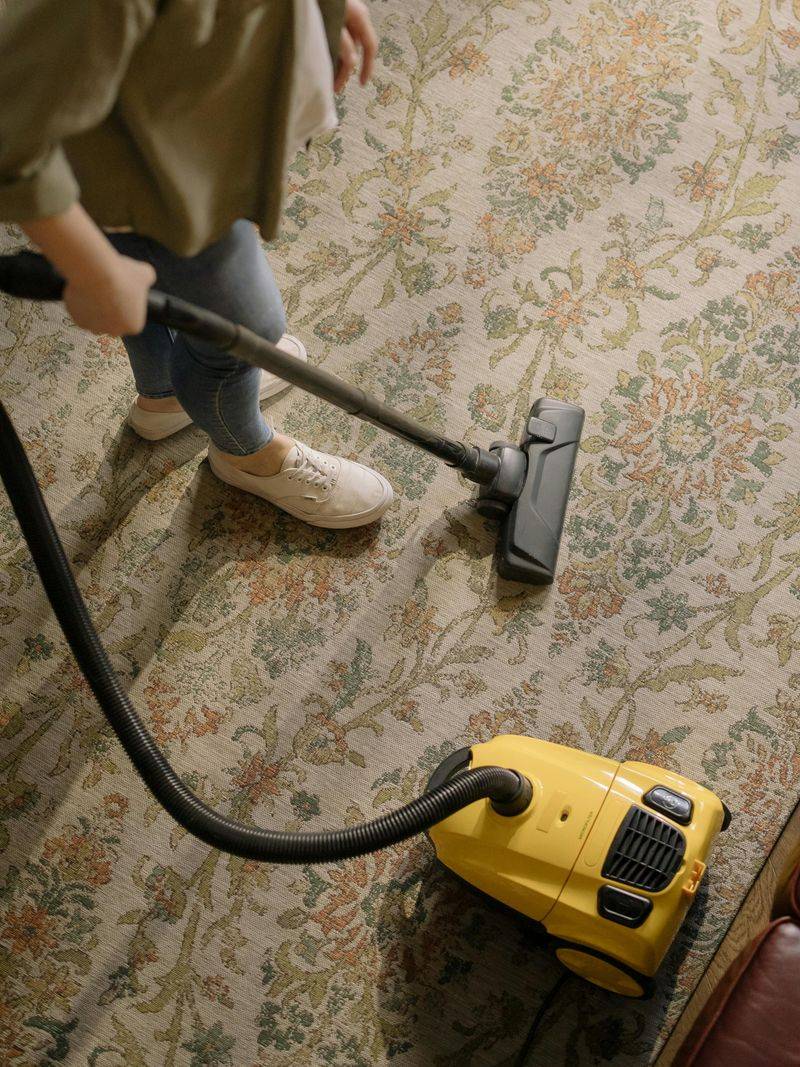
The dramatic rug-beating routine feels productive, but it mostly sends dust into the air and back onto you.
Shaking dirty cloths outside can trigger allergies and still leaves fine particles clinging to fabric.
It also turns cleaning into a multi-step process that depends on weather, outdoor space, and extra effort.
A vacuum with a decent filter does a better job of removing debris without redistributing it around your home.
If a rug needs deeper care, a slow vacuum pass on both sides is often more effective than aggressive beating.
Washable cloths and mop pads make life easier because dirt leaves your house in the laundry, not in a dust cloud.
Cleaner air, less mess, and fewer sneezing fits are a pretty fair trade for retiring this old habit.
6. Ironing everything—including sheets and casual clothes
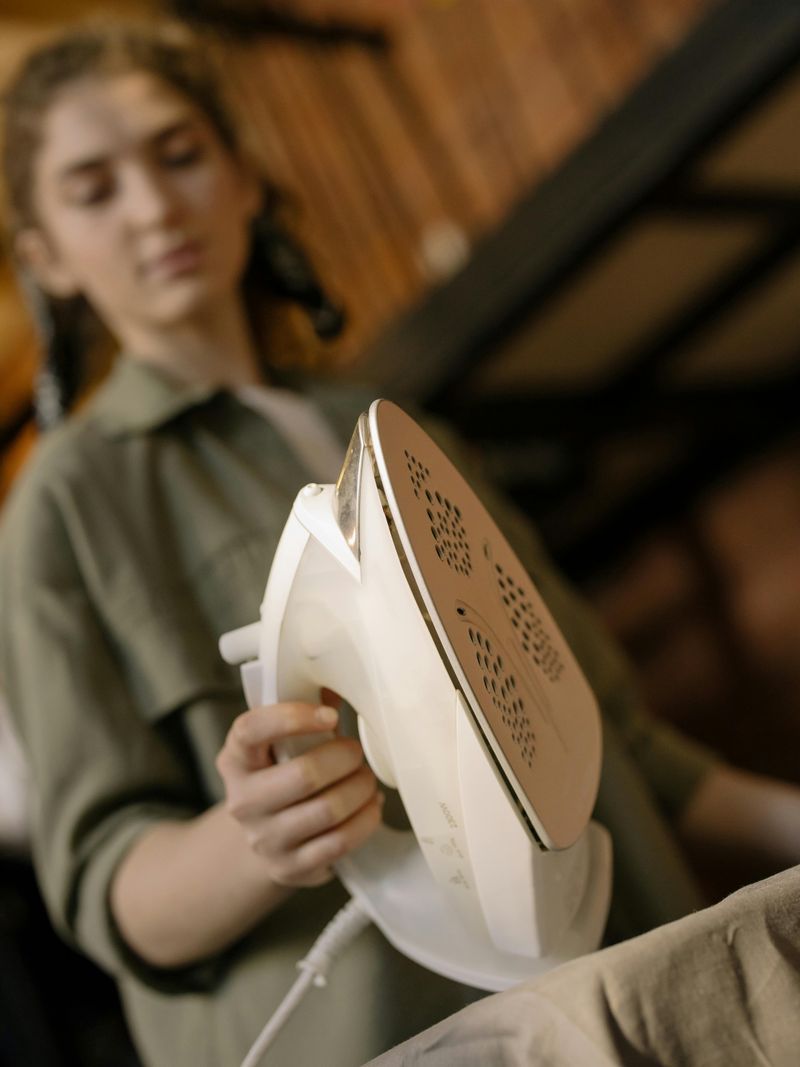
A perfectly pressed look once signaled “put together,” but it’s not the best use of your time anymore.
Ironing sheets in particular can eat up a huge chunk of your day without making your bed feel any more comfortable.
Most wrinkles relax naturally if you fold clothes promptly, hang items right away, or smooth fabric while it’s still slightly warm.
A handheld steamer can handle collars and hems quickly without the full production of an ironing board.
If you’re dealing with stubborn creases, tossing a damp washcloth into the dryer for a few minutes works surprisingly well.
Choosing wrinkle-resistant fabrics for staples can also reduce the need for extra steps altogether.
Your home can look polished without demanding perfection, especially when “good enough” frees you up for better things.
7. Cleaning windows only with newspaper

The old trick works sometimes, but it can leave ink residue on your hands and lint along the edges.
Newspaper quality has changed over the years, and many pages simply don’t have the texture that made the method famous.
It can also smear if your glass has film buildup, because you’re moving grime around instead of removing it.
A microfiber cloth paired with a simple cleaner is more consistent and easier to control.
If you want a truly streak-free finish, a small squeegee is one of the cheapest, most effective tools you can buy.
Cleaning windows on a cloudy day helps prevent fast evaporation that causes streaks, no matter what you use.
Retiring the newspaper routine keeps the job cleaner, faster, and a lot less messy for your hands.
8. Keeping “good towels” no one’s allowed to use
A closet full of untouched “guest towels” sounds classy, but it often turns into wasted linen storage.
Textiles age even when they sit still, and the unused pile can become musty, yellowed, or outdated before it ever gets enjoyed.
Meanwhile, your everyday towels get thinned out and overwashed because you’re refusing to rotate the nicer ones.
The more practical option is treating all towels like working towels and using a simple rotation system.
If you want a guest-ready look, keep just one small set reserved, not an entire museum collection.
Letting the good towels join daily life is also a frugal move because you spread wear evenly across your stash.
A home that feels comfortable beats a home that’s saving its best things for a someday that never arrives.
9. Overloading on scented cleaners and air fresheners
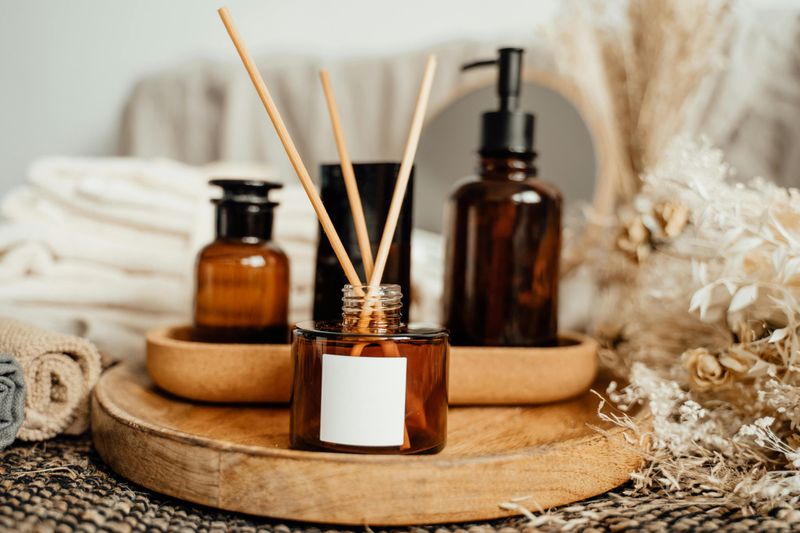
Strong fragrance can make a room feel “fresh,” but it often just covers the underlying odor instead of fixing it.
Layering multiple scented products can trigger headaches, irritate allergies, and make your home smell confusing rather than clean.
Many odor problems come from simple sources like damp towels, trash residue, pet spots, or a forgotten fridge shelf.
When you remove the source first, you need far less product to make the space feel pleasant.
Opening windows for a few minutes, running a fan, and washing soft surfaces regularly usually does more than another spray.
If you like a light scent, choose one gentle option and use it sparingly instead of stacking five different smells.
A neutral, truly clean home is easier to maintain and often cheaper than constantly buying “freshness” in a bottle.
10. Doing a full-house deep clean every weekend
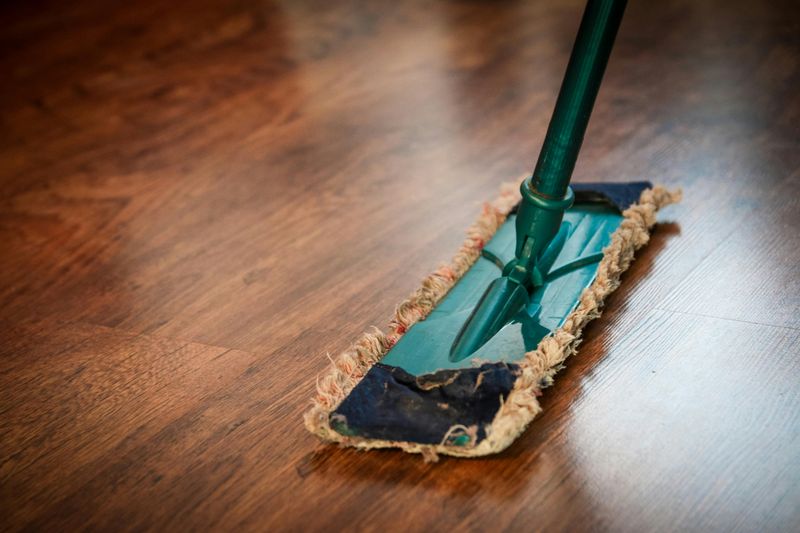
The marathon-cleaning tradition sounds efficient, but it can turn your only downtime into a weekly punishment.
When everything is saved for Saturday, the mess builds all week and makes the reset feel overwhelming.
That cycle often leads to burnout, which is why so many people end up doing nothing until things feel unmanageable.
A lighter daily routine, like a 10-minute tidy and a quick kitchen reset, keeps your home stable with less effort.
Then you can pick one focus area per week, such as bathrooms, floors, or dusting, instead of tackling everything at once.
This approach also helps you notice small problems earlier, like spills or clutter hotspots, before they become big tasks.
You still get a clean home, but you also get your weekends back, which is the kind of upgrade that matters.
11. Holding onto stained/“project” linens forever
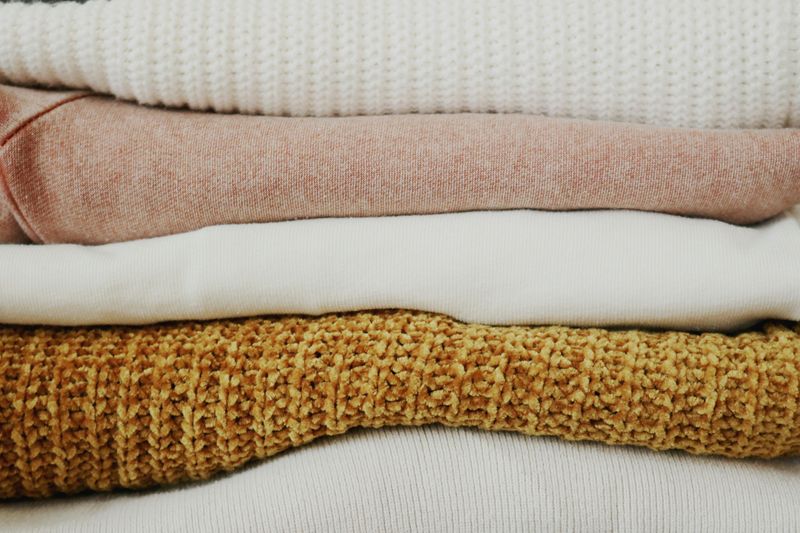
That pile of “I’ll cut these into rags someday” fabric tends to multiply faster than it ever gets used.
Keeping too many worn linens creates clutter that makes laundry areas and closets feel constantly crowded.
It also tricks you into thinking you have organization, when you actually have a growing backlog of unfinished intentions.
A smarter strategy is choosing a small, realistic rag bin and only keeping what fits comfortably inside it.
Old towels can become cleaning cloths, but once you have enough for a month of messes, extras are just storage waste.
If linens are still usable, donating them to animal shelters or textile programs can be a more meaningful exit plan.
Letting go of the “someday” stash makes your home easier to manage and your cleaning routine far less frustrating.
Comments
Loading…