
 Isabel Parker
15 Ways Adult Siblings Drift Apart (And How to Fix It)

Growing up, siblings can feel like built-in best friends who will always be there no matter what.
Then adulthood shows up with jobs, partners, kids, stress, and schedules that don’t line up neatly anymore.
Most sibling distance doesn’t happen because someone is cruel or doesn’t care.
It usually happens in small, understandable ways that quietly add up over years.
The good news is that drifting apart is often reversible when you treat it like a relationship worth maintaining.
A few intentional habits can rebuild closeness without forcing anyone to change their personality.
Below are fifteen common reasons adult siblings lose touch, along with realistic ways to reconnect.
1. They stop doing “small check-ins.”

A slow fade often starts when casual contact becomes “something we’ll do later” instead of “something we do.”
When you only talk during holidays or emergencies, every conversation carries extra pressure to be meaningful.
That pressure can make both of you procrastinate, because nobody wants a heavy catch-up after months of silence.
Over time, the lack of small updates creates the feeling that you no longer know each other.
The fix is to make connection lightweight and consistent, not perfect and rare.
Pick one simple ritual that fits your personalities, like sending a funny link on Fridays or a voice note on Sundays.
If you’re the initiator, say it plainly so it doesn’t feel like a test, and invite them into the pattern.
Consistency builds familiarity, and familiarity makes deeper conversations feel natural again.
2. Life stages get out of sync (kids, divorce, caregiving, career).
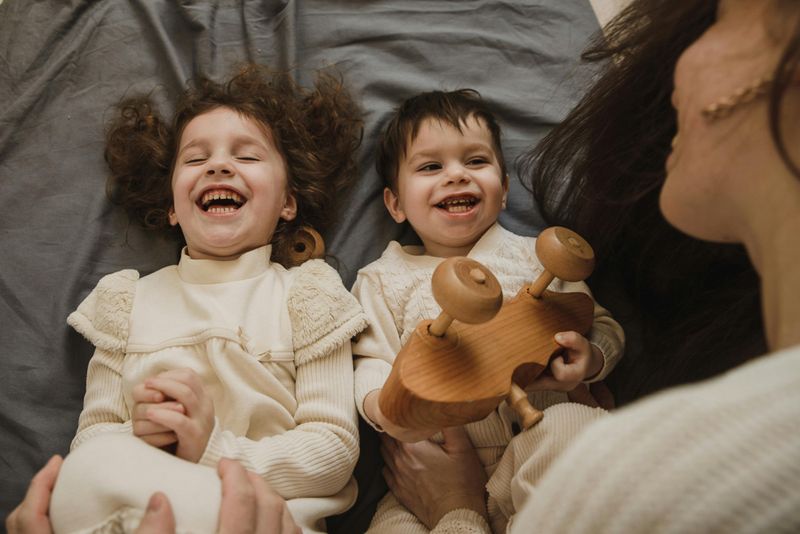
Adult siblings can love each other deeply while living in completely different realities.
One person may be in newborn chaos while the other is traveling, dating, or building a career with long hours.
When your days don’t look alike, it’s easy to assume the other person “doesn’t get it” or “doesn’t care.”
That misunderstanding grows when invitations are declined, or when someone shows up distracted and exhausted.
A better approach is to treat your sibling like someone you’re learning again, not someone you automatically understand.
Ask what their current season is like, and listen for what they need more than what you think they should need.
Then adjust expectations without resentment, because different seasons require different levels of availability.
When you honor the season, closeness becomes supportive instead of demanding.
3. Unequal emotional labor (one sibling always plans/reaches out).

Family relationships start to strain when the same person always texts first, plans visits, and remembers birthdays.
That imbalance can feel like being taken for granted, even if the other sibling genuinely cares.
The less-involved sibling may assume you enjoy organizing, while you quietly build a backlog of frustration.
Eventually, the organizer stops trying as a self-protective move, and contact drops dramatically.
The solution is not a dramatic confrontation, but a clear request with a practical plan.
Suggest alternating who initiates contact, or choose one shared calendar reminder so the responsibility is visible.
You can also ask for one specific action, like “Can you pick the date for our next call?”
When effort becomes shared, the relationship feels mutual instead of transactional.
4. Old family roles won’t die (the responsible one, the wild one, the baby).

Even as adults, siblings can slip into old scripts without noticing they’re doing it.
One person becomes the “responsible one,” another stays the “messy one,” and someone else is still treated like the baby.
Those roles can feel suffocating, because they erase your growth and keep you stuck in outdated expectations.
When a sibling labels you, you may react defensively, or you may disengage to avoid being reduced to a stereotype.
Repair starts with naming the pattern without blaming, because blame makes people double down.
Try saying you want to be seen as you are now, and ask what role they feel trapped in, too.
Then create new ways of relating, like sharing current goals, struggles, and wins instead of old stories.
When roles loosen, respect grows, and closeness follows.
5. Money differences create quiet resentment.

Financial gaps between siblings can turn ordinary choices into loaded moments.
One sibling may suggest an expensive dinner, while the other feels anxious but doesn’t want to seem difficult.
On the other side, the higher earner might feel judged for spending, or pressured to cover costs repeatedly.
Because money is emotional, unspoken discomfort can quickly become resentment or avoidance.
The fix is to make money logistics explicit, because clarity is kinder than guessing.
Offer a budget-friendly option first, or say what you’re comfortable spending without apologizing for it.
If you’re the one with more resources, ask what feels reasonable and give choices that preserve dignity.
When money is handled openly, time together stops feeling like a financial stress test.
6. Unresolved childhood hurts get re-triggered as adults.

Childhood hurts don’t always disappear just because everyone got older and moved out.
A single comment at a family dinner can bring back years of feeling dismissed, compared, or overlooked.
Adults often avoid these conversations because they fear drama, but avoidance keeps the pain active.
Distance can feel safer than revisiting the past, especially if the original hurt was never acknowledged.
Healing usually begins with one specific issue, not a full courtroom presentation of childhood history.
Use a calm moment to describe what happened and how it felt, without assigning a villain role.
Then ask what they remember, because understanding doesn’t require perfect agreement.
When feelings are validated and new boundaries are set, you can move forward without carrying the same emotional backpack.
7. Spouses/partners become the default priority—and siblings fade.

As relationships deepen, it’s natural for partners to get most of your time, attention, and daily updates.
The problem starts when your sibling becomes a “nice to have” instead of a relationship you actively maintain.
Over time, siblings can feel replaced, or they may assume you’re too busy and stop reaching out altogether.
This can be especially sharp if you once relied on each other emotionally and now that role is gone.
Reconnection doesn’t require choosing siblings over partners, but it does require protected space.
Create small traditions that don’t compete with family life, like a monthly lunch or a shared walk call.
Let your partner support the relationship instead of unintentionally swallowing it, by keeping plans predictable.
When siblings feel included and remembered, they stop interpreting busyness as rejection.
8. They only see each other at stressful family events.

Some siblings only see each other in settings packed with tension, obligation, and old dynamics.
Weddings, holidays, and caregiver meetings can put everyone on edge before the first hello.
When the only context you share is stressful, you begin associating each other with pressure instead of comfort.
That association makes it easier to avoid contact, because who wants more stress on purpose.
The fix is to create sibling time that exists outside the family system and its emotional weather.
Meet somewhere neutral, keep it short at first, and choose something light, like coffee or a casual meal.
Avoid turning the hangout into a family debrief, and focus on your lives right now.
Once you have positive experiences together, family gatherings stop being the only glue holding you together.
9. Communication styles clash (texting vs calling; blunt vs sensitive).

Adult siblings can care deeply while constantly missing each other’s meaning.
One person prefers long calls, while the other finds calls exhausting and would rather text in bursts.
A blunt sibling can sound harsh to a sensitive sibling, and a sensitive sibling can seem “dramatic” to a blunt one.
When style differences aren’t addressed, every interaction carries an extra layer of misunderstanding.
The fix is to agree on the “best channel” and the “best tone” without shaming either preference.
Ask what helps them feel connected and what makes them shut down, then share your own needs clearly.
It also helps to have a repair phrase, like “I’m not trying to fight, I’m just stressed.”
When you communicate in a way that lands well, you stop arguing about delivery and start hearing the message.
10. Politics/values differences turn every chat into a debate.

When siblings disagree on politics, parenting, religion, or lifestyle, conversations can become exhausting fast.
You might brace for impact before you even open a text, because you expect a lecture or a fight.
That anticipation makes avoidance feel like peace, even though it also creates distance and sadness.
The fix is to set boundaries that protect the relationship, not to pretend differences don’t exist.
You can say you’re willing to talk about hard topics, but only if the goal is understanding rather than winning.
If certain topics always spiral, agree to skip them and focus on shared ground, like memories, humor, or mutual support.
Respectful curiosity can replace debate when you ask, “How did you come to feel that way?”
When you prioritize connection over conversion, your bond becomes bigger than your opinions.
11. Jealousy about success, attention, or parental favoritism.

Comparisons between siblings can linger long after childhood, even if nobody says them out loud anymore.
A promotion, a happy marriage, or parental praise can trigger the old ache of feeling less seen or less chosen.
The sibling who is doing well may feel guilty or defensive, while the struggling sibling feels ashamed for being resentful.
Those emotions often lead to withdrawal, because distance is easier than admitting envy.
The fix starts with normalizing the feeling, because jealousy doesn’t automatically mean you’re a bad person.
You can name the insecurity without attacking, and ask for reassurance in a specific way.
The more successful sibling can help by celebrating without bragging and by showing genuine interest in the other person’s life.
When admiration replaces comparison, you can root for each other without turning life into a scoreboard.
12. Geographic distance makes connection feel like work.

Living in different cities can turn connection into a logistical puzzle rather than a natural part of life.
Time zones, busy calendars, and travel costs make it easy to postpone visits and calls indefinitely.
When you rarely see each other, you may feel like strangers who need a long explanation before you can relax.
That awkwardness can make you avoid reaching out, which only increases the distance emotionally.
A practical fix is to build shared experiences that don’t require travel.
Pick a show to watch together, play a simple phone game, or start a two-person book club with short chapters.
Then schedule a quick check-in to react, because the shared activity gives you something easy to talk about.
When you create small “together moments,” distance stops being the main character in your relationship.
13. Caregiving for parents becomes a scorecard.

When parents age or face health challenges, sibling dynamics can become tense almost overnight.
One sibling may do daily tasks while another handles finances, and both can feel like they’re doing more than the other.
Unspoken expectations turn into bitter assumptions, especially when stress and grief are already high.
Because everyone is overwhelmed, conversations can sound like accusations even when they start as simple questions.
The fix is structure, because structure reduces emotional guessing.
Use a shared document or group chat to list tasks, responsibilities, and deadlines so everyone can see the workload.
Talk about what is fair versus what is equal, because fairness considers time, location, and capacity.
When roles are clear and regularly revisited, caregiving becomes a team effort instead of a silent competition.
14. They don’t know each other as adults—only as “the kid version.”

Many siblings stay connected to the “kid version” of each other and stop updating their mental file.
If you still treat your brother like the reckless teenager or your sister like the quiet middle-schooler, closeness won’t deepen.
Adults change values, humor, habits, and dreams, but siblings sometimes assume they already know everything.
That assumption can make conversations feel shallow, because nobody is curious.
The fix is to actively reintroduce yourselves, the same way friends do over time.
Ask open-ended questions about what they’re into lately, what’s been hard, and what they’re proud of right now.
Share your own updates with honesty, not just highlights, because vulnerability invites connection.
When you keep learning each other, you build a relationship based on who you are today, not who you used to be.
15. They avoid conflict so long it becomes silence.

Some sibling rifts aren’t caused by one big blow-up, but by many small moments that never get repaired.
Each awkward interaction adds another reason to delay the next call, until the silence becomes the new normal.
Pride, fear, or discomfort can keep both people waiting for the other to make the first move.
The longer the gap, the harder it feels to return, because it seems like you need a huge explanation.
A gentle restart works better than a dramatic speech.
Send a message that acknowledges the distance, expresses care, and offers a simple next step, like coffee or a short call.
If the conversation gets emotional, focus on what you want now rather than proving who was right then.
When you treat repair as brave and ordinary, reconnection becomes possible again.
Comments
Loading…