
 Harper Hall
12 Forgotten ’80s Movies That Are Still Worth Watching Today
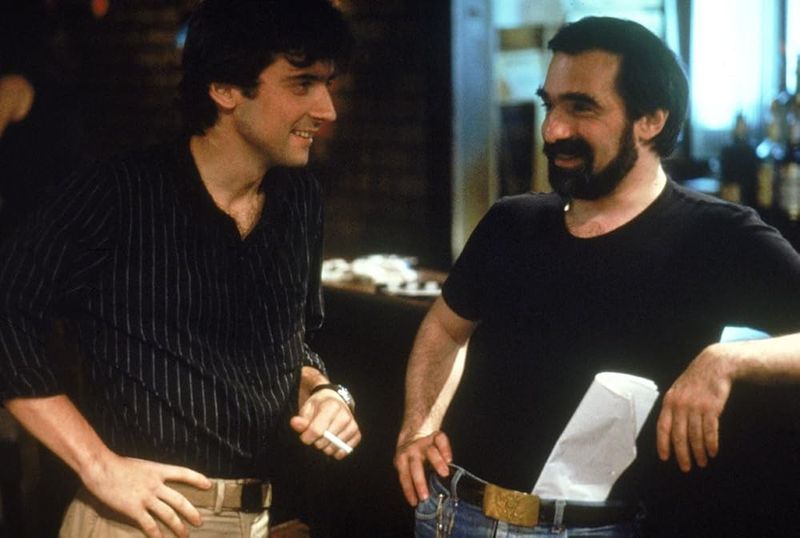
The 1980s gave us some of the most memorable movies ever made, but not every great film from that decade became a household name.
While blockbusters like E.T. and Back to the Future dominated the box office, dozens of other fantastic movies slipped quietly through the cracks.
Many of these hidden gems have earned devoted followings over the years, offering fresh stories, unforgettable characters, and filmmaking techniques that still hold up remarkably well today.
1. To Live and Die in L.A. (1985)

William Friedkin, the director behind The French Connection, delivered another gritty crime masterpiece that pushed boundaries in unexpected ways.
Secret Service agents chase counterfeiters through Los Angeles, but the line between good guys and bad guys gets dangerously blurry.
The movie features one of cinema’s most jaw-dropping car chases, filmed against traffic on a real freeway.
Friedkin refused to play it safe with his characters or his ending, creating a morally complex thriller that feels ahead of its time.
The neon-soaked visuals and pulsing electronic soundtrack create an unforgettable atmosphere.
Its controversial conclusion shocked audiences back then and still packs a punch today.
2. Manhunter (1986)
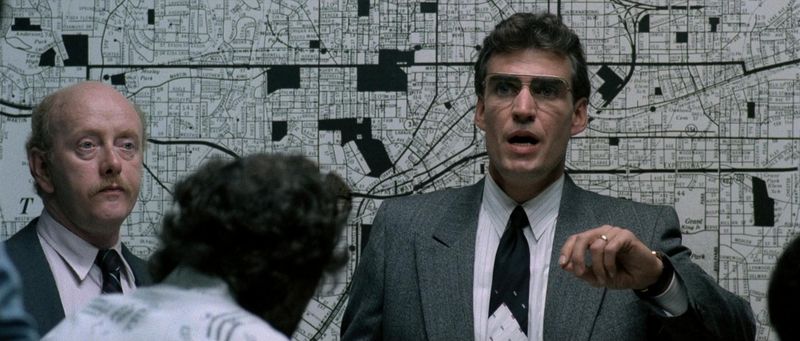
Before Anthony Hopkins made Hannibal Lecter famous, Brian Cox played the cannibalistic psychiatrist in this sleek psychological thriller from director Michael Mann.
FBI profiler Will Graham must consult the imprisoned Lecter to catch another serial killer, but the mental games take a serious toll.
Mann’s signature visual style transforms the hunt into an almost dreamlike experience, with bold colors and haunting music setting it apart from typical detective stories.
The film explores how getting inside a killer’s mind can damage your own sanity.
It introduced audiences to criminal profiling techniques that seemed cutting-edge at the time.
Though overshadowed by later adaptations, this remains the most artistically ambitious take on Thomas Harris’s novels.
3. After Hours (1985)
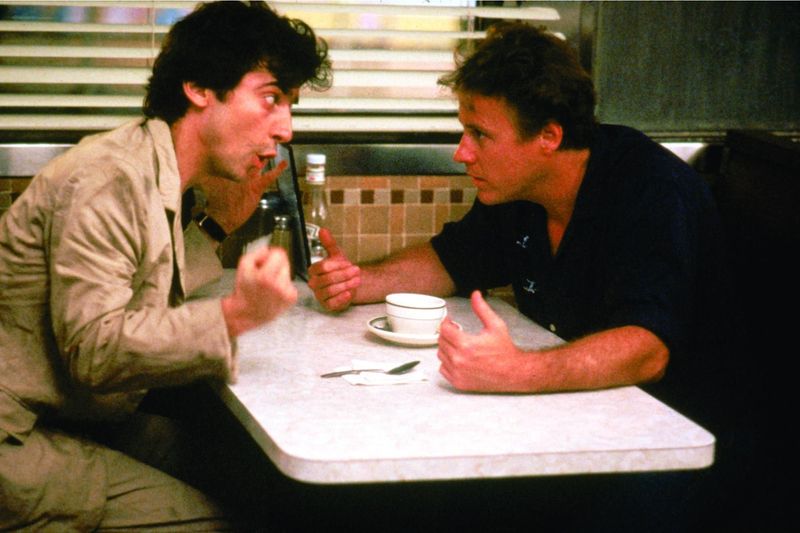
Martin Scorsese took a break from his usual crime dramas to create this darkly comic nightmare about one terrible night in New York City.
Paul Hackett just wants to meet a woman he likes, but everything that can go wrong does go wrong in the most bizarre ways imaginable.
The film captures the anxiety of being stuck in an unfamiliar place where nothing makes sense anymore.
Scorsese turns downtown Manhattan into a surreal maze filled with eccentric characters and escalating chaos.
What starts as a simple date quickly spirals into pure madness.
Critics initially overlooked this quirky gem, but it has since earned recognition as one of Scorsese’s most inventive works, perfectly capturing urban paranoia.
4. Real Genius (1985)

Val Kilmer shines as a brilliant but mischievous college student at a school for teen prodigies who discover their laser project is secretly being weaponized by the military.
Rather than taking itself too seriously, the film celebrates intelligence while poking fun at academic pressure and government bureaucracy.
The movie respects its brainy characters without making them stereotypical nerds, showing that smart people can also be funny, cool, and rebellious.
Kilmer’s performance as Chris Knight perfectly balances genius-level intellect with a laid-back attitude that hides deeper wisdom.
The climactic revenge involving popcorn remains one of cinema’s most creative and satisfying payoffs.
It’s smarter and funnier than most teen comedies from that era.
5. The Last Starfighter (1984)

Every kid who spent hours at arcade games dreamed this story could happen to them.
Alex Rogan lives in a trailer park and escapes boredom by playing a space combat game, only to discover it was actually a recruitment test for an alien defense force.
The movie pioneered the use of computer-generated imagery for its space battles, creating visuals that were revolutionary for 1984.
While the special effects may look dated now, the heart of the story remains timeless—an ordinary teenager discovering he has extraordinary purpose.
The wish-fulfillment fantasy still resonates with anyone who ever felt stuck in a small town.
It’s a charming reminder of when going to space felt genuinely possible.
6. Something Wicked This Way Comes (1983)
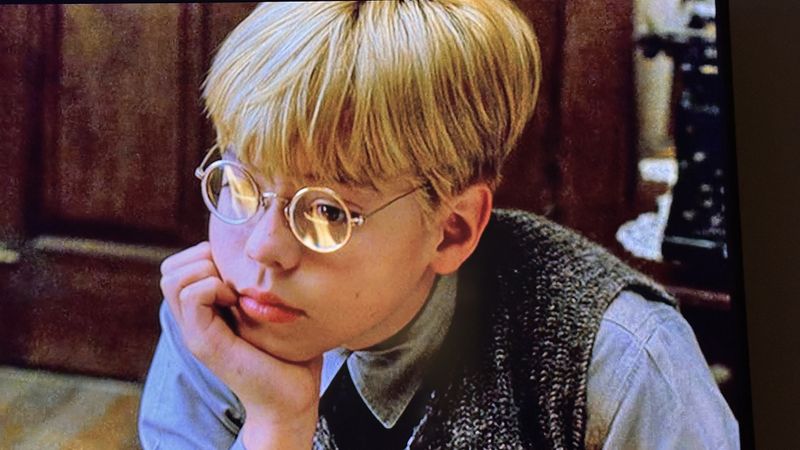
Ray Bradbury’s haunting novel came to life in this unusually dark Disney production about a sinister carnival that arrives in a small town offering people their deepest desires—for a terrible price.
Mr. Dark and his Pandemonium Carnival prey on human weakness, and two young boys must save their fathers from temptation.
The film captures Bradbury’s poetic prose and unsettling atmosphere, creating genuine chills rarely seen in family-friendly movies.
Jonathan Pryce delivers a memorably creepy performance as the carnival’s mysterious leader.
Disney took a real risk making something this scary and philosophical, exploring themes of aging, regret, and the cost of wishes.
It remains one of their most underappreciated and atmospheric films.
7. Better Off Dead (1985)

When Lane Meyer’s girlfriend dumps him for the captain of the ski team, he spirals into a surreal depression filled with singing hamburgers, paperboys demanding their two dollars, and a mother who serves truly horrifying meals.
This isn’t your typical teen romance—it’s wonderfully weird.
Director Savage Steve Holland created something that feels like a fever dream crossed with a John Hughes movie, throwing in animation, absurdist humor, and genuinely touching moments.
The film flopped initially because nobody knew what to make of its bizarre tone, but it found its audience on video.
John Cusack delivers a charmingly awkward performance that anchors all the strangeness.
Its offbeat humor has influenced comedies for decades.
8. Innerspace (1987)
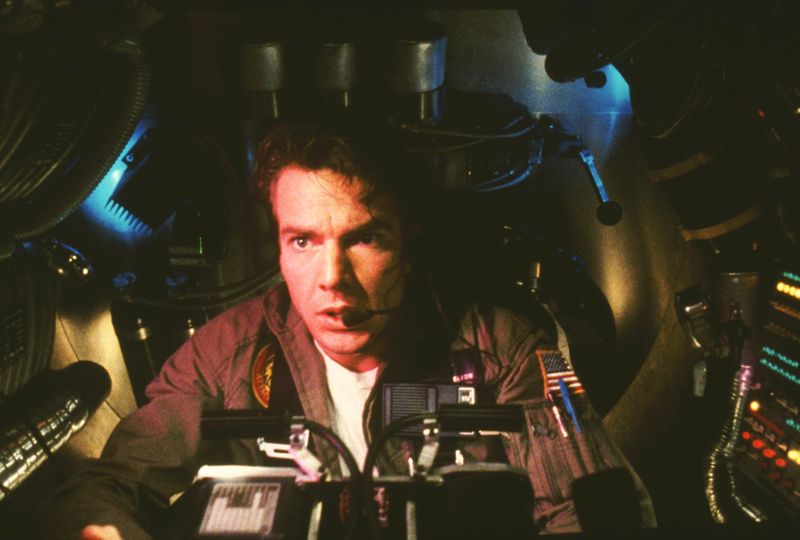
What happens when a miniaturized Navy pilot accidentally gets injected into a nervous grocery clerk instead of a laboratory rabbit?
Pure comedic chaos, that’s what. Dennis Quaid plays the tiny aviator stuck inside Martin Short’s body, forcing them to work together while being chased by villains who want the miniaturization technology.
Director Joe Dante packed the film with inventive visual effects that won an Academy Award, creating a fantastic voyage through the human body that’s both scientifically creative and wildly entertaining.
The chemistry between Quaid’s cocky pilot and Short’s panicky everyman drives the humor, while Meg Ryan adds romance to the mix.
It’s a perfect blend of science fiction concepts and buddy comedy.
The pacing never lets up for a second.
9. Midnight Run (1988)

Robert De Niro plays a bounty hunter who must transport an accountant who embezzled from the mob across the country, but Charles Grodin’s character turns out to be far more than the annoying passenger he expected.
What could have been a simple action movie becomes a character study about two lonely men finding unexpected friendship.
The script crackles with sharp dialogue and perfectly timed comedy, while De Niro and Grodin develop genuine chemistry that makes you care about both characters.
Director Martin Brest balances thrilling chase sequences with quieter moments that reveal deeper emotions.
The supporting cast of FBI agents, mobsters, and rival bounty hunters creates constant obstacles without overwhelming the central relationship.
It’s a masterclass in character-driven action comedy.
10. Blow Out (1981)
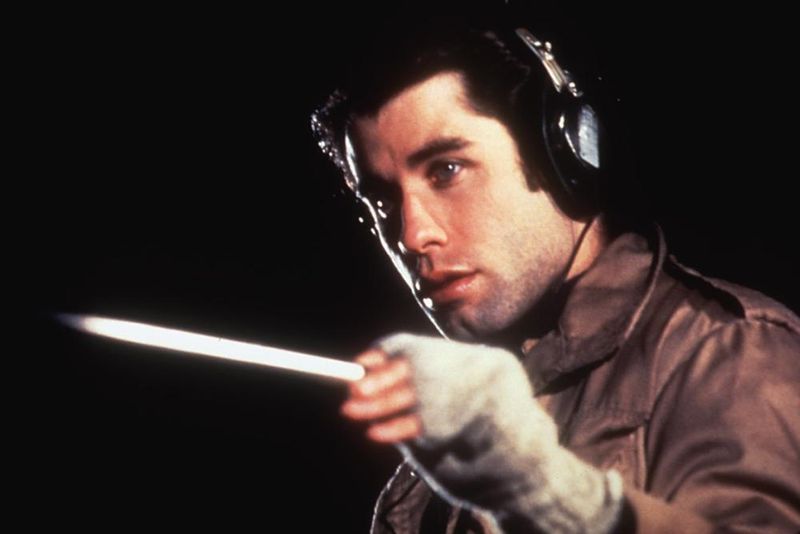
A movie sound technician recording audio for a low-budget horror film accidentally captures evidence of a political assassination, pulling him into a deadly conspiracy in Brian De Palma’s masterful thriller.
John Travolta’s character becomes obsessed with proving what he heard, even as powerful forces work to silence him.
De Palma demonstrates incredible technical skill, using split screens, long tracking shots, and sound design to create mounting paranoia and tension.
The film references both Blow-Up and real political scandals while crafting its own dark story about truth, media, and powerlessness.
Unlike typical conspiracy thrillers, this one doesn’t offer easy answers or comfortable resolutions.
It’s one of De Palma’s most accomplished and devastating works, deserving far more recognition.
11. Near Dark (1987)
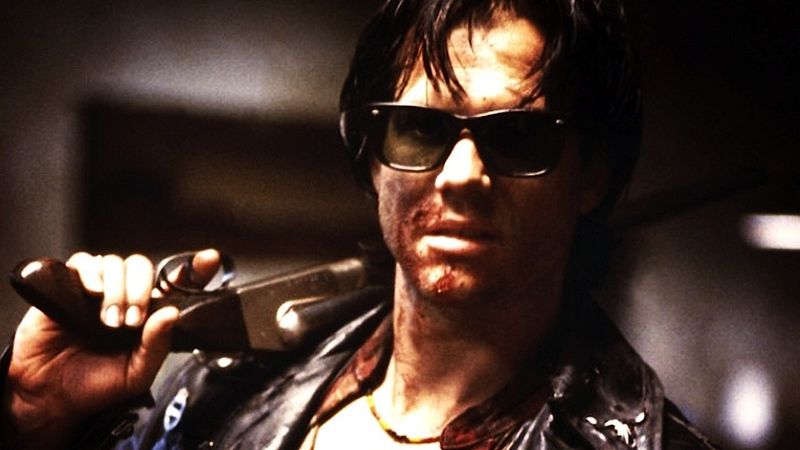
Director Kathryn Bigelow reimagined vampire mythology by stripping away castles and capes, instead setting her story among a nomadic gang of bloodsuckers roaming the American Southwest.
A farm boy falls for a mysterious woman and gets turned into a vampire, forcing him to choose between his humanity and his new family.
The film blends western and horror genres while focusing on character relationships rather than typical monster movie scares.
Bill Paxton delivers a terrifyingly unhinged performance as one of the vampire gang members.
Bigelow’s direction emphasizes the loneliness and violence of immortal life on society’s margins, creating something genuinely original in an overcrowded genre.
Its influence can be seen in countless vampire stories that followed.
12. They Live (1988)
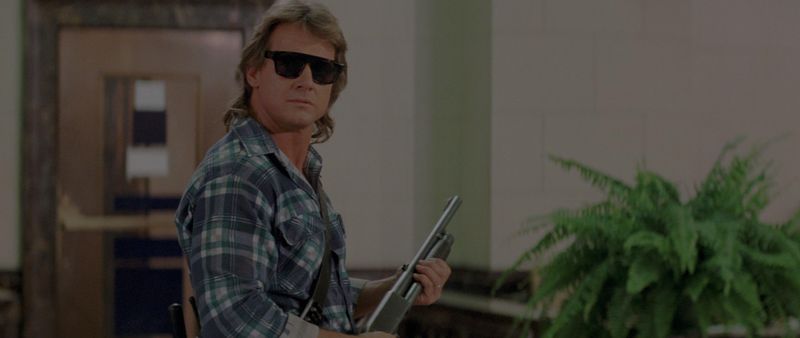
John Carpenter’s satirical science fiction film follows a drifter who discovers special sunglasses that reveal aliens have infiltrated society and are controlling humanity through subliminal messages in advertising and media.
What seems like a straightforward alien invasion story becomes sharp social commentary about consumerism and conformity.
The film’s famous fight scene—over whether someone will put on the glasses—goes on hilariously long but makes its point about how hard it is to make people see uncomfortable truths.
Carpenter uses B-movie aesthetics to deliver genuinely subversive ideas about class, capitalism, and media manipulation.
Though it earned modest box office returns, its cultural relevance has only grown stronger over time.
The message feels even more relevant in today’s world.
Comments
Loading…