
 Hailey Watson
These 10 Mom Traits Are Signs of Excellent Parenting
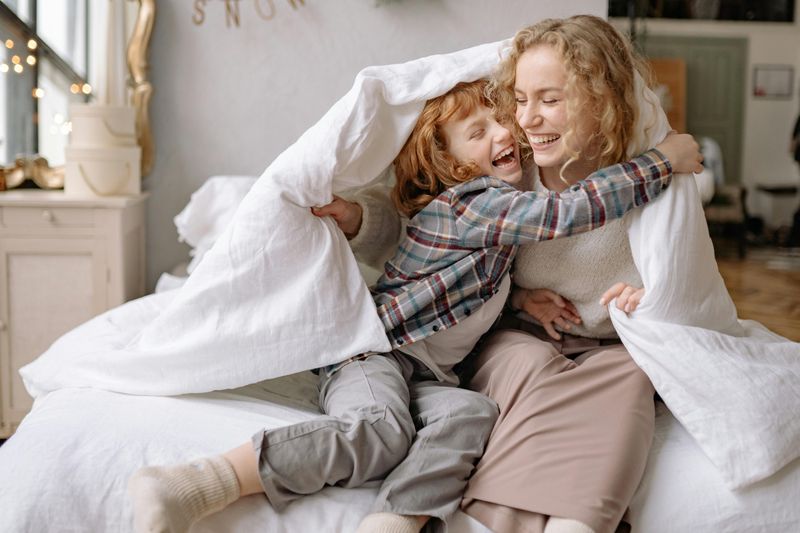
Great parenting doesn’t come with a perfect manual, but certain traits consistently stand out among moms who raise happy, confident, and well-adjusted children.
These qualities go beyond providing basic care—they shape the emotional foundation that kids carry into adulthood.
Recognizing these traits can help you appreciate the incredible work moms do every day and inspire you to nurture these qualities in your own parenting journey.
1. Unconditional Love

Love without strings attached creates a safe harbor where children can grow without fear of rejection.
When a mom loves her kids regardless of mistakes, bad grades, or messy rooms, she builds their self-worth from the inside out.
Children who receive unconditional love develop stronger emotional security and confidence.
They learn that their value isn’t tied to performance or perfection.
This foundation helps them take healthy risks, explore new interests, and recover from setbacks more quickly.
Expressing this love through words, hugs, and quality time reinforces the message daily.
Even during discipline or tough conversations, unconditional love shines through when moms separate the behavior from the child’s inherent worth.
2. Patience

Ever watched a toddler try to tie their shoes for twenty minutes?
That’s where patience becomes a superpower.
Moms who stay calm during tantrums, homework struggles, and repeated questions teach their children how to handle frustration without falling apart.
Patience isn’t about being perfect or never feeling annoyed. It’s about taking a breath before reacting and choosing understanding over anger.
Kids learn emotional regulation by watching how their moms handle stressful situations with grace.
When moms practice patience, they create space for children to learn at their own pace.
This approach builds resilience and shows kids that mistakes are part of growing, not reasons for shame or punishment.
3. Selflessness

Putting your children’s needs first doesn’t mean losing yourself—it means prioritizing their well-being while teaching them about sacrifice and care.
Moms who demonstrate selflessness show up for school events, postpone personal plans for sick days, and choose family dinners over social outings.
This trait builds trust because children see their mom consistently choosing them.
They learn that relationships require give-and-take, and sometimes love means putting others before yourself. It’s a powerful lesson in empathy and commitment.
Balance matters here, though.
Selfless moms also model healthy boundaries by taking care of their own needs, showing kids that self-care isn’t selfish—it’s necessary for being your best self for others.
4. Empathy

Walking in your child’s shoes transforms everyday conflicts into teaching moments.
Empathetic moms don’t just hear words—they tune into feelings, body language, and unspoken worries.
When a child says they hate school, an empathetic mom digs deeper to understand what’s really bothering them.
This emotional attunement helps children feel seen and understood.
They learn to identify and express their own emotions more effectively.
Research shows that kids raised by empathetic parents develop stronger social skills and healthier relationships throughout life.
Empathy also means validating feelings even when you can’t change the situation.
Saying “I understand you’re disappointed” acknowledges emotions without necessarily giving in to every demand, teaching emotional intelligence along the way.
5. Compassion
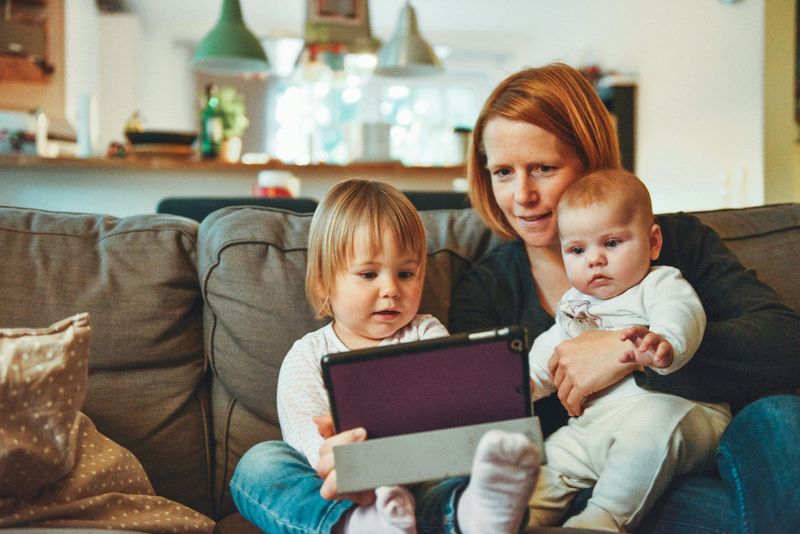
Compassion goes hand-in-hand with empathy but adds action to understanding.
When children struggle—whether with friendship drama, learning challenges, or fears—compassionate moms offer comfort and practical support.
They don’t dismiss concerns as silly or unimportant.
A compassionate response might look like extra cuddles after a bad day, helping brainstorm solutions to problems, or simply sitting with a child through difficult emotions.
This support system teaches kids that it’s okay to struggle and that asking for help is a strength, not a weakness.
Children raised with compassion learn to extend kindness to others.
They become the kids who notice when someone sits alone at lunch or when a classmate seems sad, carrying forward the care they’ve received.
6. Resilience
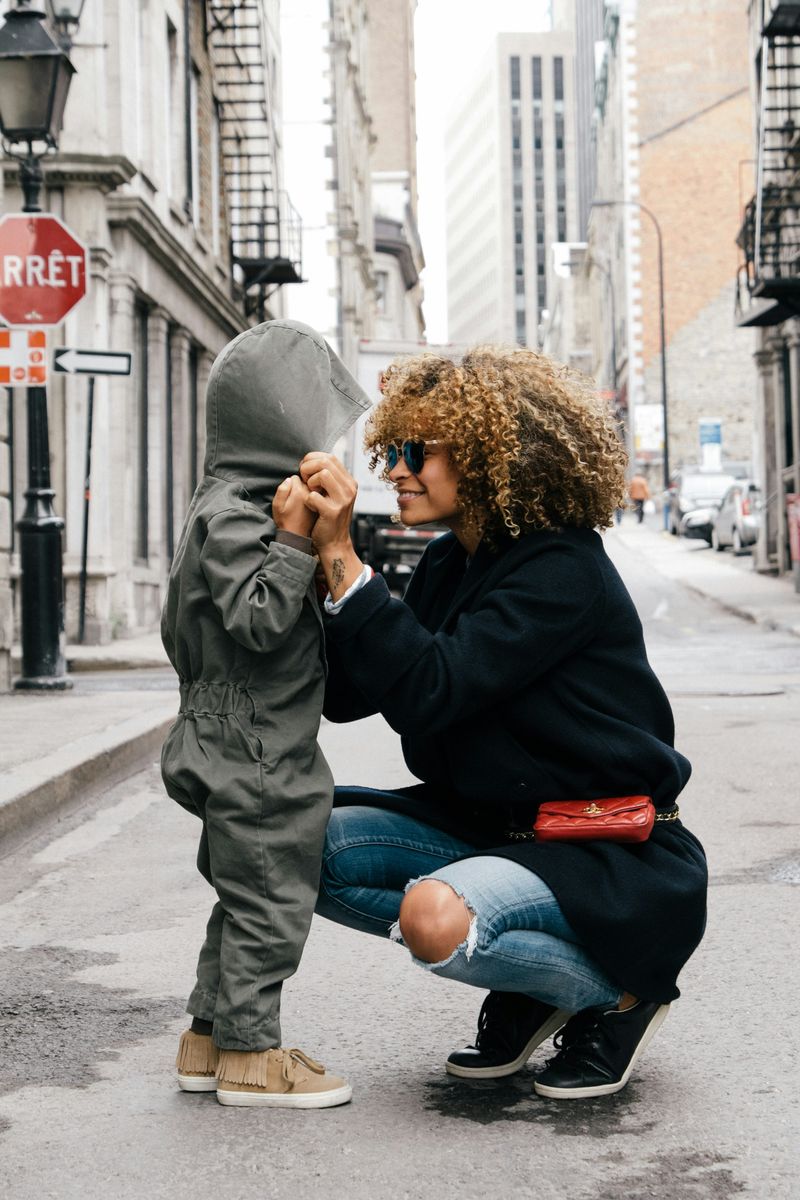
Life throws curveballs, and resilient moms show their children how to swing back.
Whether facing job loss, health challenges, or everyday setbacks, these moms demonstrate that difficulties don’t define you—your response does.
Kids watch and learn from every recovery.
Modeling resilience means being honest about struggles while maintaining hope and problem-solving.
It’s okay to let children see you upset, as long as they also see you pick yourself up, adapt, and keep moving forward with determination.
Did you know?
Studies show that children of resilient parents develop better coping mechanisms and mental health outcomes.
They learn that failure is temporary and that perseverance pays off, building grit that serves them throughout life.
7. Flexibility
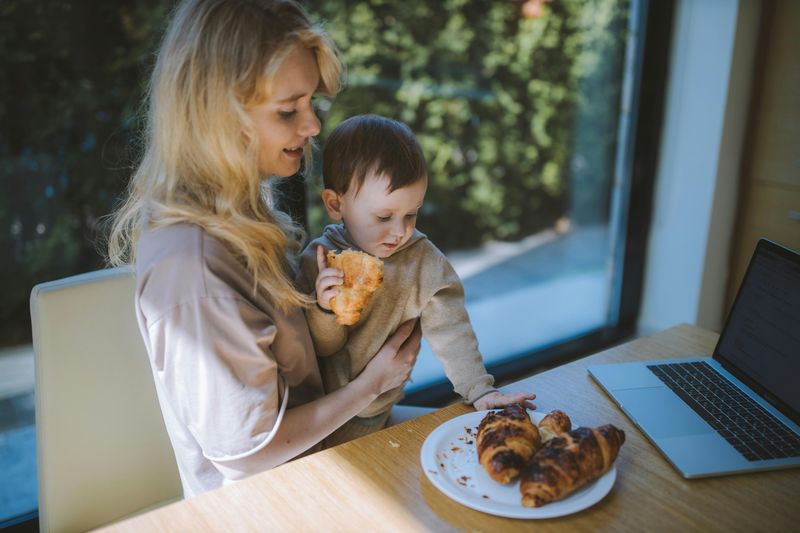
Rigid plans meet reality when you’re raising kids, and flexible moms roll with the changes.
They adjust schedules when children need extra support, modify rules as kids grow, and adapt parenting strategies to fit each child’s unique personality and developmental stage.
Flexibility doesn’t mean being a pushover.
It means recognizing that what worked last year might not work today, and being willing to try new approaches.
Maybe bedtime needs adjusting for a struggling sleeper, or homework routines need tweaking for better focus.
Children thrive when parents balance structure with adaptability.
They learn that change isn’t scary and that being open-minded helps solve problems.
This mindset prepares them for a world that constantly demands flexibility and creative thinking.
8. Consistency

While flexibility matters, consistency provides the framework children need to feel secure.
Moms who follow through on promises, maintain regular routines, and enforce rules fairly create predictable environments where kids can relax and flourish without constant uncertainty.
Consistent discipline teaches cause and effect.
When consequences are predictable rather than random, children learn to make better choices.
They understand boundaries and develop self-control because they know what to expect from their actions.
Consistency also applies to love and presence.
Showing up reliably—for meals, bedtime rituals, and important events—builds trust.
Children internalize the message that they can count on their mom, creating secure attachment that supports healthy development and future relationships.
9. Motivation

Cheerleaders come in many forms, but none are quite like moms who genuinely believe in their children’s potential.
Motivating moms encourage dreams, celebrate small victories, and help kids push through challenges without taking over or doing the work for them.
This support builds confidence and self-efficacy.
When children hear “I believe you can do this” followed by practical help breaking down big goals, they develop a growth mindset.
They learn that effort matters more than natural talent and that persistence leads to improvement.
Great motivators also know when to step back.
They avoid pushing their own unfulfilled dreams onto children, instead helping kids discover and pursue their authentic interests and passions with enthusiasm and genuine support.
10. Presence

In our distracted world, truly being present might be the most valuable gift a mom can give.
Presence means putting down phones during conversations, making eye contact when children speak, and actively participating in their world rather than just supervising from the sidelines.
Quality time beats quantity when attention is genuine.
A focused fifteen minutes playing blocks or discussing the school day creates stronger connections than hours of distracted co-existence.
Children spell love T-I-M-E, and they notice when you’re truly tuned in versus physically there but mentally elsewhere.
Present moms notice subtle changes in behavior, catch problems early, and build communication channels that stay open through the teenage years.
Their attentiveness shows children they matter enough to deserve undivided attention and genuine interest.
Comments
Loading…