
 Isabel Parker
If You Learned to Cook Young, You Likely Have These 11 Adult Skills

Learning to cook as a child does more than just teach you how to make a meal.
It quietly builds skills that show up in surprising ways throughout your adult life.
From handling stress to thinking on your feet, those early kitchen lessons shape how you approach challenges, relationships, and everyday decisions.
1. You Stay Calm Under Pressure

Burnt cookies, boiling pots overflowing, or a timer you forgot to set—kitchen mishaps happen fast.
When you’ve handled these moments as a kid, you learn that panic doesn’t fix anything.
Instead, you grab a towel, turn down the heat, and figure out the next step.
This same composure carries into adulthood.
Deadlines at work, unexpected problems, or last-minute changes don’t throw you off balance as easily.
You’ve already practiced recovering quickly when things go sideways, and that experience becomes second nature in high-pressure situations beyond the kitchen.
2. You Think Creatively in Real Time

Out of butter?
Use oil.
No basil?
Try oregano.
Cooking young means you get comfortable experimenting when the recipe doesn’t go exactly as planned.
You stop seeing missing ingredients as roadblocks and start viewing them as invitations to try something new.
That mindset sticks with you.
Whether you’re brainstorming at work, solving a household problem, or navigating an unexpected situation, you don’t freeze up.
You adapt, improvise, and trust yourself to find a solution on the spot.
Confidence in your ability to pivot comes from all those times you successfully tweaked a dish and it still turned out delicious.
3. You Understand Delayed Gratification

Waiting for bread to rise or a sauce to simmer teaches patience in a world that often demands instant results.
Cooking isn’t about shortcuts—it’s about trusting the process and knowing that good things take time.
That lesson becomes part of how you approach goals and projects as an adult.
You’re more willing to invest effort now for a payoff later.
Whether it’s saving money, building a skill, or working toward a long-term dream, you understand that rushing rarely improves the outcome.
Those early hours spent waiting for a meal to come together taught you the value of persistence and patience in every area of life.
4. You Treat Mistakes as Learning Opportunities

A fallen cake or an oversalted soup isn’t the end of the world when you’ve cooked since childhood.
You learn early that failure is just feedback.
Each mistake teaches you something—maybe you needed a lower temperature, or you should have tasted as you went.
This perspective transforms how you handle setbacks as an adult.
Instead of beating yourself up or giving up, you analyze what went wrong and try again with new knowledge.
You’re less afraid of making errors because you’ve seen firsthand how they lead to improvement.
That resilience and willingness to learn make you adaptable, resourceful, and far less likely to quit when things get tough.
5. You Notice Details Others Miss

A pinch too much salt, an extra minute in the oven, or the difference between simmering and boiling—cooking trains your eye for small but crucial details.
You learn that tiny adjustments can change everything, and that awareness doesn’t stay in the kitchen.
As an adult, you pick up on things others overlook.
Maybe it’s catching an error before it becomes a problem, noticing when someone needs help, or remembering the little preferences that make people feel seen.
Your ability to focus on specifics comes from years of measuring, tasting, and timing meals where precision mattered, and it makes you more observant in all your interactions.
6. You Manage Multiple Tasks Efficiently

Chopping vegetables while pasta boils, checking the oven timer, and setting the table all at once—cooking is a masterclass in multitasking.
You learn to keep several things moving forward without losing track of any single step.
That skill becomes invaluable in adulthood.
Whether you’re juggling work projects, household chores, or family responsibilities, you know how to prioritize and organize.
You’ve practiced breaking big tasks into smaller steps and managing your time so everything comes together smoothly.
The organizational habits you built while coordinating a meal from start to finish help you stay on top of life’s many demands without feeling overwhelmed or scattered.
7. You Prioritize Quality Over Convenience

When you’ve made a meal from scratch, you know the difference between real food and quick fixes.
Cooking young teaches you that effort and care produce better results than shortcuts.
You develop a taste for quality that shapes your choices far beyond the dinner table.
As an adult, you’re more likely to invest in things that last, choose experiences over speed, and value craftsmanship.
You’re less tempted by the easiest option because you understand that quality requires intention.
Whether it’s how you spend your time, the products you buy, or the relationships you build, you lean toward what’s meaningful and well-made rather than what’s merely convenient.
8. You Naturally Connect with Others Through Generosity
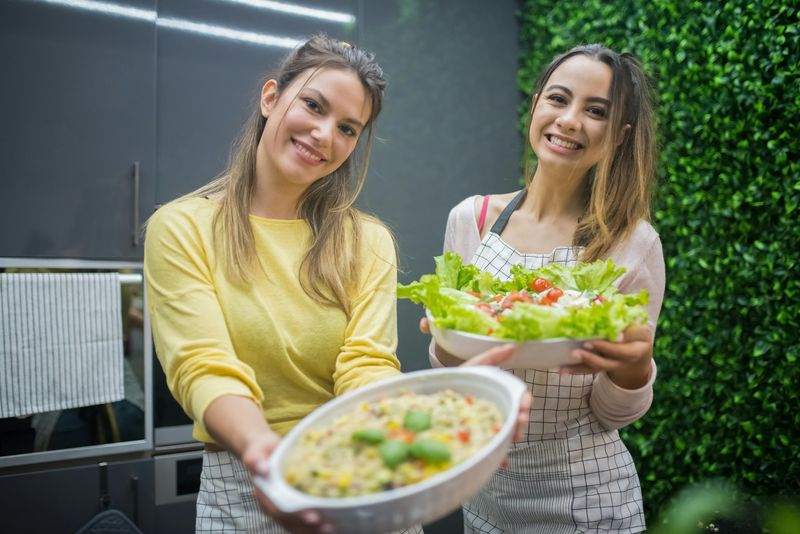
Sharing a meal you made with someone creates an instant connection.
Cooking for others as a child teaches you that food is more than fuel—it’s a way to show love, care, and thoughtfulness.
That instinct to give stays with you.
As an adult, you find yourself naturally generous.
Whether it’s bringing a dish to a gathering, offering help without being asked, or simply making someone feel welcome, you understand that small acts of kindness build strong relationships.
Your early experiences in the kitchen taught you that sharing what you create brings people together, and that lesson shapes how you interact with the world around you every single day.
9. You Approach Tasks with Mindfulness

Cooking demands your full attention.
You can’t chop vegetables while distracted or stir a sauce on autopilot and expect good results.
Early kitchen time teaches you to be present, to focus on what’s in front of you, and to engage fully with the task at hand.
That mindfulness becomes a habit.
As an adult, you’re better at being in the moment, whether you’re working on a project, having a conversation, or tackling a challenge.
You’ve trained yourself to notice what you’re doing and why, which makes you more intentional, aware, and effective.
The presence you practiced while cooking translates into clearer thinking and deeper engagement in everything you do.
10. You Understand Systems and Processes

Recipes are blueprints.
They show you how individual steps connect to create a final result.
Cooking young trains you to see the bigger picture while respecting each small part of the process.
You learn that skipping steps or rushing through them affects the outcome.
This understanding helps you navigate complex situations as an adult.
Whether you’re planning a project, solving a problem, or learning something new, you recognize that success comes from following a logical sequence.
You’re comfortable breaking down complicated tasks into manageable steps and trusting the process to lead you where you need to go.
That systems thinking makes you more effective, patient, and strategic in nearly every area of life.
11. You Make Healthier Food and Lifestyle Choices

When you’ve cooked with real ingredients, you know what goes into your food.
You’ve seen how much sugar, salt, or fat some recipes require, and you’ve tasted the difference fresh produce makes.
That awareness sticks with you and influences your choices for life.
As an adult, you’re more conscious about what you eat and how you take care of yourself.
You read labels, choose whole foods more often, and understand the connection between what you consume and how you feel.
Early exposure to cooking builds a foundation of nutrition knowledge that helps you make smarter, healthier decisions without it feeling like a chore.
It becomes part of who you are.
Comments
Loading…