
 Isabel Parker
People Who Change Into Comfy Clothes the Moment They Get Home Share These 12 Traits
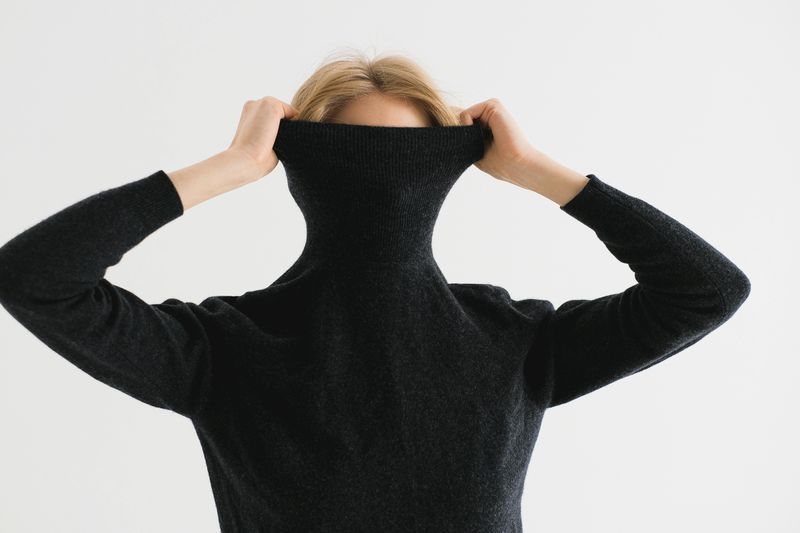
Have you ever noticed how some people practically race to put on their softest pants the second they walk through the door?
That quick wardrobe change isn’t just about comfort—it reveals something deeper about their personality and approach to life.
People who swap their work clothes for cozy attire share surprising traits that shape how they handle stress, set boundaries, and care for themselves.
1. They Prioritize Personal Comfort

Choosing ease over appearances becomes second nature once the front door closes.
For these individuals, there’s no point in maintaining a polished look when nobody’s watching and relaxation is calling.
Tight waistbands, stiff collars, and formal shoes get tossed aside without hesitation.
Physical comfort directly impacts their mood and energy levels, making the switch feel necessary rather than optional.
This mindset reflects a healthy understanding that looking presentable matters in public, but home is where authenticity lives.
They refuse to sacrifice their well-being for the sake of keeping up appearances in their own sanctuary.
2. They Use Clothing as a Mental Reset
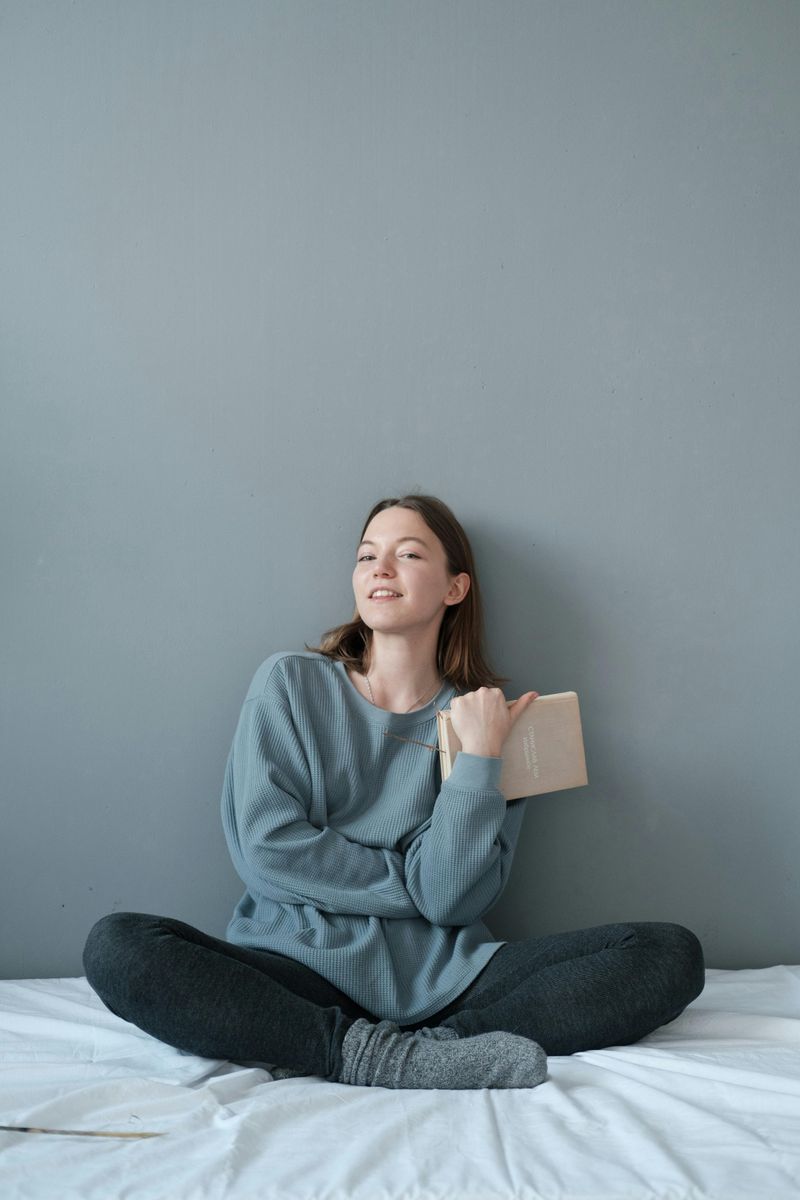
Stripping off work attire acts like flipping a mental switch from professional mode to personal time.
The physical act of changing creates a psychological boundary that helps the brain transition between different roles.
Many find that keeping their work clothes on keeps their mind stuck in work mode.
Slipping into something soft signals to the brain that it’s finally time to unwind and let go of the day’s tension.
This simple ritual becomes a powerful tool for mental health.
It’s not just about fabric—it’s about intentionally closing one chapter before opening another, creating space for genuine rest and recovery.
3. They Set Clear Personal Boundaries

When comfy clothes go on, the workday officially ends.
This physical transformation marks a firm line between outside obligations and protected personal time that cannot be crossed easily.
People who practice this habit rarely check work emails while wearing their favorite joggers.
The wardrobe change reinforces that certain hours belong exclusively to rest, family, hobbies, or simply doing nothing at all.
Setting boundaries this way prevents burnout and protects relationships.
By creating visible markers between different life areas, they maintain healthier balance and give themselves permission to fully disconnect from professional demands.
4. They’re Highly Self-Aware

Recognizing when stress levels climb requires paying attention to subtle body signals.
These individuals notice tension building in their shoulders, tightness in their chest, or irritation from restrictive clothing before things escalate.
Instead of ignoring discomfort, they respond with intention.
Changing into soft clothes becomes part of a larger pattern of listening to their needs and taking action before small problems become big ones.
This heightened awareness extends beyond clothing choices into other areas of life.
They’re more likely to pause when overwhelmed, speak up when boundaries get crossed, and prioritize self-care without guilt or second-guessing.
5. They’re Sensitive to Sensory Input

Scratchy tags, tight elastic, and stiff fabrics become unbearable after hours of tolerating them.
What others might barely notice feels genuinely irritating to those with heightened sensory awareness.
Restrictive waistbands digging into skin or synthetic materials that don’t breathe can ruin an entire evening.
Switching to soft cotton, fleece, or stretchy materials brings immediate physical relief that dramatically improves their mood.
This sensitivity isn’t weakness—it’s honest awareness of how the body experiences the world.
Honoring these needs rather than pushing through discomfort reflects self-respect and practical wisdom about what truly matters at home.
6. They Treat Home as a Sanctuary
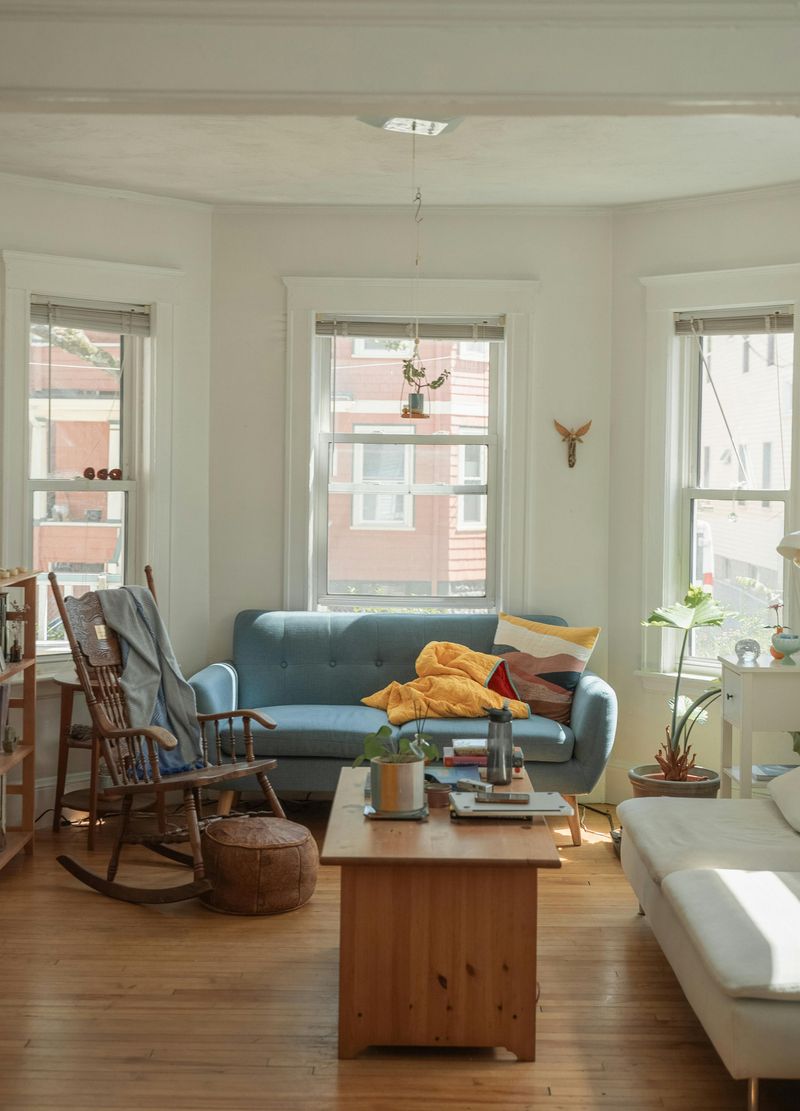
Walking through the door means entering a sacred space designed for peace and restoration.
Every element, including clothing choices, supports this atmosphere of safety and calm.
These individuals deliberately create environments where they can fully exhale.
Harsh lighting gets dimmed, shoes come off immediately, and uncomfortable clothing gets replaced with garments that feel like a warm hug.
Protecting this sanctuary matters deeply because the outside world demands so much energy.
Home becomes the one place where they can completely let their guard down, recharge their batteries, and remember who they are beneath all the roles they play.
7. They Favor Practical Solutions

Why stay uncomfortable when a simple wardrobe change fixes the problem instantly?
This straightforward thinking drives their quick-change habit and reflects a broader approach to problem-solving.
They appreciate efficiency and don’t waste energy on complicated solutions when easy ones exist.
Spending thirty seconds changing clothes delivers hours of improved comfort and better mood—that’s an excellent return on investment.
This practical mindset shows up in other areas too.
They’re the ones who keep emergency snacks in their desk, charge their phone before it dies, and fix small annoyances before they become major frustrations.
Smart, simple habits make life better.
8. They Lean Toward Introversion
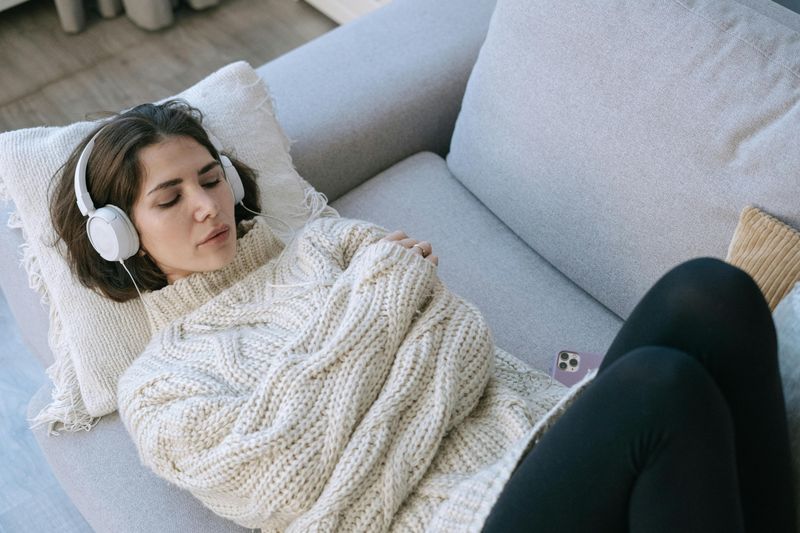
Social interaction drains their energy battery, even when they enjoy the company.
Coming home means finally escaping the constant stimulation of being around others and performing expected social behaviors.
Changing into comfy clothes symbolizes shedding the social armor required for navigating the outside world.
Soft pants and oversized shirts signal that nobody’s watching anymore, and they can finally just exist without effort.
Quiet time alone helps them process the day and recharge for tomorrow.
This isn’t antisocial—it’s essential maintenance for their mental health and ability to show up authentically in relationships that matter.
9. They Practice Everyday Self-Care

Grand spa days and expensive wellness retreats sound nice, but small daily rituals actually sustain well-being.
Changing into soft clothes ranks among these tiny acts of kindness they show themselves regularly.
They understand that self-care isn’t always Instagram-worthy or elaborate.
Sometimes it’s just honoring your body’s need for comfort after a long day of meeting everyone else’s expectations and demands.
These small choices accumulate into significant impacts on mental health over time.
By consistently prioritizing little comforts, they build a foundation of self-respect that supports them through bigger challenges when life gets truly difficult.
10. They Regulate Emotions Intentionally

Frustration, anxiety, and tension get stored in the body throughout the day.
The act of removing restrictive clothing helps physically release some of that accumulated stress and emotional weight.
This conscious shift supports emotional balance by creating space between the stressful day and the peaceful evening.
The body relaxes, breathing deepens, and the nervous system begins shifting from fight-or-flight into rest-and-digest mode.
Rather than carrying work stress into family time or personal hours, this habit helps them reset emotionally.
It’s a deliberate strategy for managing feelings and maintaining stability rather than letting emotions control their entire evening.
11. They Prefer Routine and Structure
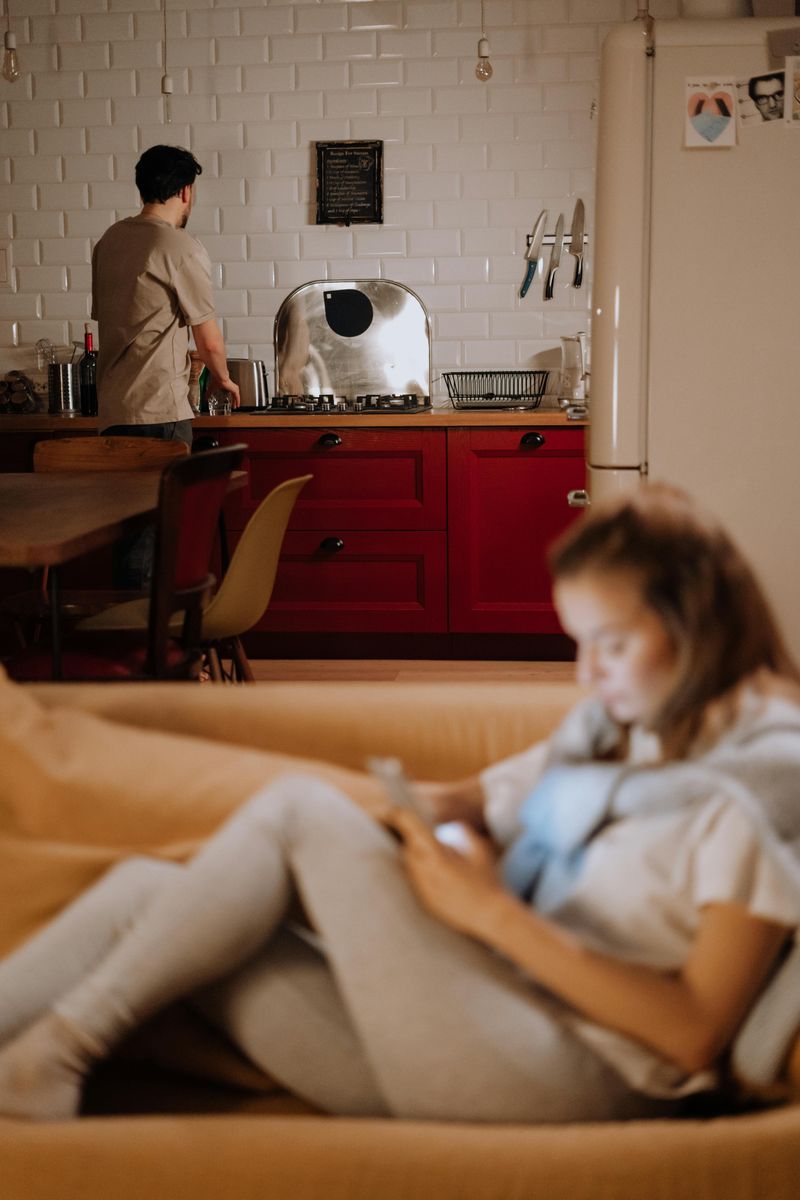
Predictable patterns create a sense of control in an unpredictable world.
Following the same comfortable routine each evening—including the immediate clothing change—provides reassuring structure that calms anxious thoughts.
When everything else feels chaotic, this simple habit remains constant.
Walking in, changing clothes, and settling into home mode becomes an anchor that grounds them no matter what challenges the day brought.
Structure doesn’t mean rigidity—it means creating reliable touchpoints throughout the day.
These familiar rituals reduce decision fatigue and conserve mental energy for things that actually require thought and attention rather than automatic habits.
12. They Value Inner Peace Over Appearances

Once home, feeling good matters infinitely more than looking polished.
The pressure to maintain a certain image disappears completely when the only audience is themselves or their closest loved ones.
They’ve learned that chasing external validation exhausts the soul.
Home represents freedom from judgment, where mismatched socks and worn sweatpants carry no shame because comfort and authenticity reign supreme.
This value system reflects emotional maturity and self-acceptance.
They know their worth isn’t determined by appearance, and they refuse to sacrifice genuine well-being for superficial standards that serve no real purpose in their private sanctuary.
Comments
Loading…