
 Isabel Parker
Let’s Be Honest—These 13 Anime Villains Kind of Had a Point
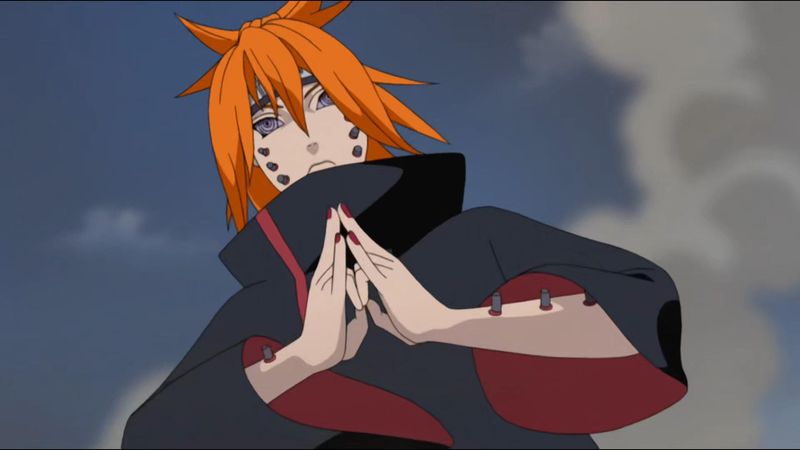
Not every villain is purely evil. Some anime antagonists actually raise valid concerns about their worlds, making us question who the real bad guy is. Their methods might be extreme, but their core arguments? Sometimes those hit uncomfortably close to home.
1. Itachi Uchiha
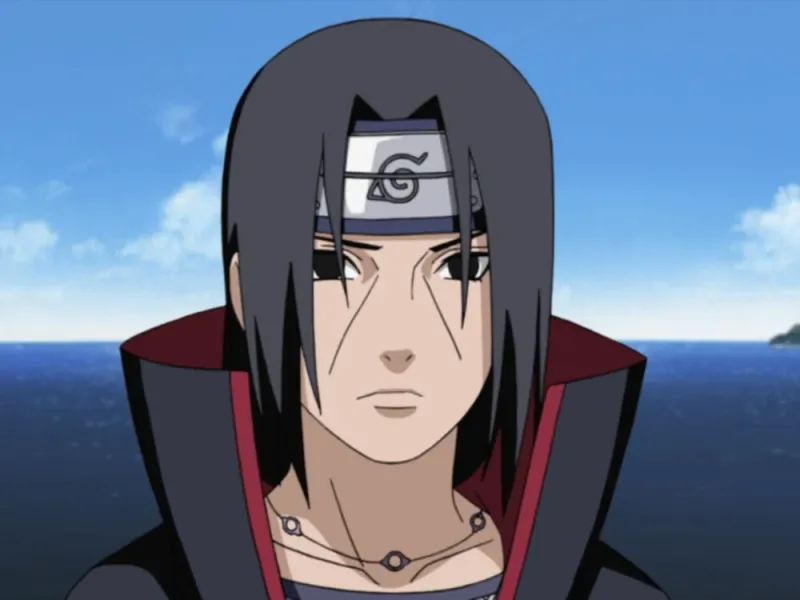
Choosing between your family and your entire village sounds impossible.
Itachi made the horrifying decision to eliminate his clan to prevent a coup that would have sparked civil war.
He believed sacrificing dozens to save thousands was the mathematical answer to an unsolvable problem.
The Uchiha clan was planning to overthrow the government, which would have resulted in countless deaths.
His logic followed a strict utilitarian philosophy.
Preventing a larger catastrophe sometimes requires unthinkable actions.
Itachi lived as a villain to maintain peace, bearing that burden alone.
He protected his village while letting everyone believe he was a monster.
That kind of selflessness deserves recognition.
2. Light Yagami
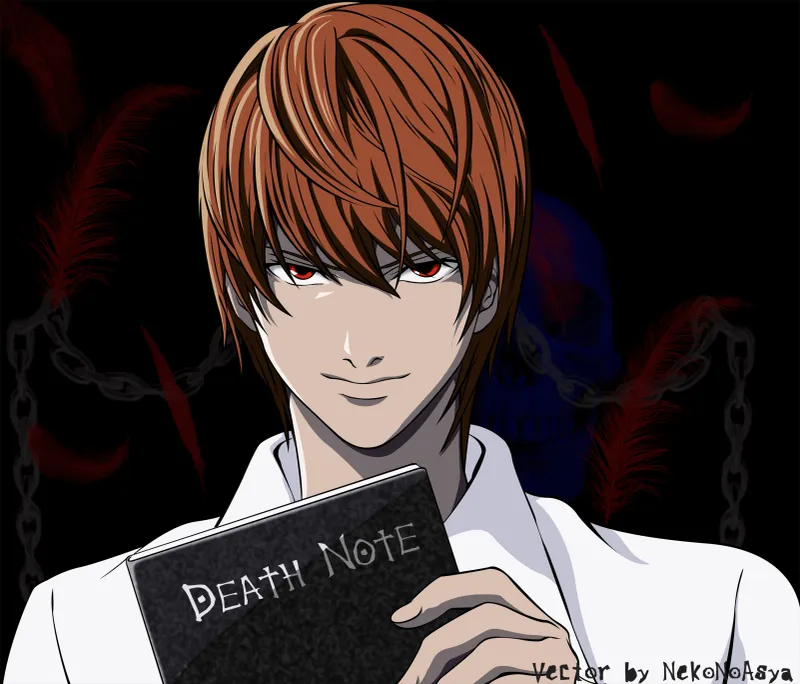
What if you could eliminate every murderer with just a name?
Light discovered the Death Note and decided to create a crime-free world by executing criminals.
His initial intentions stemmed from frustration with a justice system that fails victims.
Violent crime did decrease dramatically under his reign as Kira.
Criminal organizations disbanded out of fear.
The question becomes: who decides who deserves death?
Light’s methods were extreme, but his criticism of ineffective justice systems resonated globally.
Many criminals escape consequences through wealth or legal loopholes.
His approach eliminated that inequality, though it replaced one flawed system with another.
Power corrupts absolutely, unfortunately.
3. Madara Uchiha
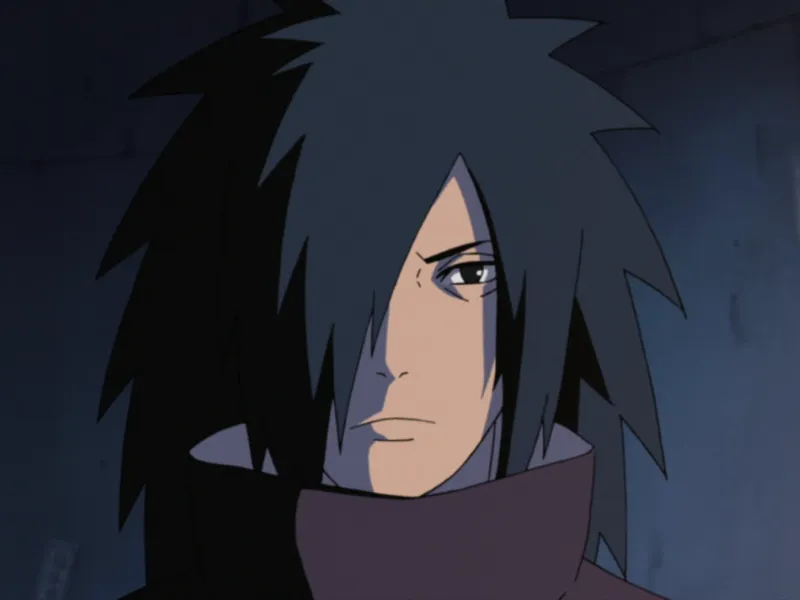
Imagine ending all suffering by creating a perfect dream world.
Madara witnessed endless conflict throughout his long life and concluded that reality itself was flawed.
His Infinite Tsukuyomi would trap everyone in personalized illusions where they’d experience their ideal lives.
No more war, hunger, or loss—just eternal happiness.
The concept raises philosophical questions about whether blissful ignorance beats painful reality.
Can manufactured happiness substitute for authentic experience?
Madara believed free will caused suffering since people make terrible choices.
His solution removed choice entirely.
While dystopian, his observation about humanity’s self-destructive tendencies wasn’t entirely wrong.
We do cause our own misery.
4. Stain
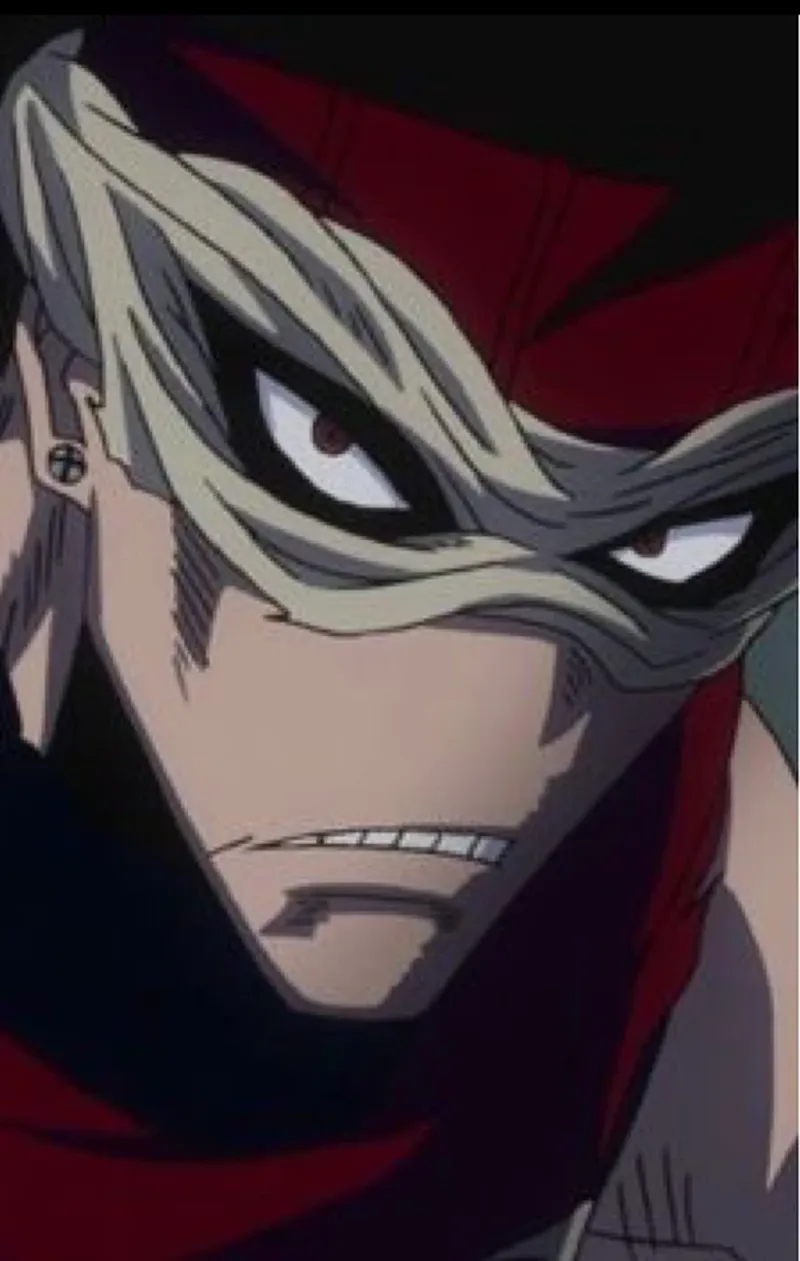
Heroes who prioritize fame over saving lives deserve criticism.
Stain targeted pro heroes he deemed unworthy, believing most entered the profession for money and celebrity status rather than genuine heroism.
He idolized All Might as the only true hero who embodied selfless sacrifice.
His extreme purge aimed to restore integrity to a corrupted system.
The commercialization of heroism does create problems.
When saving people becomes a business, profit motives can overshadow moral obligations.
Stain’s violent methods were inexcusable, but his core complaint about fake heroes resonated with society.
He sparked important conversations about what heroism truly means.
Intentions matter in service professions.
5. Meruem

Born as the ultimate predator, Meruem initially viewed humans as livestock.
His species stood at the top of the food chain, making human dominance seem like arbitrary privilege.
Meruem questioned why humans believed they deserved to rule Earth when stronger beings existed.
From a purely biological standpoint, his logic followed natural selection principles.
The strong survive while the weak perish.
Humanity’s self-appointed superiority does seem contradictory.
We consume animals without guilt, so why shouldn’t a superior species consume us?
Meruem’s evolution through his relationship with Komugi showed growth, but his initial worldview challenged human-centric thinking.
Nature operates without morality.
6. Pain

Watching your friends die in endless wars changes you.
Pain believed the only path to true peace was through mutual suffering.
He argued that nations would never stop fighting unless they experienced devastation so horrible they’d fear repeating it.
His plan involved creating a weapon so terrifying that nobody would dare start conflicts.
The cycle of hatred between nations really does perpetuate violence.
Smaller countries become battlegrounds for larger powers without consequence.
Pain’s homeland was destroyed repeatedly by wars it never started.
His extreme solution came from genuine trauma and a desire to protect others from experiencing similar loss.
Sometimes the oppressed become oppressors themselves.
7. Scar
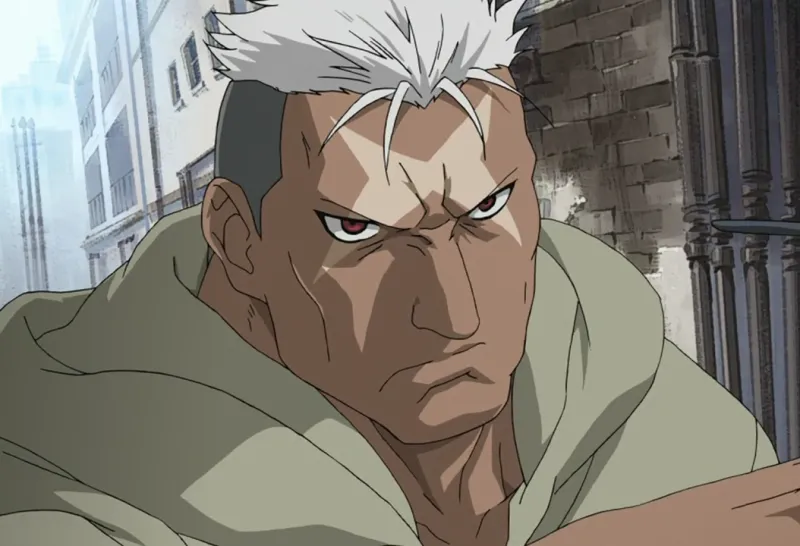
Revenge feels justified when your entire people face genocide.
Scar’s Ishvalan community was systematically exterminated by State Alchemists during a brutal military campaign.
His quest to kill alchemists came from witnessing family and friends murdered.
The government used alchemists as weapons of mass destruction against his homeland.
His anger toward those who participated in ethnic cleansing made sense.
State-sponsored violence leaves deep scars.
The military never faced consequences for war crimes.
Scar’s vigilante justice filled a void left by a corrupt system.
While violence breeds more violence, his pain was valid.
Oppressed groups deserve acknowledgment.
8. Aizen
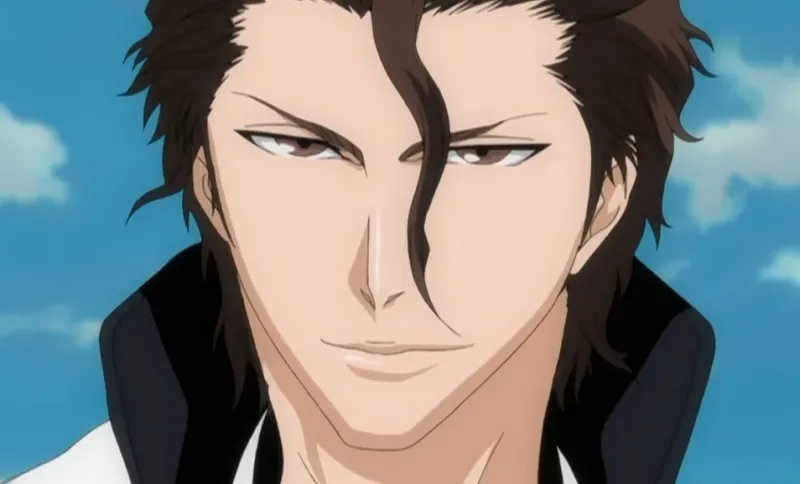
Why should an imperfect king rule over superior beings?
Aizen challenged the Soul Society’s power structure, questioning why the Soul King—a mindless figurehead—governed existence.
He believed the system was fundamentally broken and that someone with vision should lead instead.
His criticism of blind obedience to tradition had merit.
The Soul Society operated on outdated hierarchies that nobody questioned.
Stagnant systems do resist necessary change.
Aizen’s intelligence far exceeded his peers, making him frustrated with institutional limitations.
His methods were manipulative and cruel, but his observations about corrupt leadership structures weren’t wrong.
Sometimes revolutionaries have valid complaints.
9. Eren Yeager
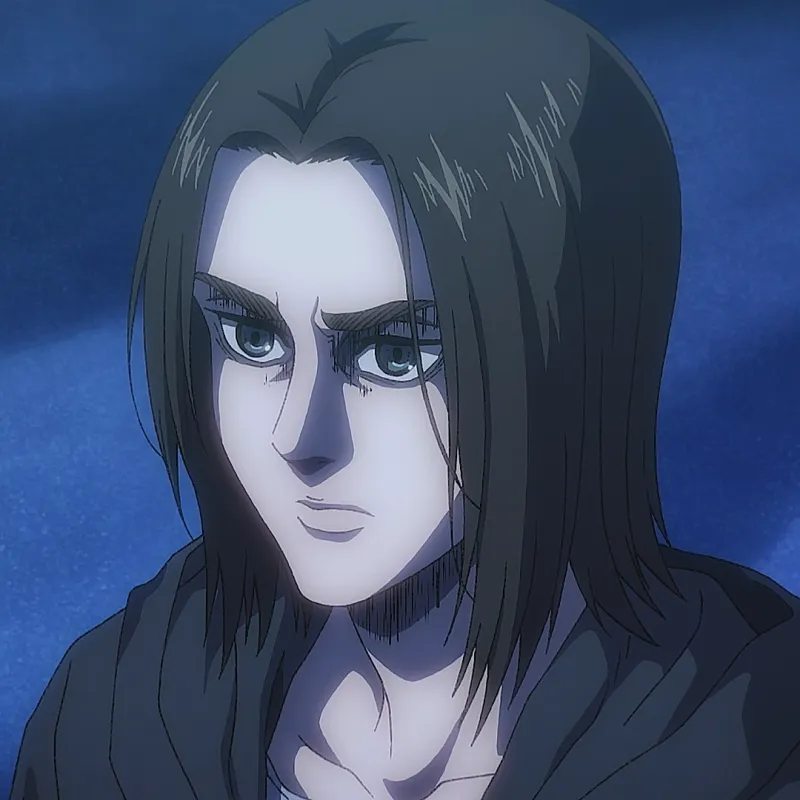
Discovering the world wants your people extinct changes everything.
Eren learned that humanity beyond the walls viewed Eldians as monsters deserving extermination.
Centuries of oppression and planned genocide radicalized him toward a preemptive strike.
His reasoning followed a dark logic: eliminate threats before they eliminate you.
The outside world genuinely did want Paradis Island destroyed.
Self-defense becomes complicated on a global scale.
Eren chose his people’s survival over the rest of humanity.
While his actions were genocidal, the existential threat against Eldians was real.
Desperation breeds terrible solutions.
10. Makishima Shogo
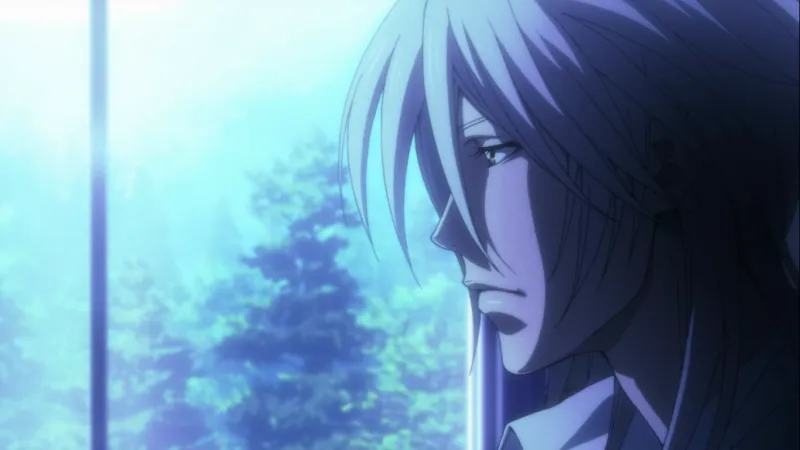
A system that eliminates free will creates comfortable prisoners.
Makishima opposed the Sibyl System, which determined people’s entire lives based on psychological profiles.
He argued that humanity lost meaning when an algorithm decided their worth and future.
His philosophy championed individual choice, even the choice to do wrong.
The Sibyl System did remove personal agency completely.
Can you call it living without freedom?
Society achieved peace by sacrificing liberty.
Makishima believed struggle and chaos were essential to human growth.
His terrorist methods were extreme, but his criticism of authoritarian control systems resonated.
Safety shouldn’t cost humanity.
11. Gendo Ikari

Grief makes people pursue impossible reunions.
Gendo’s entire plan revolved around reuniting with his deceased wife through the Human Instrumentality Project.
He sacrificed everything, including his relationship with his son, for this goal.
While selfish and destructive, his actions stemmed from profound loss.
The inability to cope with death drives humans toward desperate measures.
Love can become obsessive and harmful.
Gendo’s emotional unavailability damaged Shinji terribly, yet his motivation was deeply human.
He couldn’t move forward after losing Yui.
His plan endangered humanity, but the pain behind it was relatable.
Mourning affects everyone differently.
12. Obito Uchiha
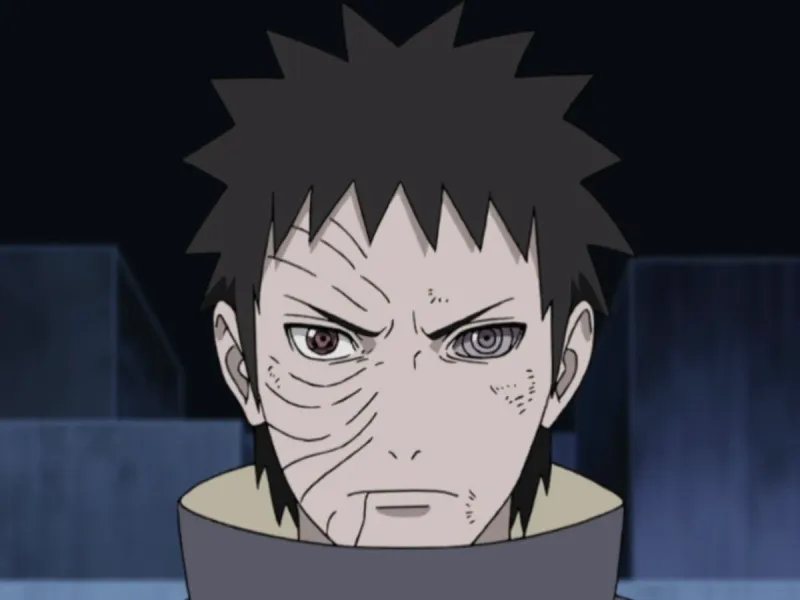
Watching your crush die in your arms destroys idealism fast.
Obito witnessed Rin’s death and concluded the real world only produced suffering.
His solution mirrored Madara’s: trap everyone in an illusion where tragedy never occurs.
He believed creating a fantasy world where loved ones never die was merciful.
The cruel reality that took Rin convinced him authentic life wasn’t worth living.
Trauma can completely reshape worldviews.
Obito’s transformation from hopeful hero to nihilistic villain happened through unbearable pain.
His conclusion that reality itself was flawed came from personal devastation.
Grief warps perception significantly.
13. Doflamingo
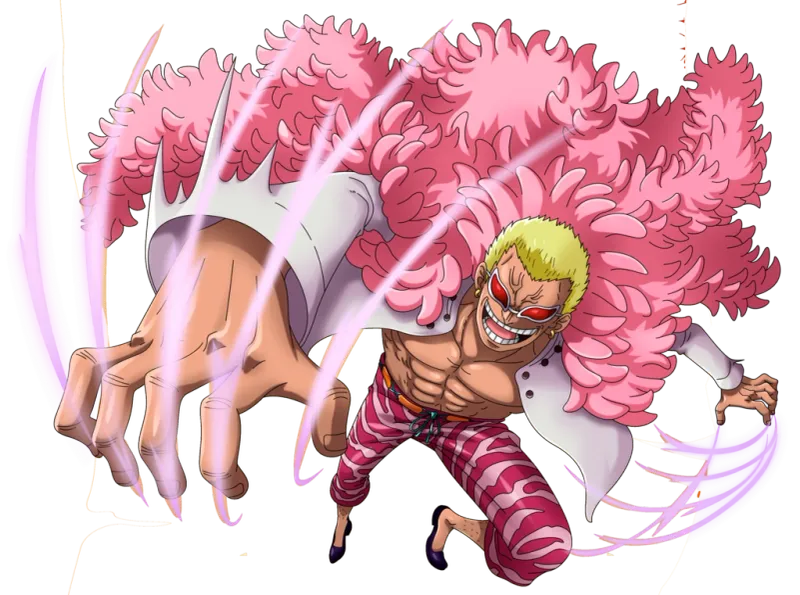
Former Celestial Dragons understand privilege from both sides.
Doflamingo experienced life as a god-like World Noble, then suffered extreme poverty after his father renounced their status.
This unique perspective showed him how arbitrary power structures truly are.
He recognized that justice is defined by whoever holds authority.
The strong make rules that benefit themselves while oppressing the weak.
His cynicism about morality had foundation.
Doflamingo saw how easily societal values shift based on power dynamics.
While his criminal empire was inexcusable, his observations about corrupt systems and relative morality contained uncomfortable truths.
Winners write history books.
Comments
Loading…