
 Mila Ross
11 Things No One Warns Women About Marriage

Marriage is often painted as a fairytale ending, but the reality involves challenges and surprises that nobody really talks about beforehand.
Many women enter marriage without knowing about the everyday struggles, emotional shifts, and lifestyle changes that come with sharing your life with someone else. Understanding these hidden truths can help you navigate married life with more confidence and fewer surprises.
1. You Will Feel Lonely Sometimes

Being married does not automatically cure loneliness, and this catches many women off guard.
Sometimes your partner will be physically present but emotionally distant, absorbed in work, hobbies, or their own thoughts.
You might find yourself craving deeper conversations or feeling misunderstood even when sitting right next to each other.
Learning to communicate your emotional needs becomes essential.
Expecting your spouse to read your mind or always know what you need sets both of you up for disappointment.
Building your own friendships and interests outside the marriage helps fill those gaps.
Remember that feeling lonely occasionally does not mean your marriage is failing—it just means you are human.
2. Your In-Laws Become Your Family Too

When you marry someone, you also marry into their family dynamics, traditions, and expectations.
Holiday schedules suddenly require negotiation between two families.
You might face pressure to attend every family gathering or follow traditions that feel foreign to you.
Boundaries become crucial for maintaining your sanity and your marriage.
Your spouse needs to stand up for your relationship when family members overstep, and you both need to present a united front.
Some in-law relationships blossom into beautiful friendships, while others require careful management.
Either way, these relationships will impact your daily life more than you probably expected before saying your vows.
3. Financial Stress Becomes a Constant Topic

Money arguments rank among the top reasons couples fight, yet nobody really prepares you for this reality.
Combining finances means exposing your spending habits, debts, and financial priorities to another person.
One partner might be a saver while the other spends freely, creating ongoing tension.
Big purchases require discussion and compromise, which can feel frustrating when you are used to making independent decisions.
Student loans, credit card debt, and different attitudes about money can strain even the strongest relationships.
Creating a budget together and having regular money conversations helps reduce surprises.
Transparency about finances, though uncomfortable at first, builds trust and teamwork over time.
4. Romance Requires Intentional Effort

The butterflies and spontaneous romance from dating do not automatically continue after the wedding.
Daily routines, work stress, and household responsibilities can quickly replace candlelit dinners and surprise dates.
Many women feel disappointed when their husbands stop putting in the same effort they did during courtship.
Both partners must actively choose romance and prioritize their connection.
Scheduling date nights might sound unromantic, but it keeps your relationship alive amid busy schedules.
Small gestures matter more than grand displays—a thoughtful text, making their favorite meal, or simply putting away your phone during conversations.
Romance evolves in marriage; it just looks different than it did when you first fell in love.
5. Housework Distribution Causes Real Resentment

Even in modern marriages, women often end up doing more household chores, creating genuine frustration.
You might find yourself becoming the default person for meal planning, cleaning schedules, and remembering appointments.
This mental load feels exhausting, especially when your partner does not notice or appreciate the constant organizing.
Clear conversations about expectations and fair division of labor prevent resentment from building.
Writing down all household tasks and dividing them explicitly helps both partners see the full picture.
Some couples hire help for cleaning or meal prep to reduce stress.
The key is recognizing that both partners should contribute equally, even if that contribution looks different for each person.
6. Your Identity Shifts in Unexpected Ways

Marriage changes how you see yourself and how others see you, which can feel disorienting.
Friends might treat you differently or stop inviting you to certain activities.
Your priorities shift as you consider another person in every decision, from career moves to weekend plans.
Some women struggle with losing parts of themselves in the role of wife.
Maintaining your individual hobbies, friendships, and goals becomes essential for your mental health and relationship satisfaction.
Your partner should support your growth as an individual, not just as half of a couple.
Finding balance between togetherness and independence takes time and conscious effort from both people.
7. Conflict Does Not Disappear After Arguments
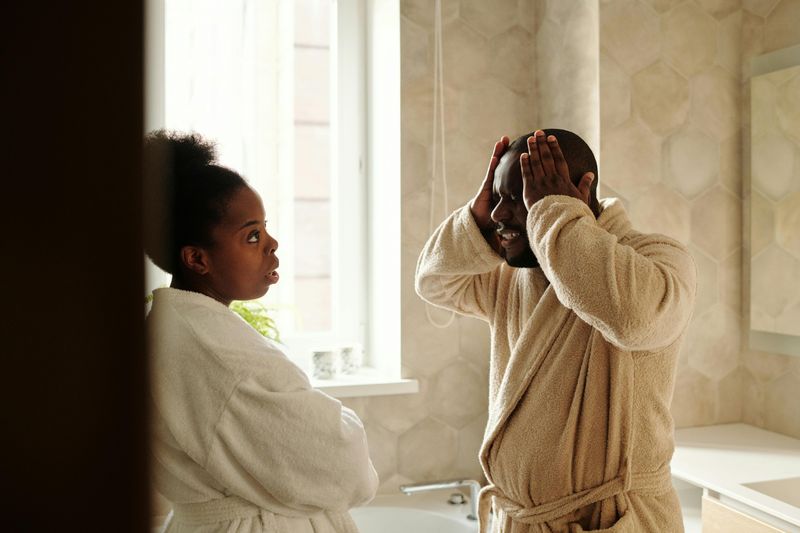
Many women expect that resolving an argument means the issue completely goes away forever.
Some disagreements will resurface repeatedly because they touch on core differences in values or personality.
You might argue about the same topics—like parenting styles or spending habits—throughout your entire marriage.
Learning to fight fairly matters more than never fighting at all.
Name-calling, bringing up past mistakes, or giving the silent treatment damages trust and connection.
Healthy couples develop repair strategies after conflicts, like apologizing genuinely and showing affection.
Understanding that some differences cannot be fixed, only managed, helps you approach disagreements with more patience and realistic expectations.
8. Your Partner Cannot Read Your Mind

Expecting your spouse to instinctively know what you need leads to constant disappointment and frustration.
You might think that if they truly loved you, they would remember important dates or understand when you need support.
This assumption creates unfair expectations that damage your relationship.
Direct communication, though it feels less romantic, prevents misunderstandings.
Saying exactly what you want—whether it is help with chores, emotional support, or alone time—gives your partner the information they need.
Men and women often communicate differently, which compounds the problem.
What seems obvious to you might not even register on their radar, so speaking up clearly becomes necessary for both partners to feel heard and valued.
9. Intimacy Changes Over Time

Physical intimacy naturally evolves throughout marriage, and the frequency and passion from early dating rarely continues unchanged.
Stress, exhaustion, health issues, and hormonal changes all impact desire and connection.
Many women feel guilty or worried when their interest in intimacy decreases.
Open conversations about needs and expectations help couples navigate these changes together.
Prioritizing physical affection—like hugging, kissing, and holding hands—maintains connection during difficult periods.
Sometimes professional help from a therapist becomes necessary when intimacy issues create distance.
Understanding that ebbs and flows are normal helps reduce anxiety and shame around this sensitive topic.
10. You Will Miss Your Single Life Sometimes

Nostalgia for your independent life does not mean you made a mistake getting married.
Sometimes you will miss making spontaneous plans without checking in, spending money however you wanted, or having the bed entirely to yourself.
These feelings are completely normal and do not indicate relationship problems.
Acknowledging these thoughts without guilt helps you process them healthily.
Talking with your spouse about needing occasional alone time or girls’ nights strengthens rather than threatens your marriage.
Balance between couple time and personal freedom keeps both partners happy.
Your life before marriage shaped who you are, so missing parts of it just shows you are a complete person, not just someone’s wife.
11. Marriage Does Not Fix Personal Problems

Some women enter marriage hoping their partner will heal their insecurities, loneliness, or past trauma.
Your spouse cannot complete you or solve deep-rooted issues that require personal work.
Expecting them to carry this burden creates unfair pressure and inevitable disappointment.
Individual therapy, self-reflection, and personal growth remain your responsibility even after marriage.
Your partner can support your journey, but they cannot walk the path for you.
Bringing your whole, healthy self to the relationship creates a stronger foundation than depending on your spouse for your happiness.
Working on yourself benefits both you and your marriage, creating a partnership of two complete individuals rather than two halves desperately seeking wholeness.
Comments
Loading…