
 Mary Murphy
12 Films Everyone Calls a Classic That Didn’t Age Well
Some movies get stamped “classic” so loudly that we stop noticing what’s on the screen.
Years later, a rewatch can feel like opening a time capsule full of jokes, tropes, and messages that no longer land the way they once did.
That doesn’t mean these films have zero artistic value, or that you’re “wrong” for loving parts of them.
It simply means culture changes, and so do our standards for what’s acceptable, funny, or romantic.
When you look at certain scenes through today’s lens, the discomfort can outweigh the nostalgia.
These are twelve widely praised films that many viewers now say didn’t age as gracefully as their reputations suggest.
1. Sixteen Candles (1984)
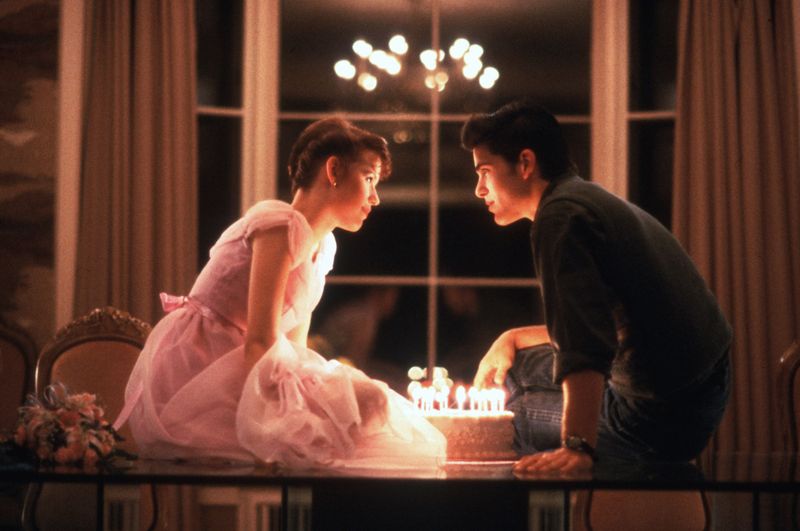
Few teen comedies are remembered as warmly, yet revisiting this one can be surprisingly uncomfortable.
Much of the humor leans on racial stereotypes and punchlines that treat Asian characters as props instead of people.
The story also blurs consent in ways that once got shrugged off as “just comedy,” but now read as deeply alarming.
A subplot involving an intoxicated girl being handed off to someone else is played for laughs, which is hard to stomach today.
Even the film’s sweetest moments get undercut by the idea that girls exist to be pursued, teased, or traded as prizes.
You can still see why it became a cultural touchstone, but that doesn’t erase how careless it feels about dignity and boundaries.
2. Revenge of the Nerds (1984)
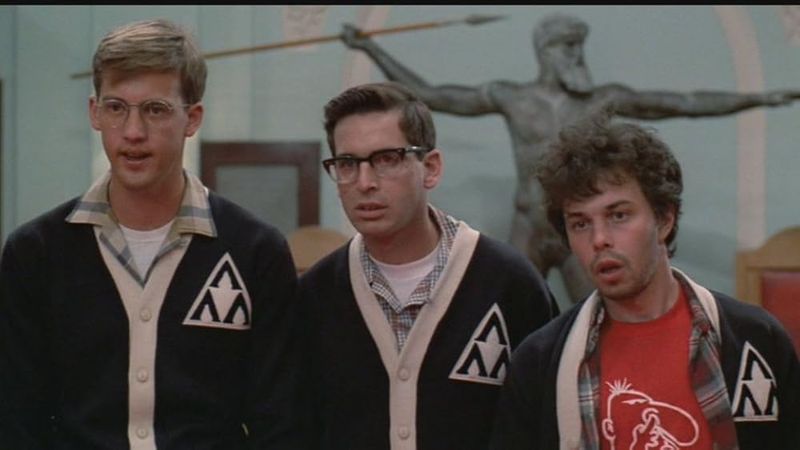
What used to feel like an underdog victory lap now reads like a guidebook for bad behavior.
The movie repeatedly treats spying, harassment, and violation of privacy as harmless pranks that the audience should cheer.
Its most notorious moment involves deception and sexual assault being reframed as a triumphant “gotcha,” which is beyond troubling.
Instead of showing nerds earning respect through talent or kindness, the plot rewards them for crossing lines and humiliating others.
Even the message that outsiders deserve a seat at the table gets muddied by how the film portrays women as targets and trophies.
Plenty of comedies from that era are crass, but this one stands out for how casually it asks viewers to excuse real harm.
3. American Beauty (1999)
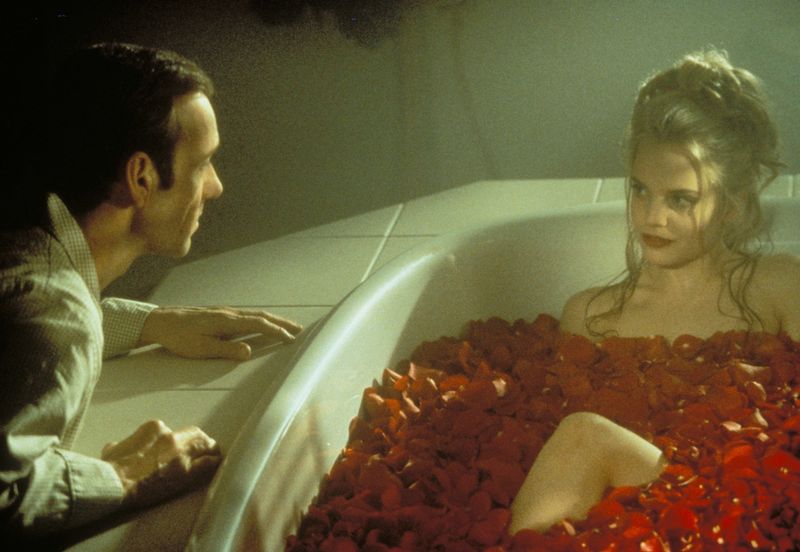
A glossy suburban drama can still look beautiful, while its core obsession feels uglier with time.
The film frames a middle-aged man’s fixation on a teenage girl as edgy self-discovery rather than a glaring ethical problem.
What once played like daring satire now lands like a story that wants sympathy for impulses that should be challenged.
Many scenes are shot with a dreamy reverence that blurs the line between critique and indulgence.
Meanwhile, the women around the protagonist are often written as either nagging, shallow, or emotionally unstable, which flattens the supposed commentary.
It’s still technically well-made, but the “provocative” elements can feel less insightful and more like a relic of late-’90s shock value.
4. Breakfast at Tiffany’s (1961)

The movie’s style is so iconic that it can distract you from what’s happening in the margins.
Audrey Hepburn’s performance and the New York fantasy are still catnip for pop culture, fashion, and quote-lovers.
Then the caricatured depiction of Mr. Yunioshi crashes into the film like an unwelcome alarm bell.
The exaggerated accent, prosthetics, and broad mannerisms reduce an entire group to a joke, and it’s painful to watch now.
That portrayal isn’t just “dated,” because it normalized mockery at a time when Asian representation was already scarce and distorted.
You can admire the elegance while still acknowledging that one of the film’s most memorable elements is memorable for the wrong reason.
5. Gone with the Wind (1939)

Few Hollywood epics shaped cinema history as much as this one, yet its perspective is deeply flawed.
The film romanticizes the antebellum South and frames the Confederacy through nostalgia that glosses over the brutality of slavery.
Characters who are enslaved are often written to appear loyal, content, or secondary to white drama, which is a harmful distortion.
Even when the movie hints at suffering, it tends to treat it as background scenery instead of a central moral reality.
Viewers can recognize the technical achievements, the performances, and the scale while still rejecting the story’s underlying fantasy.
A “classic” label can’t erase the fact that the film’s emotional engine depends on sanitizing a violent system and calling it elegance.
6. The Taming of the Shrew (1967)
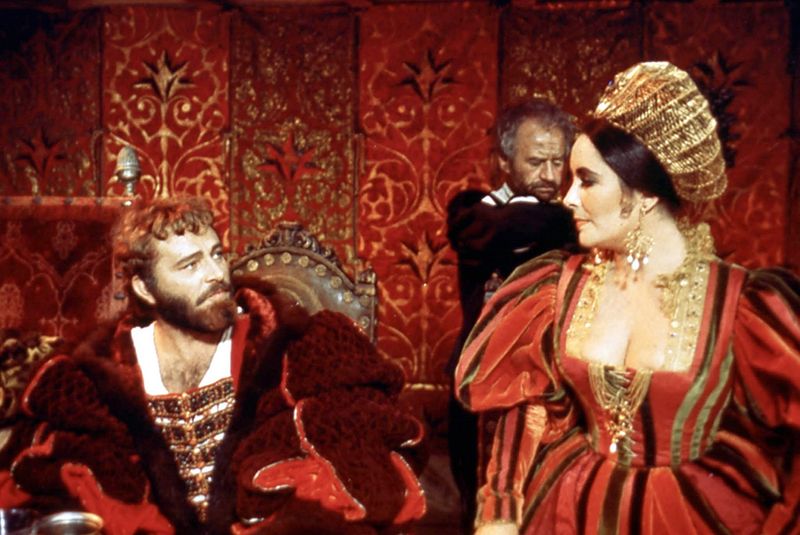
A famous battle-of-wills plot can be entertaining until you notice how power is being exercised.
The story’s central romance hinges on breaking a woman’s spirit and redefining control as courtship.
What might have once been waved away as farce can now feel like a celebration of coercion and humiliation.
Scenes meant to be comedic often revolve around deprivation, manipulation, and the idea that a “difficult” woman must be corrected.
Modern audiences tend to see the messaging as a blueprint for emotional abuse rather than a witty sparring match.
Shakespeare adaptations can be endlessly reinterpreted, but this version’s tone makes it harder to argue the film is critiquing the cruelty instead of endorsing it.
7. Love Story (1970)
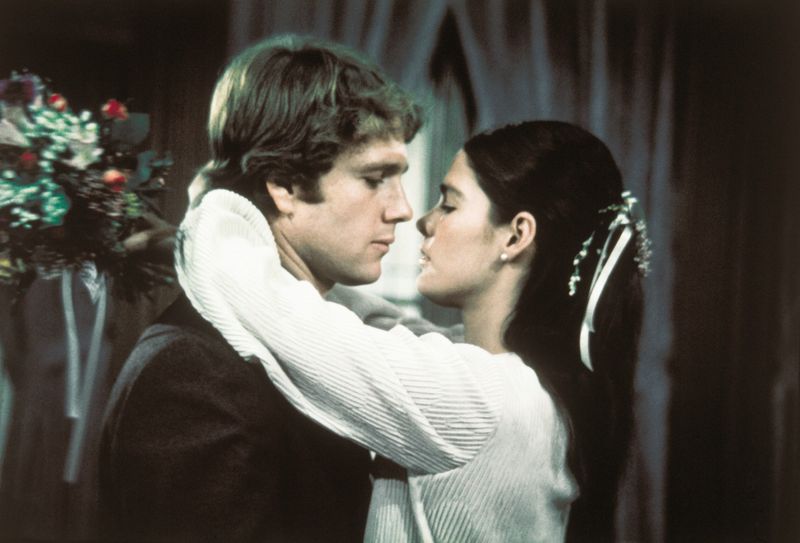
The tearjerker reputation still holds, but the romance can feel less swoony on a second look.
The famous line about never having to say you’re sorry has aged into a caution sign rather than a relationship ideal.
Many viewers now notice how the couple’s dynamic includes sharp put-downs and emotional pressure that get framed as passion.
Instead of modeling healthy communication, the film often suggests that intensity and devotion excuse hurtful behavior.
Its tragedy can still land, yet the story’s message about love being proved through endurance feels outdated in a culture that values boundaries.
If you grew up hearing it was the ultimate romance, it can be surprising to realize how much of it reads like a template for tolerating disrespect.
8. Grease (1978)
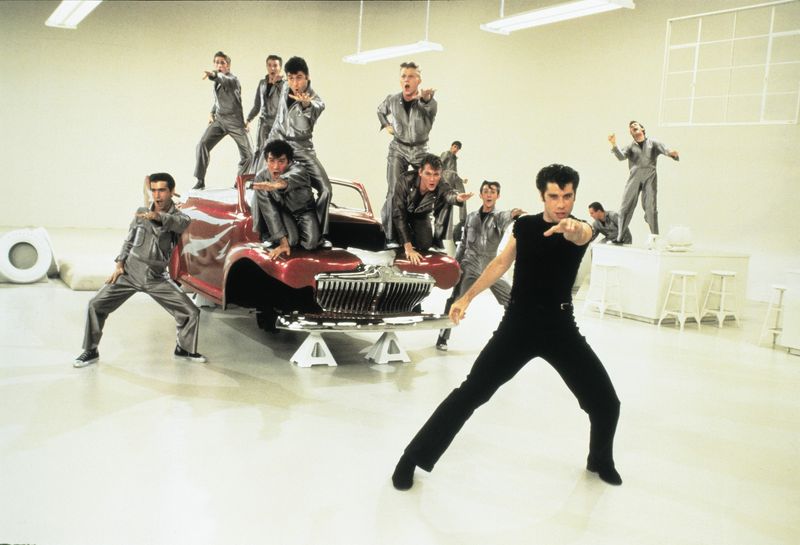
The soundtrack remains irresistible, but the relationship lessons can feel downright messy today.
A big chunk of the story implies that the best way to keep a guy is to reinvent yourself into whatever he approves of.
Danny’s behavior is often excused as lovable insecurity even when he’s dismissive, performative, or cruel in front of his friends.
Several jokes and lyrics treat persistence as romance, even when the situations would now raise serious questions about consent and pressure.
The film also paints femininity and sexuality as something to be policed, mocked, or used to rank girls socially.
It’s still a fun singalong for many people, yet the messaging underneath the glitter can make a modern viewer wince between the choruses.
9. Animal House (1978)
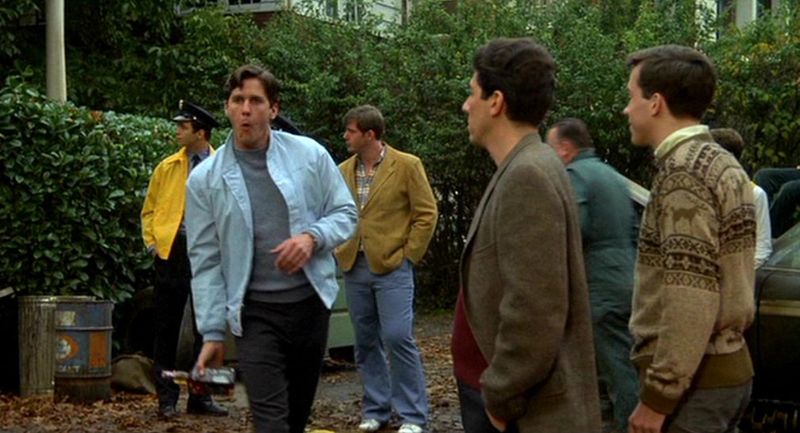
A landmark comedy can be influential and still carry baggage that’s hard to laugh off now.
Much of the humor depends on voyeurism, harassment, and the idea that women’s discomfort is a punchline rather than a problem.
The fraternity chaos is framed as rebellious fun, even when it includes behavior that would be considered predatory or criminal today.
When a movie treats boundaries as obstacles to smash, the audience is pushed to root for people who don’t deserve it.
Some viewers can separate the cultural impact from the content, but others find the content overwhelms the nostalgia.
It’s a reminder that “raunchy” doesn’t automatically equal funny, and that comedy ages poorly when it relies on someone else losing dignity for the gag.
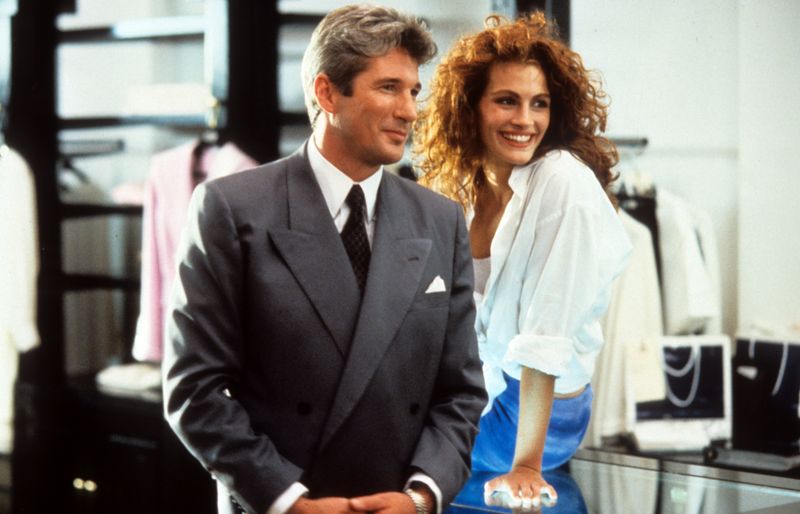
10. Pretty Woman (1990)
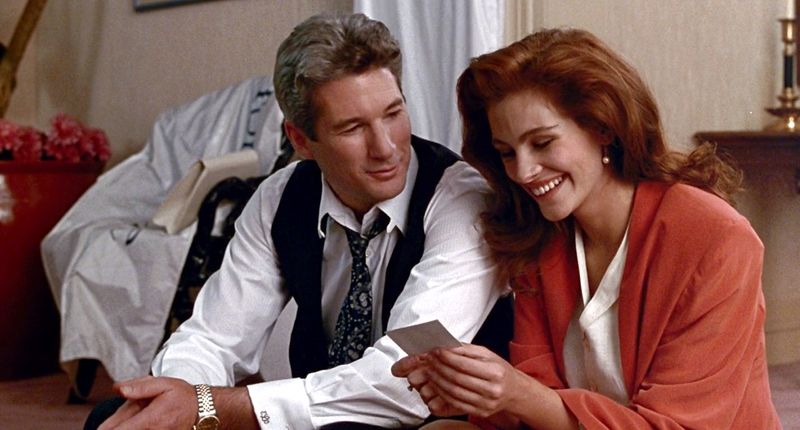
The fairy-tale makeover still sells, yet the story’s power dynamics are more complicated than the shopping montages suggest.
A wealthy man controls the terms, the time, and the environment, while the woman’s security hinges on his whims.
The film softens sex work into a glamorous fantasy that sidesteps exploitation, stigma, and the realities many women face.
Even the romance can read as a rescue narrative, where love is framed as a billionaire choosing to “save” someone by upgrading her life.
That can feel romantic in the moment, but it also reinforces the idea that a woman’s happy ending depends on being selected by power.
It’s still charming for some viewers, yet the charm comes packaged with messages that don’t sit as comfortably in 2026.
11. The Graduate (1967)
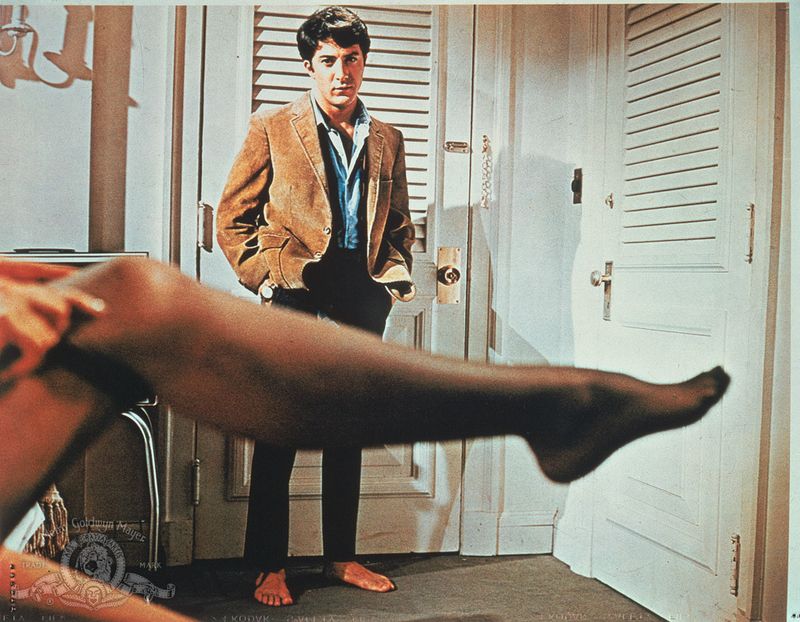
A moody coming-of-age story can feel timeless, while its relationship premise feels increasingly strange.
The film treats an affair between an older woman and a much younger man as provocative intrigue, even when it veers into manipulation.
What once felt like daring adult drama now raises questions about consent, agency, and emotional exploitation.
The younger protagonist is often passive and adrift, which makes the “seduction” storyline feel less like romance and more like pressure.
Even the final rush toward the girl he claims to love can land as impulsive and selfish instead of heroic.
Many viewers still admire the filmmaking and iconic imagery, but they come away less convinced that the characters’ choices are romantic rather than reckless.
12. Indiana Jones and the Temple of Doom (1984)
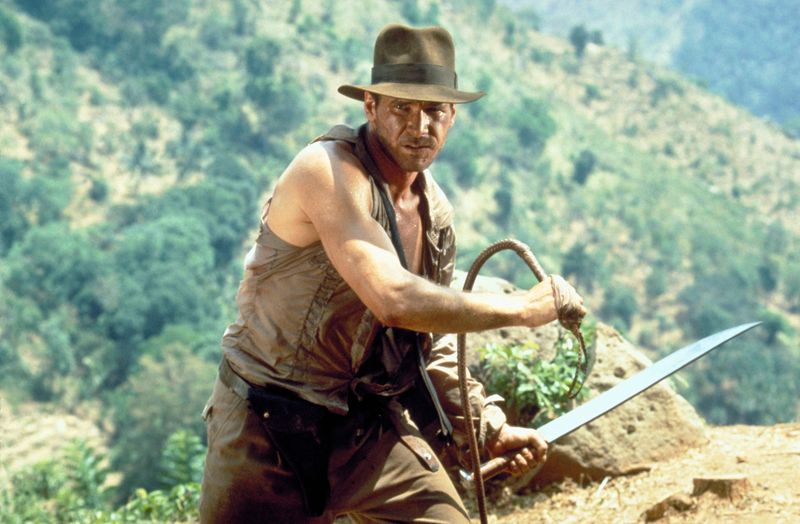
A nonstop adventure can still be thrilling, even when parts of its worldview feel painfully dated.
The film relies on exaggerated depictions of Indian culture that many people recognize as stereotyping rather than respectful storytelling.
Certain sequences use “exotic” imagery for shock and spectacle, which can come across as dehumanizing and sensationalized.
The female lead is frequently reduced to screaming and helplessness, reinforcing gender clichés that the franchise didn’t always handle well.
Fans might argue it’s just a pulp serial vibe, but pulp doesn’t excuse flattening an entire region into a scary backdrop.
The action set pieces remain memorable, yet modern audiences often leave with the uneasy sense that the movie’s fun is built on caricature.
Comments
Loading…