
 Hailey Watson
12 Movie Characters That Made Modern Audiences Cringe in 2025
Movies have the power to transport us to different worlds, but sometimes they leave behind characters that haven’t aged well at all.
As society evolves and becomes more aware of harmful stereotypes and insensitive portrayals, certain movie characters have become symbols of outdated thinking.
Here are 12 film characters that make modern audiences cringe for all the wrong reasons.
1. Brüno from Brüno

Sacha Baron Cohen built a career on shock comedy, but his 2009 character Brüno pushed boundaries in ways that feel more harmful than helpful today.
The Austrian fashion reporter was meant to expose homophobia through satire.
However, the portrayal itself became the problem.
Brüno’s exaggerated mannerisms and outrageous behavior reduced LGBTQ+ identity to a punchline rather than celebrating authentic representation.
What Cohen intended as cultural critique instead reinforced stereotypes for many viewers.
The film’s shock value overshadowed any deeper message about acceptance or equality.
Modern audiences recognize that representation matters more than provocation, making Brüno’s antics feel dated and uncomfortable rather than edgy or enlightening.
2. Long Duk Dong from Sixteen Candles
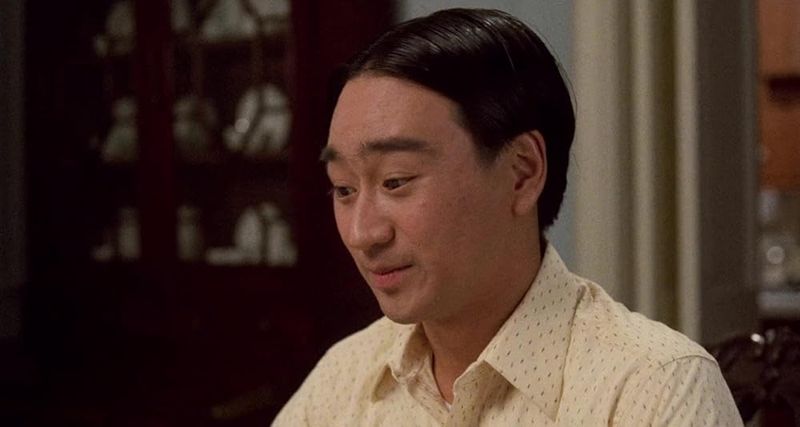
John Hughes created countless memorable teen movie moments, but this character stands as his most regrettable creation.
Long Duk Dong appears in Sixteen Candles as pure stereotype, complete with gong sound effects.
His thick accent, cultural confusion, and awkward behavior were played entirely for laughs at the expense of Asian representation.
The character had zero depth beyond being the butt of every joke.
Decades later, Asian-American actors still cite this portrayal as damaging to their community and careers.
What 1984 audiences found harmlessly funny, modern viewers recognize as blatant mockery.
The character’s legacy serves as a reminder of how thoughtless representation can cause lasting harm and perpetuate damaging stereotypes for entire generations.
3. Jessica Rabbit from Who Framed Roger Rabbit
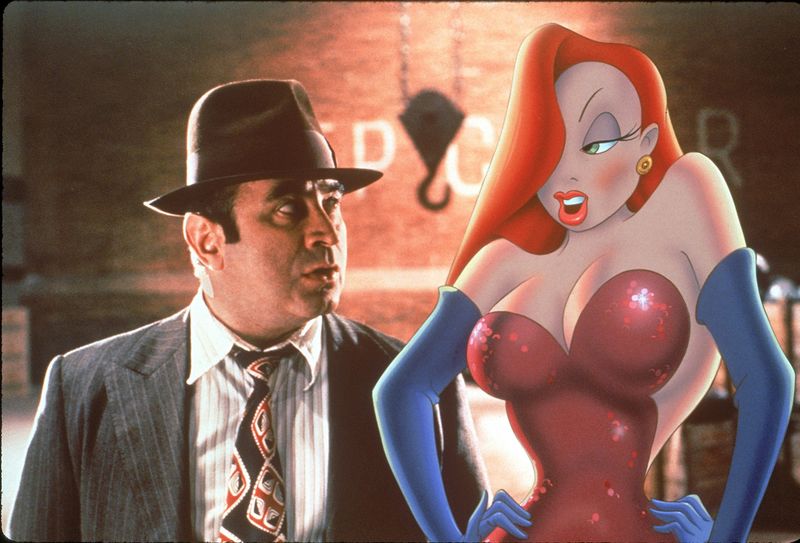
She famously declared she wasn’t bad, just drawn that way.
Yet Jessica Rabbit’s entire design centers on extreme sexualization that makes contemporary viewers squirm.
Her impossibly proportioned figure and breathy voice exist solely as visual fantasy for male audiences.
The 1988 film treated her as an object rather than a fully realized character with depth or agency.
While some argue she subverts femme fatale tropes, her presentation remains deeply uncomfortable through a modern lens.
Young viewers especially deserve better than characters whose primary purpose is titillation.
Jessica represents an era when Hollywood saw nothing wrong with reducing female characters to exaggerated physical attributes, a practice audiences now rightfully question and critique.
4. Tony Montana from Scarface
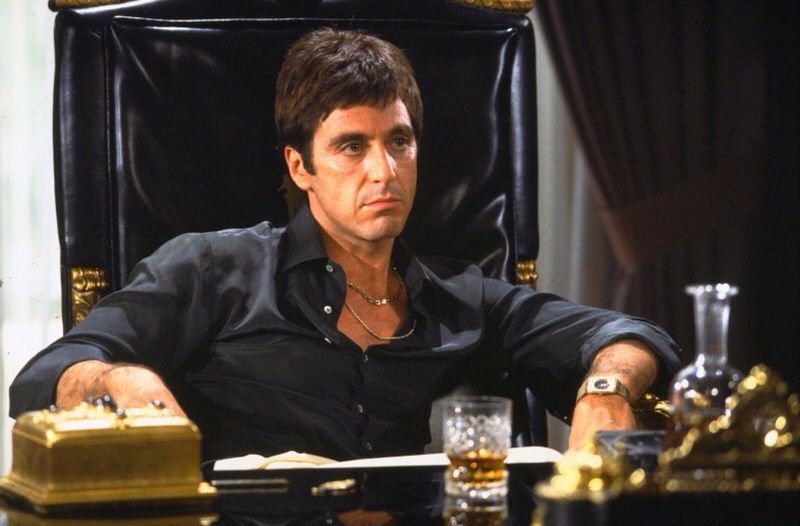
Al Pacino’s explosive performance created an unforgettable antihero who became embedded in pop culture.
Unfortunately, Tony Montana also reinforced deeply harmful stereotypes about Latino immigrants and criminality.
His violent rise through Miami’s drug trade painted a specific picture that many feel damaged perceptions of entire communities.
The character glorified toxic masculinity, excess, and ruthless ambition without meaningful consequences until the final scenes.
While Scarface intended to critique the American Dream’s dark side, many viewers simply idolized Montana’s lifestyle.
His exaggerated accent and brutal behavior became shorthand for Latino gangster stereotypes in countless imitations.
Modern audiences increasingly recognize how this iconic character contributed to prejudiced narratives about immigration and ethnicity.
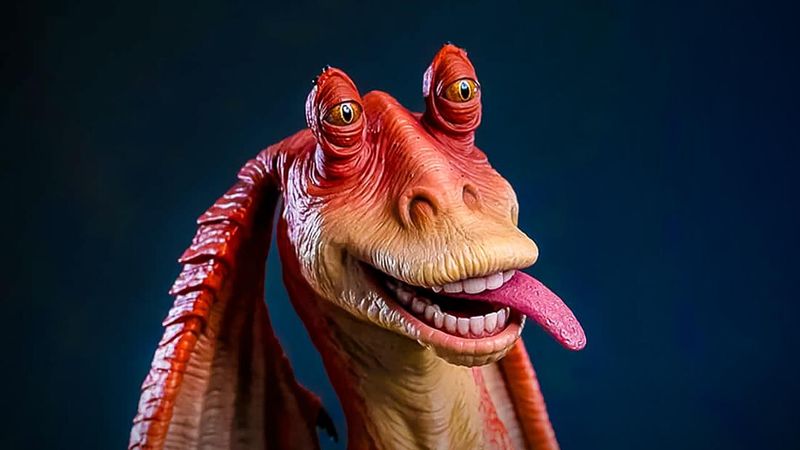
5. Jar Jar Binks from Star Wars
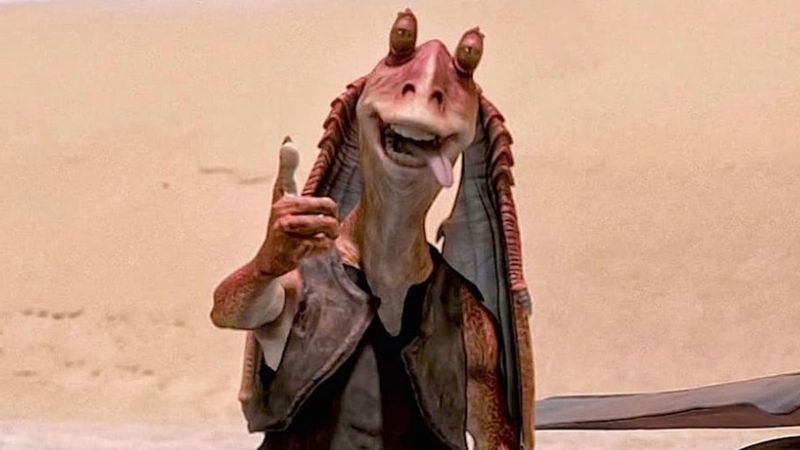
George Lucas introduced this clumsy Gungan in 1999, hoping to add comic relief to the beloved franchise.
Instead, audiences received a character whose exaggerated mannerisms and speech patterns sparked immediate controversy.
His broken English and bumbling behavior were criticized as racially insensitive stereotypes dressed up in CGI.
Many fans felt the character relied on offensive caricatures rather than genuine humor.
Even casual viewers today recognize how his portrayal crosses lines that modern filmmakers actively avoid.
The backlash was so intense that actor Ahmed Best faced harassment for years.
Jar Jar remains a cautionary tale about how comic relief can backfire spectacularly when it leans on problematic tropes.
6. Lois Einhorn from Ace Ventura: Pet Detective
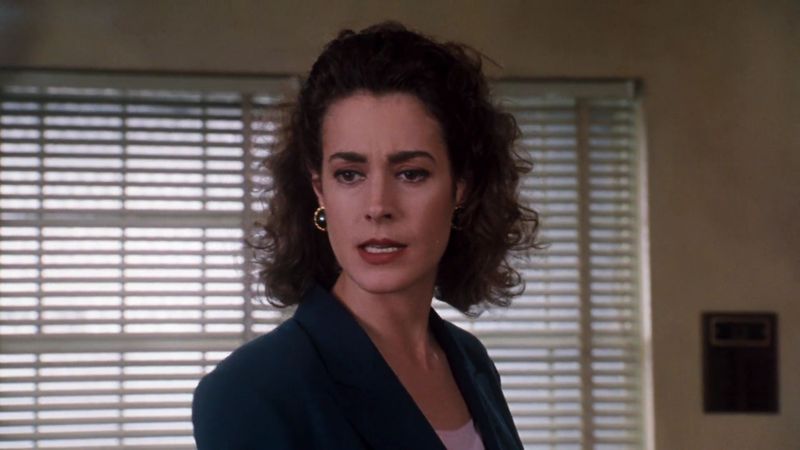
The big reveal at the end of Ace Ventura was meant to shock audiences with an unexpected twist.
Instead, it delivered one of cinema’s most transphobic moments.
Lieutenant Einhorn’s true identity becomes the ultimate punchline, with the film treating transgender identity as disgusting and worthy of mockery.
Characters literally vomit upon learning the truth, framing the revelation as horrifying rather than simply surprising.
This portrayal caused real harm to transgender communities by reinforcing dangerous stereotypes and encouraging disgust.
What 1994 audiences laughed at, 2025 viewers recognize as deeply offensive and hurtful.
The scene represents outdated attitudes that modern filmmakers work hard to correct through authentic, respectful representation of all identities.
7. Austin Powers from Austin Powers Series
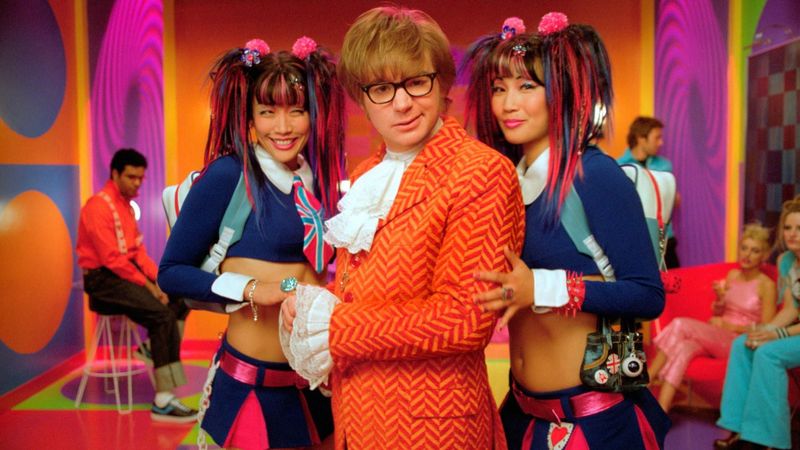
Mike Myers created a beloved parody of 1960s spy films that dominated late-90s comedy.
However, Austin Powers’ constant sexual innuendos and treatment of women haven’t aged gracefully at all.
The character’s entire personality revolves around objectifying women and making uncomfortable advances that would constitute harassment today.
What passed as harmless parody before now feels tone-deaf in the #MeToo era.
His catchphrases and behaviors normalize problematic attitudes toward consent and respect.
While the films mock spy genre tropes, they also perpetuate harmful gender dynamics under the guise of comedy.
Modern audiences recognize that even parody characters can reinforce damaging stereotypes, making Austin’s shagadelic antics more cringe-worthy than clever in contemporary context.
8. Skids and Mudflap from Transformers: Revenge of the Fallen
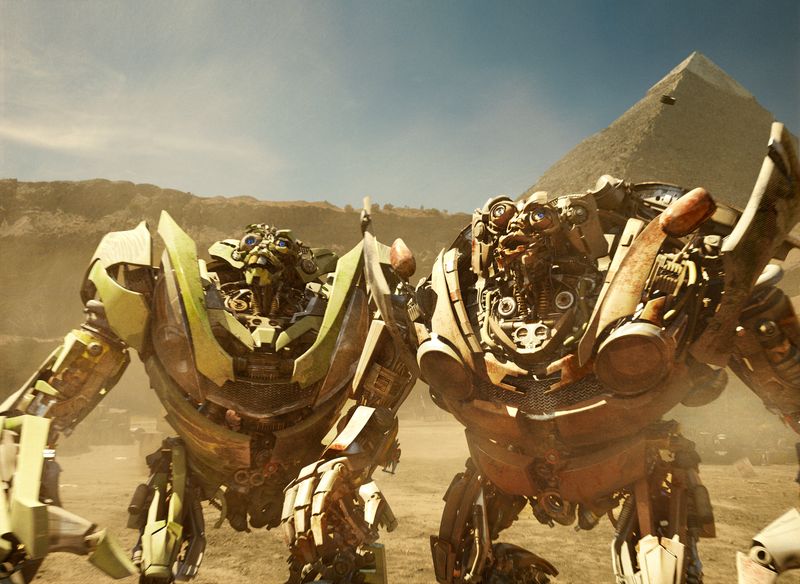
Michael Bay faced immediate backlash when these twin robots appeared in 2009’s Transformers sequel.
Their gold teeth, illiteracy jokes, and stereotypical speech patterns sparked outrage even upon release.
The characters embodied racist caricatures translated into robot form, which somehow made the offense even more blatant.
Critics and audiences alike recognized the harmful coding immediately.
Bay defended them as harmless comic relief, but the damage was done.
These robots represented how racial stereotypes can infect even non-human characters when creators aren’t thoughtful.
The twins were quickly phased out of subsequent films after widespread criticism.
Their brief appearance serves as a reminder that representation issues extend beyond human characters into every creative choice filmmakers make.
9. Chuck and Larry from I Now Pronounce You Chuck & Larry
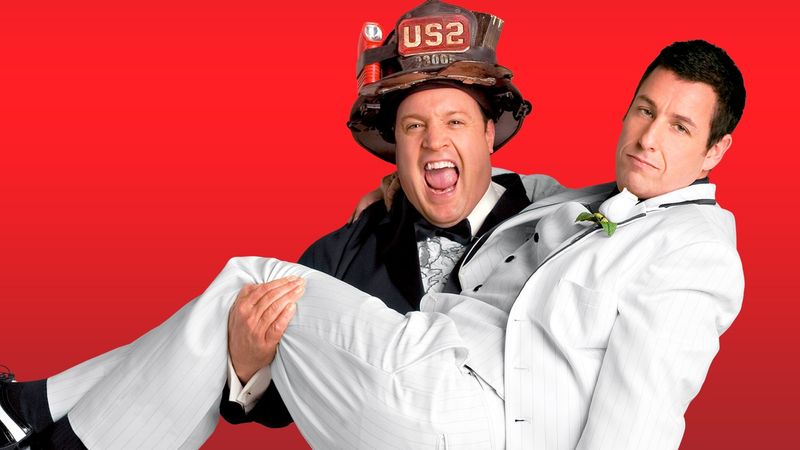
The 2007 comedy built its entire premise on gay panic humor that modern audiences find deeply problematic.
Adam Sandler and Kevin James starred as straight firefighters pretending to be a gay couple for insurance benefits.
Every joke relied on the characters’ discomfort with perceived homosexuality, reinforcing negative stereotypes rather than challenging them.
The film treated LGBTQ+ identity as a costume to put on and take off for laughs.
While it attempted a pro-equality message by the end, the journey there was filled with offensive stereotypes and outdated attitudes.
Contemporary viewers recognize how this approach undermines genuine representation and perpetuates harmful tropes.
The film represents a comedy style that prioritized cheap laughs over respectful portrayal.
10. Mr. Yunioshi from Breakfast at Tiffany’s
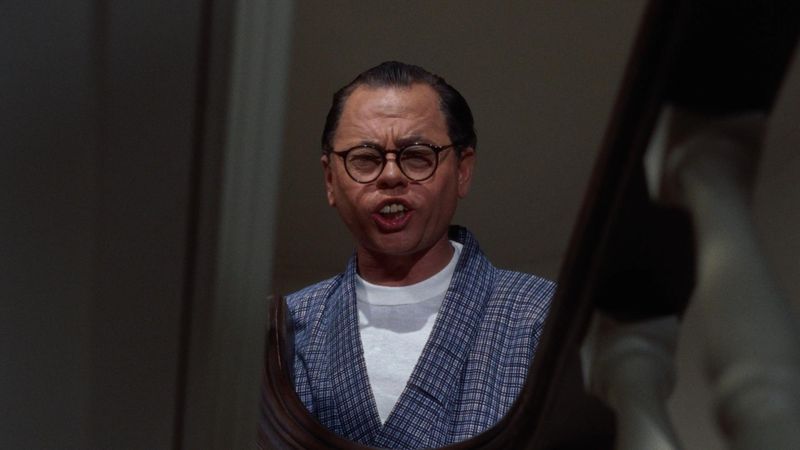
Mickey Rooney’s portrayal remains one of Hollywood’s most infamous examples of yellowface and racist caricature.
His bucktooth prosthetics, exaggerated accent, and bumbling behavior reduced an entire culture to offensive mockery.
The character exists solely as comic relief through racial stereotype in the otherwise beloved 1961 classic.
Every scene featuring Mr. Yunioshi makes modern viewers deeply uncomfortable, tainting an iconic film.
Asian-American communities have long cited this portrayal as particularly harmful and hurtful.
The performance represents an era when Hollywood saw nothing wrong with white actors playing racial caricatures.
Today’s audiences rightfully recognize this as unacceptable representation that caused lasting damage and perpetuated prejudice for decades.
11. Rasputia Latimore from Norbit
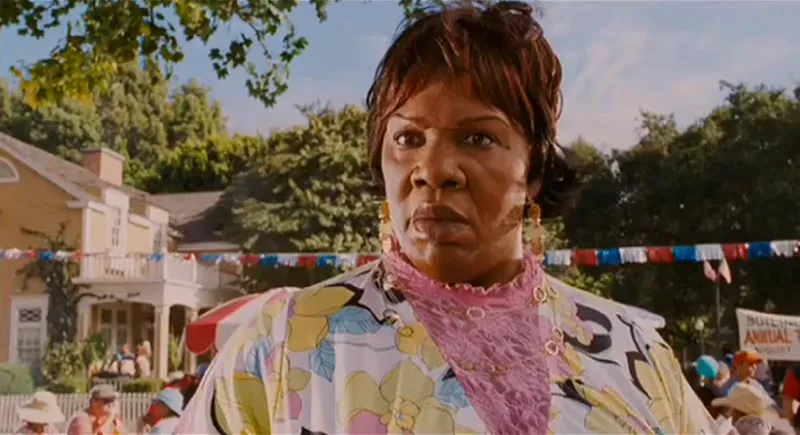
Rasputia’s loud, aggressive behavior and physical appearance were designed purely for mockery.
Eddie Murphy donned a fat suit to play Norbit’s abusive wife, creating a character that combined multiple offensive stereotypes into one painful package.
The 2007 film engaged in blatant fat-shaming while also reinforcing negative stereotypes about Black women.
Her abusive behavior toward the timid protagonist was played for laughs rather than addressed seriously.
Critics immediately recognized the problematic layers, from body-shaming to misogyny to racial caricature.
Murphy’s performance, despite his talent, couldn’t overcome the fundamentally offensive character conception.
Modern audiences understand that comedy doesn’t require punching down at marginalized groups, making Rasputia’s entire existence uncomfortable and unnecessary in retrospect.
12. Borat Sagdiyev from Borat Films
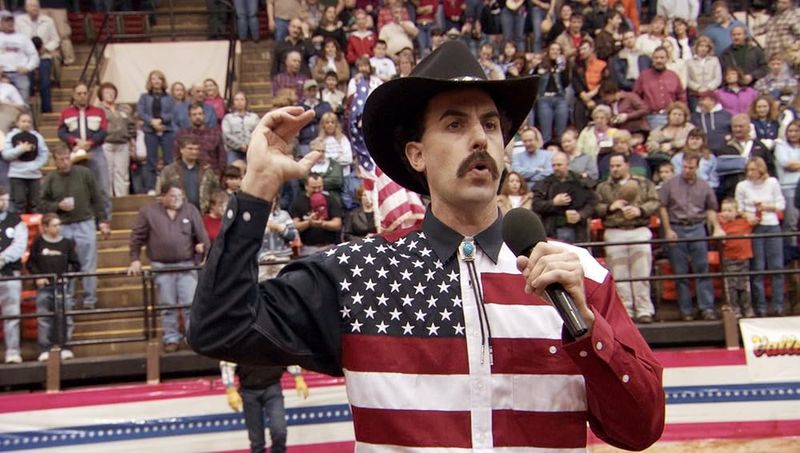
Sacha Baron Cohen’s Kazakh journalist became a cultural phenomenon through shock comedy and satirical interviews.
However, his humor increasingly feels dependent on ethnic stereotypes rather than meaningful cultural critique.
Borat’s backward attitudes and crude behavior were meant to expose American prejudices by holding up a mirror.
Yet many viewers simply laughed at the foreign character rather than recognizing the intended satire.
The portrayal reduced Kazakhstan to a collection of offensive stereotypes, causing actual diplomatic complaints.
While Cohen argues his work exposes bigotry, critics question whether perpetuating stereotypes serves that goal effectively.
Modern audiences debate whether the satirical intent justifies the stereotypical execution, making Borat increasingly controversial as awareness of representation issues grows.
Comments
Loading…