
 Harper Hall
Psychology Reveals 11 Personality Traits People Who Wear Black Often Share
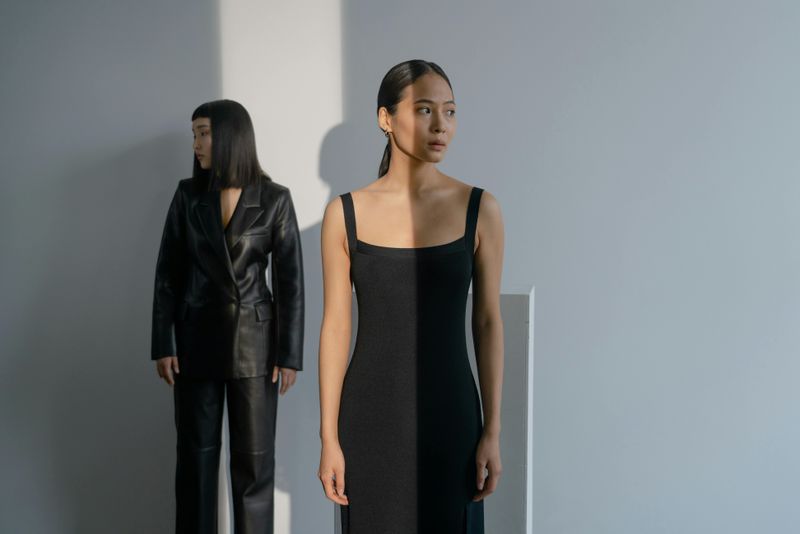
Have you ever wondered why some people seem to gravitate toward black clothing day after day?
It turns out there’s more to this wardrobe choice than simple fashion preference.
Psychologists have identified fascinating patterns in the personalities of those who consistently choose black, revealing insights about confidence, emotional boundaries, and self-expression.
Understanding these traits can help you decode not just fashion choices, but the deeper motivations behind how people present themselves to the world.
1. They Project Confidence and Authority

Walking into a room dressed in black instantly changes how others perceive you.
Research shows that black clothing signals competence and seriousness, making people take you more seriously in both social and work environments.
When someone wears black consistently, they’re tapping into this psychological effect deliberately.
The color black eliminates distractions and focuses attention on the person rather than their outfit.
This creates an impression of self-possession and control.
Many leaders, executives, and professionals choose black because it communicates that they mean business without saying a word.
2. They Protect Emotional Privacy

Black functions as a visual barrier between the wearer and the outside world.
People who choose black frequently often value their emotional privacy and prefer to keep their feelings under wraps.
The neutral, non-revealing nature of black helps them maintain that distance.
Unlike bright colors that can express mood or personality loudly, black keeps things ambiguous.
This ambiguity serves as protection for those who don’t want others reading their emotional state easily.
It’s like wearing a polite “do not disturb” sign without being rude.
For introverts or highly sensitive people, this emotional camouflage feels necessary and comforting.
3. They Seek Psychological Security Through Appearance

Clothing choices aren’t just about style—they’re about how we feel in our own skin.
For many black-wearers, their wardrobe acts as emotional armor that helps them face the world with less vulnerability.
When everything feels uncertain, black provides a reliable constant.
Psychologists call this “enclothed cognition,” where what we wear actually affects our mental state.
Black creates a cocoon of security, making wearers feel more grounded and protected from external judgments.
It’s like having a safety blanket that’s socially acceptable everywhere.
This isn’t weakness—it’s smart self-care.
4. They Value Internal Coherence
Authenticity matters deeply to consistent black-wearers.
They want their outside appearance to match their inside identity, and for many, black represents who they truly are.
This consistency reflects a strong sense of self rather than following every passing trend.
When your wardrobe aligns with your values and personality, getting dressed becomes less stressful and more affirming.
People who wear black often describe feeling “like themselves” in these clothes.
There’s no performance or pretending—just honest self-expression.
This coherence extends beyond clothing into other life areas.
These individuals typically value integrity and consistency in their actions, relationships, and choices.
5. They Simplify Cognitive Load
Ever heard of decision fatigue?
It’s real, and it’s exhausting.
Every choice we make throughout the day drains mental energy, including deciding what to wear.
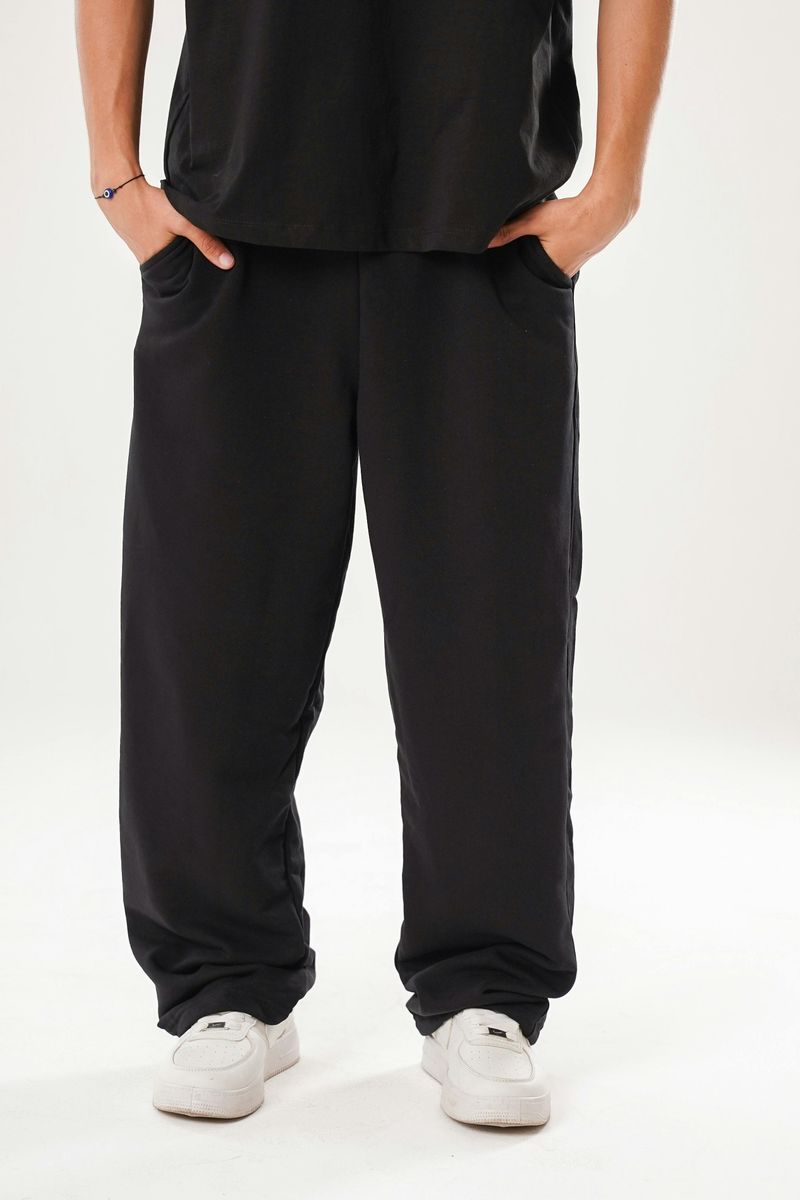
People who embrace black eliminate this daily struggle by creating a simplified, foolproof wardrobe system.
Black pairs with everything, which means you can grab any two pieces and know they’ll work together.
This removes guesswork and saves precious morning minutes.
Famous figures like Steve Jobs understood this—limiting wardrobe variables freed mental space for more important decisions.
Instead of stressing over combinations, patterns, and accessories, black-wearers redirect that energy toward work, creativity, or relationships.
6. They Prefer Order Over Sensory Excess
Bright colors, busy patterns, and visual chaos can feel overwhelming to certain personality types.
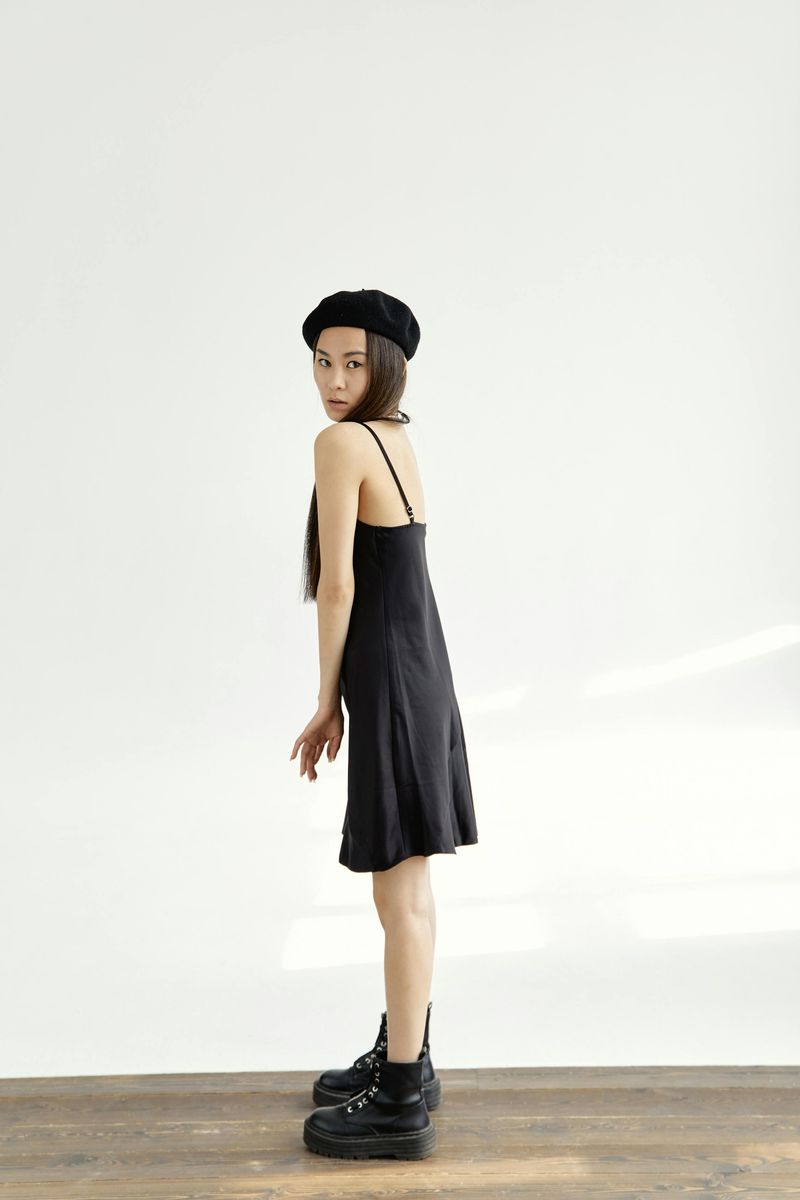
Those who gravitate toward black often crave visual calm and mental clarity.
Black provides that peaceful, controlled aesthetic that helps them think more clearly and feel less overstimulated.
This preference extends to their living spaces too.
You’ll often find black-wearers keeping tidy, organized homes with minimal clutter.
They understand that their environment affects their mental state, so they curate surroundings that support focus rather than distraction.
It’s not about being boring—it’s about being intentional.
Reducing sensory input through color choices creates space for deeper thinking and concentration.
7. They Lean Toward Introspection

Black has long been associated with depth, mystery, and contemplation.
People drawn to this color often share these qualities, spending significant time in reflection and self-examination.
They’re the thinkers, the analyzers, the ones who process experiences internally before sharing outwardly.
This introspective nature influences their style choices.
Flashy clothing demands external attention, while black allows them to remain somewhat invisible, free to observe and think without becoming the center of attention.
It’s the perfect uniform for philosophers and deep thinkers.
Introspection isn’t isolation—it’s self-knowledge.
These individuals understand their motivations, values, and feelings because they take time to examine them.
8. They Resist Superficial Display
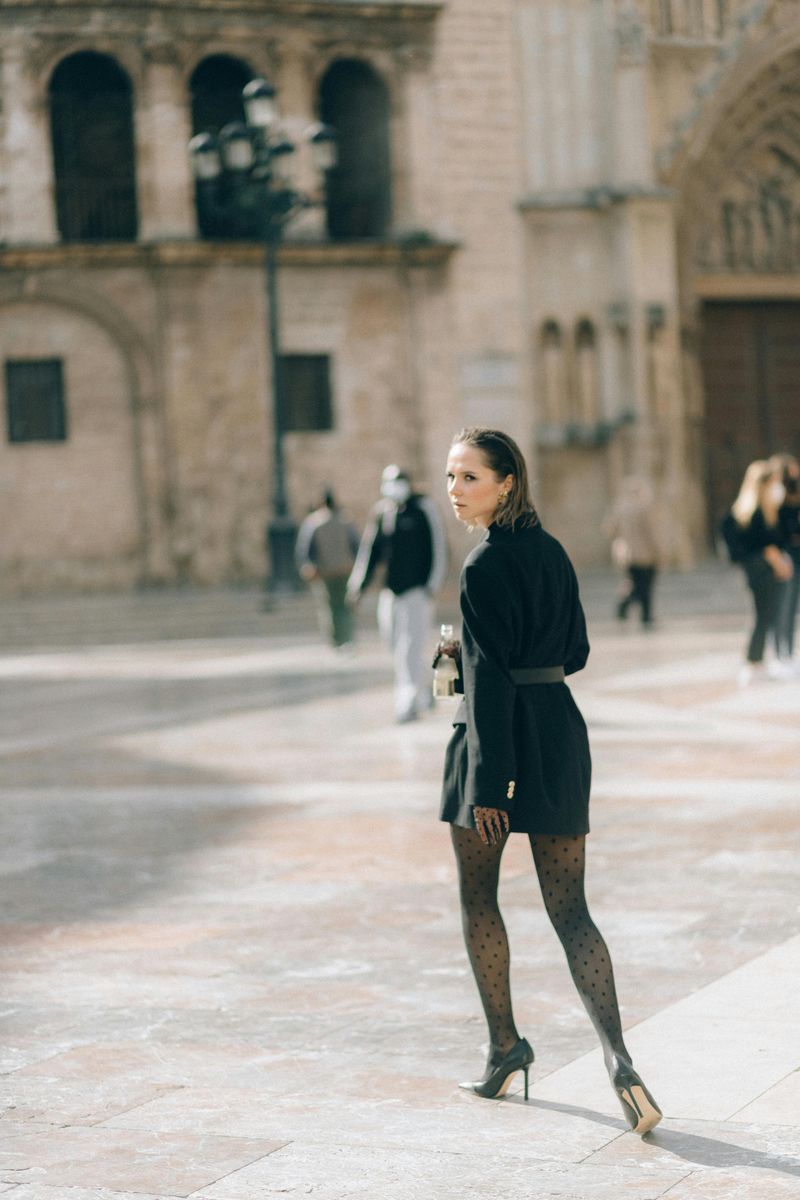
In a culture obsessed with standing out and getting noticed, choosing black can be an act of quiet rebellion.
It signals restraint, substance, and a rejection of flashy, attention-seeking behavior.
These individuals would rather be remembered for their ideas than their outfit.
This doesn’t mean they lack confidence—quite the opposite.
They’re secure enough to let their character speak louder than their clothing.
While others compete for visual attention, black-wearers focus on meaningful conversations, genuine connections, and authentic contributions to their communities.
Their style becomes a statement about values—prioritizing depth over flash, quality over quantity, and lasting impression over temporary attention.
9. They Maintain Emotional Autonomy
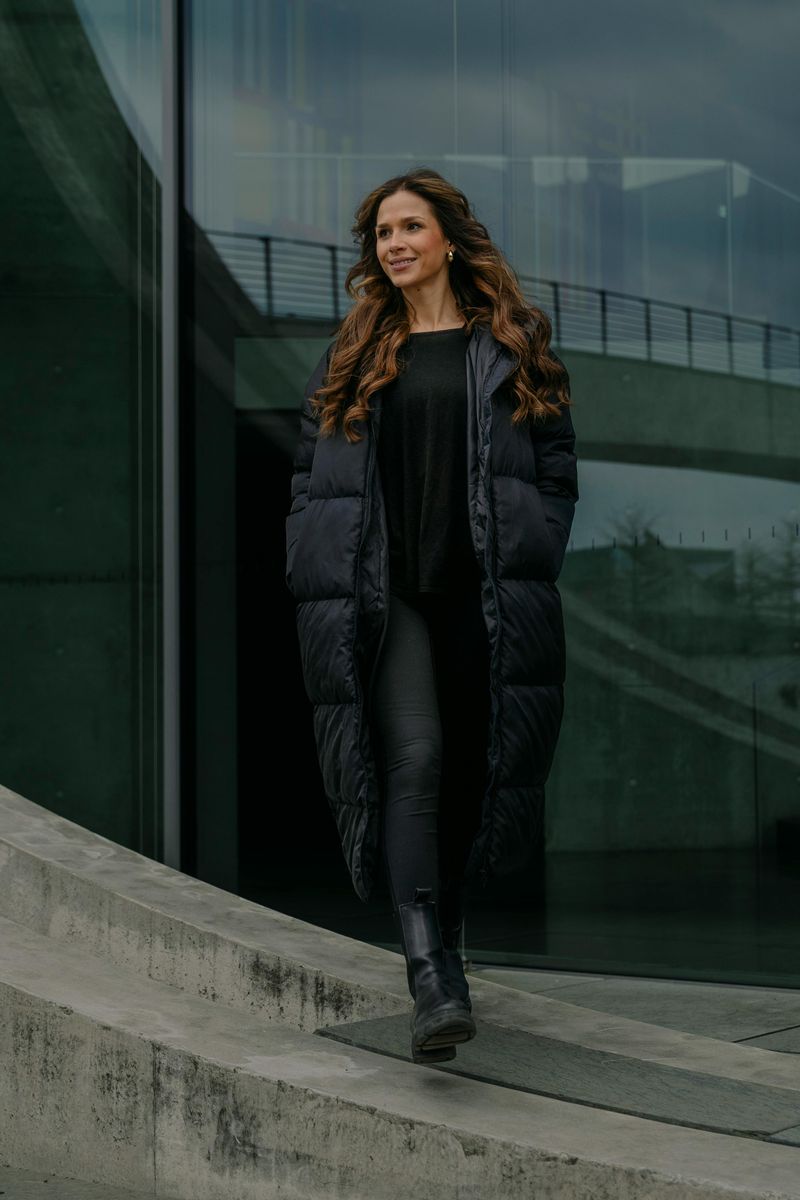
Emotional independence defines many black-wearers.
They establish clear boundaries and maintain a strong sense of self separate from others’ opinions or expectations.
Black clothing reinforces this autonomy by creating visual and psychological distance that protects their emotional space.
These individuals don’t need external validation to feel good about themselves.
Their clothing choice reflects internal confidence rather than seeking approval through colorful, trend-following outfits.
They dress for themselves first, and this self-directed approach extends to other life decisions too.
10. They Are Conscious of Social Perception

Black-wearers understand the social language of clothing.
They’re highly aware that appearance communicates messages about seriousness, maturity, and refinement before they even speak.
This consciousness isn’t vanity—it’s social intelligence applied to practical advantage in various contexts.
Different situations demand different presentations, and black works universally.
From job interviews to funerals to fancy dinners, black communicates respect and appropriateness.
People who choose black consistently recognize this versatility and use it strategically to navigate diverse social environments successfully.
Their own black wardrobe reflects deliberate communication—saying they’re serious, capable, and worthy of respect without arrogance or pretension.
11. They Use Style as Intentional Self-Definition
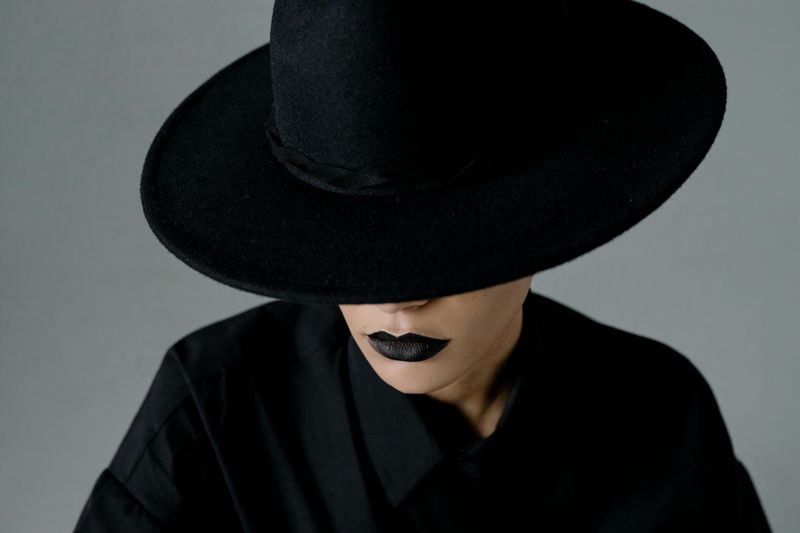
For some, clothing is just fabric.
For consistent black-wearers, it’s a deliberate identity marker and form of self-definition.
Their choice isn’t random or passive—it’s a conscious decision about who they are and how they want to move through the world.
This intentionality transforms wardrobe from necessity to art.
Each black piece becomes part of a larger personal narrative about values, aesthetics, and identity.
Friends and colleagues recognize them by this signature style, which reinforces their sense of self and creates consistency across contexts.
Creating a personal uniform requires self-knowledge and confidence.
It means rejecting pressure to constantly change based on trends or others’ preferences.
Black becomes their signature, their statement, their way of saying “this is who I am” without explanation or apology.
Comments
Loading…