
 Isabel Parker
15 Childhood Freedoms From the ’80s and ’90s That Would Shock Kids Today
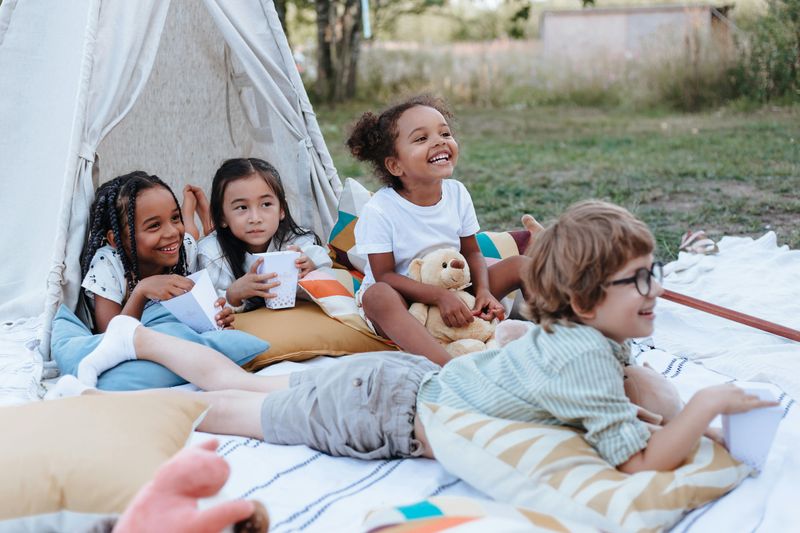
Back in the ’80s and ’90s, childhood came with a level of freedom that feels almost mythical now.
Parents weren’t careless, but they trusted kids to figure things out, make small mistakes, and learn fast.
There were fewer screens, fewer ways to track each other, and fewer warnings for every possible risk.
That meant kids spent more time outside, handled more responsibility, and solved more problems without help.
Some of it was genuinely wholesome, and some of it was wildly questionable in hindsight.
Either way, it shaped a generation that learned independence the old-fashioned way.
If today’s kids saw how casually we lived, they’d probably assume we were raised in a survival show.
Here are the childhood freedoms that would absolutely shock them now.
1. Roaming the neighborhood until the streetlights came on
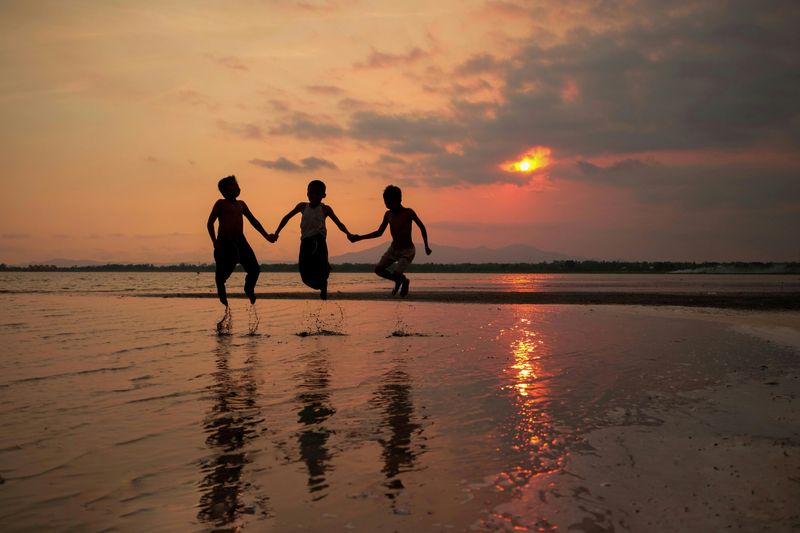
Long before location sharing existed, most parents relied on a simple rule and a lot of faith.
As long as you showed up by the time the streetlights flickered on, you were considered accounted for.
Kids rode bikes, played tag, and drifted from yard to yard without anyone checking a map or sending a text.
If you wanted to find your friends, you didn’t message them, you scanned the neighborhood for a pile of bikes.
Dinner could be a moving target because you might be at someone’s house when the smell of food hit the air.
The only “update” your family got was you sprinting home when dusk started to settle.
Today, that kind of open-ended wandering would trigger a dozen notifications and a full-on family meeting.
Back then, it was simply what summer felt like.
2. Walking to school alone (or with other kids) at a young age
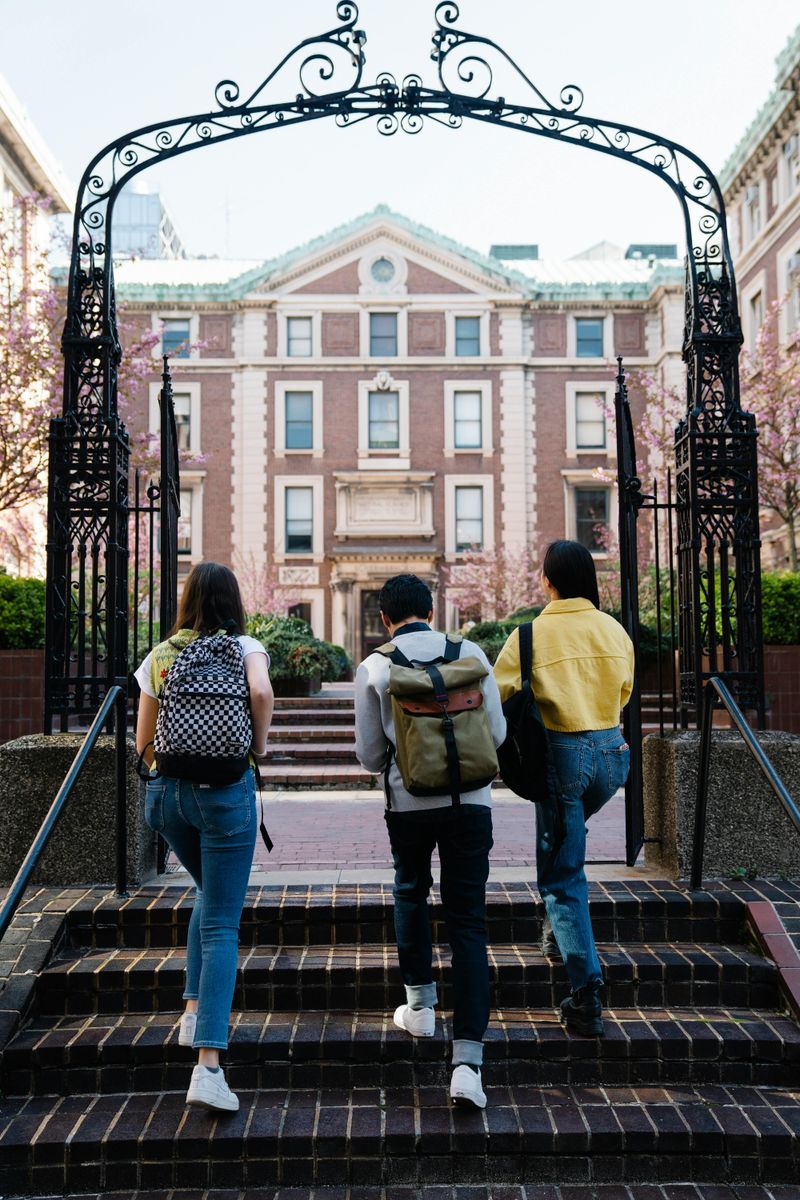
Independence started early for many kids, especially when school was only a few blocks away.
You grabbed your backpack, met up with a friend, and headed out like it was no big deal.
Crossing streets, waiting at corners, and dealing with weather were just part of the routine.
Sometimes you had a “walking buddy,” but it was usually another kid, not an adult escort.
If you missed the bus or forgot something, you handled it with whatever solution your child brain invented.
There was a quiet pride in getting yourself to school like you were already practicing adulthood.
Now, many parents feel pressure to supervise every step, even when the route is familiar and safe.
The idea of a young kid commuting solo can seem unthinkable, even though it used to be ordinary.
3. Spending whole afternoons outside with no adult supervision
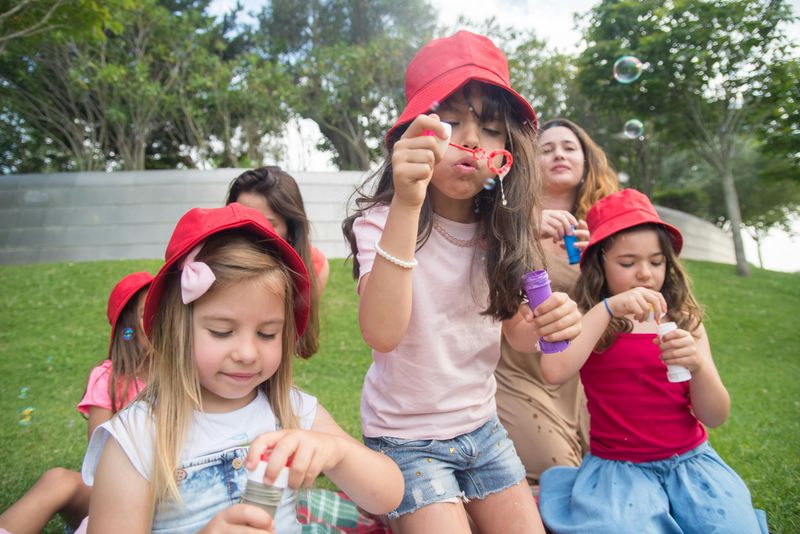
Instead of scheduled playdates and constant check-ins, kids often managed their own afternoons.
You headed outside after breakfast and basically didn’t return until hunger or darkness forced you back.
Neighborhood games formed spontaneously, with rules negotiated loudly and changed whenever someone started losing.
Adults weren’t hovering nearby, so you learned to settle arguments, share turns, and read social cues the hard way.
Small injuries were handled with a hose rinse, a bandage, and a quick return to the action.
If you got bored, you didn’t get entertained, you had to invent something to do.
Today, the same setup would look like neglect to some people and a liability to everyone else.
Back then, it was normal, and it made kids feel like their world was big.
4. Going into stores alone while a parent stayed in the car
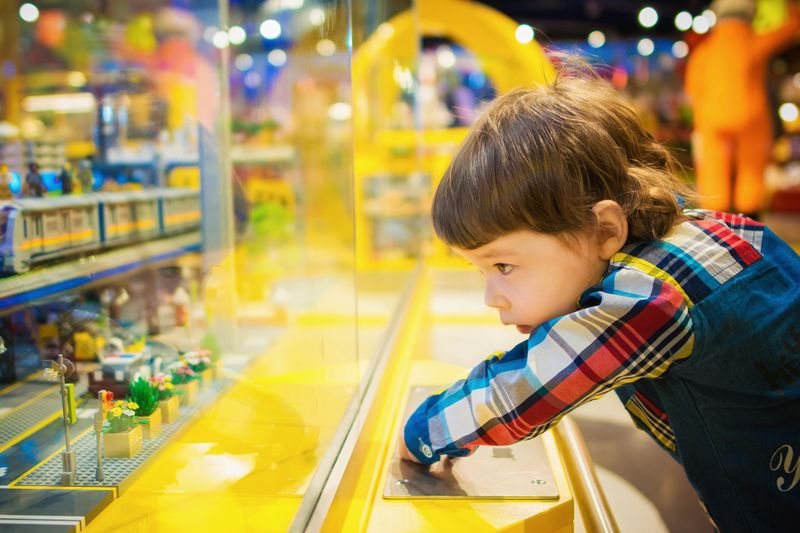
Many parents treated errands like a quick training exercise in responsibility.
You’d be handed cash and a simple mission, like grabbing milk or returning a videotape.
Walking into a store alone felt like being promoted to a higher level of maturity.
You had to find the right aisle, interact with a cashier, and not lose the change on the way out.
If you got confused, you didn’t call your parent, you either figured it out or improvised.
Sometimes you even carried a list, which made you feel like a tiny adult with an important job.
Today, leaving a child to handle a purchase alone can raise eyebrows, even in a safe neighborhood.
Back then, it was a common shortcut that quietly built confidence.
5. Calling friends on a landline and talking to their parents first

Before texting made communication effortless, reaching a friend required a little social bravery.
You picked up the phone and hoped you didn’t get a busy signal or a confusing voicemail message.
When someone’s parent answered, you had to politely ask for your friend instead of panicking and hanging up.
That brief conversation felt like a mini job interview, especially if the parent was protective or nosy.
If your friend wasn’t home, you accepted it and tried again later without spiraling into suspicion.
Sometimes you left a message, and the message was either too awkward or way too dramatic.
Kids today often avoid phone calls entirely, which makes this old routine feel like a high-pressure sport.
It wasn’t convenient, but it taught patience and basic social skills fast.
6. Knowing everyone’s phone number by memory
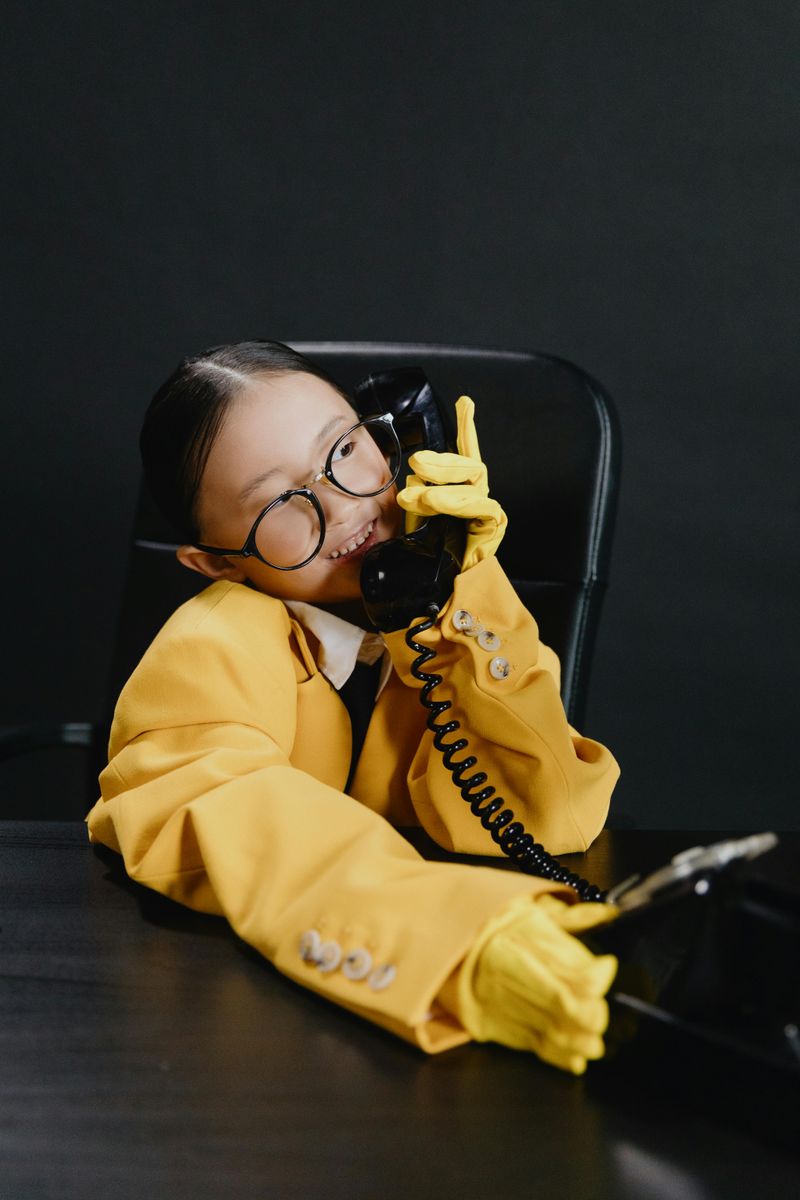
When your contacts didn’t live in your pocket, your brain became the address book.
Most kids knew their home number, a parent’s work number, and at least a few friends by heart.
You repeated those digits so often that they felt like part of your identity.
If you needed to call someone from a neighbor’s house, you didn’t scroll, you recited.
There was a strange confidence that came with knowing you could reach people without a device doing the thinking.
Even popular businesses like the pizza place or the video store sometimes made the memory list.
Now, many kids couldn’t tell you a single number besides maybe their own, because phones handle it all.
That shift makes the old habit seem almost impossible, even though it was once routine.
7. Hanging out at the mall for hours with friends (no adults)
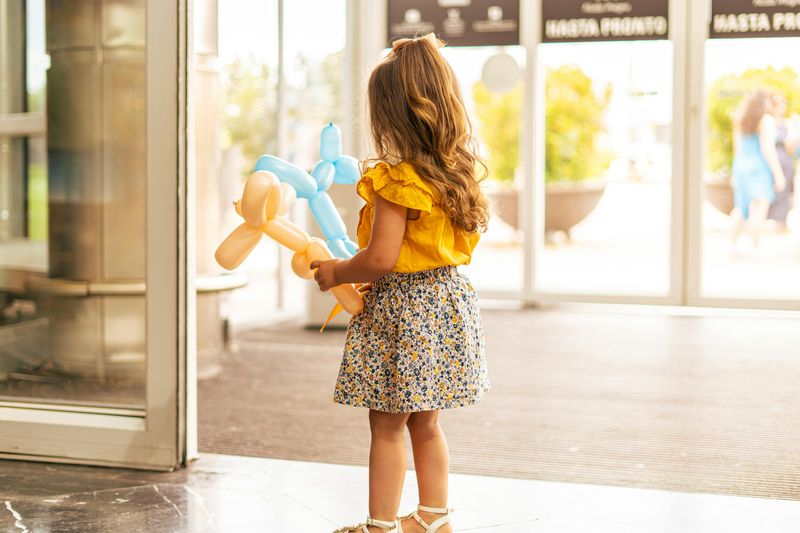
For many teens and tweens, the mall wasn’t just a shopping center, it was a social universe.
You got dropped off at an entrance and agreed on a pickup time like it was a formal contract.
Hours passed in the food court, the arcade, music stores, and any place that let you linger without buying much.
Friend groups mixed, split, reunited, and formed new plans entirely based on who you bumped into.
Your parents didn’t monitor where you were inside the building, because that level of tracking didn’t exist.
If you needed help, you found a payphone or asked a store employee, which felt both scary and grown-up.
Today, the idea of kids spending an entire afternoon unsupervised in a public space feels far less common.
Back then, it was a rite of passage and a weekly highlight.
8. Bike rides miles from home with no tracking
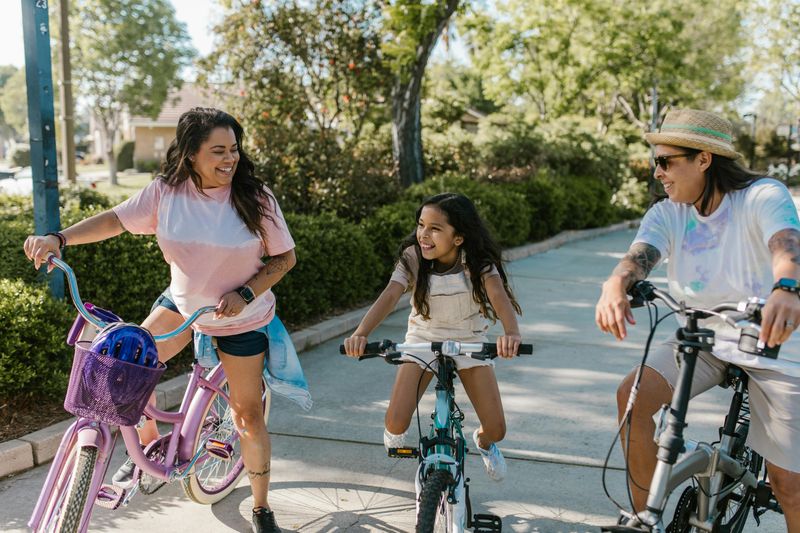
Exploring on a bike used to feel like pure freedom, because the boundaries were loose and the world felt open.
You pedaled to parks, friends’ houses, corner stores, and random streets just to see what was there.
Parents might ask where you were going, but the answer was usually vague and somehow acceptable.
There were no tracking apps, no real-time maps, and no constant pings reminding you to update anyone.
If you got a flat tire, you dealt with it by walking home, knocking on doors, or finding a friend.
That problem-solving made kids feel capable, even when they were a long way from home.
Now, many families want precise locations and instant contact, which changes the whole feeling of a bike ride.
What used to be normal exploration can look like risky behavior through a modern lens.
9. Playing in the woods/fields/construction-adjacent areas
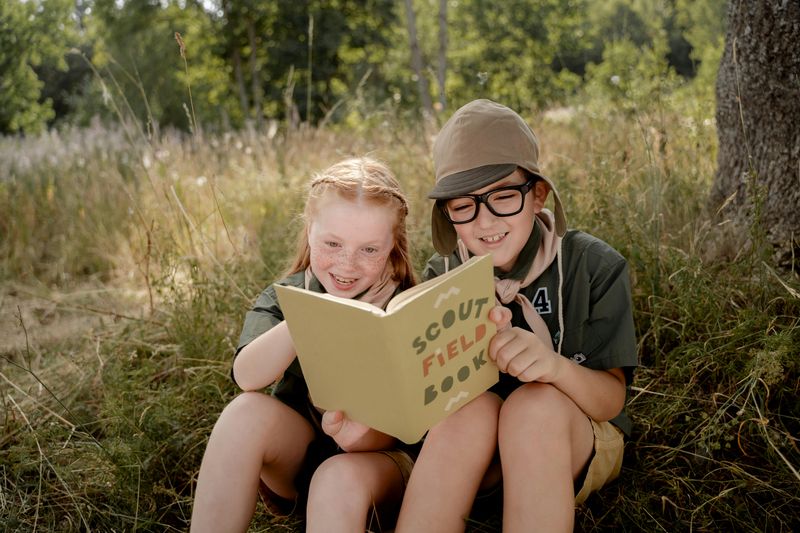
Adventure often meant going where adults weren’t paying attention, not because you were rebellious, but because it was exciting.
Kids treated nearby woods, drainage ditches, and empty lots like a personal discovery channel.
You built forts, climbed trees, and dared each other to venture deeper while pretending you weren’t nervous.
Sometimes the “cool” places were borderline sketchy, like half-built structures or abandoned-looking areas.
No one did formal risk assessments, and the only safety gear was a sense of optimism.
If you came home muddy, scratched up, or smelling like creek water, it was usually brushed off as normal.
Today, many parents would shut that down immediately because those spaces come with real hazards and real fear.
Back then, kids chased mystery, and the outdoors provided it in unlimited supply.
10. Drinking from the hose and eating whatever was around

Hydration and snacks were a lot less curated when kids lived outside most of the day.
If you were thirsty, you turned on the hose, waited for the water to get cold, and took a long drink.
If you were hungry, you grabbed whatever was available at your house or a friend’s house without much discussion.
“Snack rules” were often loose, and kids burned so much energy that adults didn’t worry too much about it.
Nobody asked about filtered water or ingredients lists, and nobody packed a perfectly balanced snack box for the afternoon.
That casual approach made everything feel easy, even if it wasn’t always the healthiest or most sanitary choice.
Today’s kids are used to water bottles, allergy awareness, and adults supervising what gets eaten and when.
The old style feels wild now, but it was part of the era’s carefree vibe.
11. Riding in cars with… let’s say “loose” safety rules
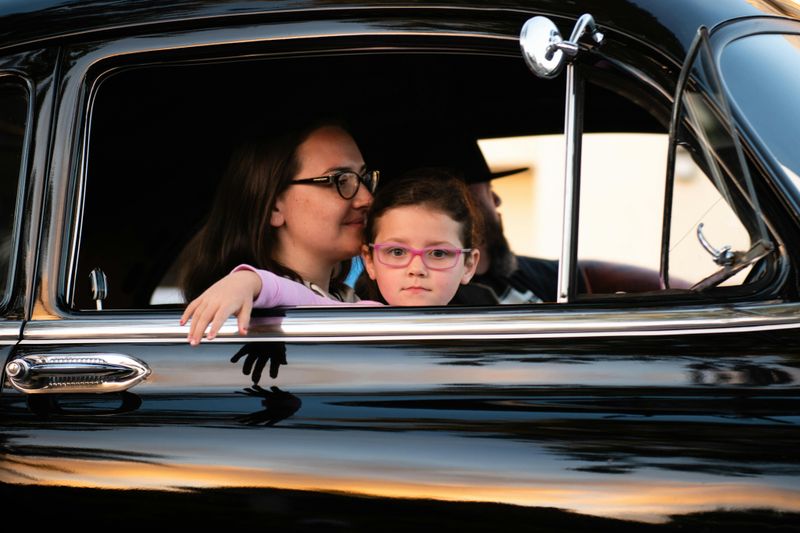
Car rides looked very different before modern safety standards became strict and widely enforced.
Kids hopped into the backseat without thinking about seat belts, booster seats, or the exact position of every strap.
Some sat in the middle, some sprawled out, and some even climbed around as if the car were a living room.
Long trips included naps on blankets, leaning against doors, and bargaining for the front seat like it was a throne.
Parents weren’t trying to be reckless, but the culture simply didn’t treat safety the same way it does now.
Over time, research and updated laws changed what families considered acceptable, and for good reason.
Today, the idea of a child moving freely in a car would horrify most parents instantly.
Looking back, it’s amazing any of us arrived anywhere without a lecture and a safety checklist.
12. Being unreachable for long stretches
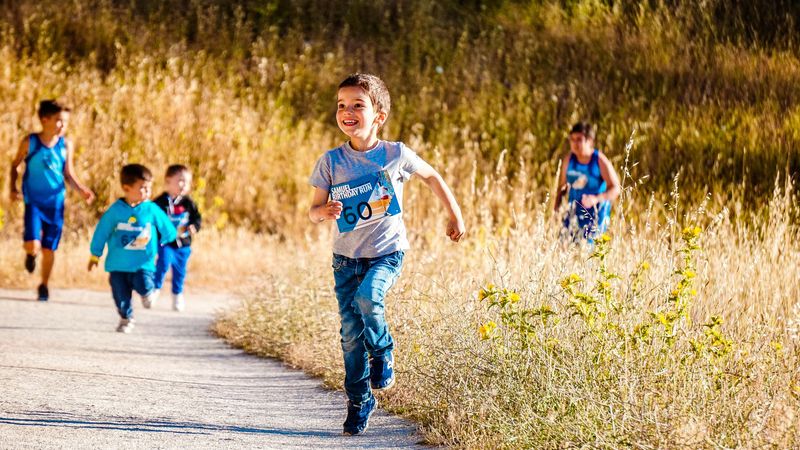
Kids once disappeared from home for hours without anyone panicking, because that was the default setup.
If you weren’t at home, your family assumed you were outside, at a friend’s house, or somewhere nearby.
The only way to reach you was to call around, ask siblings, or physically look for you.
Most of the time, no one bothered unless it was truly late or something felt unusual.
That created a kind of mental space kids rarely get now, because there was no constant digital tether.
You could be fully immersed in play without interruptions, notifications, or adults demanding instant responses.
Today, many families expect immediate contact, which makes long stretches of silence feel suspicious or unsafe.
Back then, being unreachable wasn’t alarming, it was just normal childhood.
13. Taking care of younger siblings (or babysitting) way earlier

Responsibility often arrived early, especially in households where parents worked or needed help.
Older kids watched younger siblings, made snacks, and kept the peace while adults handled errands or jobs.
Babysitting for neighbors wasn’t seen as extreme, but as a practical way to earn money and learn maturity.
You followed a few basic rules, trusted your judgment, and tried not to do anything that would cause a phone call.
If the younger kids fought or got upset, you had to manage it without instantly handing the problem to an adult.
That experience built confidence, but it also placed real pressure on kids who were still learning themselves.
Today, many parents feel uncomfortable leaving children in charge of other children, even briefly.
The shift makes sense, but it also highlights how much earlier independence used to start.
14. Watching whatever was on TV because there were no parental controls

Screen time existed, but it wasn’t curated, personalized, or protected by layers of controls.
Kids watched whatever happened to be on, which meant cartoons one minute and something inappropriate the next.
Channels changed by flipping, not by algorithms, so you stumbled into content by accident all the time.
News stories, scary movie trailers, and late-night shows could be genuinely unsettling for a young mind.
Parents might set basic limits, but they couldn’t filter every scene or block every channel with a few taps.
That exposure toughened some kids up, but it also created those random childhood memories that still feel strange.
Today’s streaming world offers profiles, ratings filters, and constant supervision tools that didn’t exist then.
The idea of kids freely channel surfing through everything would definitely shock modern families.
15. Learning the hard way—scrapes, arguments, boredom, and independence
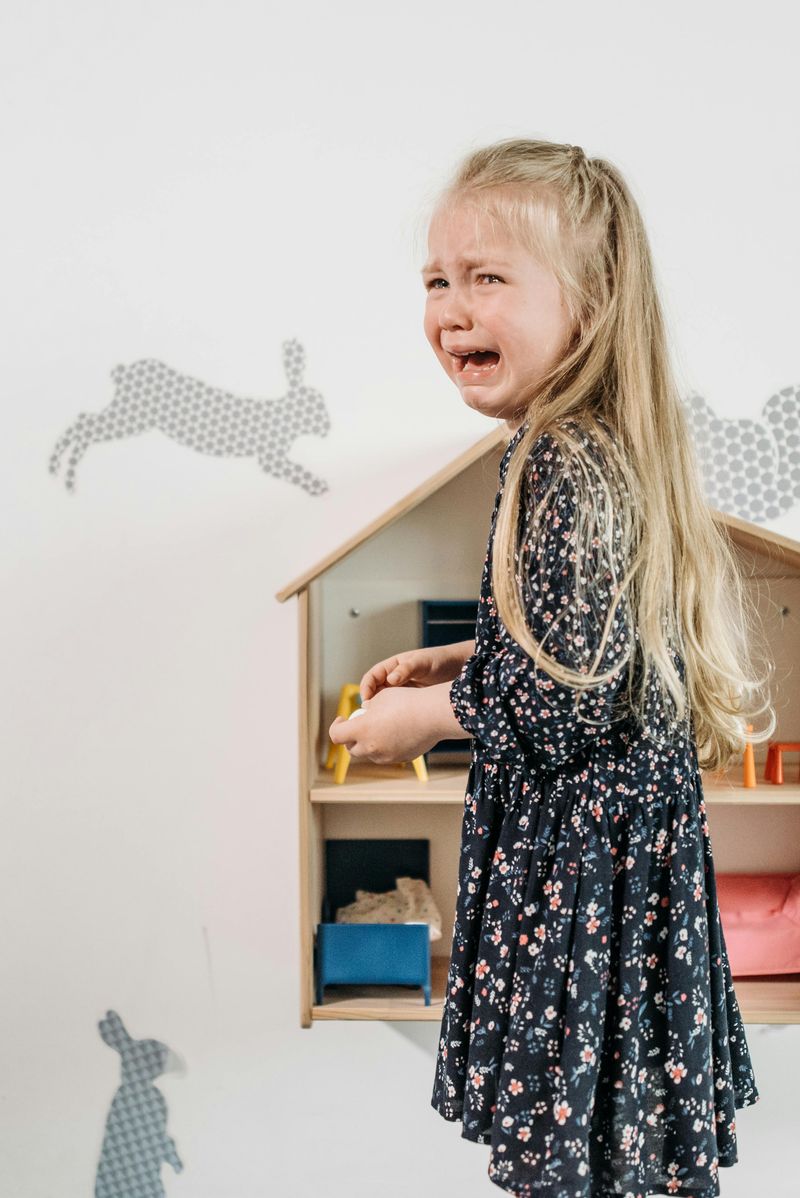
Instead of adults stepping in instantly, kids often worked through problems with trial and error.
Arguments with friends were handled face-to-face, which meant you learned tone, compromise, and consequences quickly.
Boredom wasn’t treated like an emergency, so creativity became a survival skill rather than an optional hobby.
Small failures, like getting lost on a bike ride or forgetting homework, taught lessons that stuck because you felt them.
Even minor injuries came with a practical message that you could recover and keep going.
That independence wasn’t perfect, but it helped kids develop resilience and a sense of competence.
Today, many children grow up with more support and more safety nets, which can be wonderful in many ways.
Still, the old-school freedom created a kind of self-reliance that feels rare now.
Comments
Loading…