
 Chloe Peterson
11 Social Rules That Quietly Changed After the Pandemic — And Never Went Back
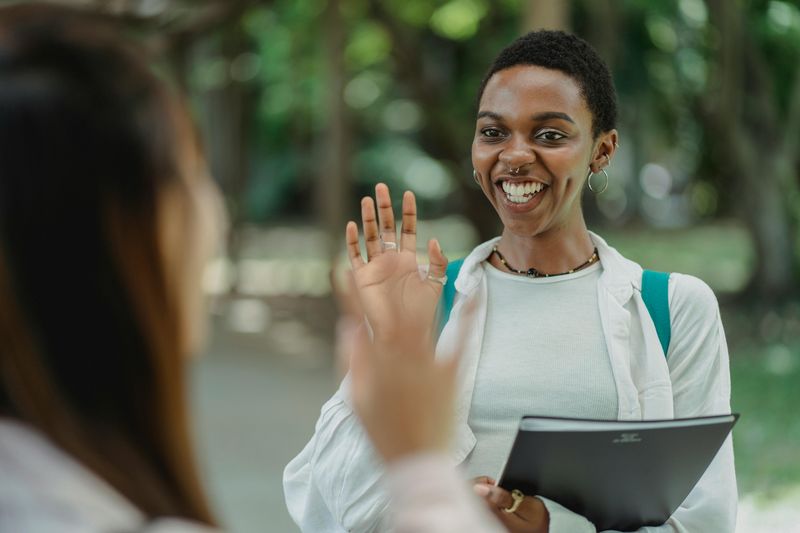
The world looks a little different now than it did before 2020.
While daily life may feel largely back to normal, many of the social rules we once took for granted have subtly shifted.
From how we greet one another to how and where we work, the pandemic left behind changes that didn’t disappear with lockdowns.
Instead, they quietly reshaped how we interact, connect, and move through our communities—often without us realizing it.
1. Reduced Face-to-Face Contact
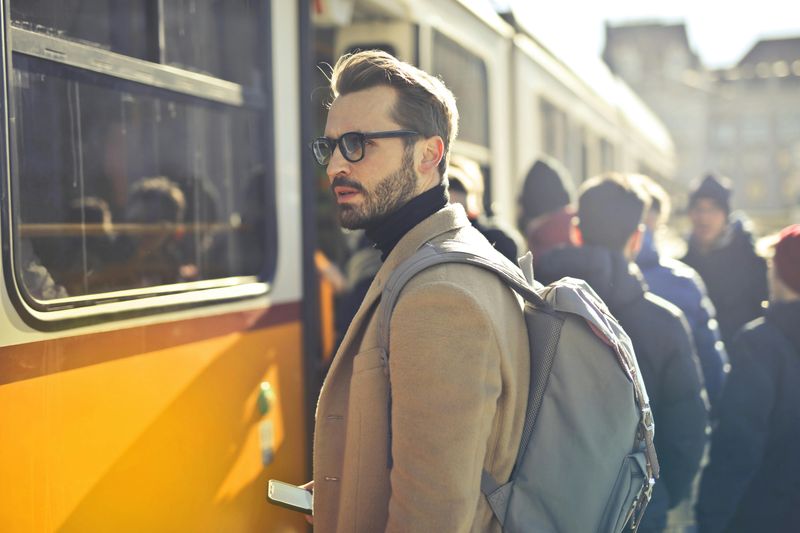
Surveys tracking social behavior reveal something interesting: people still have fewer random chats with strangers and acquaintances compared to pre-pandemic times.
Even though restrictions disappeared long ago, those spontaneous conversations at coffee shops or quick hellos to neighbors happen less often now.
This shift isn’t about fear anymore. Instead, many of us simply got used to keeping more to ourselves during lockdowns.
Our social circles became smaller and more intentional.
Whether grabbing groceries or riding public transit, casual interactions with people outside our inner circle dropped noticeably and haven’t fully bounced back, creating a quieter, more reserved social atmosphere in everyday spaces.
2. Increased Emphasis on Hand Hygiene
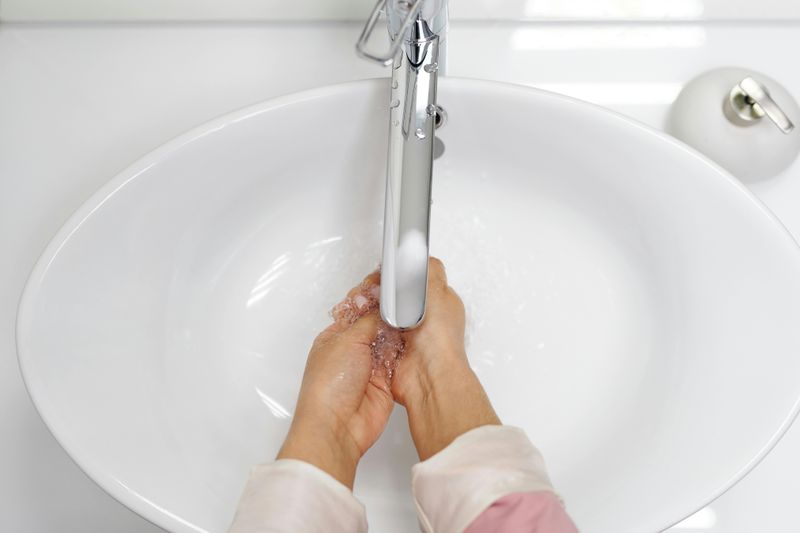
Remember when hand sanitizer suddenly appeared everywhere?
That habit stuck around.
Handwashing became something people take seriously now, not just a quick rinse before dinner.
Studies across different countries show hygiene behaviors improved dramatically during COVID-19 and stayed strong afterward.
Sanitizer stations remain common in stores, schools, and offices because we collectively decided cleanliness matters.
Friends and family remind each other to wash up more often than before.
What started as pandemic protocol transformed into a permanent cultural shift around disease prevention.
Society now reinforces these behaviors through visible reminders and social expectations, making thorough hand hygiene a lasting norm rather than temporary caution.
3. Widespread Adoption of Remote and Hybrid Work
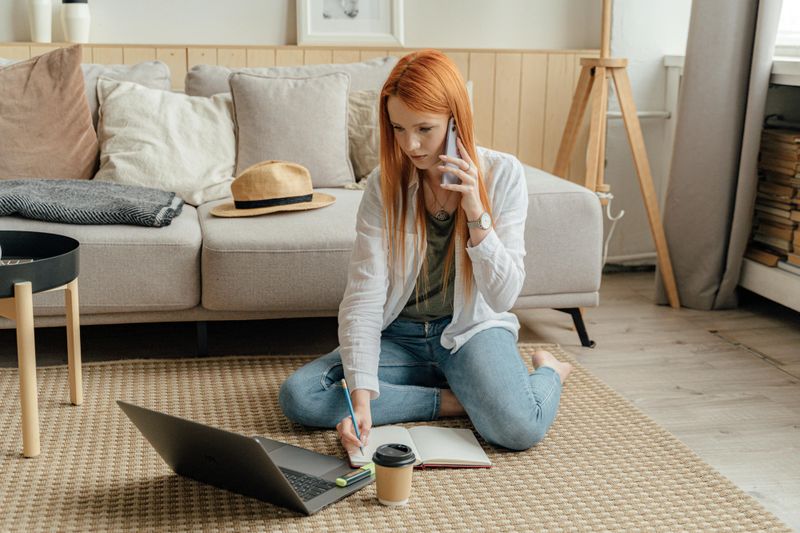
Office life underwent a revolution that nobody saw coming.
What seemed impossible before 2020—working from home full-time—suddenly became the norm for millions of people with desk jobs.
Companies discovered productivity didn’t require everyone sitting in cubicles five days weekly.
Remote and hybrid schedules became standard options rather than rare privileges.
Many organizations permanently restructured around flexible location policies.
This reshaped expectations about where work happens.
Employees now question why they should commute daily when tasks get done effectively from home.
The traditional office-centric model weakened significantly, giving workers more control over their physical workspace and reducing the assumption that professional work requires constant physical presence.
4. Flexible Work Hours and Blurred Work-Life Boundaries
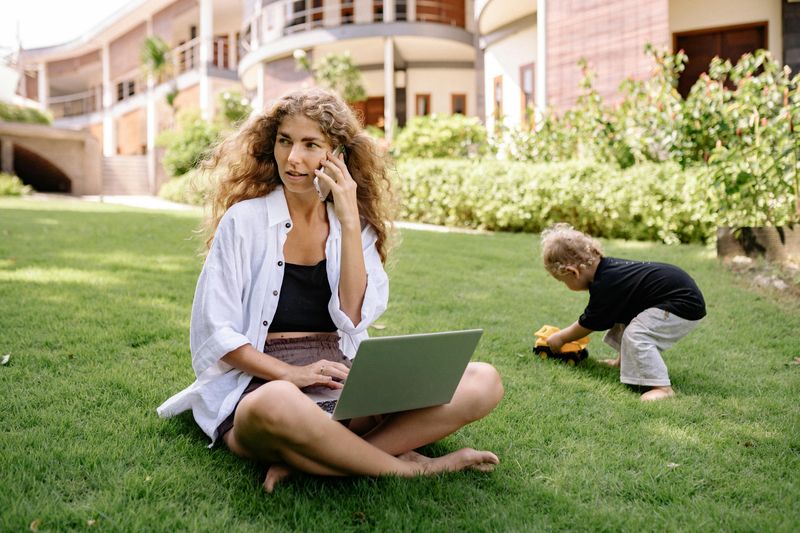
The strict 9-to-5 schedule started crumbling once people began working remotely.
Flexibility became king as employees juggled home responsibilities alongside professional duties throughout the day.
Parents might work early morning, take a midday break for school pickup, then return to tasks after dinner.
This flexibility felt liberating but also complicated.
Many workers struggle to disconnect when their office is steps away from their bedroom.
Bosses and colleagues now expect quicker responses outside traditional hours, creating pressure to stay available.
The boundaries separating work time from personal time grew fuzzy, changing expectations around responsiveness and making it harder to truly clock out mentally.
5. Normalizing Digital Social Interaction

Video chats transformed from awkward novelties into perfectly acceptable ways to maintain friendships.
Birthday parties happened over Zoom.
Book clubs met through screens.
Families celebrated holidays digitally when distance separated them.
What’s remarkable is how these digital connections stuck around even after gathering became safe again.
Many people discovered they prefer texting a friend instead of meeting up, or joining online communities rather than attending physical meetups.
Professional relationships also adapted, with colleagues building genuine connections despite never sharing an office.
Digital interaction became a legitimate substitute for face-to-face contact, not just an emergency backup plan, fundamentally changing how we define social connection and friendship maintenance.
6. Prolonged Virtual Meeting Etiquette
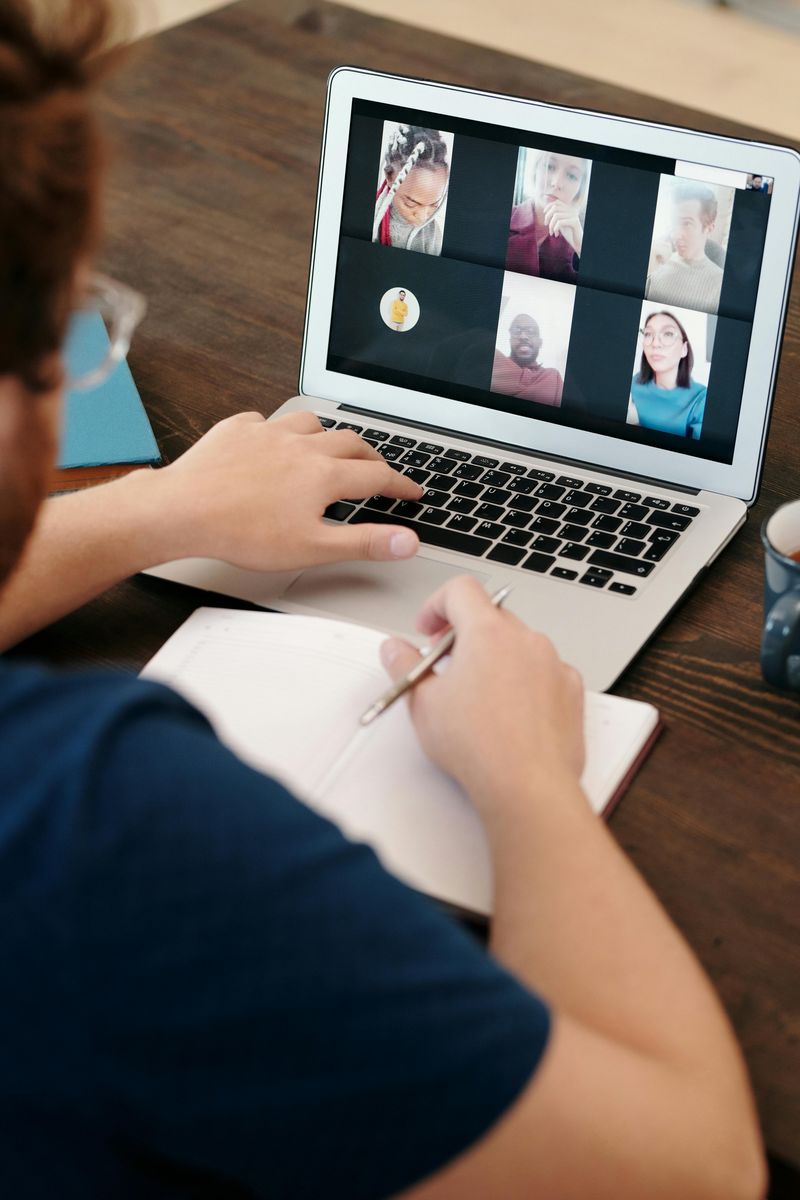
An entirely new rulebook emerged around online meetings.
Should cameras stay on?
When is muting appropriate?
Can you eat during calls?
These questions didn’t exist before pandemic life pushed everyone onto video platforms.
Standardized norms developed quickly across workplaces and schools.
People learned the polite thing involves muting when not speaking, positioning cameras at flattering angles, and using chat features thoughtfully.
Meeting fatigue became a recognized phenomenon with a name.
Organizations now acknowledge that back-to-back video calls drain energy differently than in-person meetings.
These unwritten rules became so embedded that they’ll likely outlast remote work itself, creating lasting standards for digital communication etiquette in professional settings.
7. Reconfigured Social Gatherings
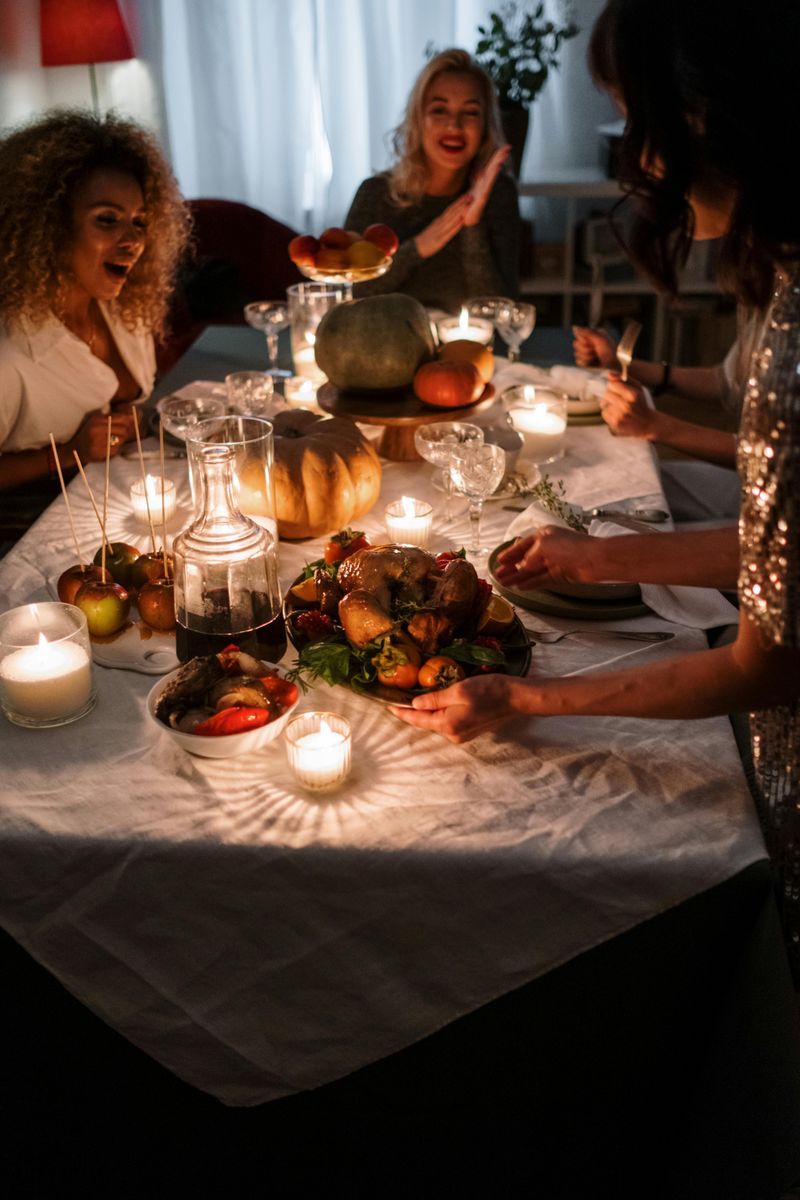
Big parties feel different now, don’t they?
Many people became pickier about which social events deserve their time and energy.
Instead of attending every gathering they’re invited to, folks favor smaller, more meaningful get-togethers.
Crowded venues that once seemed exciting now trigger hesitation for some.
Birthday dinners replaced big bashes.
Game nights with close friends beat large networking events.
This selectivity reflects both lingering caution and a genuine shift in what feels comfortable and valuable.
People discovered they actually prefer intimate gatherings where real conversations happen.
The pressure to maintain huge social calendars weakened, making quality connections matter more than quantity of events attended or number of acquaintances collected.
8. Shift in Urban and Public Engagement
Cities changed in subtle ways that researchers noticed through mobility studies.
People explore urban areas less adventurously now, sticking to familiar routes and neighborhoods rather than wandering into new districts.
Public spaces see different usage patterns.
Parks might be busier, but indoor venues like museums or crowded markets attract fewer spontaneous visits.
The diversity of where people go and who they encounter decreased noticeably.
This affects the vibrant randomness that makes cities exciting—those unexpected encounters and discoveries while exploring.
Urban life became more predictable and routine-focused, with residents navigating shared spaces more cautiously and purposefully than before, reducing the serendipitous public interactions that once characterized city living.
9. New Norms Around Personal Space
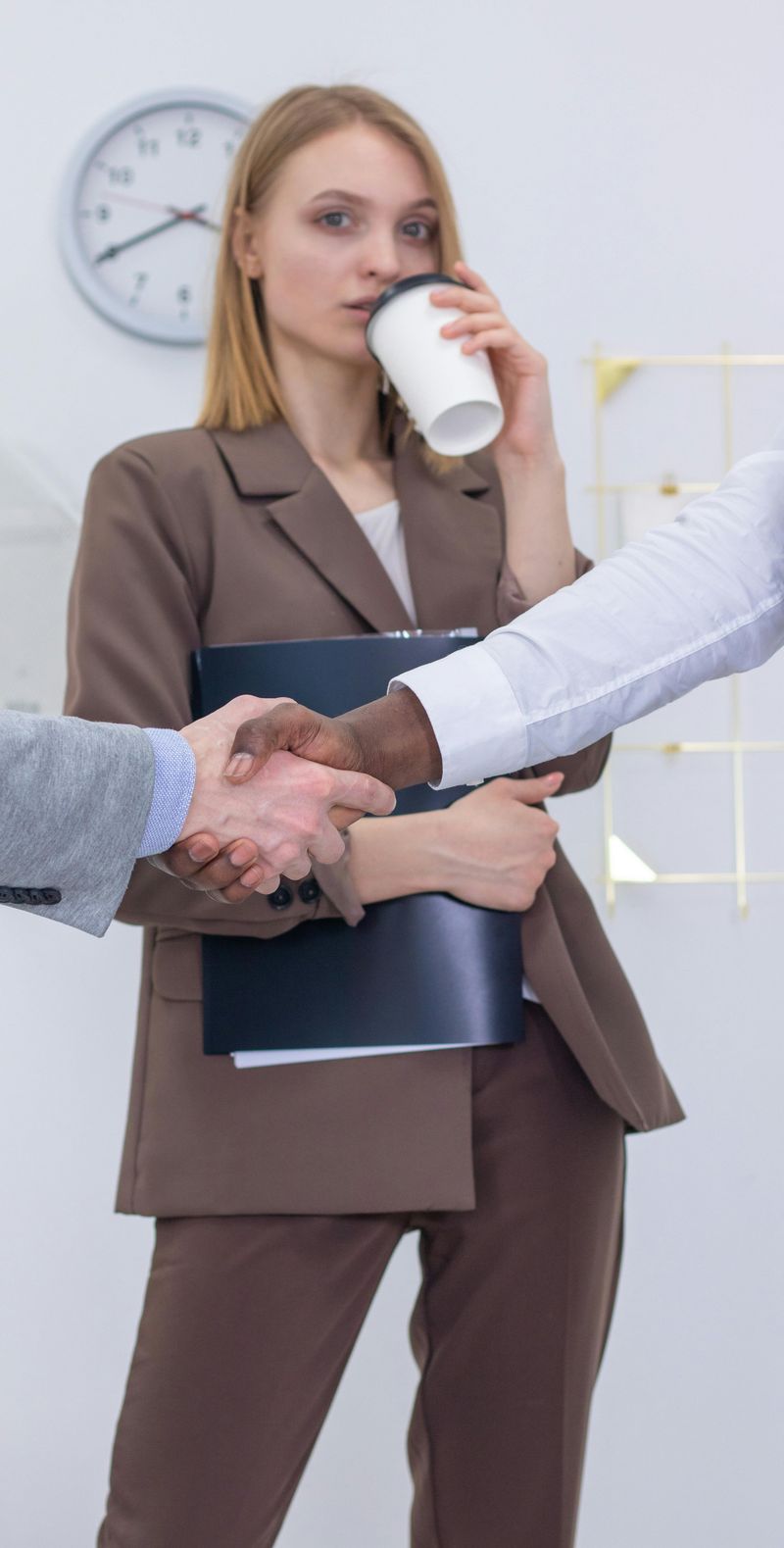
Handshakes feel weirdly intimate now to many people.
That automatic reach for someone’s hand when meeting got interrupted, and for lots of folks, it hasn’t fully returned.
Preferences for greater physical distance stuck around even after health mandates ended.
Standing closer than six feet can feel uncomfortable, even when there’s no logical reason for concern.
Hugging acquaintances became less automatic.
These aren’t official rules anymore, just shifted comfort zones.
Some people appreciate the extra space and reduced physical contact with non-family members.
Others miss the warmth of casual touch.
Either way, personal space expectations recalibrated significantly, creating new unspoken boundaries about appropriate physical proximity and contact in social and professional settings.
10. Increased Awareness of Health and Risk Behavior

Going to work with a sniffle used to be normal, even praised as dedication.
Now?
That behavior gets serious side-eye.
Social expectations shifted dramatically toward staying home when feeling unwell, no matter how minor the symptoms seem.
People became more conscious of illness transmission as a community responsibility rather than just personal concern.
Coughing in public without covering draws disapproving looks.
Mentioning you’re sick prompts immediate distance from others.
This heightened awareness changed workplace cultures too, with employers more accepting of sick days and remote work during illness.
The old mentality of powering through sickness at the office weakened considerably, replaced by collective understanding that protecting others from potential infection matters.
11. Changes in Household and Work Roles
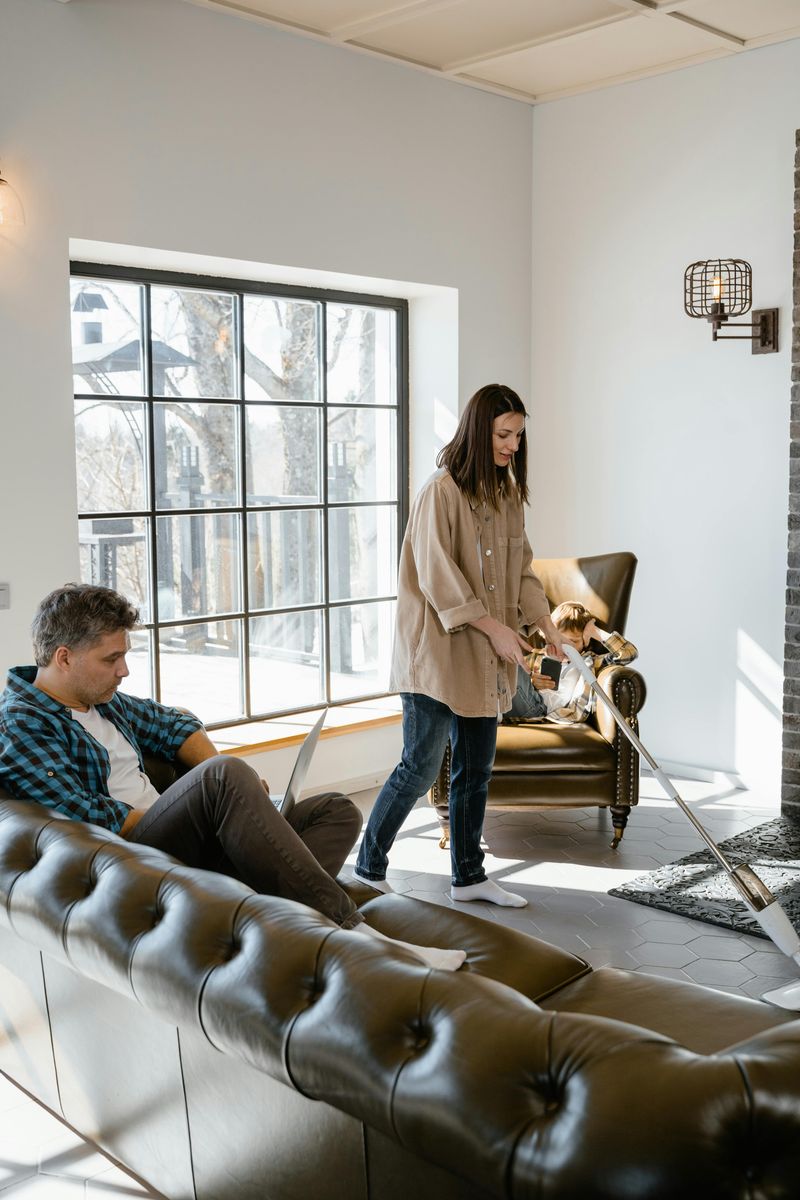
When everyone suddenly worked from home, household dynamics got shaken up.
Who handles childcare during conference calls?
How do cooking responsibilities split when both partners are home all day?
These questions forced conversations many families had been avoiding.
Extended remote work periods made invisible domestic labor suddenly very visible.
Couples renegotiated who does what, sometimes challenging traditional gender role expectations.
Fathers became more involved in daily childcare and housework by necessity.
Even as some workers returned to offices, these renegotiated arrangements often stuck.
Expectations around work-family balance shifted, with more recognition that professional and domestic responsibilities need equitable distribution.
The assumption that one partner handles most home duties weakened in many households.
Comments
Loading…