
 Isabel Parker
12 Things People Regret Not Doing in Their 30s and 40s

Your 30s and 40s are powerful decades filled with career growth, family building, and personal discovery.
Yet many people look back on these years with a sense of missed opportunities and choices they wish they’d made differently.
Understanding the most common regrets can help you make better decisions now, while you still have time to shape your future with intention and purpose.
1. Not Saving and Investing Earlier

Compound interest works like magic, but only if you give it time.
Waiting until your 40s to start retirement contributions means missing out on years of growth that could have doubled or tripled your money.
Emergency savings matter just as much.
Without a financial cushion, unexpected expenses create stress and force you into debt.
Starting early gives your money time to grow while you sleep.
Financial flexibility becomes precious as you age.
Adults who delayed investing often feel trapped in jobs they dislike because they can’t afford to leave.
Building wealth early creates options and peace of mind that money can’t buy later.
2. Neglecting Physical Health

Your body keeps score of every skipped workout and unhealthy meal.
Poor nutrition and lack of exercise might not show consequences immediately, but chronic conditions like diabetes, heart disease, and joint problems often trace back to habits formed in your 30s and 40s.
Preventive care catches problems before they become serious.
Regular checkups, screenings, and dental visits seem boring until you face a health crisis that could have been prevented.
Reversing damage gets harder with each passing year.
Building healthy habits now means more energy, better mood, and independence as you age rather than managing medications and limitations.
3. Staying Too Long in Unfulfilling Jobs

Comfort becomes a trap when you trade passion for a steady paycheck.
Years slip by in jobs that drain your energy and enthusiasm, leaving you wondering what could have been if you’d taken a chance on something meaningful.
Growth stops when you stay somewhere too long.
Skills become outdated, networks shrink, and opportunities pass you by while you cling to familiar routines that no longer serve your goals.
Purpose matters more than most people realize until it’s missing.
Waking up excited about your work versus dreading Monday mornings makes an enormous difference in overall life satisfaction and mental health over decades.
4. Failing to Pursue Passions or Personal Goals

Everyone has that thing they’ve always wanted to try—writing a book, starting a business, learning an instrument, or mastering a craft.
Responsibilities pile up in your 30s and 40s, but they never disappear completely, so waiting for the perfect time means never starting.
Creative pursuits feed your soul in ways career success cannot.
Research consistently shows that people who make time for meaningful hobbies and personal projects report higher life satisfaction and lower stress levels.
Entrepreneurial ideas lose their window.
Market conditions change, energy decreases, and risk tolerance shrinks with age, making it harder to launch ventures later when you finally feel ready.
5. Not Taking Calculated Risks

Playing it safe feels responsible, but excessive caution creates its own kind of regret.
Career opportunities, relocations, and life changes that scared you often turn out to be the chances you wish you’d grabbed when looking back.
Fear of failure keeps people stuck more than actual failure ever could.
Most successful people have stories of risks that didn’t pan out, but they rarely regret trying.
They regret the opportunities they never pursued.
Windows close faster than you think.
Job offers expire, housing markets shift, and personal circumstances change, making decisions that seemed possible yesterday impossible tomorrow.
Calculated risks honor your future self’s potential.
6. Letting Friendships Fade

Work deadlines and family obligations consume time that once went to friends.
Before you realize it, years pass between meaningful conversations with people who once knew you best, and reconnecting becomes awkward rather than natural.
Deep friendships require maintenance like gardens require watering.
Text messages and social media likes don’t replace real connection, shared experiences, and being present during important life moments both joyful and difficult.
Loneliness hits hard in midlife when you suddenly need support but haven’t nurtured relationships.
Friends who understand your history and accept you completely become increasingly rare and valuable as you age.
7. Prioritizing Work Over Life Experiences

Promotions and bonuses feel important until you miss your child’s recital or skip a friend’s wedding for a meeting.
Peak earning years tempt you to sacrifice everything for career advancement, but those moments never return.
Memories matter more than money when you look back.
Nobody on their deathbed wishes they’d worked more hours or attended more conference calls.
They remember adventures, celebrations, and time with people they loved.
Hobbies and personal milestones shape who you become.
Overworking leaves you one-dimensional, defined only by your job title rather than rich experiences that make you interesting and fulfilled beyond your career identity.
8. Ignoring Mental and Emotional Health

Stress piles up like unpaid bills when you ignore emotional needs.
Anxiety, burnout, and unresolved trauma don’t disappear on their own—they grow heavier and more complicated with time, affecting relationships, work performance, and physical health.
Therapy isn’t just for crisis moments.
Working with a counselor helps you understand patterns, process difficult emotions, and develop healthy coping strategies before problems become overwhelming or cause lasting damage to important relationships.
Self-awareness transforms how you navigate life.
Understanding your triggers, needs, and emotional responses helps you make better decisions, communicate more effectively, and build the resilience necessary for handling inevitable challenges ahead.
9. Living According to Others’ Expectations

Family pressure and social expectations shape choices more than most people admit.
Pursuing careers, relationships, or lifestyles that look good to others while ignoring your own values creates a hollow existence that eventually feels unbearable.
Authenticity requires courage, especially when it disappoints people you care about.
Choosing a different path than parents expected or society approves takes strength, but living someone else’s dream guarantees regret.
Identity crisis hits harder when you’ve spent decades pleasing others.
Discovering who you actually are and what you truly want becomes more difficult and disorienting when you’ve ignored your inner voice for years.
10. Not Expressing Feelings Honestly
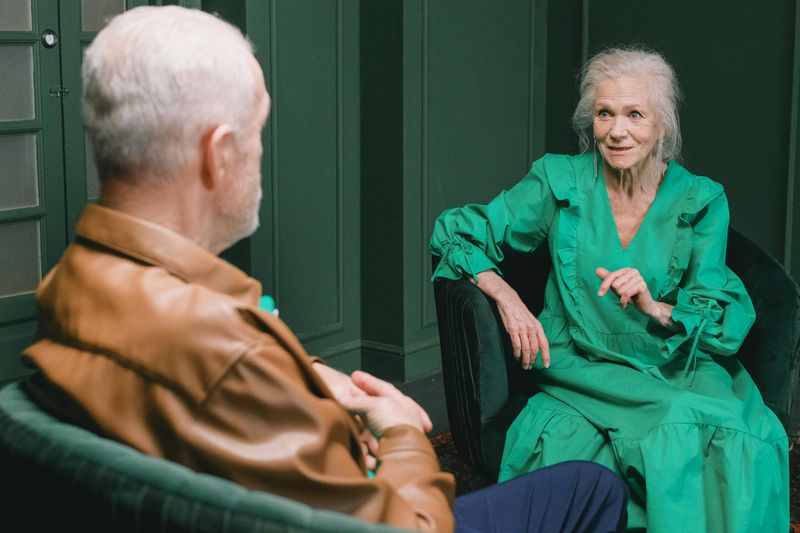
Unspoken words create distance in relationships that could have been close.
Holding back affection, gratitude, or difficult truths seems safer than vulnerability, but silence builds walls that eventually become impossible to break through.
Apologies get harder the longer you wait.
Pride and embarrassment keep people from addressing hurt they’ve caused, allowing resentment to fester until relationships die from accumulated wounds that simple honesty could have healed.
Regret about what you didn’t say hurts worse than awkward conversations.
People rarely regret expressing love or appreciation, but they carry guilt for years about affection they withheld and conversations they avoided until it was too late.
11. Missing Travel Opportunities

Physical ability and freedom to travel peak during your 30s and 40s before health issues, aging parents, or other constraints make adventures more difficult.
Destinations that require hiking, long flights, or physical endurance become less accessible with each passing year.
Financial flexibility changes unpredictably.
Today’s travel budget might disappear tomorrow due to job changes, unexpected expenses, or family needs, making that dream trip perpetually postponed until circumstances never align again.
Experiences shape perspective in ways material possessions cannot.
Exposure to different cultures, landscapes, and ways of living expands understanding and creates memories that enrich your entire life rather than things that eventually break or lose value.
12. Avoiding Long-Term Planning Beyond Finances

Retirement accounts matter, but they’re not the only future worth planning.
Career transitions, lifestyle changes, and personal development goals need roadmaps too, or midlife arrives with confusion about purpose and direction beyond just having enough money.
Intentional planning prevents crisis decision-making.
People who think ahead about what they want their 50s and 60s to look like make better choices in their 30s and 40s rather than scrambling when change becomes necessary.
Personal growth doesn’t happen accidentally.
Skills you’ll need, relationships you want to build, and the person you hope to become all require deliberate attention and planning, not just hoping things work out somehow.
Comments
Loading…