
 Harper Hall
11 Old-School Life Skills Making a Quiet Comeback

Remember when people grew their own vegetables, fixed their own clothes, and made bread from scratch?
Those skills never really disappeared—they just went quiet for a while.
Now, they’re coming back stronger than ever as more people discover the joy, savings, and satisfaction that come from doing things the old-fashioned way.
Whether it’s about saving money, helping the environment, or just slowing down in our fast-paced world, these traditional abilities are finding new fans every day.
1. Home Gardening
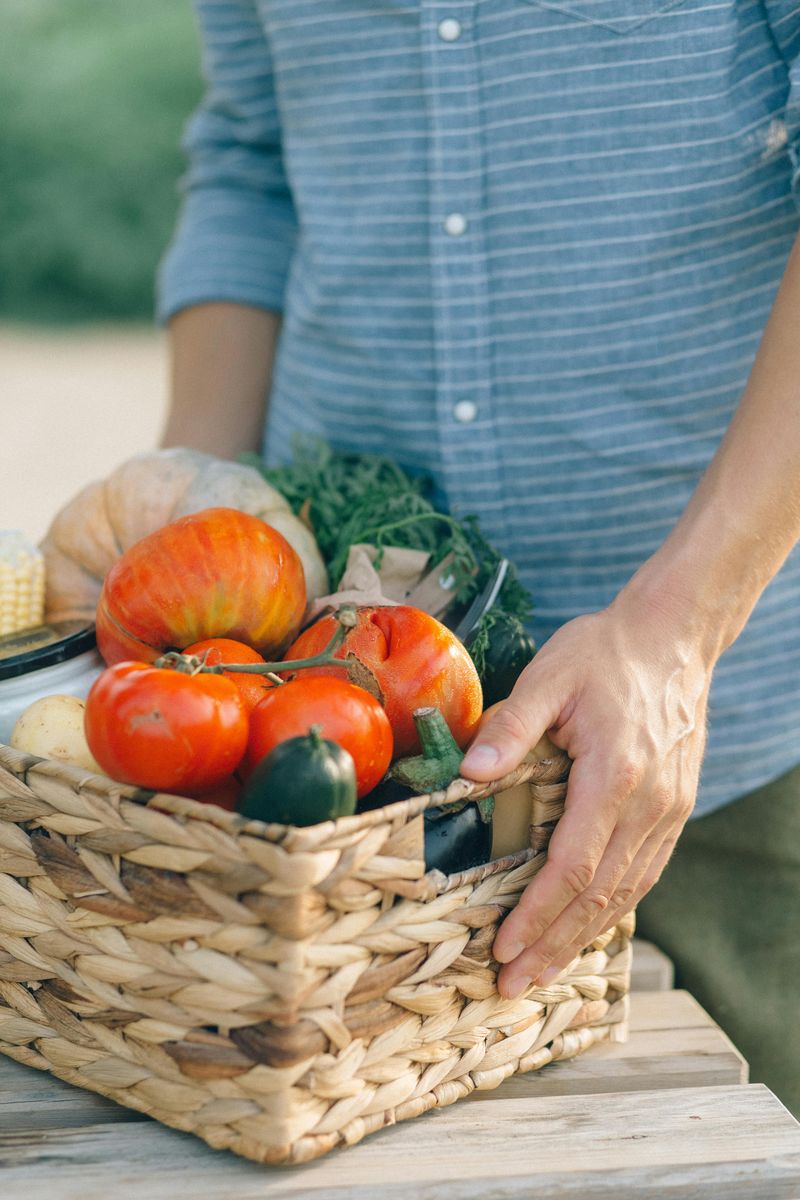
Growing your own food has become wildly popular again.
Families everywhere are digging up patches of lawn to plant tomatoes, peppers, and herbs right outside their back doors.
Rising grocery prices have pushed many people to start gardens, but it’s more than just saving money.
There’s something incredibly rewarding about eating a salad made from vegetables you planted yourself.
Plus, you know exactly what went into growing them—no mystery chemicals or long-distance shipping required.
Whether you have a big yard or just a sunny balcony with pots, growing even a little of your own food connects you to nature and gives you fresh, tasty produce all season long.
2. Food Preservation (Canning, Pickling, Fermenting)
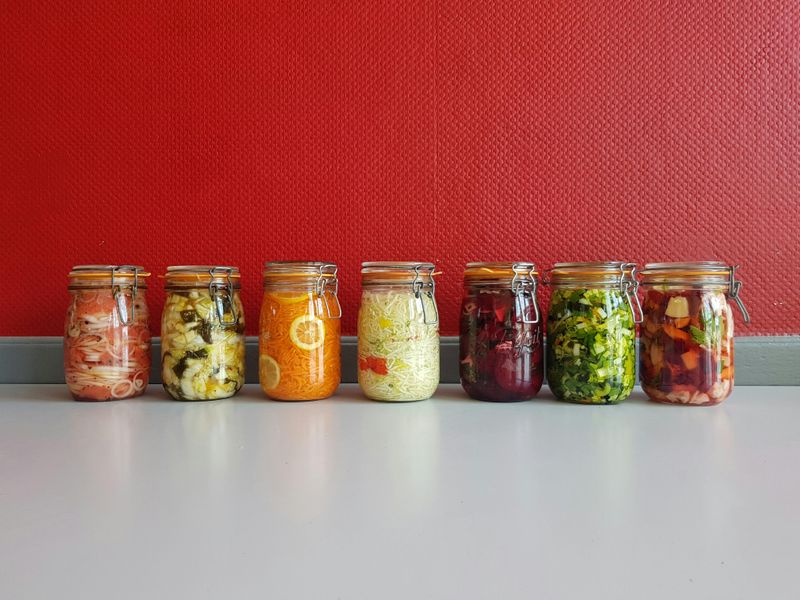
Grandma’s canning jars are back in style.
People are rediscovering the magic of preserving summer’s harvest so they can enjoy it all year round.
Canning, pickling, and fermenting let you capture peak-season flavors and save money by buying produce when it’s cheap and plentiful.
Sales of canning supplies and fermentation kits have climbed steadily as more folks realize how easy and fun these methods are.
Pinterest boards overflow with recipes for pickled cucumbers, fermented sauerkraut, and homemade jams.
Beyond the practical benefits, there’s real satisfaction in lining your pantry shelves with colorful jars you filled yourself.
Food preservation connects us to generations past while helping reduce waste and dependence on store-bought, processed foods loaded with preservatives.
3. Sewing and Clothing Repair

Fast fashion is losing its appeal.
Instead of tossing ripped jeans or shirts with missing buttons, people are learning to fix them.
Sewing and mending skills are surging as shoppers push back against throwaway culture and its environmental damage.
Learning basic stitches means you can patch holes, replace zippers, and even alter clothes to fit better.
It’s not just about being thrifty—though saving money is nice.
Repairing your favorite jacket or customizing a thrift store find with patches and embroidery lets you express creativity while keeping perfectly good clothing out of landfills.
Plus, hand-sewing is surprisingly relaxing once you get the hang of it.
4. Knitting and Crocheting

Needles are clicking again, and not just among grandparents.
Young people are picking up knitting and crocheting in surprising numbers, creating everything from cozy scarves to trendy sweaters.
These crafts nearly faded away but have roared back to life.
Social media platforms showcase stunning handmade creations, inspiring beginners to grab needles and give it a try.
The repetitive motions offer stress relief in our hectic world, almost like meditation with a productive outcome.
Making your own clothing and accessories means you get exactly what you want in colors and styles you love.
Whether you’re crafting gifts for friends or building a unique wardrobe, these timeless skills offer both relaxation and practical results.
5. Woodworking and DIY Building
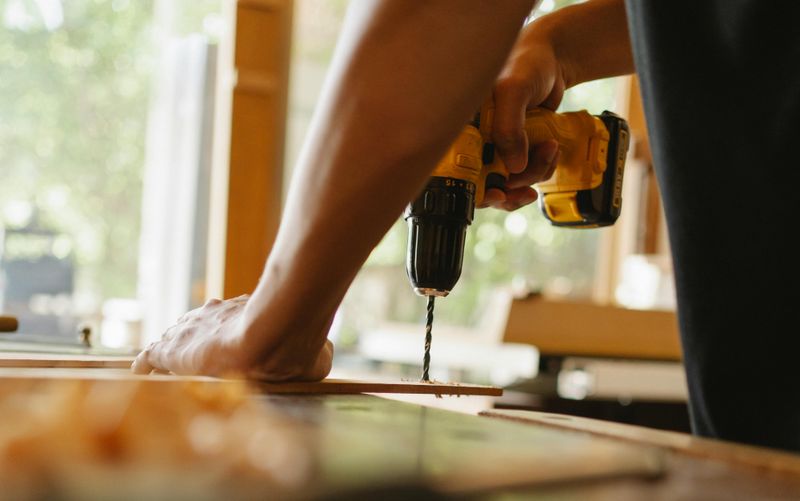
Sawdust is flying again in garages and basements across the country.
Basic carpentry skills are making a serious comeback as people tackle their own home projects instead of hiring expensive contractors.
Rising renovation costs have motivated many to learn woodworking, but the maker movement deserves credit too.
There’s genuine pride in building a bookshelf or fixing a wobbly table with your own hands.
Home improvement retailers report increased tool sales and packed workshop classes teaching fundamental skills like measuring, cutting, and joining wood.
Woodworking combines creativity with practicality.
You can customize furniture to fit your exact space and style while saving substantial money.
Even small projects like cutting boards or picture frames make thoughtful gifts and teach valuable problem-solving skills that apply far beyond the workshop.
6. Beekeeping
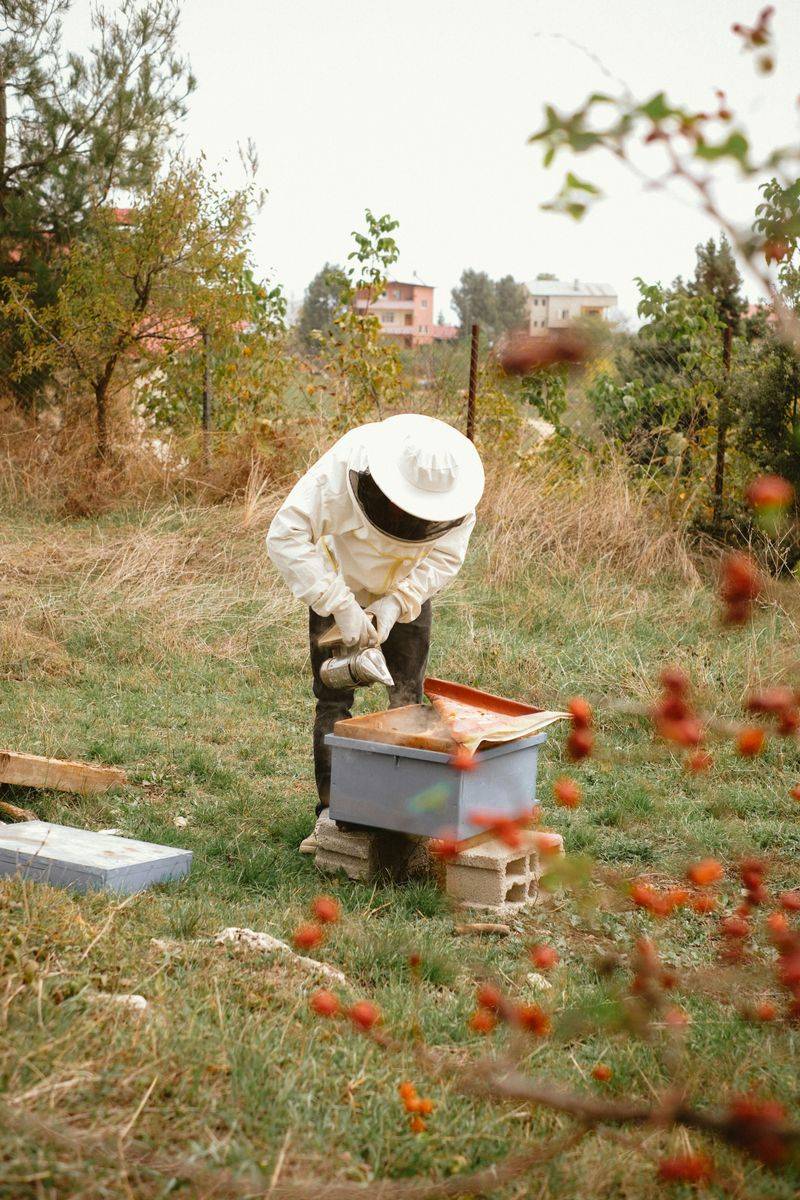
Buzzing has returned to backyards and rooftops everywhere.
Urban and suburban beekeeping registrations keep climbing as people discover this fascinating hobby that helps both their gardens and the environment.
Concern about declining bee populations has sparked interest, but the rewards go beyond conservation.
Keeping bees means fresh honey, help pollinating your garden, and a front-row seat to one of nature’s most organized societies.
Starting requires some equipment and education, but beekeeping communities are welcoming and eager to share knowledge.
Watching your hive thrive and harvesting your own golden honey creates a connection to nature that’s hard to match.
Plus, bees are surprisingly gentle when treated with respect and proper techniques.
7. Film Photography

Camera shutters are clicking differently these days.
Film photography has bounced back from near extinction as photographers rediscover the magic of shooting on actual film instead of digital sensors.
Manufacturers confirm they’re increasing film production after years of decline, responding to demand from both nostalgic older photographers and curious younger ones.
There’s something special about the slower, more intentional process—you can’t immediately delete mistakes or snap hundreds of throwaway shots.
Each frame matters, making you think carefully about composition and lighting.
Developing film and seeing your images appear feels almost magical compared to instant digital results.
The unique grain, color tones, and occasional happy accidents of film create images with character that digital filters can’t quite replicate.
It’s creativity at a more thoughtful pace.
8. Calligraphy and Hand Lettering

Beautiful handwriting is having a moment.
Calligraphy and hand lettering have surged beyond wedding invitations into journaling, branding, and artistic expression.
Social media platforms showcase stunning lettering art that inspires thousands to pick up special pens and practice their loops and flourishes.
Online courses teaching these traditional arts report rising enrollment as people seek creative outlets that don’t involve screens—ironic, since Instagram often introduces them to the craft.
Learning calligraphy takes patience and practice, but even beginners can create lovely results fairly quickly.
The focused concentration required provides stress relief while developing a skill that adds personal touches to cards, gifts, and art.
In our typed world, receiving something written in beautiful script feels incredibly special and thoughtful.
Your handwriting becomes your unique signature style.
9. Traditional Grooming (Straight-Razor Shaving)

Old-fashioned shaving is cutting through modern trends.
Straight razors and traditional shaving methods are gaining fans as part of a return to heritage grooming rituals.
Men are ditching disposable plastic razors and expensive cartridges for the classic approach their grandfathers used.
Specialty razor and shaving soap sales keep growing according to grooming industry reports.
The process takes more time and skill than modern quick shaves, but supporters say the results are worth it—closer shaves, less irritation, and a morning routine that feels more like self-care than a chore.
There’s also the environmental angle: straight razors last decades with proper care, eliminating mountains of plastic waste.
Learning the technique requires patience, but mastering it brings satisfaction and saves money long-term.
Plus, the tools themselves are often beautiful, crafted objects worth displaying.
10. Foraging and Wild Food Skills
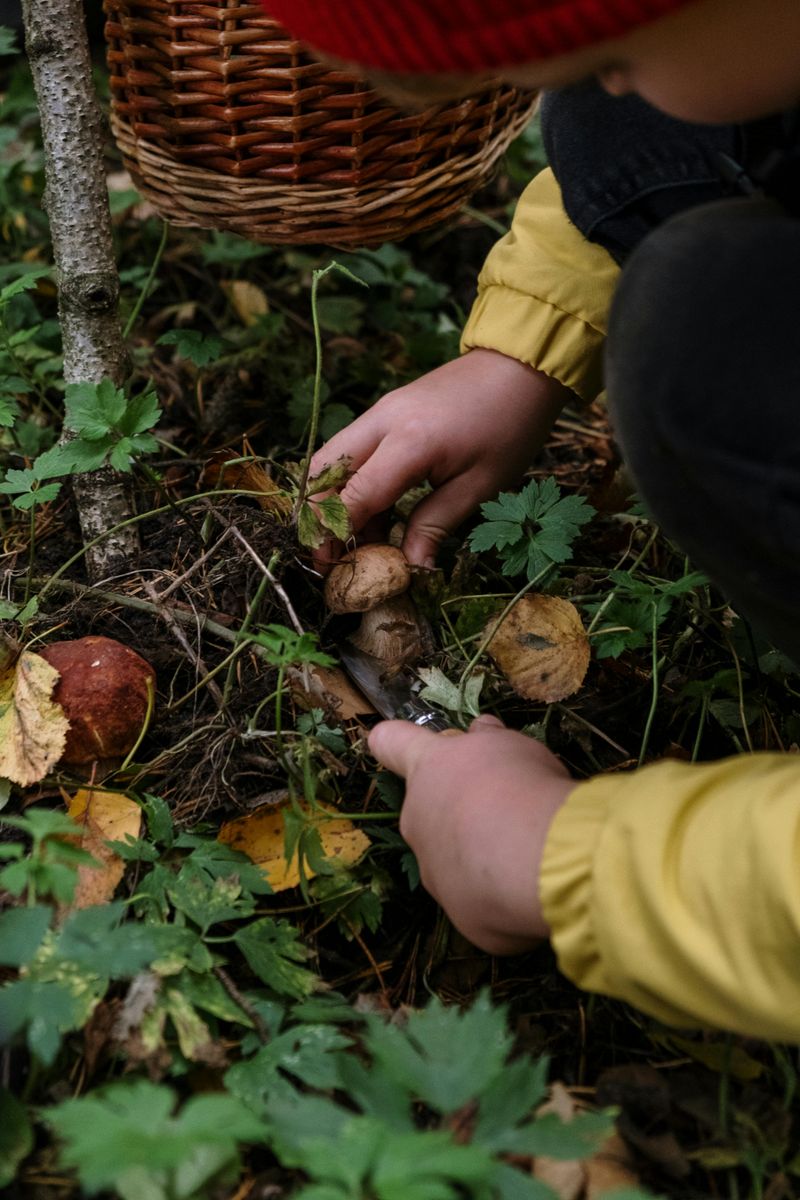
Forests and fields are classrooms again.
Foraging for wild edibles has grown alongside outdoor recreation trends as people learn to identify and harvest nature’s free groceries.
State extension programs and survival education groups report higher attendance at foraging workshops where participants learn to safely identify mushrooms, berries, and edible plants.
It combines exercise, nature connection, and practical skills while providing unique ingredients you can’t buy at any store.
Wild ramps, morel mushrooms, and elderberries taste amazing and cost nothing but your time and knowledge.
Safety is crucial—eating the wrong mushroom can be dangerous—so learning from experts matters.
But once you know what to look for, a simple walk becomes a treasure hunt.
Foraging reconnects us with how humans fed themselves for thousands of years before supermarkets existed.
11. Heritage Cooking and Baking from Scratch
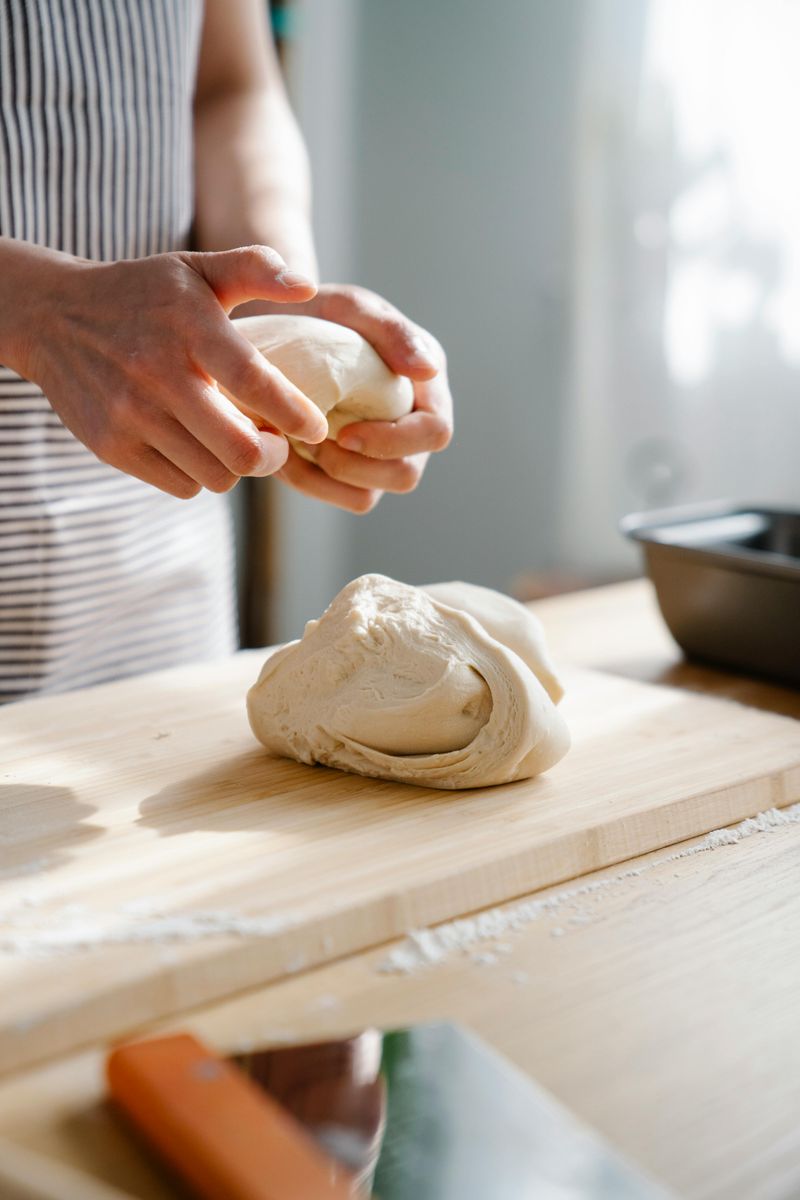
Kitchens smell like bakeries again.
Cooking and baking from scratch have exploded in popularity, with sourdough bread becoming almost a symbol of the movement.
Flour sales data, cookbook trends, and consumer behavior studies all point to more people ditching convenience foods for homemade meals.
Making bread from flour, water, salt, and time connects us to thousands of years of human tradition.
The pandemic lockdowns introduced many to scratch cooking, but the habit stuck because homemade food simply tastes better and costs less than processed alternatives.
Beyond bread, people are rediscovering family recipes and traditional cooking methods that previous generations knew by heart.
Cooking from scratch means controlling ingredients, avoiding preservatives, and creating meals with real flavor and nutrition.
It’s slower than opening packages, but the rewards fill both your stomach and your soul.
Comments
Loading…