
 Mary Murphy
15 Countries Officially Safer Than the U.S. (And Some Might Surprise You)
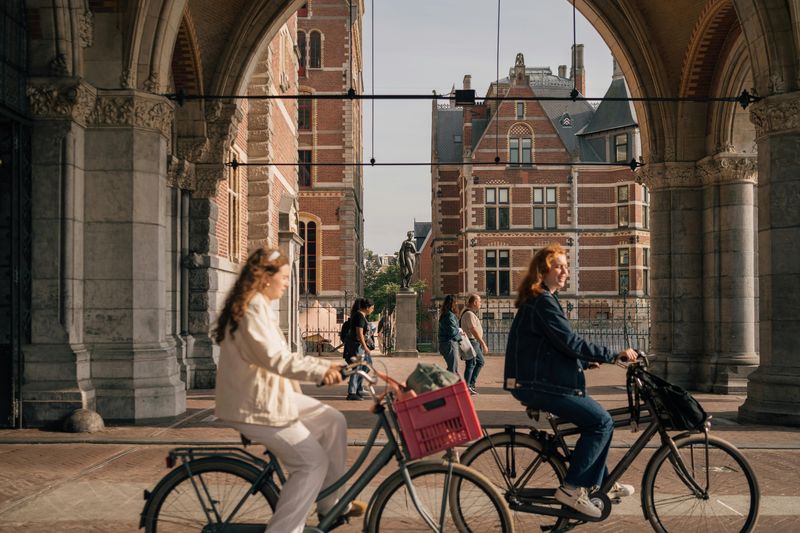
Safety rankings can’t predict every situation, but they do show where daily life tends to involve fewer serious risks.
To build this list, global risk analysts often lean on the Global Peace Index, which compares countries across safety, conflict, and militarisation indicators.
That framework doesn’t claim any place is perfect, yet it’s useful for spotting nations with lower violence, stronger stability, and less disruption.
The countries below consistently outperform the United States on that kind of peace-and-risk scoring.
If you’re planning a move, a long stay, or even a “maybe someday” relocation, these are smart places to research first.
Use this as a starting point, then zoom in on neighborhoods, local laws, weather hazards, and your own lifestyle needs.
1. Iceland
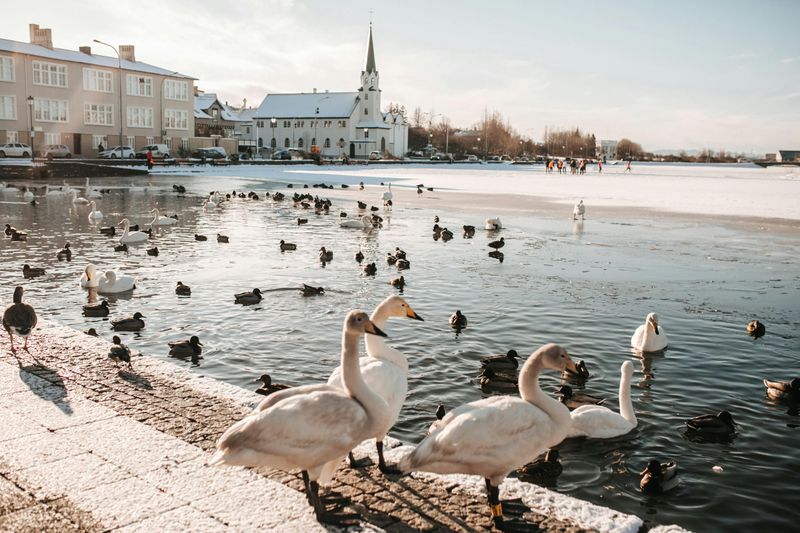
Often ranked as the world’s most peaceful nation, Iceland stands out for stability that feels baked into everyday life.
Its small population and high social trust can translate into less street-level conflict and fewer routine security worries.
Public institutions are generally strong, and the pace of life tends to be calmer than in many large, high-crime urban areas.
Visitors also benefit from clear infrastructure, reliable emergency services, and a culture that prioritizes community responsibility.
Because it’s an island, Iceland has defined borders and fewer spillover effects from regional conflicts compared with many countries.
That said, “safe” here also means being prepared for nature, since weather and terrain can be the biggest real-world risks.
For many people, Iceland’s appeal is that personal safety concerns are often replaced by practical planning, like layers, maps, and common sense.
2. Ireland
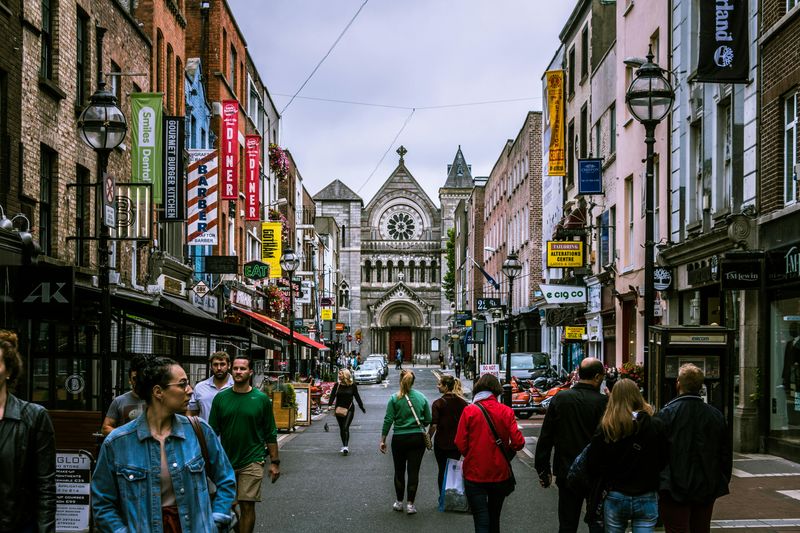
When global peace experts look for countries with low everyday risk, Ireland is frequently near the top of the conversation.
Political stability and strong community norms tend to keep most public spaces feeling orderly and predictable.
In many towns and cities, day-to-day routines like commuting, dining out, and using public transit come with fewer safety tradeoffs.
Ireland also benefits from robust institutions, which helps keep social tensions from escalating into widespread violence.
Like anywhere, petty theft can happen in tourist-heavy areas, but serious threats are less common for most residents.
For families, the combination of accessible services, walkable neighborhoods, and a generally calm public atmosphere can be reassuring.
If you want a place that feels lively without feeling volatile, Ireland often lands in that sweet spot.
3. New Zealand

Across major global risk indexes, New Zealand repeatedly scores as a country where safety is woven into normal life.
Its geographic distance from many conflict zones helps reduce certain external security pressures seen elsewhere.
Strong civic systems and relatively high institutional trust can make public spaces feel less tense and more navigable.
Many people also note that community-minded norms encourage cooperation, which can lower the odds of everyday confrontations.
The country’s disaster planning matters too, because safety includes how well a place handles emergencies when they do occur.
Cities still have issues to watch for, including theft and isolated incidents, yet the broader risk profile remains favorable.
For travelers and would-be expats alike, New Zealand often reads as “calm but capable,” which is exactly what peace rankings reward.
4. Austria
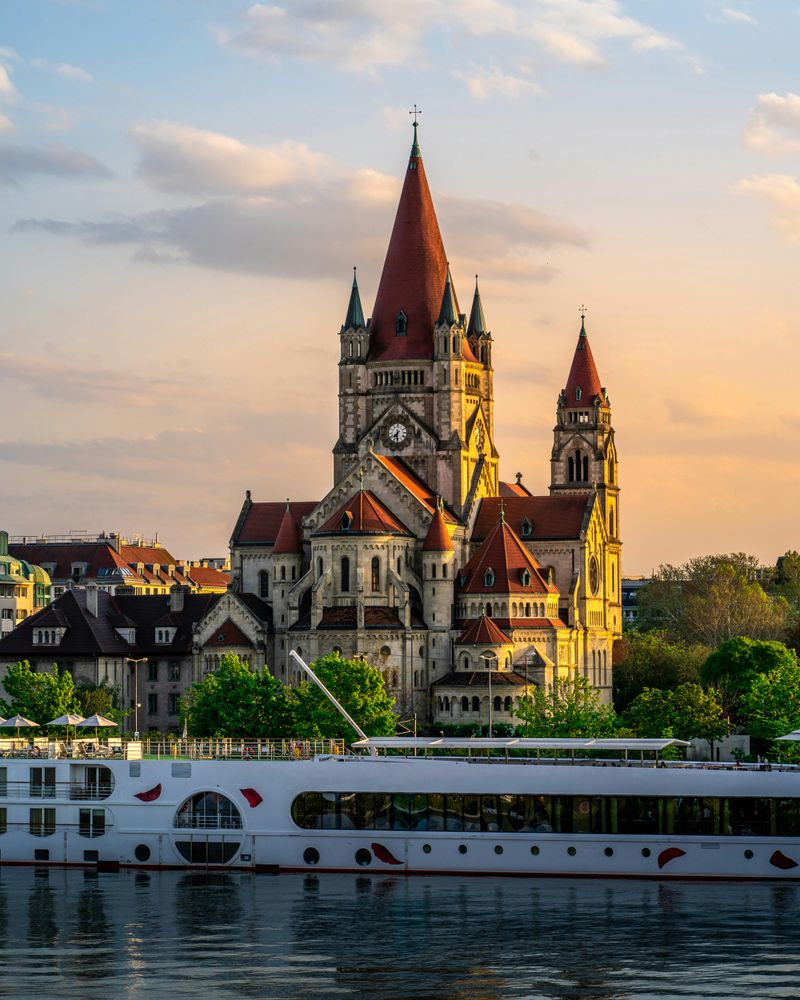
In European safety comparisons, Austria often comes up as a reliable choice for low-risk daily living.
A strong public transport network and well-maintained urban areas can reduce the stress factors that sometimes feed crime.
Stable governance and predictable institutions help keep major disruptions less frequent, which is a key element in peace rankings.
Vienna and other cities still require common sense, especially in crowded tourist zones, but serious threats are generally limited.
Austria’s central location is balanced by the fact that it sits within a region with deep cooperation on security and policing.
Healthcare access and social services also contribute to the bigger picture of safety, because stability includes how people get support.
If your ideal “safe” includes order, infrastructure, and consistency, Austria tends to deliver that combination well.
5. Switzerland
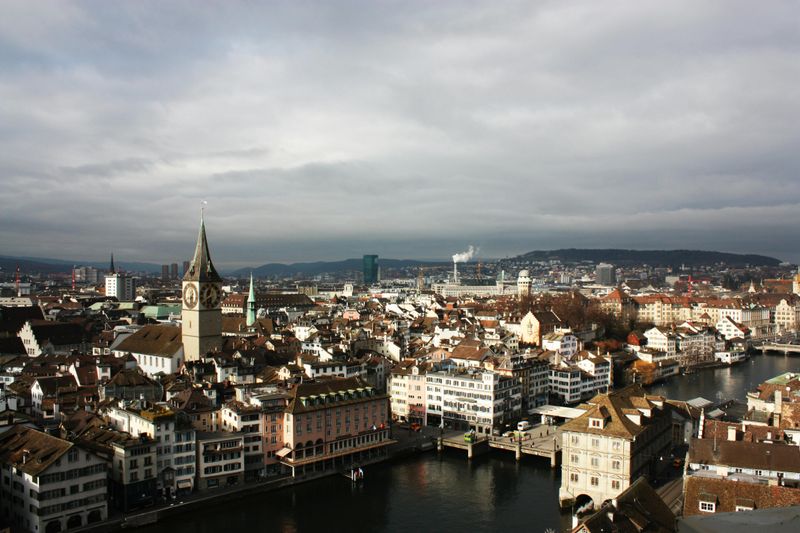
Few countries get as consistent a “low risk” reputation as Switzerland in global peace and stability scoring.
Long-standing neutrality and strong governance can reduce exposure to the kinds of conflicts that raise national risk levels.
Day-to-day life is supported by dependable infrastructure, which often lowers vulnerability during emergencies and disruptions.
Public spaces are generally well regulated, and social norms can discourage the kinds of escalations that lead to violence.
Costs can be high, but safety-minded readers sometimes view that as the price of predictability and well-funded systems.
As always, no place is immune to scams or opportunistic theft, especially in busy city centers and transit hubs.
For many residents, the biggest safety “challenge” is simply adapting to rules, planning ahead, and living in a culture that expects responsibility.
6. Singapore
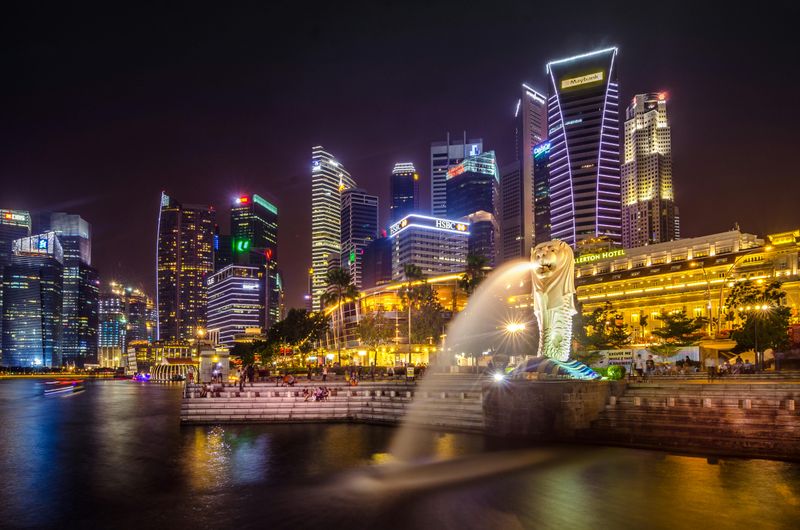
For people who prioritize personal security, Singapore is often a standout in international risk assessments.
Strict law enforcement, clear rules, and a highly organized public environment can translate into fewer everyday safety concerns.
Public transit is widely used, well monitored, and designed to be accessible, which matters when you rely on shared spaces.
The city-state’s governance and low tolerance for disorder help keep many neighborhoods feeling consistent from day to night.
Because it’s a global hub, you’ll still want situational awareness around crowded areas where petty crime can target visitors.
Singapore’s “safe” reputation also includes cleanliness and infrastructure, which can reduce hazards that are not crime-related.
If you like big-city energy but want fewer big-city risks, Singapore is one of the clearest examples worldwide.
7. Portugal
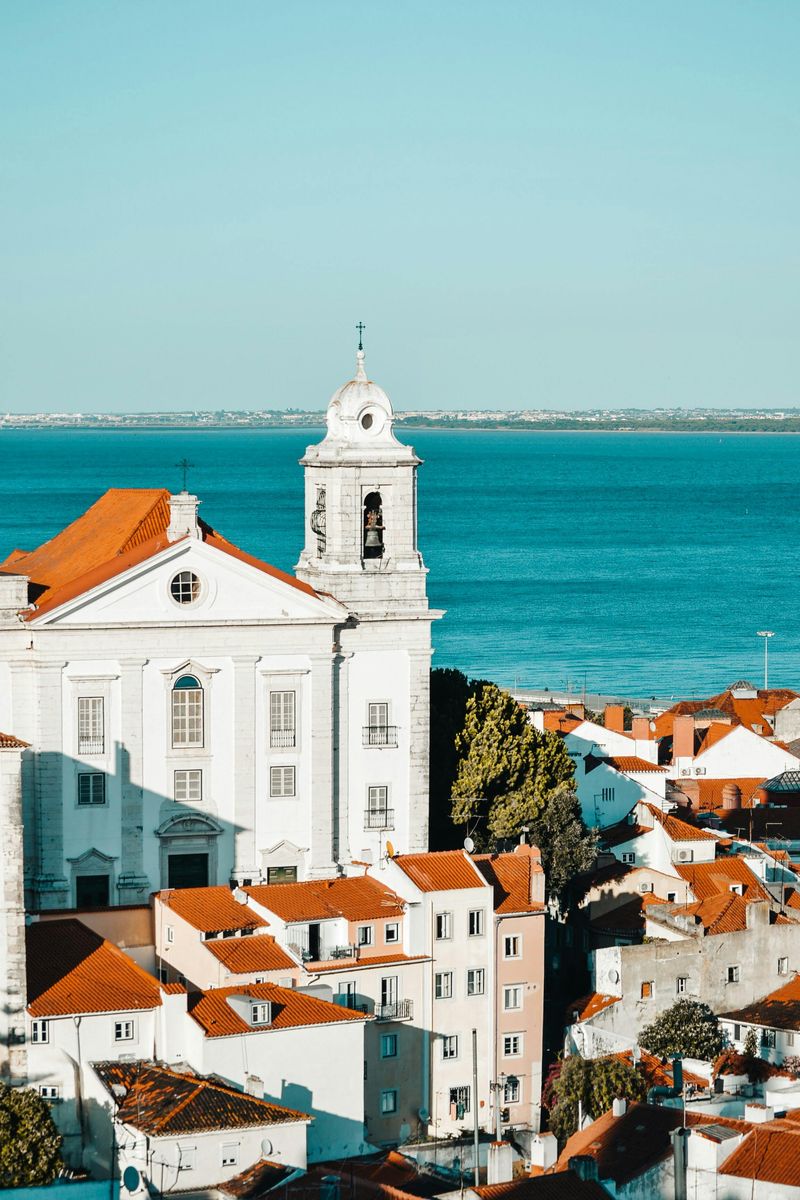
In many global peace rankings, Portugal performs strongly as a country where everyday life tends to feel calmer.
Its political stability and generally low levels of violence help it score well on the “safety and security” side of risk.
Major cities can be lively without being as confrontational, which is a quality many travelers notice quickly.
Tourist zones still call for street smarts, because pickpocketing and scams can happen anywhere visitors gather.
Outside the busiest corridors, many communities feel walkable and neighborly, which can lower stress and raise perceived safety.
Portugal also benefits from strong ties within Europe that support cooperation, planning, and cross-border stability.
For someone seeking a softer pace and a lower baseline of risk, Portugal is often a practical, appealing option.
8. Denmark
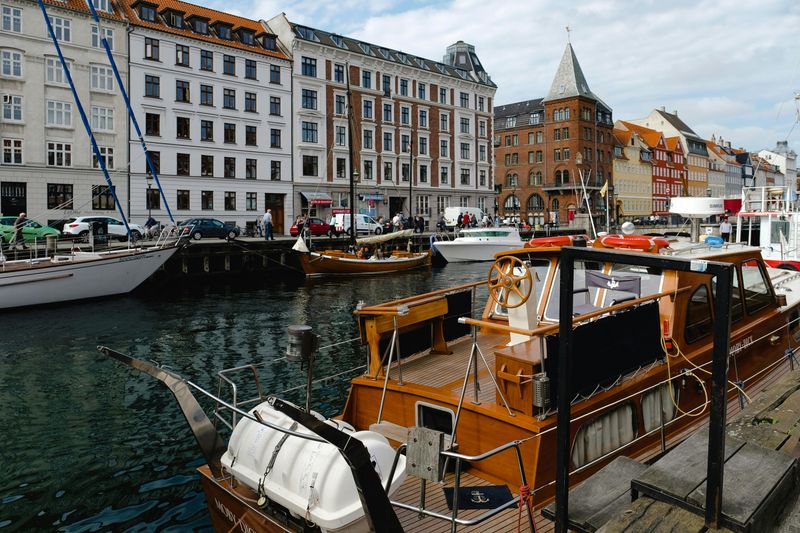
When researchers talk about “low-risk societies,” Denmark regularly appears near the top of the list.
High social trust and strong public services can reduce the conditions that often drive violent crime and instability.
Urban areas like Copenhagen are active and modern, yet many residents report feeling comfortable using public spaces.
Denmark’s institutions tend to be stable and transparent, which is exactly the kind of environment peace indexes reward.
Like any country, it still has crime, but the typical concerns lean more toward opportunistic theft than severe violence.
Family-friendly infrastructure, from transit to public amenities, also contributes to a safer daily rhythm for many people.
If you want a place where predictability is part of the culture, Denmark’s track record makes a convincing case.
9. Slovenia
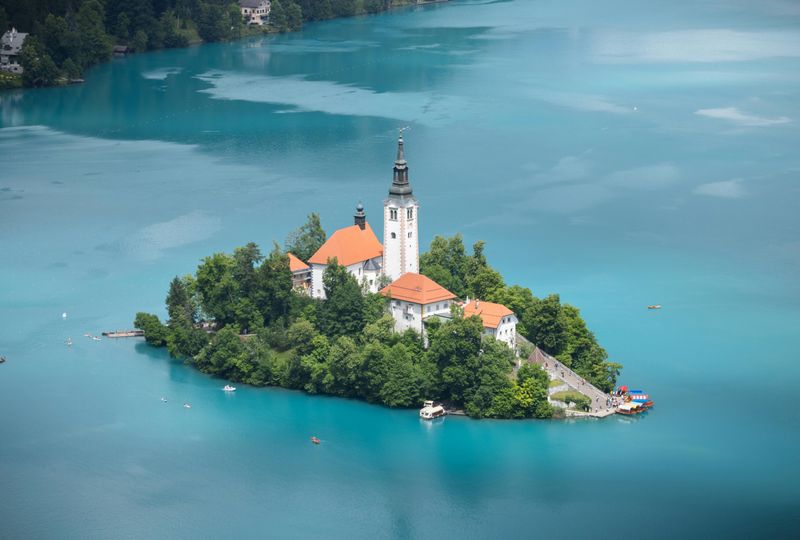
Across Europe, Slovenia is sometimes overlooked, yet its safety profile frequently impresses global risk rankings.
A smaller scale, strong community ties, and relative political stability can help lower day-to-day security concerns.
Cities like Ljubljana are often described as easy to navigate, with public spaces that feel less pressured and less chaotic.
Slovenia’s position in a cooperative region also matters, because stability is reinforced through shared standards and partnerships.
Nature is a major draw here, so practical safety includes respecting mountains, weather shifts, and outdoor planning.
Typical travel risks are often the familiar ones, like minor theft, rather than persistent threats of violence.
For readers who want Europe with a calmer tempo and strong peace scores, Slovenia is a quiet contender worth considering.
10. Finland
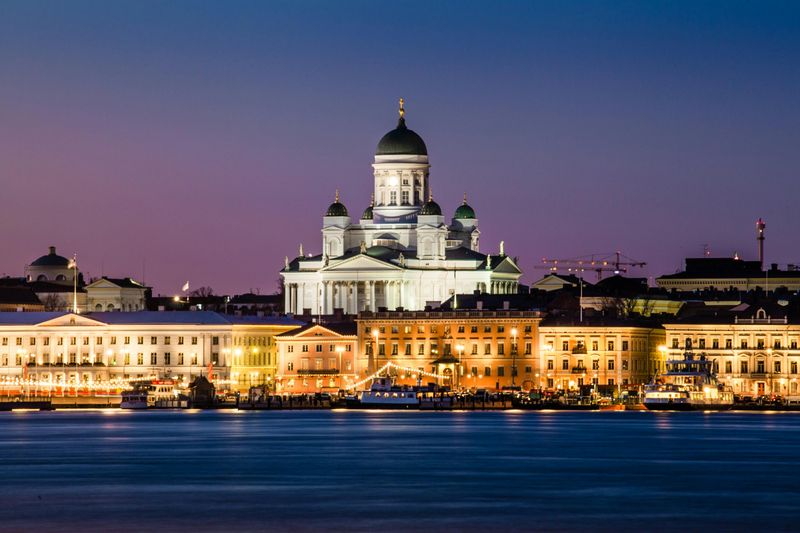
In global safety comparisons, Finland is frequently highlighted for steady institutions and a low-conflict public environment.
Strong social systems can reduce the desperation-driven problems that sometimes show up as violence in higher-risk countries.
Public transit, education, and healthcare infrastructure also contribute to stability, because safety is more than just crime levels.
Finnish cities tend to feel orderly, and many people find that the culture supports personal space and low confrontation.
Seasonal darkness and winter weather are real factors, so “being safe” can sometimes mean dressing right and planning ahead.
Tourists should still keep an eye on belongings in crowded areas, but serious incidents are less common for most visitors.
If you value calm, resilience, and strong civic systems, Finland’s reputation is one of the most consistent in the Nordics.
11. Czechia
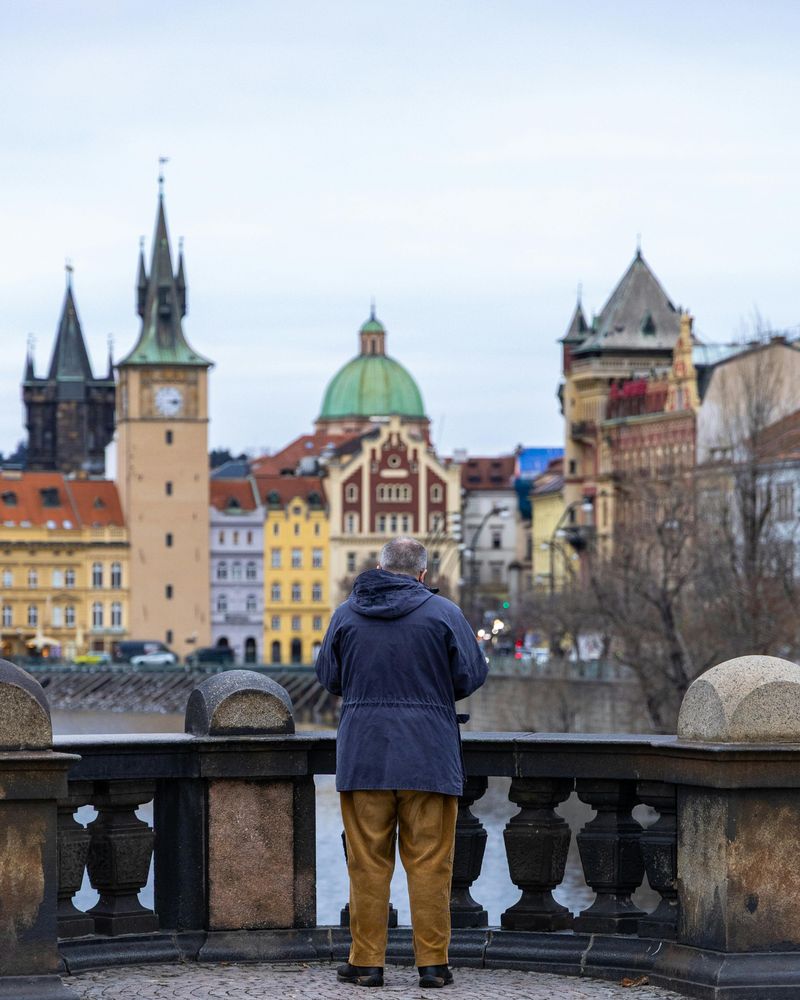
For a mix of affordability and a favorable safety ranking, Czechia often lands on shortlists from risk-conscious travelers.
Prague draws crowds, which can increase petty theft opportunities, yet broader national stability remains a strength.
Outside the busiest tourist lanes, many neighborhoods feel straightforward to navigate with routine, common-sense precautions.
Czechia benefits from being in a region where cooperation and shared security practices support long-term stability.
Public services and infrastructure in major areas can reduce everyday vulnerability, which matters in peace index scoring.
The lifestyle is urban and social, but it typically carries less baseline fear than in higher-violence environments.
If you want a European hub with culture, transit, and relatively low risk, Czechia is often a practical pick.
12. Japan
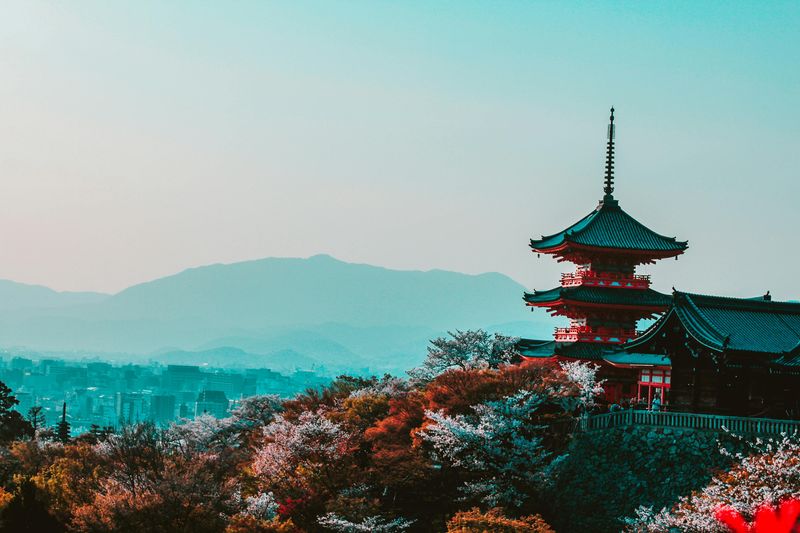
Across multiple global risk measures, Japan is widely viewed as a place where personal safety is a daily norm.
Strong social expectations around order and respect can reduce public conflict and lower the odds of violent encounters.
Urban areas are dense and busy, yet many people feel comfortable using trains, walking at night, and exploring solo.
Japan’s high level of organization also shows up in infrastructure and emergency readiness, which matters for overall risk.
Natural hazards like earthquakes are part of the reality, so safety here includes preparedness, alerts, and building standards.
Tourists still face common issues like lost items or occasional scams, but serious street violence is not typical.
For many women travelers, Japan’s combination of structure and vigilance is exactly what “safer than average” looks like.
13. Malaysia
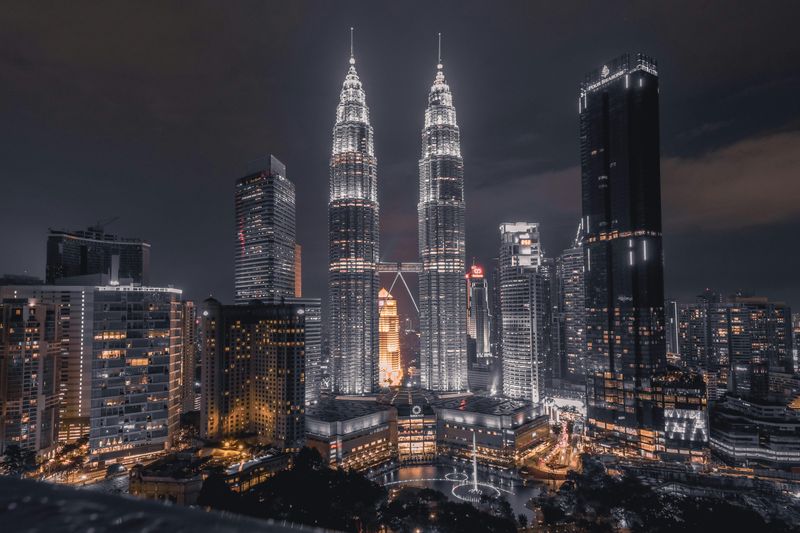
In global peace rankings, Malaysia often performs better than many people expect when they first compare it to the U.S.
Major cities can be energetic, but the overall risk picture is supported by relative stability and lower conflict intensity.
Everyday precautions still matter, especially around crowded markets and transit areas where opportunistic theft can occur.
Malaysia’s variety of regions means safety can feel different from place to place, so neighborhood research pays off.
Healthcare access in larger urban centers and a well-developed travel infrastructure can also support a safer experience.
Cultural norms can be more conservative in some areas, so travelers often feel safest when they dress and behave respectfully.
If you want Southeast Asia with solid peace-index performance and a wide range of lifestyles, Malaysia is often a strong contender.
14. Netherlands
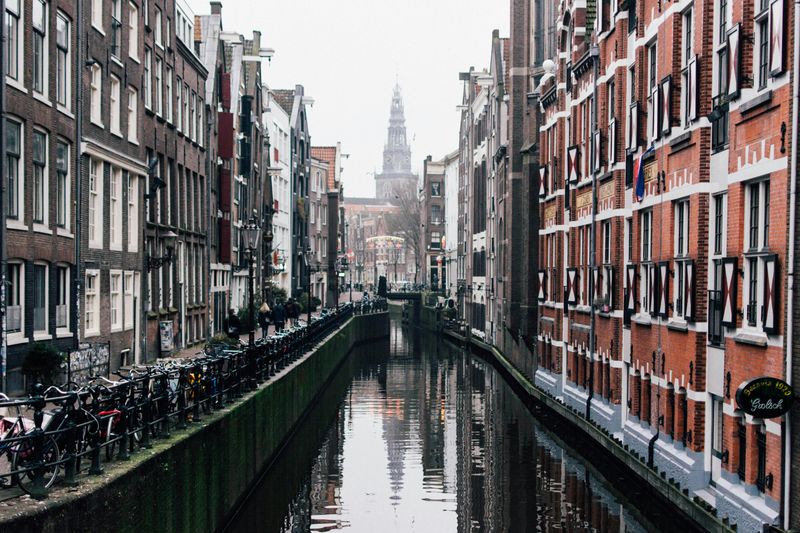
In many expert-driven safety comparisons, the Netherlands ranks well for stability and low everyday risk.
Strong institutions and a highly functional public environment can reduce the stressors that often lead to violent conflict.
Cities are busy and international, yet many areas feel well managed, especially around transit, lighting, and public design.
As with any tourist-friendly country, pickpocketing and bike theft are common concerns, so vigilance is still useful.
The Dutch emphasis on cycling and walkability also changes the safety equation, since traffic awareness becomes part of daily life.
Healthcare access and strong local governance can support resilience when problems do happen, which matters in risk scoring.
For readers who want a modern, connected country with a generally calm baseline, the Netherlands often fits the bill.
15. Canada
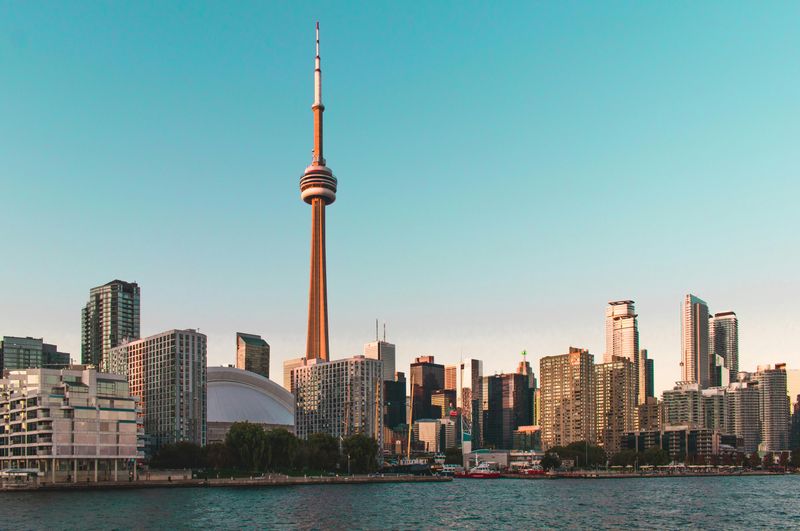
Compared with the United States, Canada is frequently rated as lower risk in global peace and stability indexes.
Many communities benefit from strong institutions and social supports that help keep violence and unrest less widespread.
Big cities still require normal urban awareness, but the overall environment often feels less volatile for day-to-day routines.
Canada’s safety story also includes reliable infrastructure, which matters when weather events or emergencies disrupt daily life.
Regional differences are real, so it helps to compare provinces and neighborhoods rather than assuming the same experience everywhere.
For travelers, the most common issues are typically familiar ones, like theft in crowded areas, rather than persistent violent threats.
If you want a North American culture with a generally calmer risk profile, Canada is one of the most accessible comparisons.
Comments
Loading…