
 Jade Reed
The 2000s were packed with sitcoms that didn’t just exist, they dominated the schedule.
They played after school, during dinner, and in that sleepy late-night slot when you swore you were going to bed after the next commercial break.
Some of them ran for years, churned out dozens of episodes, and felt like permanent background noise in pop culture.
And yet, when you try to list the era’s biggest comedies now, these titles rarely come up first.
They weren’t necessarily bad shows, but they lived in the “always on” zone where familiarity didn’t turn into lasting memory.
If you watched a lot of network TV in the early-to-mid 2000s, you probably saw these constantly without realizing how quickly they’d fade.
1. According to Jim (2001–2009)
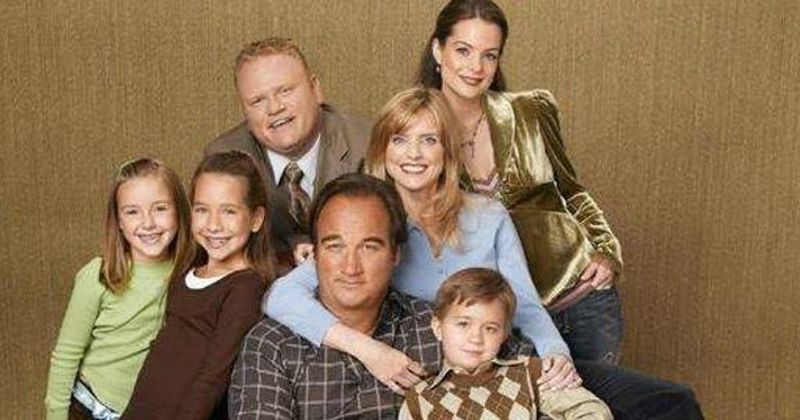
Back in the early 2000s, this kind of broad, family-centered comedy was the definition of comfort TV.
It leaned hard into the “lovable man-child husband” formula, with jokes built around domestic chaos, stubborn pride, and the everyday messiness of marriage.
Even if you can’t picture a specific episode, you can probably remember the vibe of it playing in the background while you did homework or folded laundry.
The show thrived on familiar rhythms, like small arguments becoming big disasters and then circling back to a quick resolution by the end.
It also benefited from being easy to drop into at any point, which made it perfect for reruns and casual viewing.
That constant presence is exactly why it’s so easy to forget now, because it blended into the era’s sitcom wallpaper.
2. Yes, Dear (2000–2006)

In an era when network TV loved low-stakes family humor, this one fit the mold perfectly.
The setup was simple and instantly relatable, focusing on parenting, marriage, and the everyday tug-of-war between responsibility and wanting a break.
It wasn’t the kind of show people obsessed over online, but it was the kind you could count on being on somewhere at least once a day.
The comedy came from familiar couple dynamics, with small disagreements escalating into full-blown household debates that felt oddly realistic.
Because it didn’t have a flashy gimmick, it slid neatly into the lineup and became a dependable part of the weekly routine.
That same “quietly consistent” quality is why it doesn’t stick in the cultural memory the way louder, trendier sitcoms do.
3. Still Standing (2002–2006)
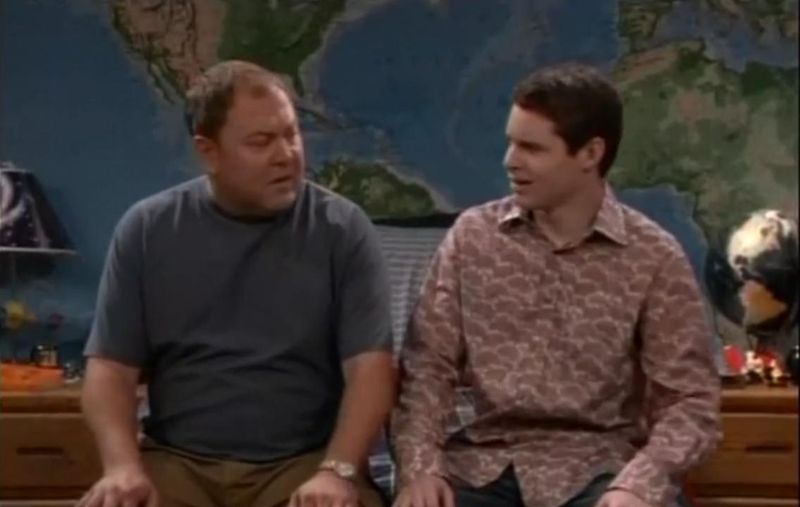
A lot of 2000s sitcoms tried to capture the chaos of raising a family, and this one did it with a fast, punchy energy.
It centered on parents juggling work stress, tight budgets, and kids who always seemed to be one bad decision away from total disaster.
The humor leaned into sarcasm and sharp exchanges, making it feel a little edgier than some of the sweeter family shows of the time.
What made it so watchable was how easy it was to recognize the characters, because they felt like exaggerated versions of people you already knew.
It also showed up constantly in reruns, which made it feel more famous than its current reputation suggests.
Now it’s the kind of sitcom people remember only after you describe it, like it was hiding in a TV time capsule.
4. Less Than Perfect (2002–2006)
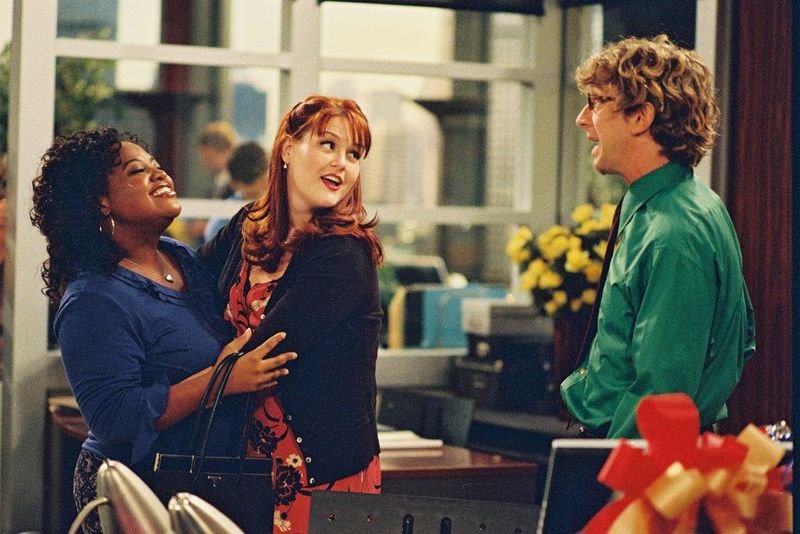
Before workplace comedies became a prestige genre, this series delivered the kind of office humor that was built for easy weekly viewing.
It followed a young professional navigating awkward coworkers, status games, and the constant feeling that one mistake could ruin your whole reputation.
The jokes landed in that sweet spot between sitcom exaggeration and “this is uncomfortably true,” especially if you’ve ever worked in a competitive environment.
It also had a very 2000s tone, mixing pop-culture snark with the idea that climbing the ladder required a thick skin and a quick comeback.
Because it wasn’t framed as revolutionary television, it didn’t get preserved in the way bigger cultural juggernauts did.
Still, if you rewatch it, you can see how it captured a pre-social-media office world that now feels strangely nostalgic.
5. Hope & Faith (2003–2006)

Celebrity-driven sitcoms were a major 2000s trend, and this one leaned into that formula with confidence.
It played like a bright, easy comedy built around family friction, unexpected living arrangements, and clashing personalities forced into the same space.
The appeal was that it felt like something you could watch with anyone, because the conflicts were big but never too heavy.
It also had the kind of pacing that made it perfect for syndication, with familiar jokes that didn’t require you to track long story arcs.
At the time, it was heavily promoted and hard to miss if you watched network TV even casually.
But once the era moved on, it slipped out of the conversation, becoming one of those shows people vaguely remember without recalling the details.
6. Grounded for Life (2001–2005)
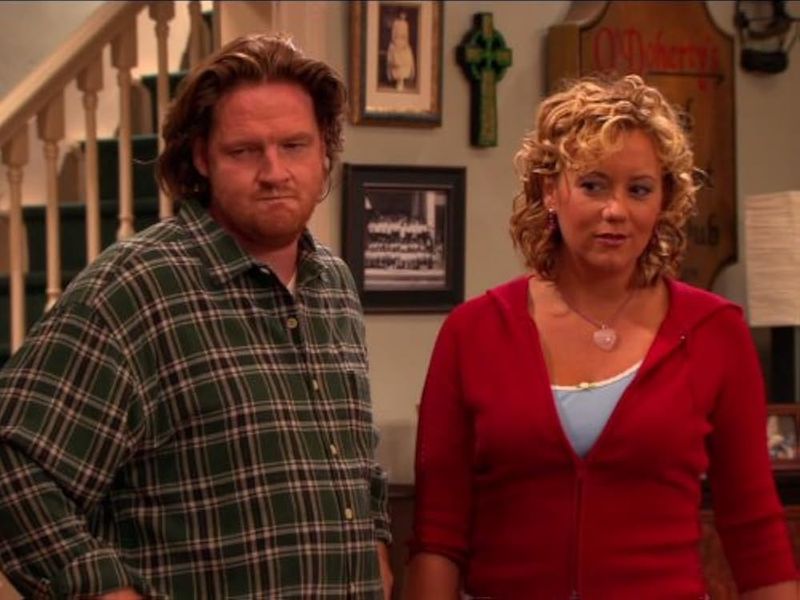
If you remember the early 2000s as peak “messy family, heartfelt ending” television, this show lived in that lane.
It mixed parenting stress with youthful flashbacks and storytelling tricks that made the episodes feel a little different from the standard format.
The humor was often rooted in the parents’ own past mistakes, which made the family dynamics feel more layered than a typical sitcom setup.
It also had a scrappy, slightly offbeat energy that helped it stand out while still being accessible to a mainstream audience.
Because it aired during a crowded sitcom era, it sometimes got overshadowed by bigger titles that were louder or more heavily syndicated.
Even so, many people recognize it instantly once they see a scene, proving it was everywhere even if we don’t talk about it anymore.
7. The Class (2006–2007)
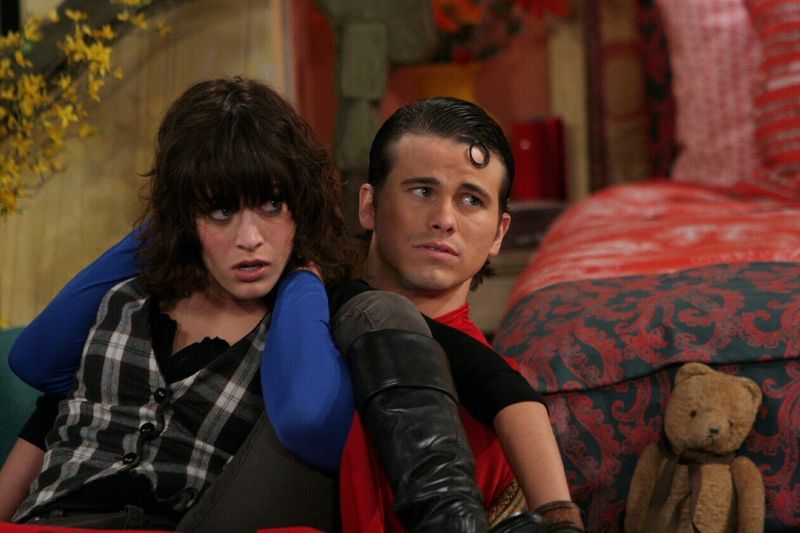
Mid-2000s TV loved ensemble comedies, and this one arrived with that “big cast, big potential” feeling right out of the gate.
The story revolved around adult friendships and old connections, tapping into the emotional pull of wondering what happened to the people you grew up with.
It balanced humor with a surprisingly sweet undercurrent, which made it feel like the kind of show that could have grown into a long-running favorite.
Part of its charm came from seeing familiar character types collide, like the overachiever, the underdog, and the person still stuck in their teenage identity.
Even though it didn’t last long, it aired during a time when network sitcoms were still major weekly events.
That short run is exactly why it’s faded so hard, because it didn’t stick around long enough to become a permanent rerun staple.
Comments
Loading…