
 Jade Reed
15 Ways Being Friends First Leads to Better Relationships

Modern dating can move fast, especially when chemistry makes everything feel urgent and exciting.
But rushing into labels often means you learn the important stuff later, when your feelings are already attached.
A friendship-first approach slows the pace just enough to reveal character, consistency, and real compatibility.
It also creates a safer foundation where honest conversations feel normal instead of scary.
When you build friendship before romance, you’re not settling for potential or chasing a highlight reel.
You’re choosing someone you genuinely enjoy, respect, and trust on an ordinary Tuesday.
That’s the kind of bond that holds up when life gets busy, messy, or stressful.
Here are 15 reasons the “friends first” path can protect your heart and strengthen your future relationship.
1. It shows who they are without the “dating performance.”

Early romance often comes with a polished version of someone who’s trying to win you over.
Friendship creates room for them to relax, stop curating, and show their normal rhythms.
You notice how they talk when they’re tired, how they react when plans change, and how they handle boredom.
Small moments reveal whether their confidence is real or just bravado aimed at impressing you.
You also learn if their humor feels kind, if their opinions have depth, and if their energy is steady.
Instead of being dazzled by a “best behavior” phase, you get a clearer view of the person behind it.
That clarity helps you choose with your eyes open, not with your hopes doing the heavy lifting.
2. You learn how they treat people they don’t need anything from.

A person’s character shows up most clearly when there’s nothing to gain from being nice.
Friend settings let you watch how they speak to servers, coworkers, family members, and strangers.
You can also see whether they respect boundaries, gossip cruelly, or act differently around certain people.
Pay attention to how they handle someone else’s good news, because envy can hide under jokes.
Notice if they make space for others or constantly pull attention back to themselves.
Consistent kindness is a stronger predictor of relationship safety than romantic compliments.
When you see them choose decency in everyday interactions, trust becomes a logical decision.
3. It builds trust in small, steady ways.

Trust is rarely created by one grand gesture, even though movies love that storyline.
It’s built through tiny proofs like showing up, being honest, and doing what they said they would do.
Friendship offers repeated chances to observe consistency without the pressure of romantic expectations.
You learn whether they communicate clearly when they’re running late or disappear and act like it’s normal.
You also see if they keep confidences and respect private information you share.
Those patterns matter because relationships are made of ordinary days, not special events.
When trust is already in place, romance feels calmer and far less confusing.
4. You create a safe space for honest conversations.

Hard topics feel easier when you’re not worried that one wrong sentence will “ruin the vibe.”
Friendship encourages conversations that are real, specific, and less performative.
You can talk about goals, family dynamics, mental health habits, and what you consider a dealbreaker.
Money discussions become more normal too, which matters when budgets and lifestyles don’t automatically match.
You learn whether they listen to understand or listen to argue and win.
That emotional safety becomes a relationship superpower later, when conflict inevitably shows up.
If honesty is comfortable early, you’re far more likely to handle big moments with teamwork.
5. You find out if you actually like them as a person.

Attraction can be loud, but true enjoyment is the quieter thing that lasts.
Friendship reveals whether you’d still choose their company if romance and validation weren’t on the table.
You learn if you laugh together naturally, share interests, and feel energized rather than drained.
You also notice whether they respect your time or treat your availability like a convenience.
When you like someone as a person, you don’t have to talk yourself into being excited.
You can relax, be yourself, and feel seen without constantly proving your worth.
That kind of comfort is often the difference between a short spark and a long partnership.
6. You test compatibility in everyday life.

Real compatibility shows up in routines, not in carefully planned date nights.
Friendship lets you see how they manage stress, schedules, and simple responsibilities.
You find out whether they are punctual, reliable, and considerate about other people’s time.
You also get clues about lifestyle fit, like cleanliness habits, social energy, and how they spend weekends.
Small choices can expose big mismatches, such as constant chaos versus a need for calm.
When you observe daily behavior first, you don’t have to gamble on potential.
That makes the shift into romance feel like a natural next step instead of a risky leap.
7. You avoid mistaking infatuation for connection.

Early feelings can be thrilling, but excitement isn’t always evidence of compatibility.
Friendship slows the momentum so your brain has time to gather facts.
You learn whether you feel safe, respected, and steady rather than anxious and obsessed.
Sometimes butterflies are a sign of uncertainty, inconsistency, or old patterns being triggered.
With a friends-first approach, attraction can still grow, but it grows alongside knowledge.
You start to like them for who they are, not for what your imagination fills in.
That shift protects you from falling in love with a version of them that only exists in your head.
8. You see how they handle conflict without “breakup threats.”

Disagreements are unavoidable, so the question is how someone behaves when they’re uncomfortable.
In friendship, conflict often happens in smaller doses, which still reveals important patterns.
You notice whether they can apologize without excuses and whether they take responsibility for impact.
You also see if they punish with silence, sarcasm, or subtle power plays.
Healthy people can disagree while still being respectful and emotionally steady.
When romance is added later, you’re less likely to panic during conflict or feel like love is conditional.
A mature conflict style is one of the strongest signs that a relationship can last.
9. It reduces the chance of getting swept up in love-bombing.

Some people use intensity to create attachment before you can evaluate them clearly.
Friendship introduces a natural pace that makes over-the-top promises feel easier to question.
You can notice whether their words are huge while their actions stay inconsistent or unreliable.
You also see if they respect “no” or try to rush you into exclusivity, secrets, or constant contact.
Healthy interest grows with time, and it does not demand immediate emotional surrender.
When you move slowly, you protect yourself from being dazzled into ignoring red flags.
If something is real, it will still be real after you take your time.
10. You build emotional intimacy before physical intensity.

Physical chemistry can be wonderful, but it can also blur your judgment when it arrives too soon.
A friendship-first bond lets emotional closeness develop without shortcuts.
You learn how they comfort you, celebrate you, and show up when there’s nothing exciting happening.
That kind of intimacy feels secure, not frantic or dependent.
It also helps you set boundaries from a place of self-respect rather than fear of losing them.
When physical connection comes later, it tends to feel safer and more meaningful.
Strong emotional intimacy makes it harder to accept crumbs, because you already know what real care feels like.
11. You learn their values through actions, not promises.
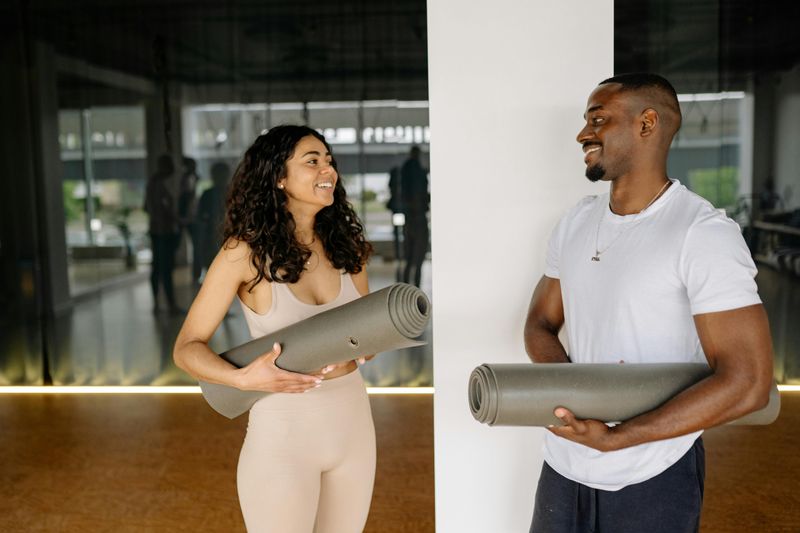
Anyone can say they want commitment, stability, or respect, especially when it sounds impressive.
Friendship gives you time to see whether their choices match their claims.
You notice how they spend money, treat responsibilities, and prioritize the people in their life.
You learn whether they handle stress with maturity or chaos and blame.
Values are visible in patterns like honesty, loyalty, generosity, and self-discipline.
When you’ve watched their actions over time, you don’t have to rely on hope as evidence.
That makes the decision to date them feel grounded, because you’ve already seen the proof.
12. It helps you keep your independence.

A friendship-first start makes it easier to maintain your own life instead of merging too quickly.
You keep your routines, friendships, and personal goals, which protects your identity.
That independence also reduces the temptation to ignore problems just to keep the relationship.
You can build connection without making them your entire emotional home base.
Healthy partners don’t demand constant access to your attention or treat boundaries as rejection.
When you stay grounded in your own life, you choose them because you want to, not because you need to.
A relationship built on choice tends to be calmer, healthier, and more respectful.
13. You create shared memories that aren’t just “dates.”

Dating can feel like a highlight reel, while real life is made of ordinary moments.
Friendship naturally includes casual hangouts, group settings, and unglamorous days.
You see how they act when things are imperfect, like bad weather, a stressful week, or a boring errand run.
Those moments create a different kind of closeness that isn’t tied to romance or performance.
You also learn whether they can have fun without spending a lot, which matters for real budgets.
Shared memories built in everyday life often feel more bonding than expensive dinners.
When romance begins, it sits on top of real experiences, not just curated dates.
14. It makes the relationship more resilient long-term.
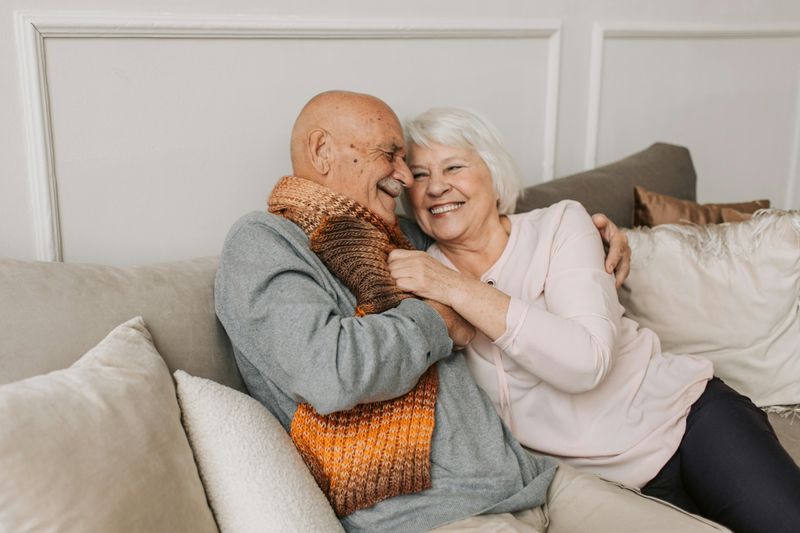
Strong couples usually have something deeper than passion holding them together.
A friendship foundation gives you shared respect, shared humor, and a sense of “we’re on the same team.”
When life gets heavy, romance alone can’t carry the relationship, but friendship can.
You’re more likely to communicate, forgive, and problem-solve when you genuinely like each other.
Friendship also makes it easier to stay kind during conflict, because you value the person, not just the relationship status.
That resilience matters in seasons of stress, like career changes, family issues, or financial pressure.
If you’d choose them as a friend for life, you’re building something that can endure.
15. It lowers pressure and raises clarity.

Taking things slowly can feel unfamiliar, but it often leads to better decisions.
Friendship reduces the urgency to define everything before you have enough information.
You can observe, reflect, and choose based on reality instead of fantasy or fear.
It becomes easier to notice compatibility, red flags, and whether your needs are being met consistently.
You also feel less pressure to overinvest just because you went on a few good dates.
Clarity is powerful, because it helps you walk away sooner when something isn’t right.
When the connection is truly strong, a slower start usually makes it feel even more secure.
Comments
Loading…