
 Mila Ross
10 Things You Should Absolutely Never Say to a Pregnant Woman
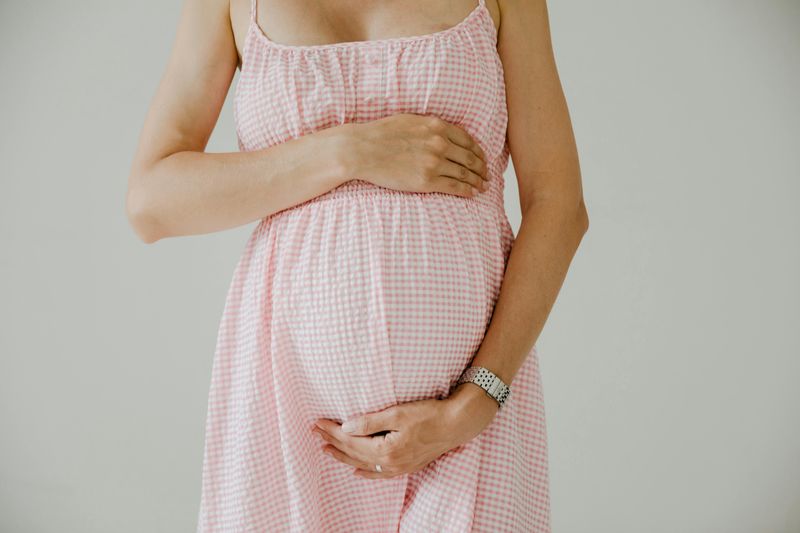
Pregnancy is a transformative journey filled with joy, anticipation, and sometimes overwhelming emotions.
During this special time, pregnant women often hear well-meaning comments that, despite good intentions, can feel intrusive, hurtful, or downright uncomfortable.
Understanding which remarks to avoid can help us support expectant mothers with kindness and respect, creating a more positive experience for everyone involved.
1. “You look very pregnant!”

Comments about someone’s belly size might seem harmless, but they often make pregnant women feel self-conscious about their changing bodies.
Every pregnancy looks different, and what seems like an observation to you could sound like criticism to her ears.
Body changes during pregnancy already bring enough emotional challenges without additional commentary.
She’s navigating swelling, weight gain, and physical discomfort while trying to stay confident.
Your words about her appearance can amplify existing insecurities rather than providing encouragement.
Instead of commenting on size, try complimenting her glow or asking how she’s feeling.
Focus on her well-being rather than her physical transformation.
This approach shows genuine care without crossing boundaries or making her feel like her body is public property up for discussion.
2. “You look so small!”
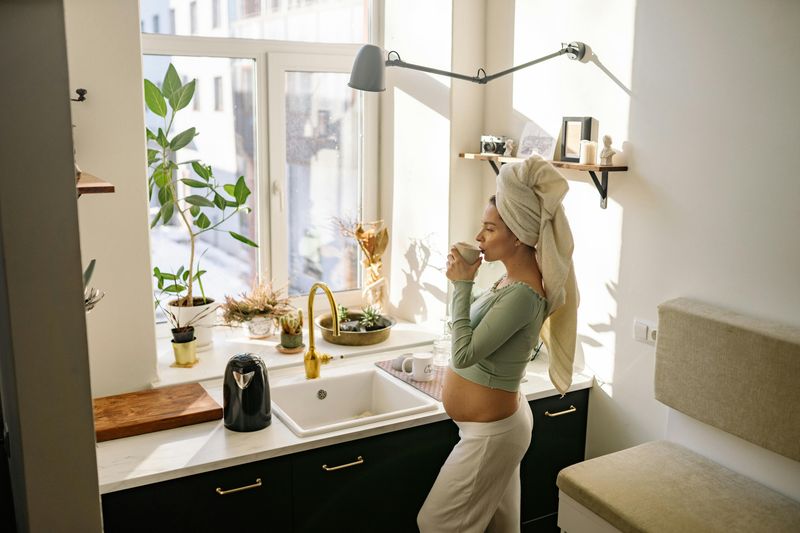
Even when intended as a compliment, telling someone their bump looks small can trigger serious anxiety about the baby’s health and development.
Expectant mothers already worry constantly about whether their little one is growing properly.
Medical professionals carefully monitor fetal growth, and your casual observation doesn’t help.
It might send her spiraling into worry, wondering if something’s wrong or if she should call her doctor immediately.
What you meant as flattery becomes a source of stress.
Remember that bump size varies based on body type, muscle tone, baby position, and countless other factors.
Avoid any size-related comments altogether.
If you want to say something positive, tell her she looks radiant or that pregnancy suits her beautifully without mentioning dimensions.
3. “Do you think you might be having twins?”
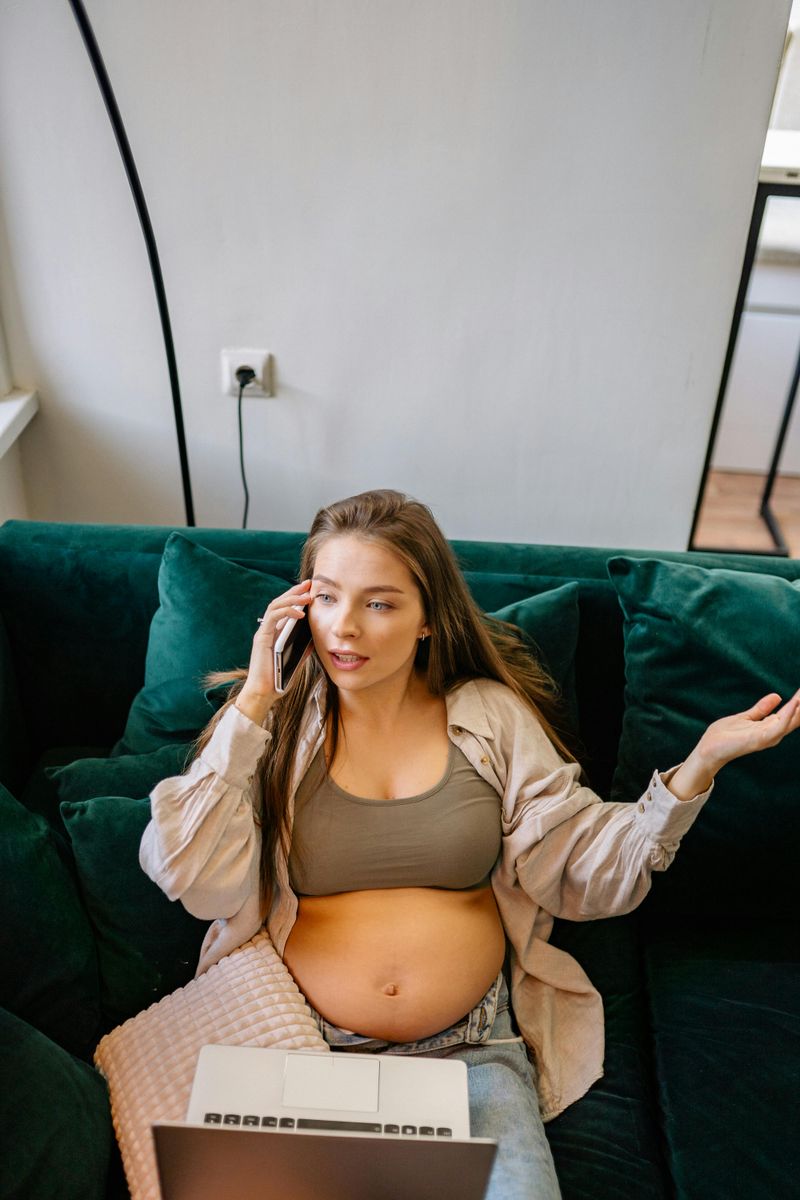
Speculating about twins based on belly size is both intrusive and often embarrassing for the expectant mother.
This question essentially tells her that you think she looks unusually large, which isn’t the compliment you might imagine it to be.
She knows exactly how many babies she’s carrying because ultrasounds reveal that information early on.
Your guessing game serves no purpose except to make her feel uncomfortable about her appearance.
Plus, it puts her in the awkward position of having to explain her body to you.
If she’s actually expecting multiples, she’ll share that news when she’s ready.
There’s no need to play detective with her bump.
Keep your observations to yourself and let her control what pregnancy information she chooses to reveal.
4. “Should you be eating or drinking that?”

Policing what a pregnant woman consumes is judgmental and crosses major personal boundaries.
She’s working closely with her healthcare provider who gives her specific dietary guidelines tailored to her individual needs and circumstances.
You don’t know her complete medical history, what her doctor has approved, or what modifications she’s already made.
That coffee might be decaf, that sushi could be cooked, or her doctor might have given specific permission.
Your unsolicited scrutiny feels controlling rather than caring.
Trust that she’s capable of making informed decisions about her own body and baby.
Pregnant women research extensively and take their responsibilities seriously.
Unless she specifically asks for your input, keep your food opinions to yourself and respect her autonomy over her choices.
5. “Did you plan for this?”
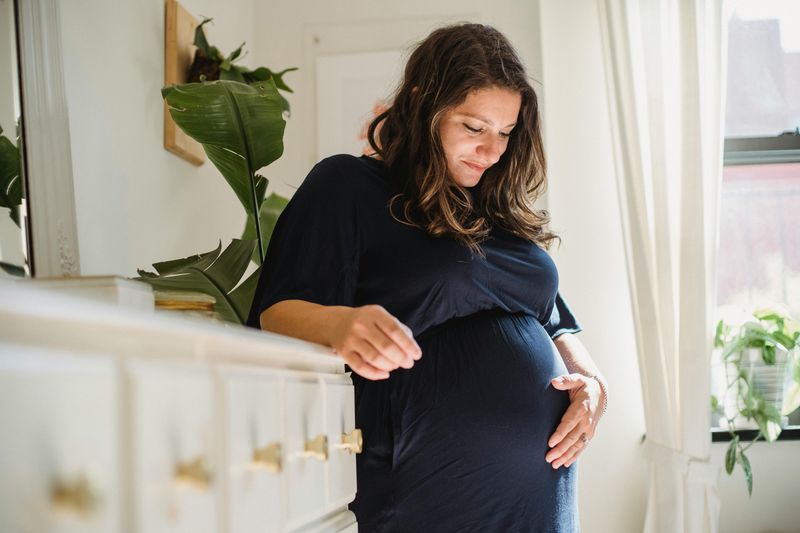
Asking whether a pregnancy was planned is deeply personal and wildly inappropriate, regardless of your relationship with the expectant mother.
This question implies judgment about her choices and suggests that unplanned pregnancies are somehow less worthy of celebration.
The circumstances surrounding conception are private matters between partners.
Whether the pregnancy was meticulously planned or a beautiful surprise doesn’t change the fact that a baby is coming.
Your curiosity doesn’t entitle you to intimate details about her reproductive decisions.
Many women struggle with fertility, experience surprise pregnancies, or have complicated feelings about timing.
Your question could open emotional wounds or force her to justify her situation.
Focus instead on offering congratulations and support without prying into personal territory that’s none of your business.
6. “You won’t sleep once the baby arrives.”

Predicting exhaustion and sleep deprivation adds unnecessary stress and negativity to what should be an exciting time.
She’s already aware that newborns wake frequently, and your doom-filled prophecy doesn’t prepare her—it just makes her dread what’s coming.
Every baby is different, and some actually sleep reasonably well from early on.
Your experience isn’t universal, and your warnings rob her of optimism.
She needs encouragement and positive energy, not scary stories about zombie-like exhaustion that may never materialize.
If you genuinely want to help, offer practical support like bringing meals or watching the baby so she can nap later.
Sharing horror stories serves no constructive purpose.
Let her approach motherhood with hope rather than filling her mind with frightening predictions about sleepless nights ahead.
7. “Has the baby arrived yet?”
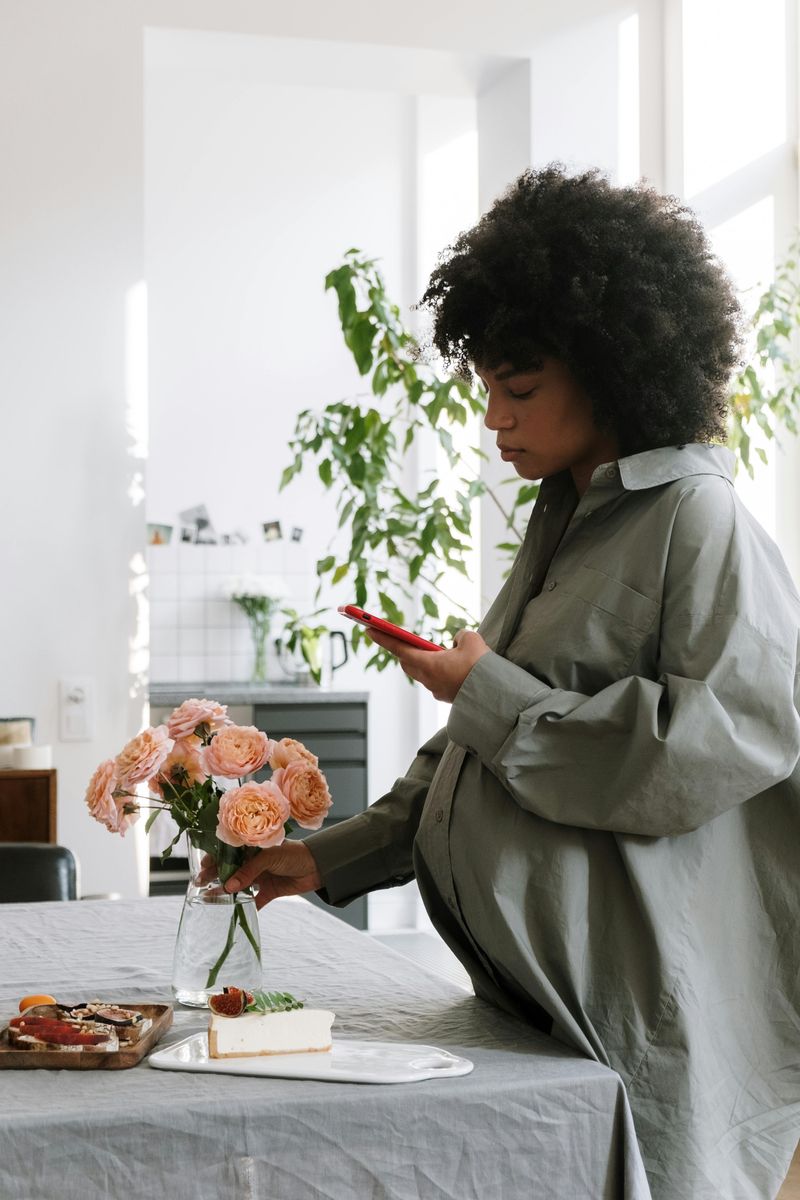
Constantly asking about the due date feels pressuring and exhausting, especially when the baby is overdue or the mother is anxiously waiting herself.
Trust me, you’ll find out when the baby arrives—she’s not keeping it a secret!
She’s already fielding this question from dozens of well-meaning friends and family members multiple times daily.
Each inquiry reminds her that she’s still pregnant when she desperately wants to meet her baby.
Your repeated checking in becomes a burden rather than support.
The final weeks of pregnancy are uncomfortable, emotional, and full of anticipation.
Adding pressure through constant status updates makes it worse.
Instead, send a message saying you’re thinking of her and excited whenever baby decides to make an appearance, then wait patiently for her announcement.
8. “Are you hoping for a boy or a girl?”

Gender preference questions can be surprisingly sensitive or emotionally loaded for many expectant parents.
Some couples have experienced loss, struggled with fertility, or simply feel that the baby’s health matters far more than gender.
This question might seem innocent, but it can unintentionally suggest that one gender is more desirable than another.
Some parents face family pressure about producing a particular gender, making your casual inquiry touch a nerve.
Others are keeping gender a surprise and tire of explaining this choice repeatedly.
Additionally, some families are navigating complex feelings about gender expectations and stereotypes.
A better approach is simply expressing excitement about the baby’s arrival without attaching importance to whether it’s a boy or girl.
Focus on the miracle of new life itself.
9. “Can I touch your belly?”
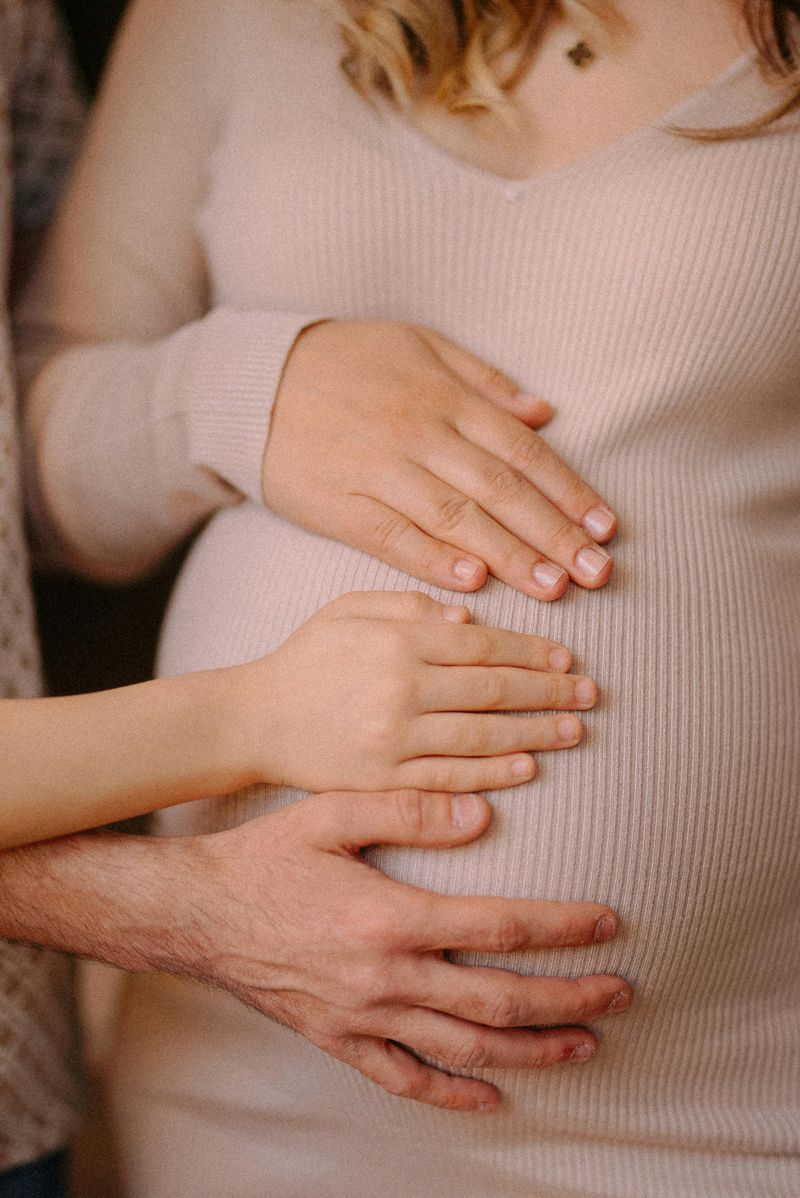
Pregnancy doesn’t remove someone’s right to personal space and bodily autonomy.
While asking permission is better than touching without consent, the question itself puts her in an uncomfortable position of potentially disappointing you by saying no.
Her belly isn’t public property just because there’s a baby inside.
Many pregnant women feel like their bodies are constantly on display and subject to unwanted attention.
Your desire to feel the baby doesn’t override her comfort with physical touch from others.
Some women don’t mind belly touches from close friends and family, while others find it invasive regardless of who’s asking.
Wait for her to offer rather than requesting access to her body.
Respect her boundaries and understand that declining doesn’t mean she’s being rude—she’s simply maintaining control over her own physical space.
10. “Let me give you some advice…”

Offering opinions on birth plans, parenting methods, or health choices without being asked is intrusive and assumes she hasn’t already done extensive research.
Modern expectant mothers read books, consult professionals, and make carefully considered decisions about their pregnancies.
Your unsolicited advice, even when well-intentioned, can feel condescending and dismissive of her intelligence.
What worked for you might not apply to her situation, body, or values.
Every pregnancy and family is unique, requiring personalized approaches rather than one-size-fits-all recommendations.
If she wants your input, she’ll ask specific questions.
Otherwise, hold back your pearls of wisdom and trust that she’s capable of navigating her own journey.
Support her choices rather than pushing your opinions.
Being a good friend means listening more than lecturing during this transformative time.
Comments
Loading…