
 Isabel Parker
If Your Mother Said These 15 Things, She’s Likely Not a Good Person

We are often told to honor our parents, but what happens when a mother’s words are weaponized to hurt rather than heal?
We are pulling back the curtain on 15 phrase-based red flags that indicate a mother’s behavior goes far beyond typical family drama.
Get ready for a hard-hitting, validating look at the toxic phrases, manipulation tactics, and critical comments that prove some mothers care vastly more about their own egos than their children’s well-being.
1. I never said that.

Gaslighting makes you question what you know to be true.
When your mom denies saying something you clearly remember, it plants seeds of self-doubt that can grow into serious trust issues.
This manipulation tactic isn’t just forgetfulness—it’s a deliberate way to control the narrative and make you feel crazy.
Over time, constantly hearing this phrase erodes your confidence in your own perceptions.
You might start recording conversations or keeping journals just to prove reality to yourself.
That’s not a healthy parent-child relationship—that’s psychological warfare disguised as family dynamics.
2. No one else would put up with you.

Imagine being told you’re so difficult that nobody could possibly love you.
This cruel statement attacks your core sense of worthiness and belonging.
It’s designed to make you feel lucky that anyone tolerates your existence, especially the person saying it.
Children who hear this often develop people-pleasing behaviors and stay in toxic relationships later.
They believe the lie that they’re fundamentally flawed and should be grateful for any attention.
The truth?
You deserve love that doesn’t come with constant reminders of your supposed burden.
3. Oh, poor you!

Sarcasm cuts deep when you’re seeking comfort.
Instead of receiving empathy during tough moments, you get mockery that teaches you your feelings don’t matter.
This response trains you to hide emotions and never ask for help because vulnerability becomes something shameful.
Kids need validation, not ridicule.
When pain gets mocked repeatedly, it creates adults who struggle to express needs or recognize their emotional experiences as valid.
Healing means learning that your feelings deserve respect, not sarcastic dismissal wrapped in fake sympathy.
4. Your father doesn’t love you.

Using your relationship with one parent as a weapon is emotional abuse, plain and simple.
This statement isn’t about protecting you—it’s about controlling your loyalties and punishing the other parent through you.
Children shouldn’t be messengers or pawns in adult conflicts.
Parental alienation damages your ability to form secure attachments throughout life.
You learn that love is conditional and relationships are battlegrounds.
The reality is that healthy parents support your connections with others, even when their own relationships are complicated or broken.
5. I’m not the problem here.

Accountability separates mature adults from those stuck in toxic patterns.
When someone refuses to acknowledge their role in problems, growth becomes impossible.
This phrase shifts all responsibility onto you, making you feel like everything wrong must be your fault.
Healthy relationships require both parties to own their mistakes.
Growing up with someone who never admits wrongdoing teaches you twisted lessons about conflict resolution.
You might become either overly apologetic for things that aren’t your fault or defensive like the example you witnessed.
6. You want to hurt me? Because you’re hurting me!

Flipping the script turns your legitimate pain into an attack on her.
Suddenly, expressing hurt feelings becomes something you’re doing TO her rather than sharing your experience.
This manipulation tactic silences you and centers her emotions over yours every single time.
Children raised this way often become emotional caretakers for their parents.
They learn to suppress their needs to manage someone else’s fragile feelings.
Breaking this pattern means recognizing that sharing your pain isn’t an act of violence—it’s normal human communication that deserves space.
7. If only you were prettier…
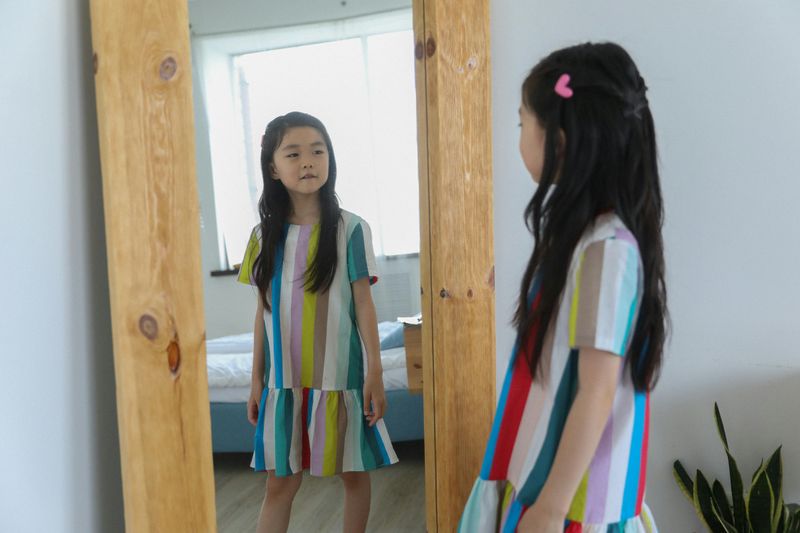
Attacking a child’s appearance plants poison that grows for decades.
This statement says you’re not good enough as you are, and your value depends on meeting someone else’s beauty standards.
The damage to self-esteem can trigger eating disorders, anxiety, and lifelong body image struggles.
Parents should build confidence, not destroy it.
Comments like this reveal more about the speaker’s insecurities than your actual appearance.
True beauty radiates from self-acceptance, something that’s nearly impossible to develop when the person raising you constantly critiques your looks.
8. You were an accident.

Few phrases cut as deeply as being told you weren’t planned or wanted.
Even if conception was unplanned, verbalizing it to a child communicates that their existence is a burden or mistake.
This creates fundamental feelings of not belonging anywhere or to anyone.
Many people were unplanned but deeply loved once they arrived.
The difference lies in whether parents make their child feel like a blessing or a problem.
Healing from this statement requires understanding that your worth isn’t determined by the circumstances of your birth.
9. I don’t like your friends. You’re staying with me.

Isolation is a classic control tactic used by abusers of all types.
By cutting you off from friends, a parent eliminates outside perspectives that might reveal how abnormal the home situation truly is.
This keeps you dependent and easier to manipulate without interference.
Healthy parents encourage appropriate friendships and social development.
They might guide you away from genuinely harmful influences with explanations, but they don’t blanket-forbid connections to keep you trapped.
Social bonds outside the family are essential for normal development and future independence.
10. You’re demonic!

Extreme labels like this go beyond normal discipline into territory that’s psychologically damaging.
Calling a child demonic, evil, or possessed creates shame at the deepest level of identity.
It’s not about correcting behavior—it’s about making you feel fundamentally wrong or dangerous.
Religious language used as a weapon causes spiritual trauma that’s hard to untangle later.
Kids internalize these labels and might believe something is genuinely wrong with their soul or character.
No child deserves to be demonized for normal developmental behaviors or conflicts.
11. You’re not very smart. Hopefully you’ll be able to find a husband.
Crushing someone’s intellectual confidence while pushing outdated gender roles is a double attack.
This phrase tells you that your brain isn’t valuable and your only worth lies in attracting a partner.
It limits your dreams before you even have a chance to pursue them.
Intelligence comes in many forms, and everyone has different strengths worth developing.
Suggesting that marriage is a backup plan for stupidity is insulting on multiple levels.
Your ambitions deserve encouragement, not dismissal based on someone else’s limited view of your potential and purpose.
12. After everything I’ve done for you…

Parenthood isn’t a transaction that creates lifelong debt.
This guilt trip turns basic caregiving into favors you must constantly repay.
It suggests that feeding, housing, and raising you were extraordinary sacrifices rather than fundamental parental responsibilities they chose when having a child.
Kids don’t ask to be born, and they don’t owe eternal gratitude for meeting their basic needs.
This phrase often precedes demands for money, time, or compliance with unreasonable requests.
Healthy families give freely without keeping score or weaponizing past care during disagreements.
13. You’ll never amount to anything.

Prophecies of failure from a parent can echo in your mind for decades.
This devastating statement attacks your potential and plants doubt that sabotages future efforts.
When the person who should believe in you most predicts your failure, it’s incredibly hard to believe in yourself.
Many successful people overcome these words, but the journey is harder when you’re fighting internalized negativity.
Some unconsciously prove the prediction right by giving up before trying.
Breaking free means recognizing that one person’s limited vision doesn’t define your actual capabilities or future possibilities.
14. Why can’t you be more like your sister?

Being compared to a sibling can teach you that love is conditional and always earned through competition.
Instead of feeling seen, you learn to measure your worth against someone else’s strengths, looks, or choices.
That kind of message does not motivate growth – it breeds shame, resentment, and a constant fear of falling short.
A healthy mother helps each child develop their own identity, not fight for a shrinking scrap of approval.
If you heard this often, you may still feel replaceable whenever somebody else succeeds.
Recognizing that wound can help you stop chasing comparison and start trusting your value.
15. Stop crying or I’ll give you something to cry about.

Threatening a child for showing emotion teaches them that pain is dangerous and vulnerability will be punished.
Instead of learning how to regulate feelings, you learn to hide them, doubt them, or fear them.
That can follow you into adulthood, making tears feel embarrassing even when they are completely human.
Kind parents comfort first, set limits calmly, and show that strong emotions can be handled safely.
Cruel ones turn your feelings into a threat, then blame you for reacting emotionally.
If this was said to you, your sensitivity was never the real problem at all.
Comments
Loading…