
 Jade Reed
The holidays are supposed to bring families closer, but sometimes they do the exact opposite. Small habits and traditions that seem harmless can quickly turn into major sources of stress and conflict. Understanding what triggers family drama can help you enjoy a more peaceful celebration this year.
1. Bringing Up Old Arguments
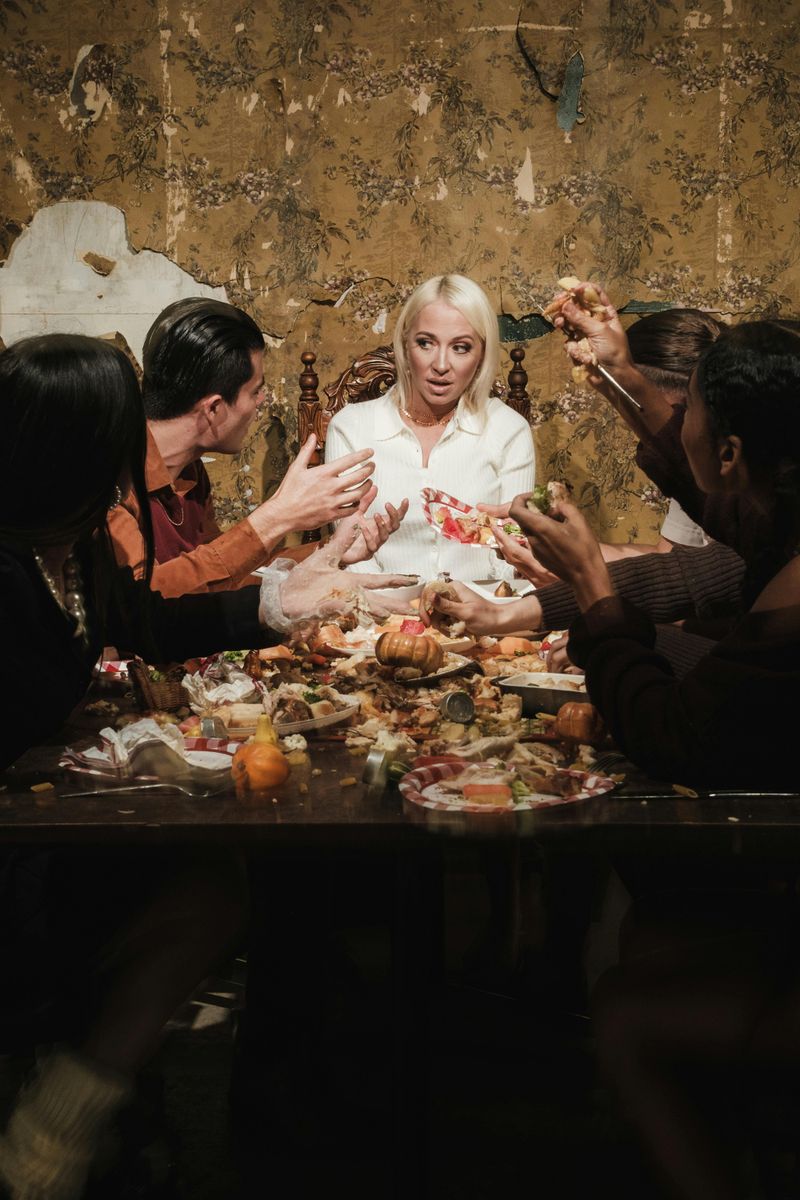
Family gatherings become battlegrounds when someone decides to rehash decade-old disagreements over turkey and stuffing.
Old wounds resurface quickly during the holidays, especially when everyone is already stressed.
What starts as a small comment about something that happened years ago can explode into a full-blown argument that ruins the entire evening.
Keep conversations focused on the present moment.
Save serious discussions for another time when emotions aren’t running high.
Your family will appreciate the effort to keep things light and enjoyable for everyone involved.
2. Forcing Everyone to Follow Your Traditions
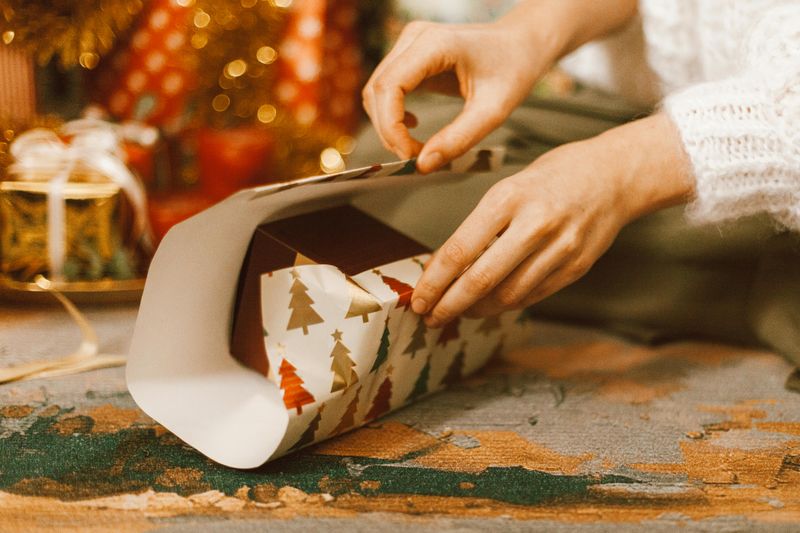
Insisting that everyone must celebrate exactly the way you’ve always done creates unnecessary tension and resentment.
Families grow and change over time, with new members bringing their own customs and preferences.
When you refuse to compromise or try something different, you send the message that only your way matters.
Flexibility makes holidays more enjoyable for everyone involved.
Consider rotating traditions or blending different customs together.
This shows respect for all family members and creates opportunities for new memories that everyone can cherish together.
3. Commenting on People’s Weight or Appearance
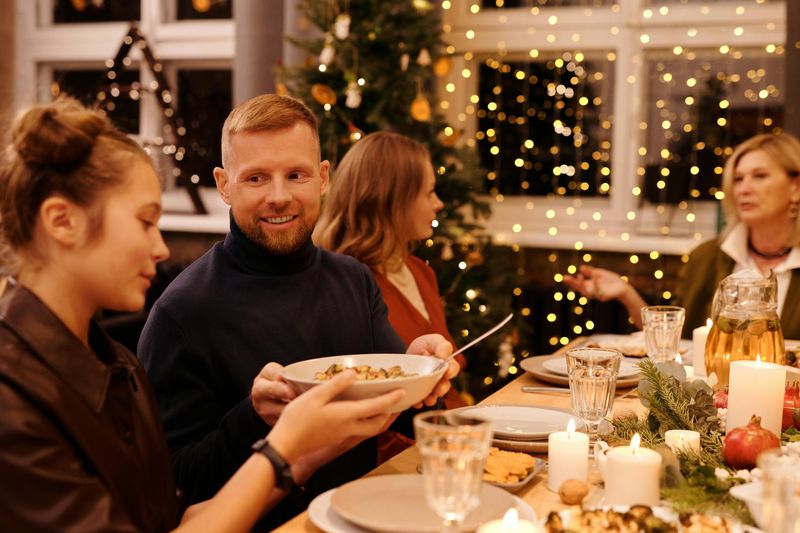
Nothing kills holiday cheer faster than unsolicited observations about someone’s body, clothing choices, or physical changes.
These comments might seem harmless to the speaker, but they often cause deep hurt and embarrassment.
Many people struggle with body image issues, and the holidays already bring enough stress without adding judgment to the mix.
Compliments about appearance can also backfire unexpectedly.
Focus your conversations on interests, achievements, and shared experiences instead.
Ask about hobbies, work projects, or funny stories that celebrate who people are rather than how they look.
4. Showing Up Empty-Handed

Arriving at a holiday gathering without contributing anything sends a message that you don’t value the host’s effort and expense.
Hosting requires significant time, money, and energy.
When guests show up expecting to be fed and entertained without bringing even a small token of appreciation, it breeds resentment that can last well beyond the holidays.
Even simple contributions make a difference.
Bring a dessert, bottle of wine, or offer to help with setup or cleanup.
These gestures show gratitude and respect for the work involved in bringing everyone together.
5. Oversharing on Social Media
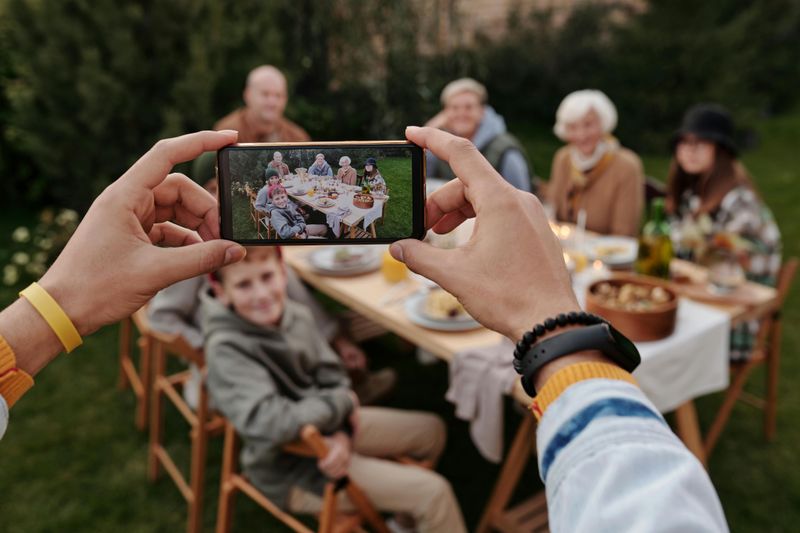
Constantly posting family moments online without permission creates discomfort and violates personal boundaries that many people hold sacred.
Not everyone wants their holiday celebrations broadcast to hundreds of strangers on the internet.
Some family members value privacy, while others may have legitimate safety concerns about their images being shared publicly.
Always ask before posting photos that include other people.
Respect when someone says no, and put the phone down to actually experience the moment yourself.
Real connection happens face-to-face, not through a screen.
6. Comparing Children to Each Other
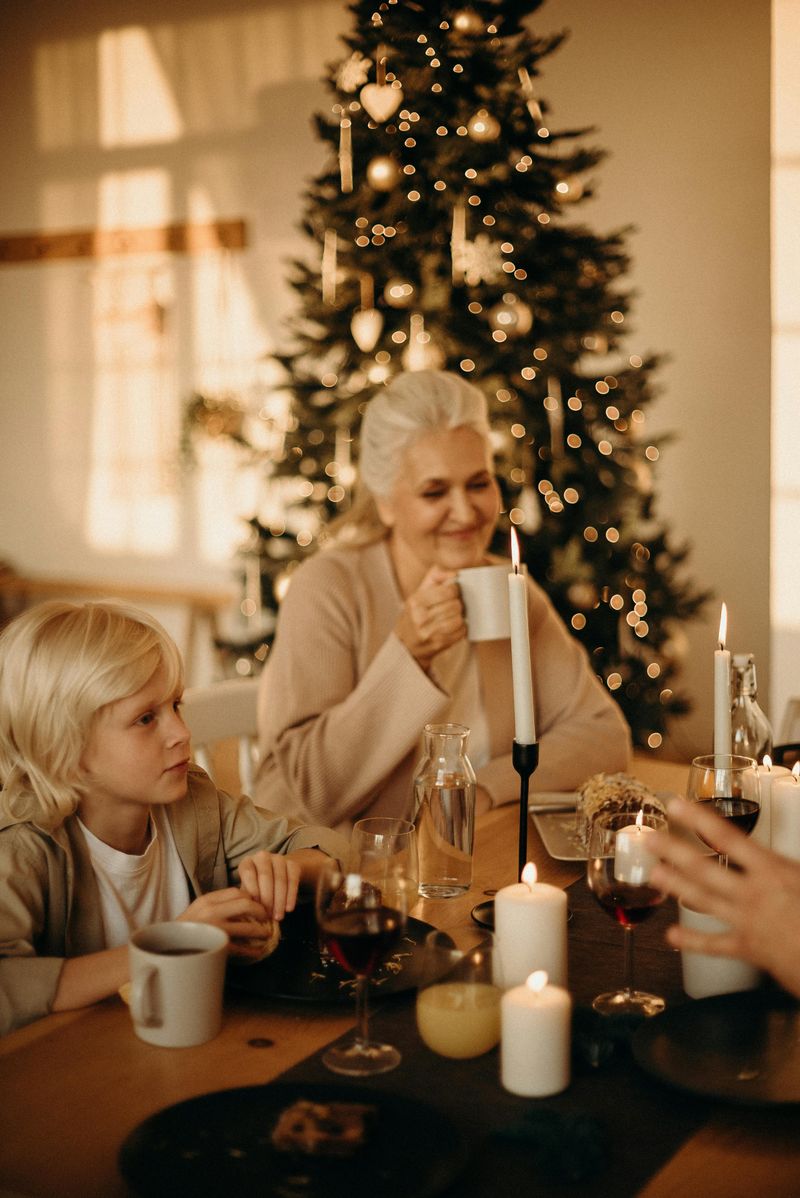
Pitting kids against each other by highlighting achievements or pointing out differences damages their self-esteem and sibling relationships.
Every child develops at their own pace and excels in different areas.
When adults constantly compare grades, sports abilities, or behavior, it creates competition and resentment that can last a lifetime.
Celebrate each child’s unique strengths individually instead.
Avoid making comparisons altogether, even ones that seem positive.
Focus on encouraging personal growth rather than ranking children against their cousins, siblings, or peers at holiday gatherings.
7. Ignoring Dietary Restrictions
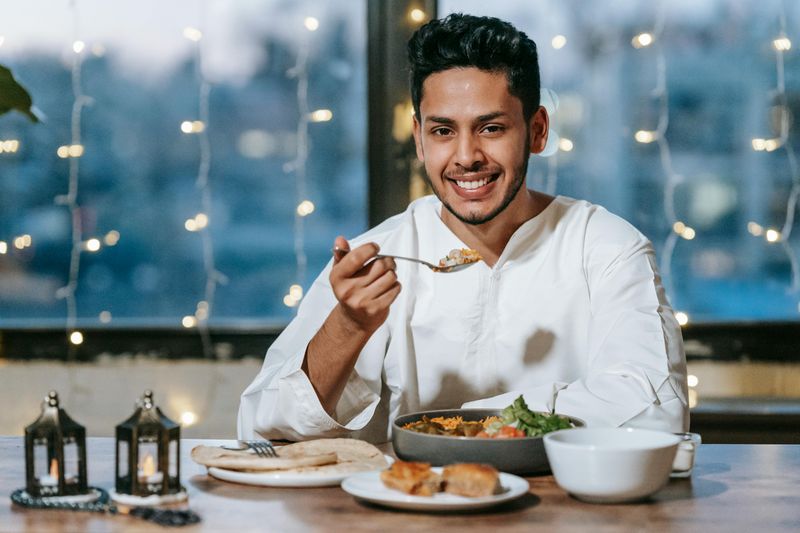
Dismissing someone’s food allergies, intolerances, or dietary choices as inconvenient or fake shows profound disrespect for their health and values.
Whether someone avoids certain foods for medical, religious, or ethical reasons, their choices deserve acknowledgment and accommodation.
Failing to provide even one safe option excludes them from fully participating in the meal.
Ask about dietary needs when planning your menu.
Label dishes clearly so people know what ingredients are included.
This simple consideration ensures everyone can enjoy the feast without fear or discomfort.
8. Giving Unsolicited Life Advice
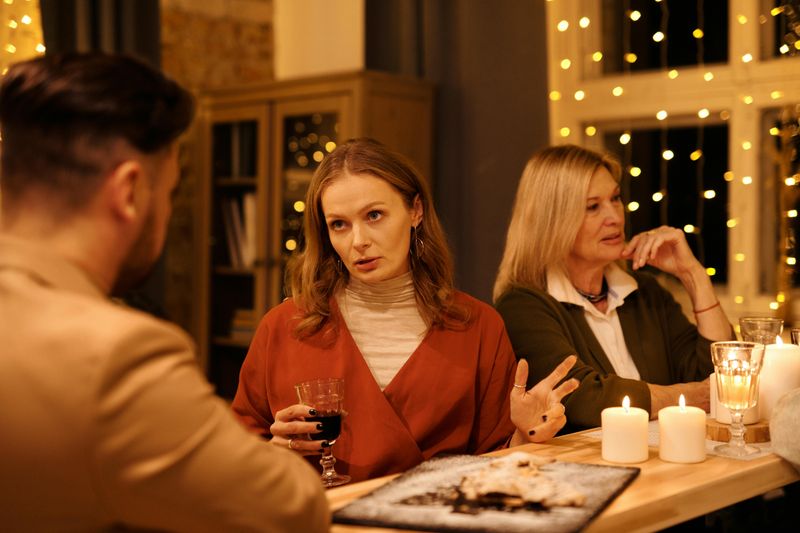
Offering unwanted opinions about career choices, relationships, parenting, or life decisions makes people feel judged and defensive rather than supported.
Most adults know what advice sounds helpful versus what feels like criticism disguised as concern.
The holidays aren’t the appropriate time to lecture relatives about their personal choices, especially topics they haven’t asked for input on.
Listen more and advise less during family gatherings.
If someone genuinely wants your perspective, they’ll ask directly.
Otherwise, show support by respecting their autonomy and trusting their ability to navigate their own lives.
Comments
Loading…