
 Mila Ross
Quentin Tarantino Called Paul Dano “Weak Sauce”—Here Are 9 More of His Hot Takes
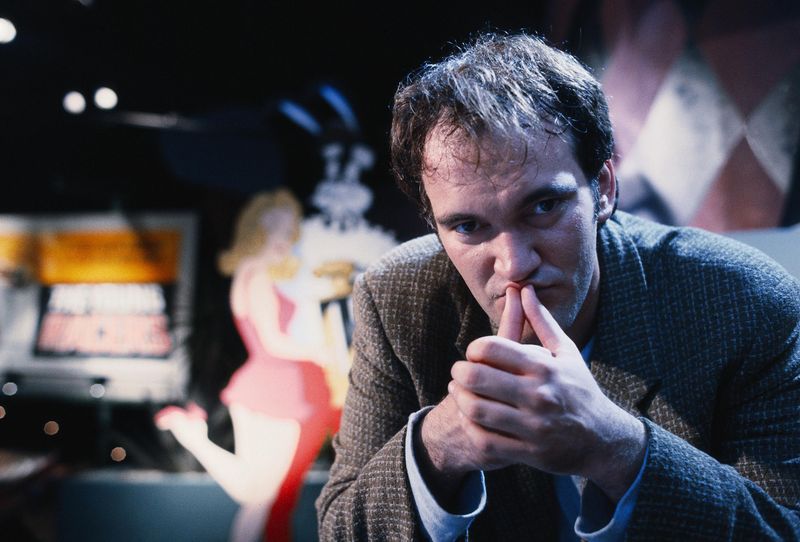
Some filmmakers soften their opinions when the cameras turn on, but Quentin Tarantino has never made “polite” part of his brand.
He talks about movies the way passionate fans do, with sweeping declarations, sharp comparisons, and very little hedging.
That bluntness is a big reason people love listening to him, because he sounds like someone who truly lives inside cinema.
It is also why his comments can spark instant backlash, especially when they touch on identity, power, or the modern entertainment machine.
Even when you agree with his point, the confidence with which he delivers it can feel like a dare to argue back.
And when you disagree, his certainty can make the debate feel personal, like he is judging your taste along with the topic.
Below are ten of his most controversial takes, including a recent jab that reignited conversation around one of the most revered films of the 2000s.
1. His Paul Dano takedown

In a recent conversation about performances, Tarantino took aim at Paul Dano’s work in There Will Be Blood.
He suggested the film’s intensity is so high that any perceived weakness stands out more than it would elsewhere.
Because Dano plays against Daniel Day-Lewis, the comparison becomes brutal, and Tarantino leaned into that contrast.
Fans pushed back fast, arguing the character’s anxious energy is exactly what makes the dynamic feel volatile and real.
The controversy is not just about Dano, but about whether Tarantino’s taste treats subtle acting as “less than.”
It also taps into a bigger debate about criticism that sounds like a verdict rather than a viewpoint.
Either way, his comment worked like a match near gasoline, because it challenged a performance many people consider essential.
2. Publicly “naming and shaming” actors in interviews
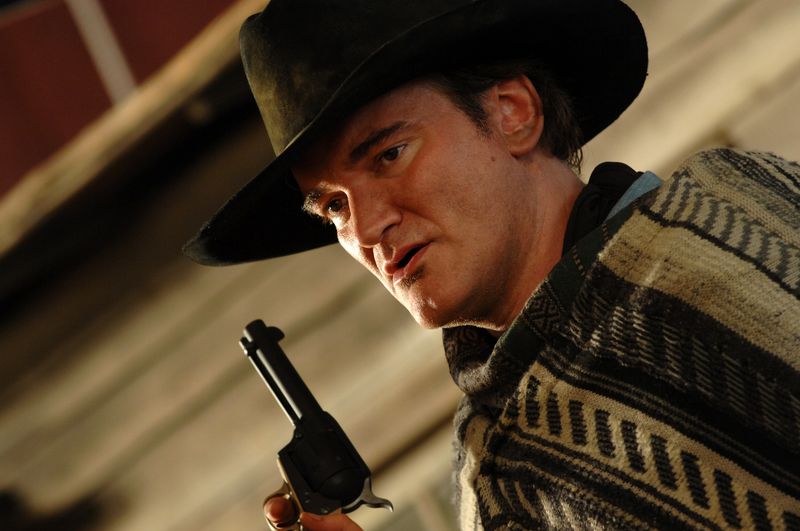
Rather than offering vague critiques, Tarantino sometimes names the person he thinks didn’t deliver.
That approach can feel refreshing in a media world full of careful non-answers, but it also raises the stakes.
When he singles someone out, the conversation shifts from taste to reputation, and that can feel unnecessarily harsh.
People who defend him argue that frank criticism is normal in art, and he is simply saying what others won’t.
People who dislike it argue that punching down is easy when you are the famous director with the bigger megaphone.
It also invites a double standard, because audiences wonder whether he would accept the same bluntness aimed at his own work.
Even if he means it as film-buff chatter, the internet treats it like a headline, and the actor becomes the story.
3. The “Marvel actors aren’t movie stars”
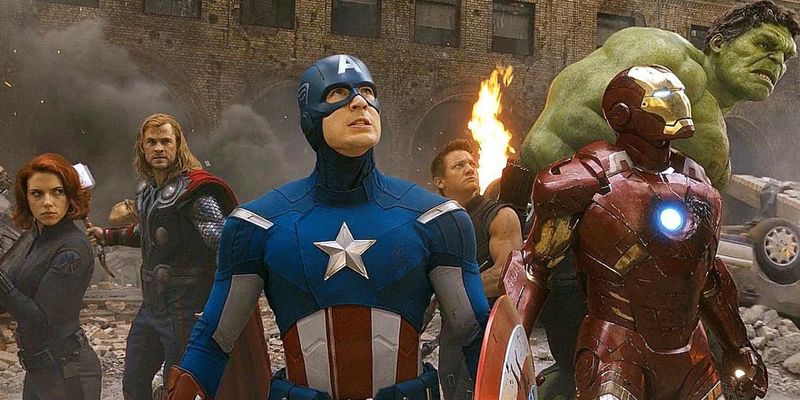
Plenty of directors critique superhero dominance, but Tarantino’s version tends to land as a cultural put-down.
He draws a line between films that feel authored and films that feel engineered, and he places Marvel on the latter side.
Supporters see it as a defense of originality, mid-budget storytelling, and risk-taking that does not rely on IP.
Critics hear it as gatekeeping, because millions of viewers experience those movies as their entry point into theaters.
The debate gets louder because his own work is highly stylized, so some fans accuse him of defining “real cinema” too narrowly.
He also taps a nerve by implying the audience’s tastes have been trained rather than chosen.
Whether you agree or not, the comment keeps resurfacing because it captures the tension between art-as-expression and entertainment-as-industry.
4. Refusing to direct Marvel because it makes you a “hired hand”
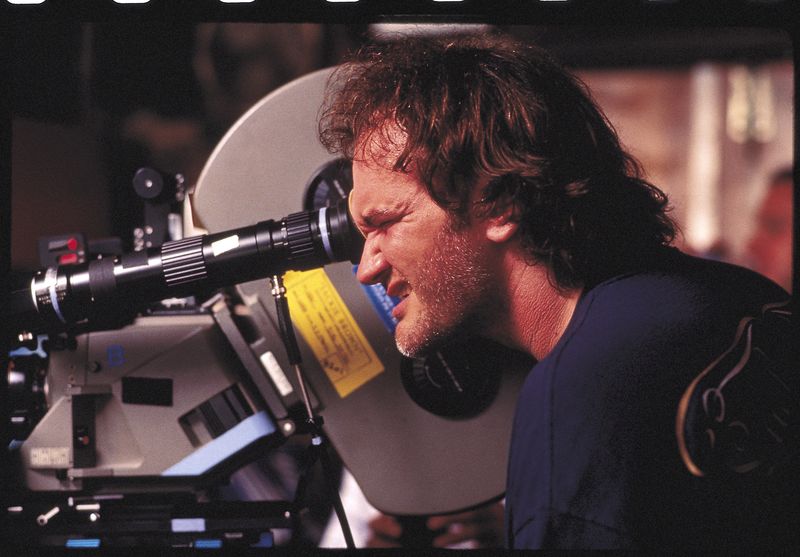
Instead of treating franchise directing as a career milestone, Tarantino frames it as a loss of creative identity.
He has implied that big studio universes come with rules that leave directors executing a template rather than building a vision.
For fans of auteur filmmaking, that reads like integrity, especially when many filmmakers are pressured to “go franchise” to stay visible.
For others, it sounds dismissive of the directors who do bring personality and craft to those projects.
It also ignores the reality that “hired hand” work can fund smaller passion films, which plenty of respected artists do.
The controversy comes from the underlying message that some kinds of popular success are less legitimate than others.
In a Hollywood economy built on brands, his refusal plays like a protest, but it also plays like a judgment.
5. Saying streaming-only releases barely “exist” culturally
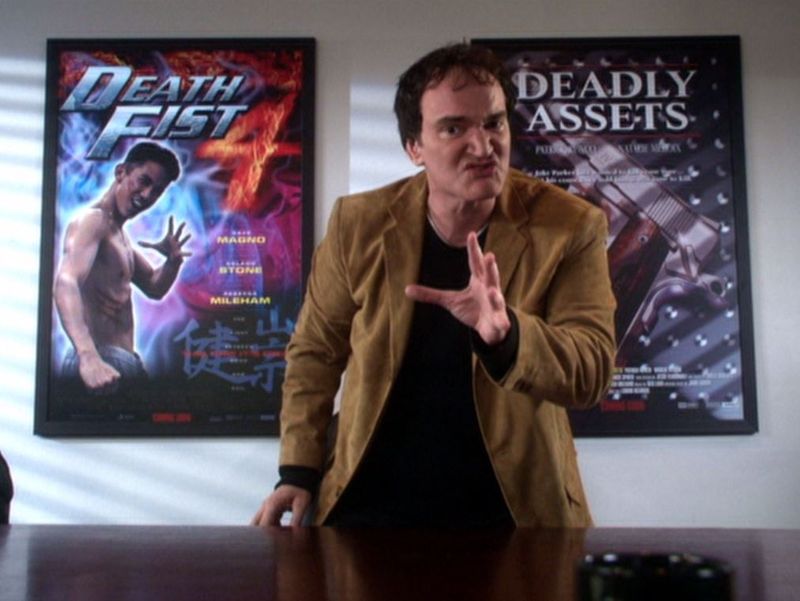
When Tarantino talks about movies, he often treats the theater as the place where film becomes a shared event.
He has suggested that streaming can make releases feel disposable, because everything arrives in the same endless feed.
That perspective resonates with people who miss packed crowds, opening-night buzz, and the feeling that a movie “happened” to the culture.
But it frustrates viewers who rely on streaming for accessibility, cost, disability needs, or simply living far from good theaters.
It also can sound out of touch in a world where many great films reach audiences precisely because of streaming distribution.
The real tension is whether the “best” experience should be the standard for legitimacy.
By tying cinematic value to a theatrical ritual, he reignites the fight over what counts as a real movie moment.
6. Doubling down that studios should judge success by “asses on seats,” not streaming drops
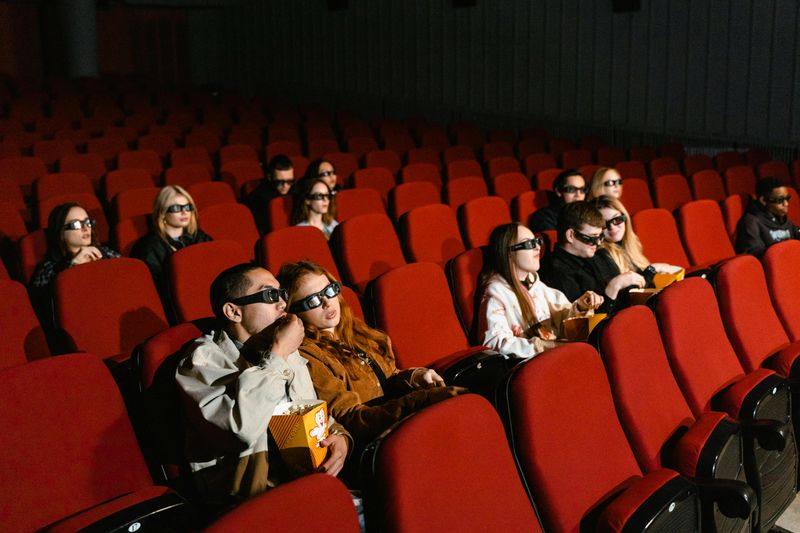
Box office talk used to be the clearest scoreboard, and Tarantino still speaks as if that era should remain the norm.
He has argued that ticket sales represent genuine demand, while streaming numbers can be murky, curated, or framed to fit a narrative.
That skepticism is understandable, because platforms often keep data private and define “views” in ways the public cannot verify.
Still, critics say he ignores how audiences actually live now, including families who cannot justify frequent theater trips.
The take also feels harsh toward films that thrive over time through word of mouth, rewatches, and global reach online.
What makes it controversial is the implication that if you did not buy a ticket, your enthusiasm counts less.
In a mixed-media world, his yardstick reads both principled and stubborn, depending on which side of the aisle you stand on.
7. His resurfaced defense of Roman Polanski
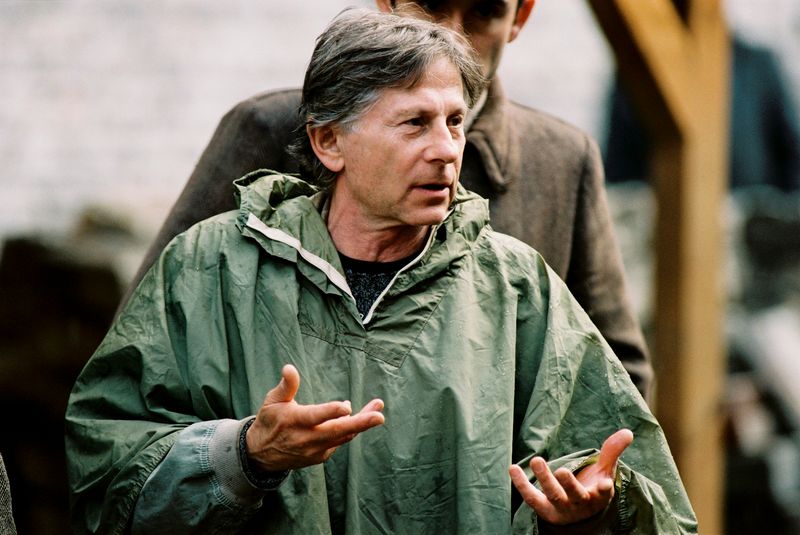
Years ago, Tarantino made comments that many people interpreted as minimizing or excusing harm in the Polanski case.
Even when he later clarified or walked parts of it back, the earlier framing stuck in the public memory.
For critics, it became an example of celebrity culture protecting insiders, especially when the subject involves consent and power.
For defenders, the argument is that a filmmaker can admire craft without endorsing a person’s actions, though that line is not neat.
The controversy persists because it is not just about what he said, but about what it signals regarding accountability.
It also raises the uncomfortable question of who gets grace to be “complicated” and who does not.
Whenever the topic resurfaces, it reminds audiences that a director’s opinions can shape how people interpret his work’s moral posture.
8. Defending the heavy use of the N-word in his films
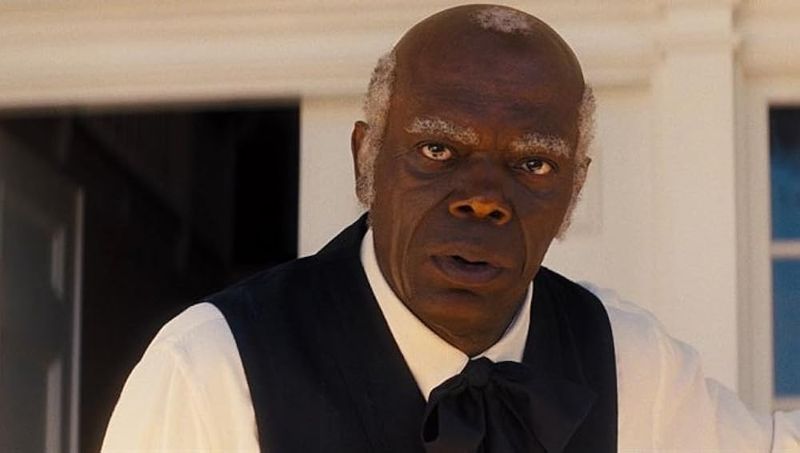
Many viewers can handle discomfort in art, but Tarantino’s scripts often push that discomfort into the center of the room.
He has defended the use of slurs as part of capturing certain historical realities and character ugliness without sanitizing them.
Supporters argue that removing the language can make racism feel softer, which risks rewriting the cruelty of the period.
Critics respond that repetition can become spectacle, especially when the writer-director seems to relish the shock value.
The debate also includes who gets to decide what is “necessary” when the people harmed by the language are still living with its impact.
Because he is so confident, his defense can read less like explanation and more like dismissal of pain.
That mix of craft arguments and emotional reality is why this issue keeps following him from film to film.
9. Brushing off the “foot fetish” criticism as “just good direction”
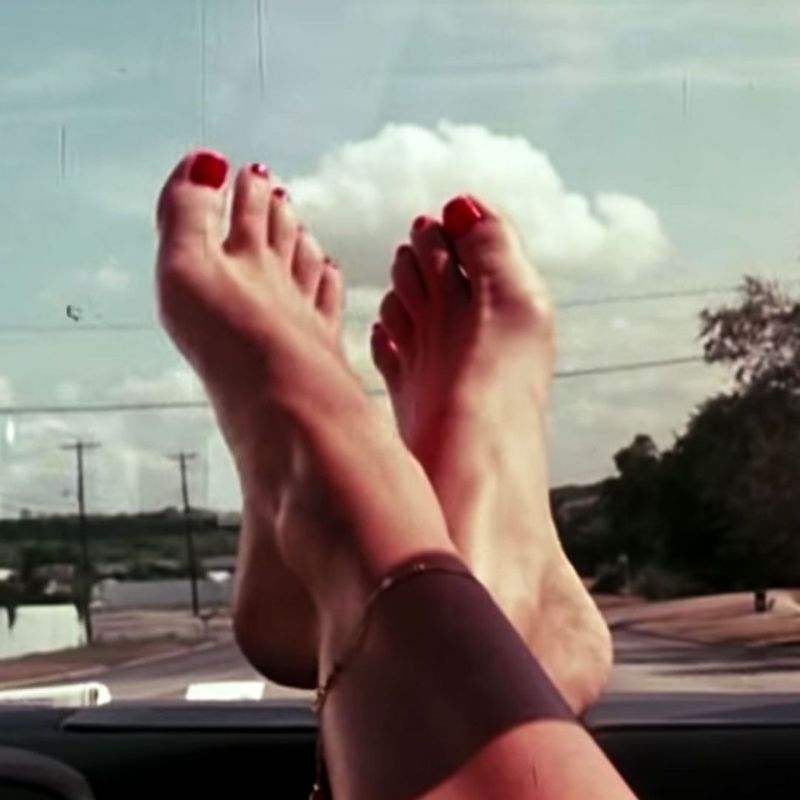
People joke about it, but the recurring emphasis on women’s feet in Tarantino’s films has become its own mini-controversy.
He tends to treat it as a harmless signature, the same way another director might obsess over close-ups or long tracking shots.
Critics argue that the pattern feels different because it often reads as sexualized, and it can pull audiences out of the story.
Defenders counter that movies are personal, and directors have always embedded their tastes in the grammar of their shots.
The tension is that “personal style” is not automatically neutral when it consistently frames women through a particular lens.
It also becomes awkward because he will sometimes address it with a shrug, which can feel like he is dodging the deeper conversation.
When a creative habit turns into a meme, it stops being invisible, and that is when audiences start judging it as a choice.
10. His ongoing stance that stylized screen violence is legitimate art
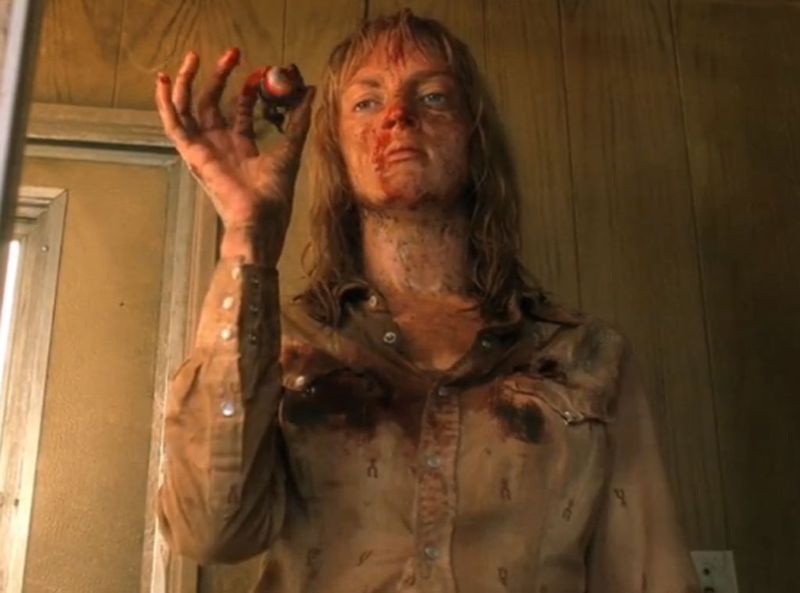
His films are famously bloody, but Tarantino argues that movie violence is a cinematic language, not a moral instruction manual.
He often frames the backlash as confusion between fiction and reality, insisting audiences know the difference.
Supporters point out that art has always explored darkness, and that censorship-by-outrage can flatten storytelling into safe blandness.
Critics argue that glamorizing brutality can desensitize people, especially when violence is played for catharsis or laughs.
The controversy grows because his movies frequently make violence feel exhilarating, which some viewers see as the problem.
He also tends to push back aggressively, which can make the debate feel like a referendum on sensitivity rather than taste.
Whether you find it thrilling or exhausting, his stance stays divisive because it touches the oldest argument in entertainment: what artists owe their audiences.
Comments
Loading…