
 Mila Ross
10 Classic Movies That Faced Backlash For Being Too Violent
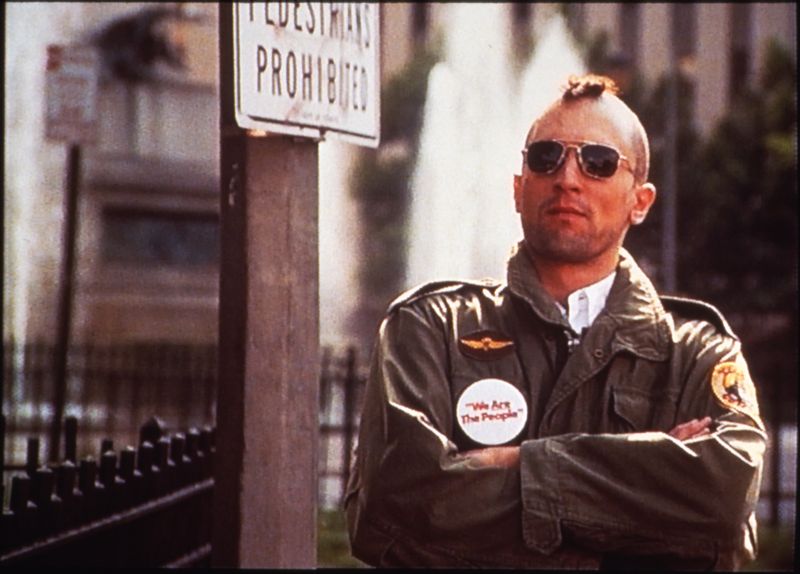
Violence in movies has always been a lightning rod, because what shocks one viewer can feel meaningful to another.
Some films are condemned for looking too real, while others are attacked for making brutality feel stylish or entertaining.
Critics often worry about whether a movie is simply depicting violence or quietly inviting the audience to cheer for it.
Public backlash tends to grow when a film hits at the right cultural moment, especially during fears about crime or youth behavior.
Sometimes the controversy is about gore, but just as often it is about tone, implication, and what the camera chooses to linger on.
The movies below became famous not only for what they showed, but for the arguments they triggered afterward.
1. A Clockwork Orange (1971)
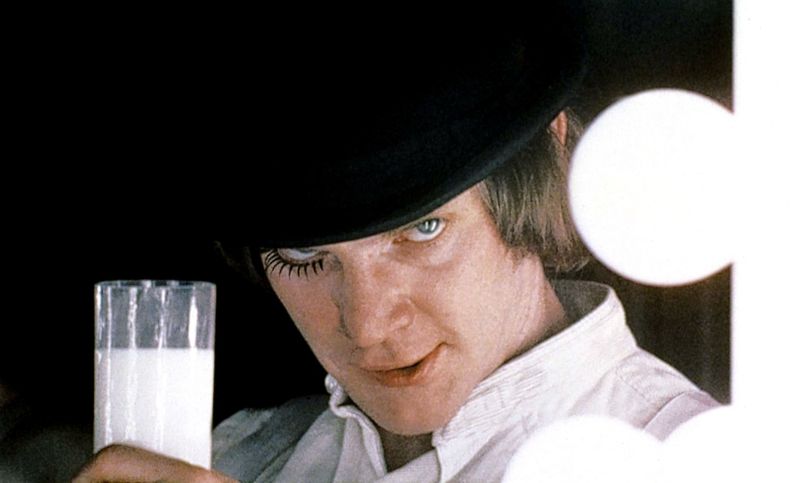
Stanley Kubrick’s chilly satire landed like a grenade because its cruelty comes wrapped in dark, hypnotic style.
Reviewers and community voices argued that the film’s staged assaults felt too vivid, too memorable, and too easy to imitate.
The discomfort intensified because the story toys with free will, turning brutality into a kind of twisted performance.
Many critics felt the movie’s elegance and classical music pairing created an unsettling “cool” aura around violence.
Reports of real-life incidents being linked to the film, fairly or not, pushed the outrage into overdrive.
Censorship debates followed, along with the question of whether art can be “responsible” for how it is consumed.
Even people who admired Kubrick’s craft admitted the film dares you to watch without flinching.
Decades later, it remains a symbol of how a single movie can become a cultural scapegoat.
2. The Wild Bunch (1969)
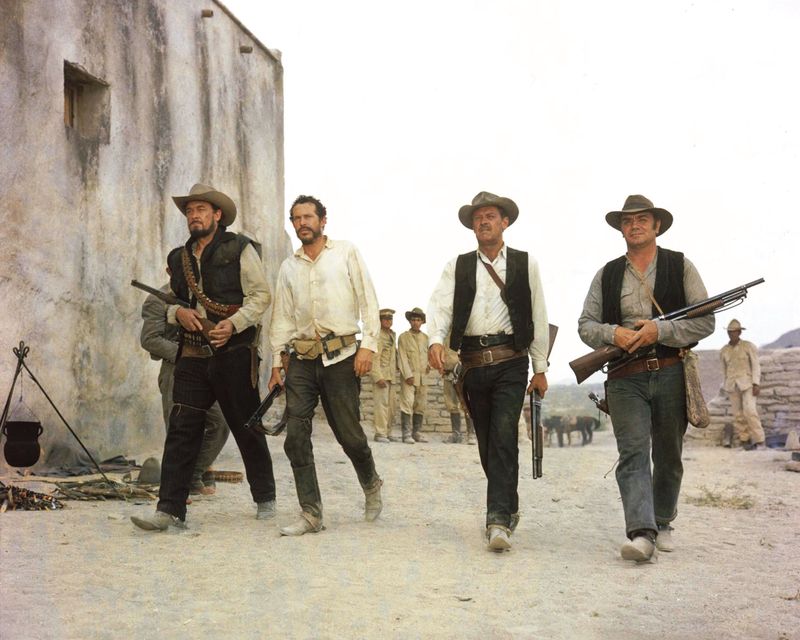
Sam Peckinpah changed the language of shootouts by making gunfire feel messy, prolonged, and punishing.
Critics at the time weren’t prepared for slow-motion carnage that emphasized bodies collapsing rather than heroes posing.
The violence hit harder because it arrives in waves, building toward a finale that seems almost apocalyptic.
Some reviewers argued the film was nihilistic, suggesting that brutality was the only honest form of communication left.
Others feared it pushed Hollywood toward a new baseline where ever-bigger bloodshed became the selling point.
The moral anxiety wasn’t just about bullets, but about how thrilling the chaos could feel in the moment.
Peckinpah’s defenders called it anti-violence precisely because it looks so ugly and costly.
The argument itself proved how powerful the imagery was, because it refused to fade quickly.
3. Straw Dogs (1971)
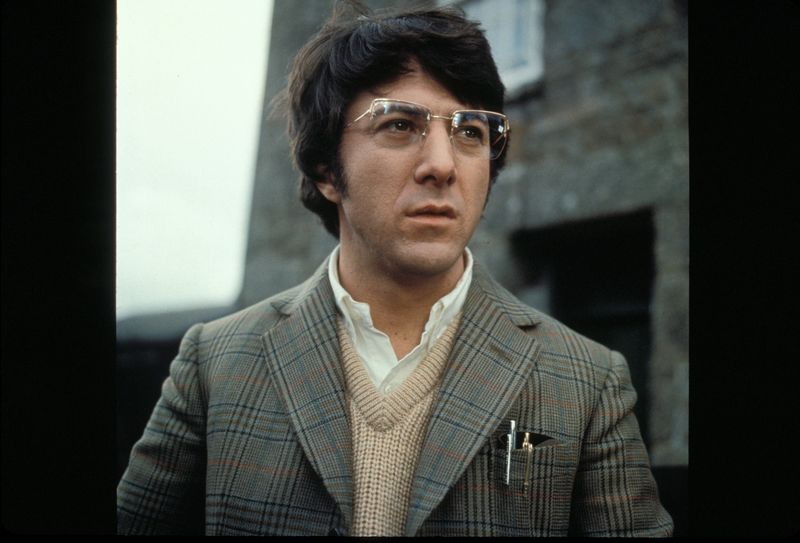
When the story tightens into a siege, the film forces you to sit inside escalating fear and rage.
Many critics focused on how the movie builds tension with humiliation and sexual violence that feels deliberately destabilizing.
The controversy grew because the narrative blurs lines between victimization, retaliation, and the audience’s own reactions.
Some reviewers argued the film seemed to invite viewers to enjoy the “release” of revenge after prolonged discomfort.
Others objected to how female characters are treated, saying the violence is framed through a troubling male lens.
Even supporters who praised the craftsmanship admitted the most infamous scenes can feel punishing rather than illuminating.
Debate around it often turns into a debate about consent, gaze, and what a director chooses to sensationalize.
It still gets cited as an example of a movie that can be both artful and deeply divisive.
4. Taxi Driver (1976)
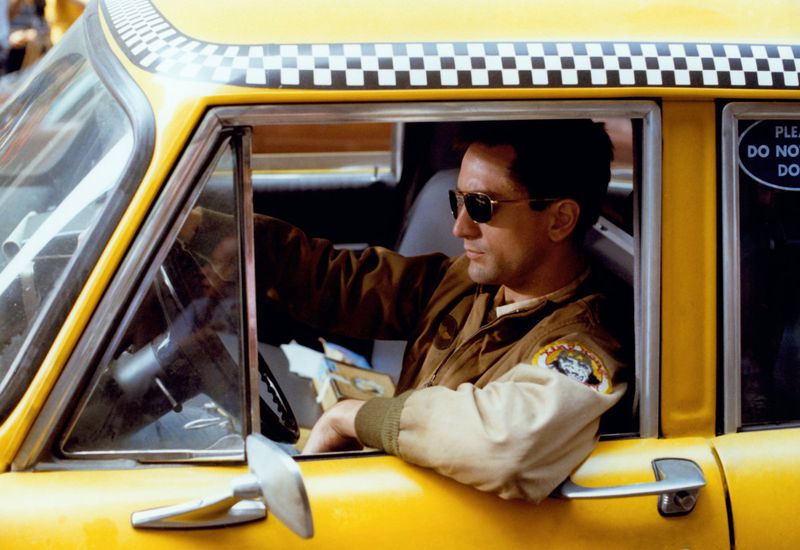
Martin Scorsese’s grim character study sparked alarm because its violence feels like it’s crawling out of loneliness.
Critics were unsettled by how the film places you inside a troubled mind that mistakes brutality for purpose.
The ending, in particular, drew attention for transforming a spree of bloodshed into something that reads as “resolution.”
Some commentators worried the movie romanticized the idea of the alienated avenger who cleans up a dirty world.
Those concerns intensified in later years when real-life events made “media influence” arguments feel newly urgent.
Supporters countered that the film is a warning siren, not a celebration, and that its ugliness is the point.
Either way, its impact comes from the way it makes violence feel emotionally inevitable rather than purely sensational.
The backlash became part of its legacy, proving how thin the line is between critique and perceived endorsement.
5. The Texas Chain Saw Massacre (1974)
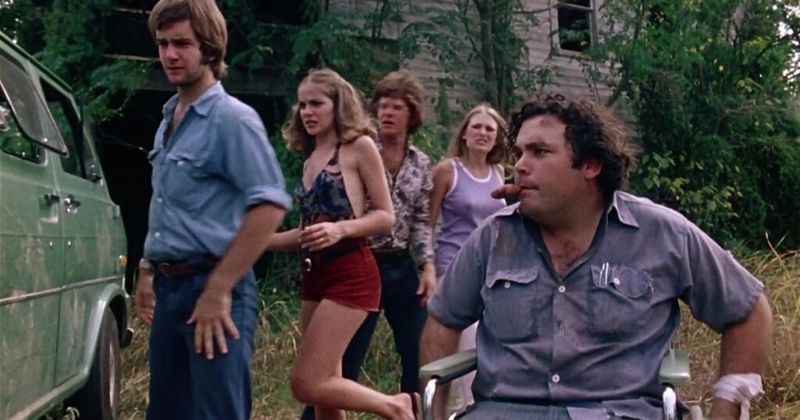
Tobe Hooper’s low-budget nightmare became notorious because it feels like you can smell the sweat and rust.
Many people assumed it was extremely gory, yet much of its power comes from suggestion and relentless dread.
Critics and censors still attacked it because the experience is so aggressive, trapping viewers in sustained panic.
The film’s raw sound design and documentary-like grit made the violence seem disturbingly plausible.
Outrage followed in various places, with bans and restrictions fueled by fears it was simply too sickening.
What rattled audiences wasn’t only the killings, but the sense of human beings treated like disposable meat.
Defenders argued it exposes brutality rather than glamorizing it, because nothing about it feels safe or heroic.
Its reputation endures as proof that perceived violence can be as powerful as explicit bloodshed.
6. Reservoir Dogs (1992)
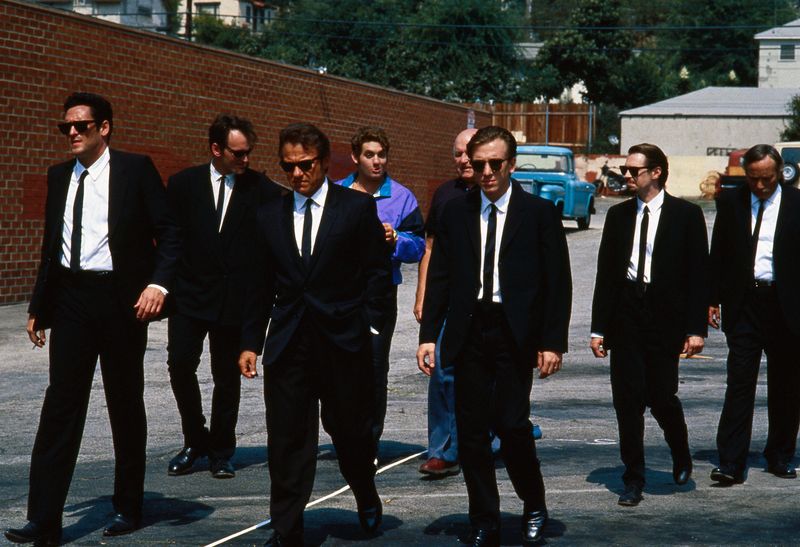
Quentin Tarantino announced himself with a crime story that treats tension like a vice slowly tightening.
The backlash centered on scenes that feel intimate and cruel, especially when pain is prolonged for audience attention.
Many critics cited the infamous torture sequence as a moment that crosses from thriller intensity into sadistic spectacle.
Walkouts and headlines followed, because the film dares you to stay in the room with helpless suffering.
The violence also feels unpredictable, arriving suddenly and then lingering in consequences rather than quick thrills.
Supporters argued the movie is about betrayal and panic, with brutality serving as the honest language of criminals.
Still, the debate stuck because Tarantino’s playful dialogue creates whiplash beside the blood and screams.
It became a ’90s flashpoint for questions about whether stylized cruelty is more dangerous than straightforward gore.
7. Natural Born Killers (1994)
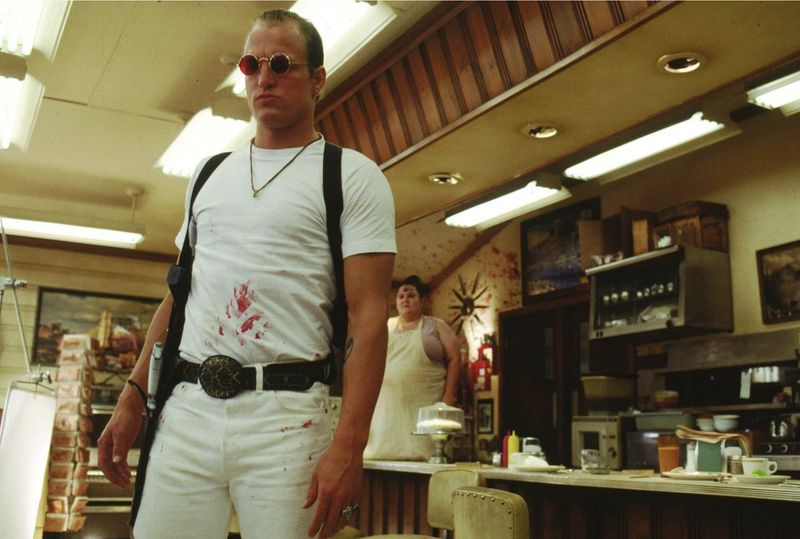
Oliver Stone’s feverish satire ignited controversy by blending violent imagery with a media circus aesthetic.
Critics argued the movie didn’t just depict killers, but turned them into punk-rock icons through flashy editing.
The fear was that audiences might absorb the swagger while ignoring the critique embedded in the chaos.
High-profile lawsuits and “copycat” headlines amplified the outrage, whether the connections were fair or not.
Many reviewers found the film morally exhausting, because it constantly shifts tone between horror, comedy, and spectacle.
Supporters insisted that the whole point is to indict the public’s appetite for violent celebrity narratives.
Even so, the film’s sensory overload can make its message feel easy to miss on first viewing.
It remains one of the clearest examples of how satire can be accused of becoming the thing it mocks.
8. Fight Club (1999)
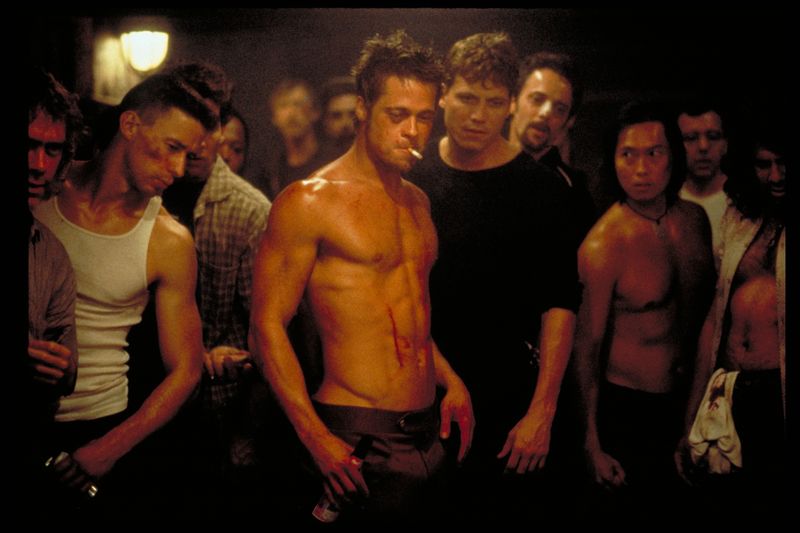
David Fincher’s dark provocation drew criticism because its bare-knuckle brawls are filmed with electric momentum.
Some reviewers worried the movie packaged rage and self-destruction as a seductive lifestyle for disaffected men.
The anxiety wasn’t only about fists and blood, but about the philosophy that frames violence as cleansing.
Because the film is sharply funny and stylish, it can be misread as endorsing what it’s actually dissecting.
Debate intensified as real-world fans quoted it, mimicked it, and treated its underground rituals as aspirational.
Defenders pointed to the story’s spiraling consequences, arguing it’s a cautionary tale about identity and manipulation.
Still, the criticisms persisted because a movie can warn you while also making the warning look thrilling.
Its legacy proves that tone matters as much as content when people decide whether violence feels “glorified.”
9. Battle Royale (2000)

This Japanese thriller became controversial worldwide because it imagines teenagers forced into lethal competition.
Critics and officials in various places reacted strongly to the premise, seeing it as an extreme fantasy of youth violence.
The tension hits differently because friendships and schoolyard dynamics get twisted into survival strategy and betrayal.
Many discussions focused on whether the film was social commentary or a sensational spectacle built from shock value.
The violence is frequent, but the real sting comes from how quickly the movie normalizes fear and desperation.
Supporters argued it is a political allegory about authority, pressure, and the cruelty of systems that demand conformity.
Even so, the concept alone was enough to fuel bans, restrictions, and anxious headlines.
It’s still cited whenever culture wars flare over what young audiences “should” be allowed to watch.
10. Saw (2004)
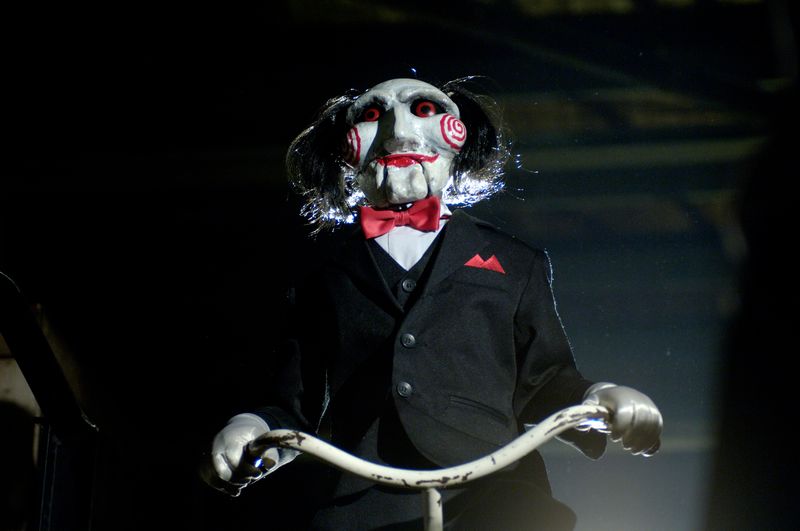
James Wan and Leigh Whannell launched a new wave of horror discourse by making suffering feel engineered.
Critics coined harsh labels, arguing the movie was less suspenseful storytelling and more invitation to watch pain.
The traps became the center of the debate because they turn bodies into puzzles with gruesome solutions.
Many reviewers claimed the film crossed a line by lingering on injury and forcing viewers to imagine unbearable choices.
Supporters countered that the story is built on moral games, guilt, and psychological dread, not just blood.
Still, the franchise’s popularity cemented the idea that audiences were hungry for escalation.
The backlash often targeted not only gore, but the cold, clinical way violence is framed as “lesson” or “test.”
Whether you find it clever or corrosive, it reshaped what mainstream horror could get away with.
Comments
Loading…