
 Chloe Peterson
Don’t Let Winter Destroy Your Garden—Do These 12 Things While You Still Have Time
Winter can be brutal on a garden, but a little preparation now saves you money, heartbreak, and a ton of spring cleanup later.
The goal isn’t to wrap every plant like a present, but to reduce stress from freezes, wind, soggy soil, and hungry critters.
A smart winter routine also cuts down on disease and pests that love to hide in leftover debris until the weather warms up.
You don’t need fancy gear to do this well, because many of the best protections are things you already have, like leaves, compost, and burlap.
Think of winter-proofing as setting your future self up for an easier, greener spring with fewer replacements to buy.
Use the steps below as a checklist, and you can tackle them in small chunks over a couple of weekends.
1. Clean up spent plants (but don’t overdo it)

Once the growing season slows, a targeted cleanup helps your garden avoid carrying problems into spring.
Start by removing anything that’s diseased, moldy, or clearly infested, because those issues can overwinter in stems and fallen leaves.
Healthy plant material can be composted or chopped and dropped as a light layer, which returns nutrients without extra cost.
Leave some sturdy stems and seed heads if you want winter interest and food for birds, especially in less “formal” areas.
Vegetable beds benefit from pulling old vines and rotting fruit, since that debris attracts pests and spreads fungal spores.
Focus on clearing around crowns and the base of plants so moisture doesn’t stay trapped against tender growth.
This is one of those steps where “clean” is good, but “sterile” can remove helpful habitat and make the garden feel lifeless.
2. Pull weeds now to prevent a spring takeover
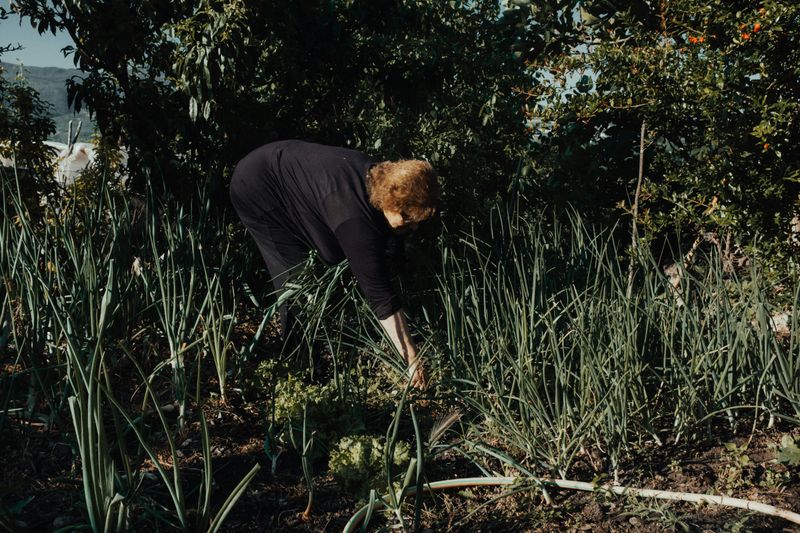
Weeds don’t stop just because the temperatures drop, and many take advantage of open soil all winter long.
Getting them out now prevents a burst of seeds and roots that are harder to manage when spring chores pile up.
Work after a rain or watering day so the soil releases roots more easily, which saves your hands and reduces frustration.
Prioritize plants that have already gone to seed, because one neglected patch can turn into hundreds of seedlings later.
Use a hoe or hand fork to disturb as little soil as possible, since excessive digging can bring dormant weed seeds to the surface.
If you’re short on time, even a quick “top priority” pass around perennials and bed edges makes a noticeable difference.
A thick mulch layer after weeding helps block sunlight and slows the next wave without relying on chemicals.
3. Test and amend your soil before the ground freezes
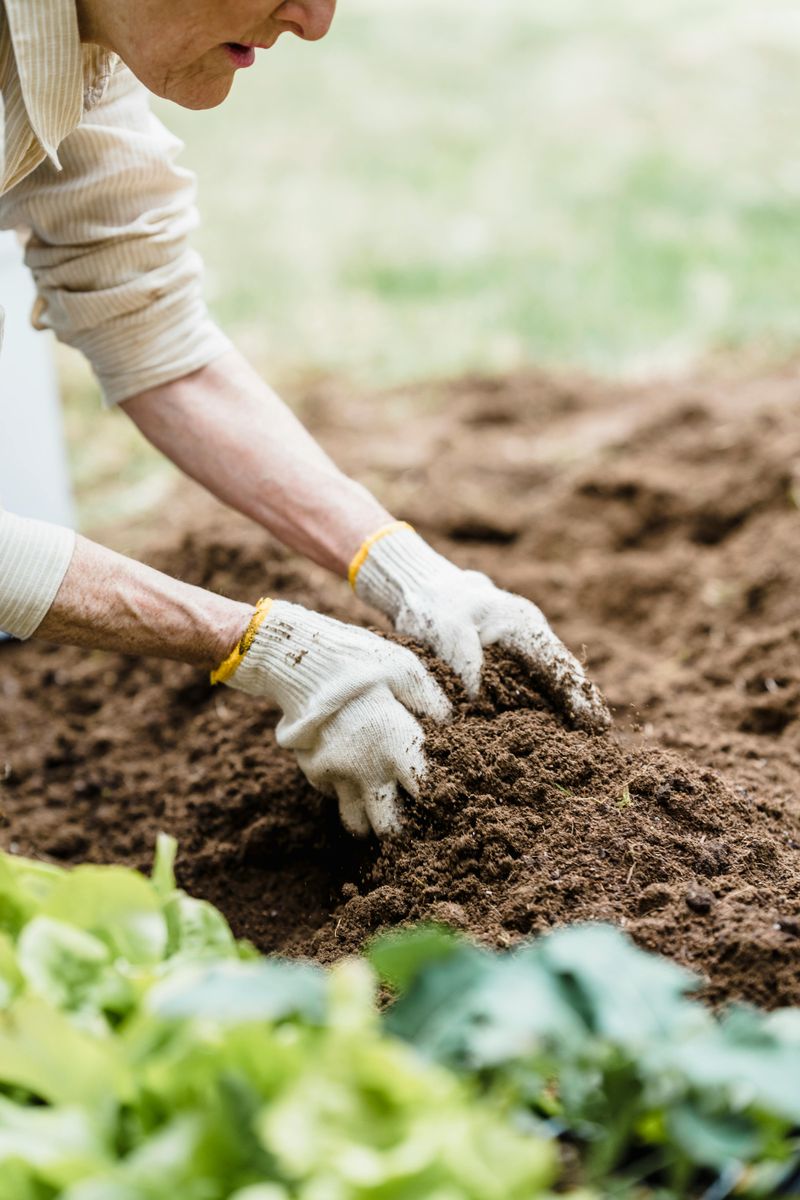
Soil improvements work best when they’re started before winter locks everything up like concrete.
A basic soil test helps you avoid wasting money on fertilizers your garden doesn’t need, especially if you’ve been guessing for years.
Spread compost, leaf mold, or well-aged manure to feed microbes and improve structure, which leads to better drainage and root health.
If your soil is compacted, add organic matter rather than deep-tilling, because aggressive turning can damage soil life and create more problems.
Lime or sulfur adjustments take time to influence pH, so applying them now gives them months to begin working.
Finish by raking the surface smooth so winter rains don’t carve channels and wash nutrients away.
This step is like stocking the pantry, because a well-fed soil makes spring planting easier and reduces the urge to over-fertilize.
4. Mulch strategically for insulation, not smothering

A protective layer acts like a blanket, but timing and placement matter more than people realize.
Wait until after a light frost, because mulching too early can encourage pests to settle in while the soil is still warm.
Use shredded leaves, straw, pine needles, or bark, and aim for a few inches that insulate without turning into a soggy mat.
Keep mulch pulled back from crowns of perennials and away from tree trunks, since constant moisture can cause rot and invite rodents.
In vegetable beds, mulch helps prevent erosion and nutrient loss, especially if winter storms are common where you live.
If you have heavy clay, avoid overly thick layers that trap water, because frozen, saturated soil can heave roots upward.
A neat mulch job in late fall often means fewer weeds, fewer temperature swings, and far less cleanup when spring finally arrives.
5. Protect tender perennials with “winter collars”
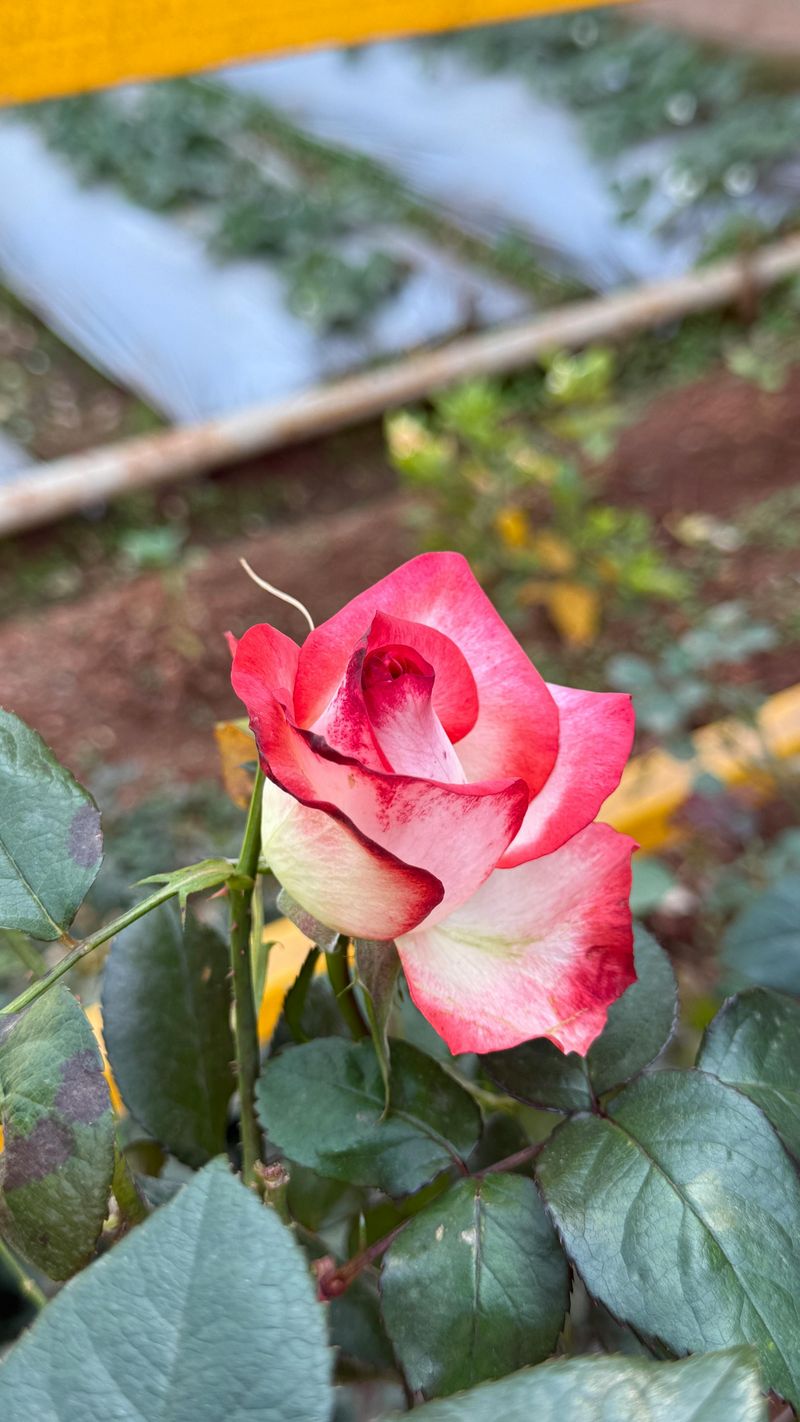
Plants that sit on the edge of hardiness often survive better with a simple barrier that traps insulating air.
A wire ring or short fencing cylinder filled with dry leaves or straw helps buffer temperature swings around the plant’s crown.
Roses, borderline hydrangeas, and newly planted perennials benefit most, especially after a windy freeze-thaw cycle.
Use dry materials rather than wet grass clippings, because soggy insulation can turn into a moldy mess and harm the plant.
Set collars after the ground starts to chill so you don’t create a cozy condo for pests in early fall.
Remove the collar gradually in spring, because ripping it off too soon can expose tender growth to late cold snaps.
This method is inexpensive, easy to store, and often makes the difference between a plant returning strong or needing replacement money.
6. Wrap or shield vulnerable shrubs and evergreens

Winter wind can dry plants out faster than cold alone, especially when the sun hits frozen roots that can’t replace moisture.
A burlap screen on the windward side helps evergreens and broadleaf shrubs avoid “winter burn” that shows up as brown, crispy foliage.
You don’t have to mummify the plant, because good airflow reduces fungal issues and prevents branches from staying damp.
Use stakes and twine to gently support floppy branches before heavy snow arrives, which reduces breakage and spring pruning.
Avoid plastic coverings that trap moisture and heat, since that can lead to mold and temperature shock on bright winter days.
If road salt is an issue, a barrier also limits salty spray that damages leaves and roots near driveways.
When shrubs are protected now, they bounce back faster in spring and look healthy sooner, which is the payoff everyone wants.
7. Water deeply before hard freezes (especially evergreens)
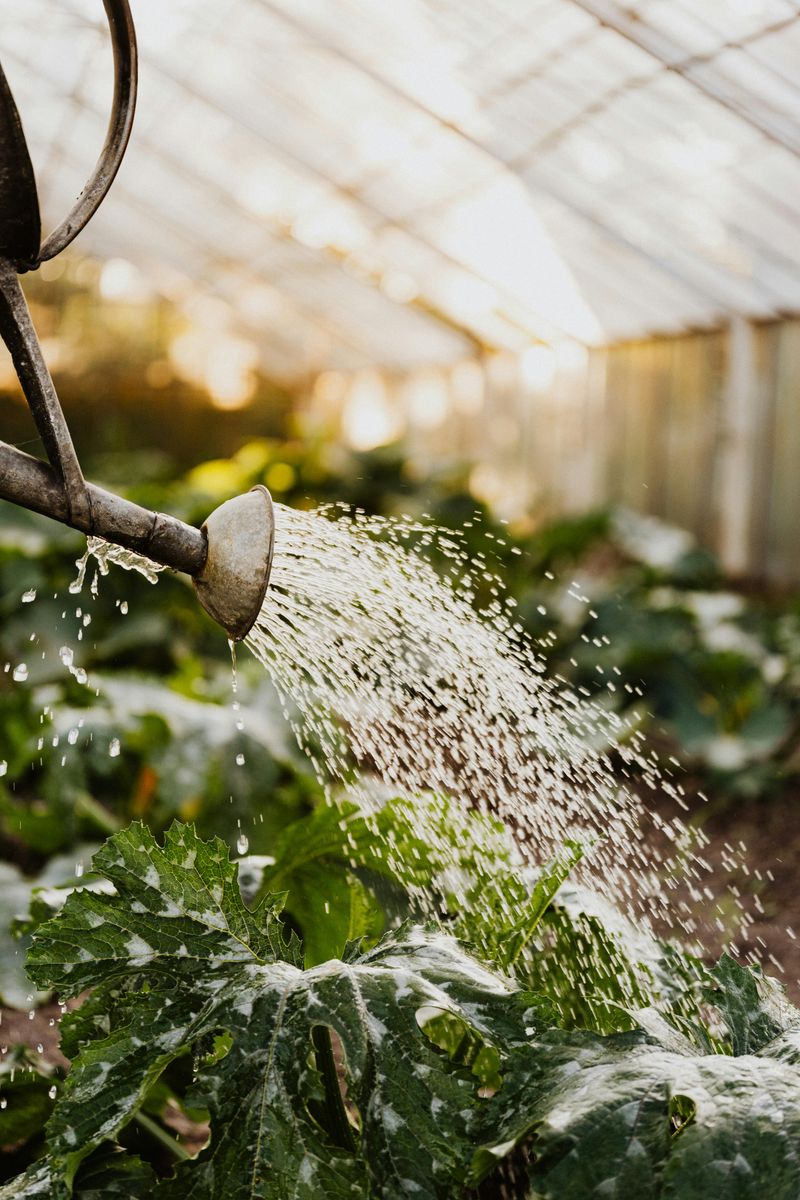
Hydration is one of the most overlooked winter protections, because people assume cold weather automatically means the job is done.
Keep watering until the ground freezes if rainfall has been light, focusing on evergreens, new plantings, and anything in sandy soil.
Moist soil holds heat better than dry soil, which helps roots ride out sudden temperature drops more comfortably.
Aim for a slow, deep soak rather than frequent sprinkles, because shallow watering encourages roots to stay near the surface.
Water earlier in the day when possible so the surface dries a bit before nighttime temperatures plunge.
If you use soaker hoses, check for leaks now, because a small issue can waste water and create icy patches later.
A well-watered garden enters winter less stressed, and that usually means fewer dead shrubs and fewer surprise expenses in spring.
8. Lift, store, or overwinter frost-tender bulbs and tubers
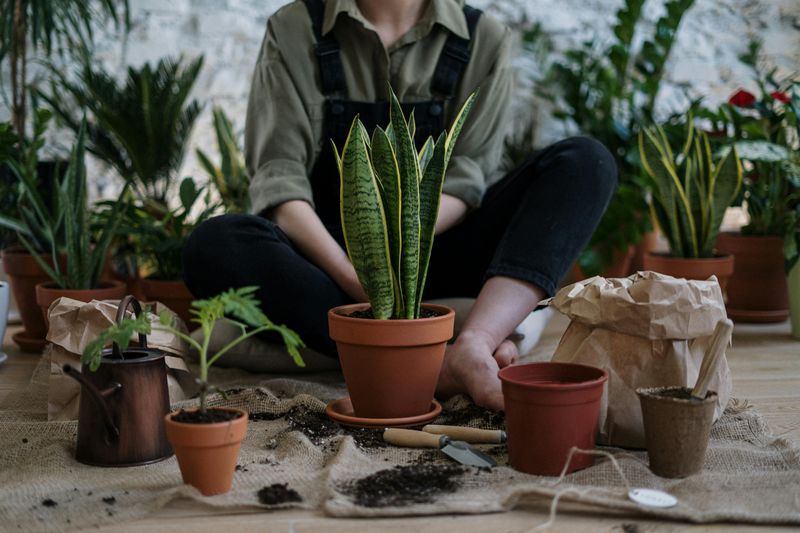
Many beloved summer bloomers are basically annuals only because their underground parts can’t handle freezing soil.
Dig tubers and bulbs like dahlias, cannas, gladiolus, and elephant ears after the first light frost blackens the foliage.
Let them dry and cure in a ventilated spot so skins toughen up, which reduces rot during storage.
Brush off excess soil, label varieties if you care about colors, and store in breathable material like paper bags or boxes with dry peat.
Keep them cool, dark, and not too damp, because moisture causes mold while overly dry air shrivels them.
Check once a month and remove any soft or rotting pieces before they spread problems to the rest.
Saving these plants year to year can cut spring spending dramatically, especially if you’ve invested in larger, showy varieties.
9. Bring containers into “survival mode”
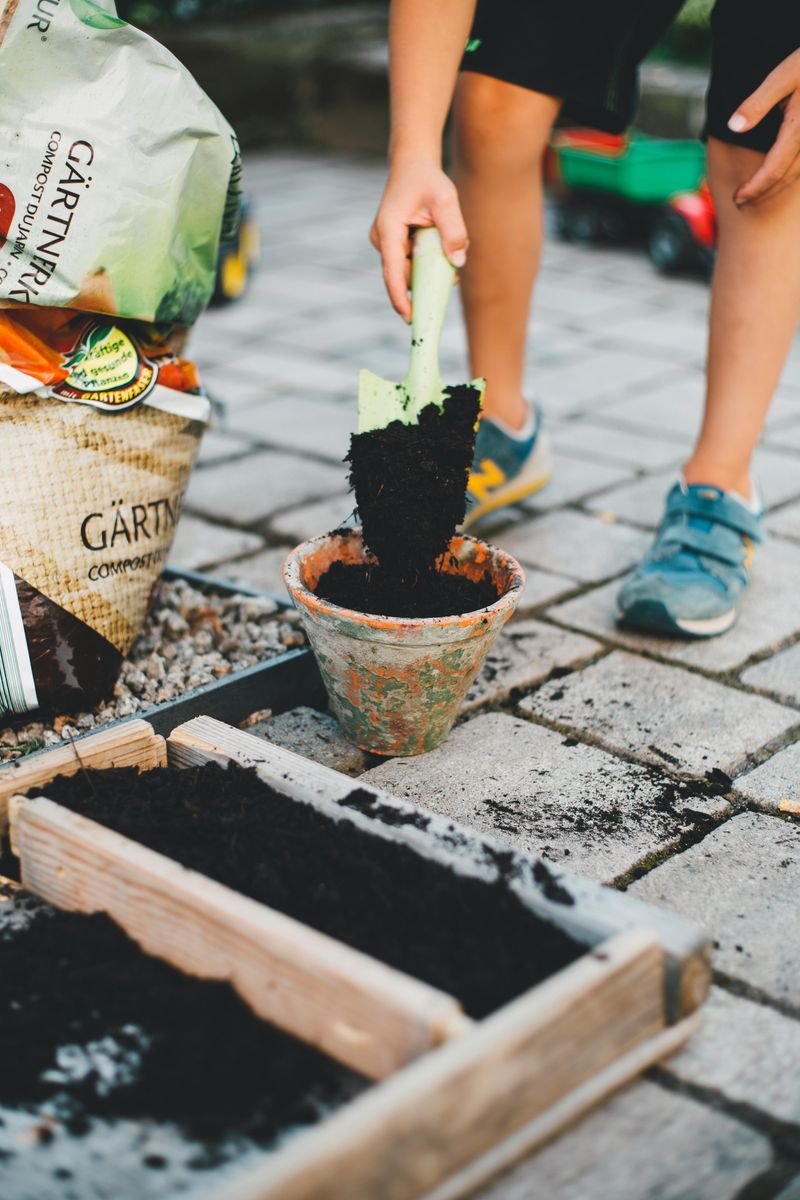
Pots are far more vulnerable than in-ground beds, because roots are exposed to freezing air from all sides.
Move containers to a sheltered wall, a covered porch, or a spot out of harsh wind, and group them close together for warmth.
If the plant is hardy but the pot is thin, insulate it with burlap, cardboard, or bubble wrap under an outer cover.
Another budget-friendly trick is sinking the pot into the ground or a spare bed so the earth does the insulating for you.
Avoid leaving saucers full of water, since freeze-thaw cycles can crack containers and drown roots when melting begins.
Water sparingly through winter if the plant is evergreen and conditions are dry, because pots can dry out surprisingly fast.
A little container care now protects both your plants and your expensive pots, which is an easy win.
10. Prune the right things—and leave the rest alone

Fall pruning can be helpful, but only when you’re cutting for safety, disease prevention, or better structure.
Remove dead, damaged, or diseased branches from trees and shrubs so winter storms don’t turn weak wood into a bigger tear.
Skip heavy pruning on spring-flowering shrubs, because you may cut off next season’s blooms without realizing it.
Many perennials can be left standing to protect crowns and provide habitat, while also catching insulating snow like nature’s blanket.
If you prefer a tidy look, cut back selectively and keep some structure in the garden so it doesn’t become a muddy void.
Always use clean, sharp tools, because ragged cuts invite problems when plants are already stressed by cold.
When you prune with purpose rather than panic, plants go into winter stronger and you avoid creating extra work for yourself later.
11. Defend your garden from pests and hungry critters

Cold weather pushes animals to snack closer to home, and your garden can become the neighborhood buffet overnight.
Protect young tree trunks with guards to prevent rabbits and deer from stripping bark, which can permanently damage or kill trees.
Hardware cloth around beds helps deter voles and mice that tunnel under mulch and chew roots when food is scarce.
Clean up fallen fruit and seed-heavy debris near vulnerable plants, because that food source attracts visitors you don’t want.
If deer pressure is high, use fencing or netting early, since waiting until damage appears often means it’s already a habit.
Check stored bulbs and compost areas too, because rodents love hidden, warm spots that also happen to be near your plants.
A few practical barriers cost less than replacing shrubs, and they keep spring from starting with disappointment.
12. Winterize tools, hoses, and irrigation to prevent costly damage
Garden gear lasts much longer when it’s stored clean and dry instead of tossed into a corner with mud still stuck on it.
Drain hoses completely, disconnect them, and store them where they won’t freeze, because trapped water can split the hose and fittings.
Shut off outdoor spigots if you can, and consider insulating them if your winters are harsh or your plumbing is exposed.
Clean tools with a stiff brush, wipe metal parts, and add a light coat of oil to prevent rust over the winter.
Sharpen pruners and shears now, since spring is the worst time to discover everything is dull and sticky.
If you have irrigation, follow the manufacturer’s winter steps, and don’t ignore small leaks that become big cracks after freezing.
Taking care of equipment is an unglamorous step, but it’s one of the best ways to avoid replacing expensive supplies next season.
Comments
Loading…