
 Chloe Peterson
Have you ever caught yourself reminding your partner to do basic tasks, managing their schedule, or cleaning up after them like they’re a child?
You might be falling into a pattern called parenting your partner, and it can quietly damage the balance in your relationship.
This dynamic often sneaks in unnoticed, leaving one person exhausted and the other feeling controlled or incapable.
Recognizing these subtle signs is the first step toward building a healthier, more equal partnership.
1. You Constantly Nag

Repeating the same reminders over and over can feel like you’re stuck in a loop.
Whether it’s about taking out the trash, paying a bill, or picking up their clothes, you find yourself saying the same things daily.
This pattern transforms your relationship from a partnership into something that resembles a parent-child dynamic.
Your partner may start tuning you out or feeling resentful, while you grow increasingly frustrated.
Instead of nagging, try having one clear conversation about expectations and responsibilities.
Let natural consequences happen if tasks aren’t completed.
Trusting your partner to manage their own responsibilities restores balance and mutual respect in your relationship.
2. You Help With Their Career Aspirations Too Much

Supporting your partner’s dreams is wonderful, but there’s a line between encouragement and taking over.
When you start rewriting their resume, scheduling their networking calls, or pushing them toward goals they haven’t fully embraced, you’ve crossed into management territory.
Your partner needs space to navigate their own professional journey, including making mistakes and learning from them.
Over-involvement can make them feel incompetent or pressured rather than supported.
Offer advice when asked, celebrate their wins, and be their cheerleader from the sidelines.
Let them own their career path completely.
True partnership means believing in their ability to succeed independently.
3. You Always Clean Up After Them
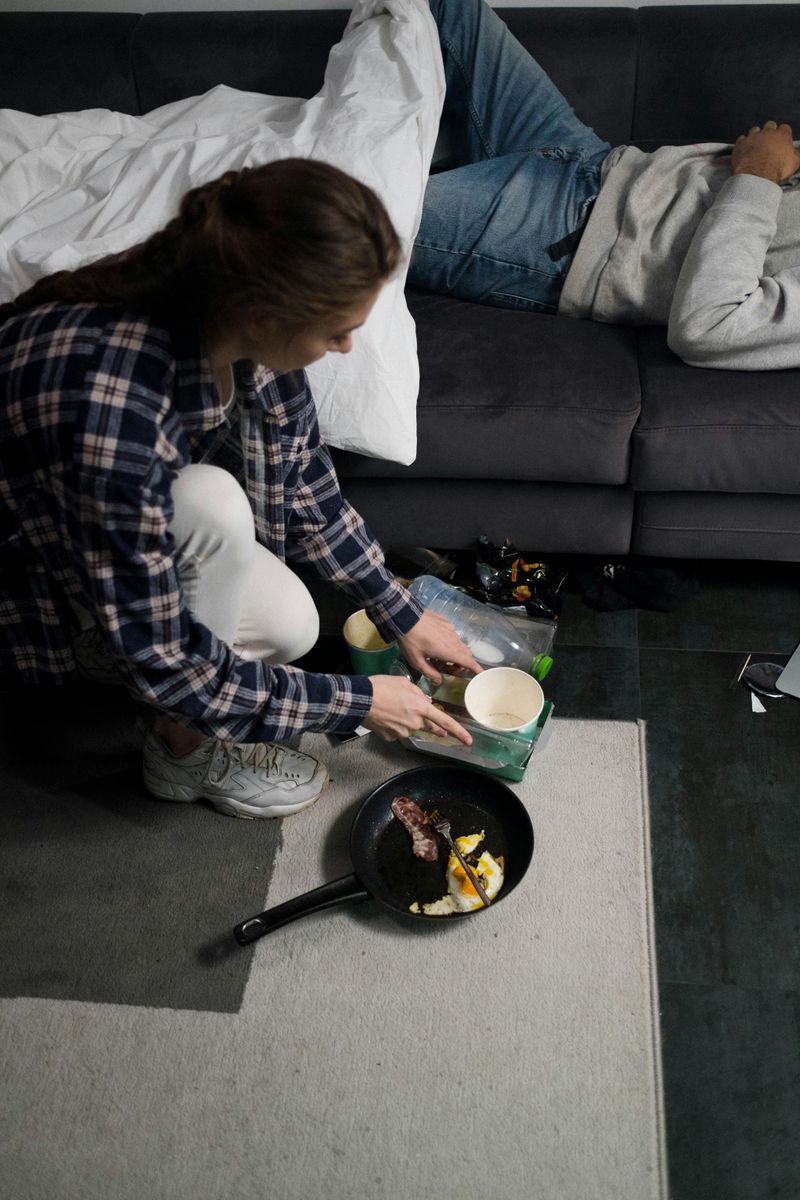
Walking into the kitchen to find their dirty dishes still sitting on the counter—again—and automatically washing them yourself is a telltale sign.
You’ve become the default cleaner, picking up their socks, wiping down surfaces they’ve used, and tidying spaces they’ve left messy.
This behavior reinforces a caretaker role rather than an equal partnership.
Your partner learns they don’t need to be responsible because you’ll handle it.
Start by having an honest conversation about shared household responsibilities.
Stop automatically cleaning up after them and allow them to see the consequences of their own mess.
Shared spaces require shared effort from both adults.
4. You Do All the Cooking and Grocery Shopping

Meal planning, grocery shopping, cooking dinner, and cleaning up afterward all fall on your shoulders.
Your partner rarely contributes to food-related tasks, treating mealtimes like something that magically happens.
When one person handles all food responsibilities, it creates an imbalanced dynamic that mirrors how parents feed their children.
Your partner becomes passive, waiting to be fed rather than participating as an equal adult.
Share the mental load by alternating who plans meals each week or assigning specific cooking nights.
Go grocery shopping together or take turns.
Food preparation should be a shared adult responsibility, not one person’s job to manage alone.
5. You Plan Every Detail of Their Schedule

Do you find yourself booking their dentist appointments, reminding them about work deadlines, or organizing their social calendar?
Managing another adult’s schedule completely removes their independence and ownership of their own time.
This behavior suggests you don’t trust them to handle their own responsibilities.
It also places an unnecessary mental burden on you to track everything for two people.
Adults should manage their own calendars and appointments. If they forget something important, that’s their lesson to learn.
Step back and let them take control of their own schedule.
You can share a family calendar for joint activities without micromanaging their personal commitments.
6. You Monitor Their Health Habits Excessively

Constantly commenting on what your partner eats, how often they exercise, or whether they’re getting enough sleep crosses from caring into controlling.
You find yourself policing their choices like a parent watching a child’s sugar intake.
While concern for their wellbeing is natural, excessive monitoring strips away their autonomy.
Adults have the right to make their own health decisions, even if you disagree with them.
Express your concerns once if you’re genuinely worried, then trust them to manage their own body and health.
Offer to join them in healthy activities rather than criticizing from the sidelines.
Respect their choices even when they differ from yours.
7. You Handle Their Finances Without Collaboration

Taking complete control of budgeting, paying bills, and making money decisions without equal input creates financial dependence.
Your partner may not even know what bills are due or how much money you have saved.
This dynamic puts you in a parental role of managing allowances and financial decisions.
It also prevents your partner from developing financial responsibility and understanding.
Finances should be a team effort with transparent communication.
Schedule regular money meetings to review budgets and goals together.
Both partners should understand the complete financial picture and have equal say in decisions.
Shared responsibility builds trust and partnership, not dependence.
8. You’re Always in Fix-It Mode

The moment your partner mentions a problem, you immediately jump in with solutions, offers to handle it, or step-by-step instructions.
You can’t help yourself from swooping in to rescue them from every challenge or difficulty.
While your intentions are good, constantly fixing their problems prevents them from developing problem-solving skills and confidence.
It sends the message that you don’t believe they’re capable of handling things independently.
Practice active listening without immediately offering solutions.
Ask “What do you think you’ll do?” instead of telling them what to do.
Sometimes people just need to vent, not be rescued.
Trust their ability to navigate challenges.
9. You Feel Constantly Exhausted by the Relationship

The emotional and practical workload feels completely one-sided, leaving you drained rather than energized by your partnership.
You’re carrying the mental load for two people, managing everything while feeling unsupported and unappreciated.
This exhaustion is a major red flag that the relationship dynamic has become unhealthy.
Partnerships should be mutually supportive, not one person doing all the heavy lifting.
Recognize that feeling constantly drained isn’t normal or sustainable.
Have an honest conversation about redistributing responsibilities and expectations.
If your partner resists change, consider couples counseling.
You deserve a relationship where both people contribute equally to the partnership.
Comments
Loading…