
 Mila Ross
Every relationship has its rough patches, but some warning signs are so quiet that couples barely notice them.
These small shifts in behavior or mood can slowly build into bigger problems if left unchecked.
Recognizing these hidden signals early can help partners address issues before they grow, strengthening the bond and keeping communication open.
1. Becoming Snappy or Defensive Over Small Things
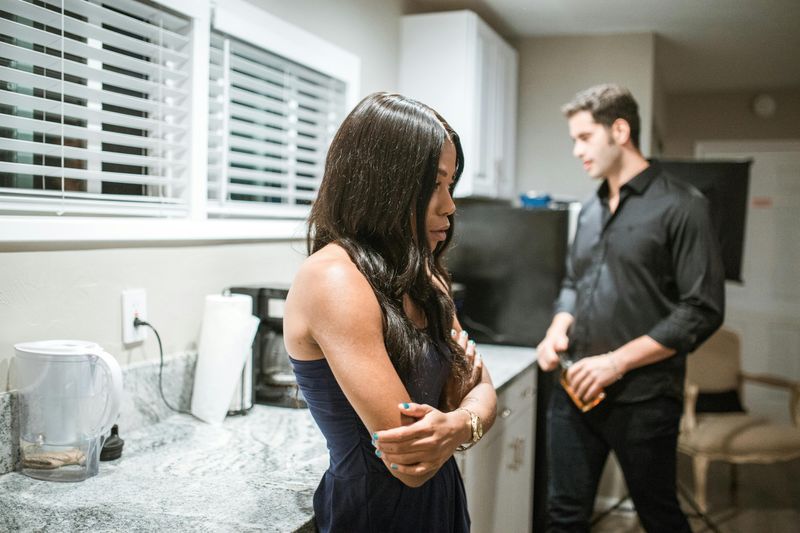
Minor disagreements about chores, tone of voice, or daily routines suddenly feel like major battles.
When someone reacts more strongly than the situation calls for, it usually means deeper frustrations are bubbling beneath the surface.
Snapping over trivial matters is rarely about the dishes or the forgotten errand.
Instead, unresolved feelings from past arguments or unmet needs create a powder keg of emotion.
Each small trigger becomes the match that lights it.
Partners might not even realize why they feel so irritated.
Addressing the root cause through calm, honest conversation can prevent these overreactions from damaging the relationship further.
2. Long Silences or Emotional Withdrawal

Silence can feel peaceful, but not when it replaces genuine connection.
One partner starts giving short answers, avoiding deep conversations, or physically retreating into another room more often than usual.
Emotional withdrawal happens when someone feels unheard or believes talking won’t help.
Rather than risking another argument, they shut down completely.
Unfortunately, this avoidance only widens the gap between partners.
What looks like independence or needing space might actually signal that important issues remain unaddressed.
Encouraging safe, judgment-free dialogue helps break the silence and rebuild emotional closeness over time.
3. Walking on Eggshells Around Each Other

Nobody wants to be the one who starts another fight, so both partners begin choosing words extra carefully.
Conversations feel stiff, like navigating a minefield where one wrong step could trigger an explosion.
This constant caution exhausts both people and prevents authentic communication.
When you can’t speak freely with your partner, resentment builds quietly.
The relationship loses its natural flow and spontaneity.
Walking on eggshells signals that unspoken tension has taken root.
Couples need to create a safe environment where both feel comfortable expressing thoughts and feelings without fear of judgment or conflict escalating unnecessarily.
4. An Uncharacteristic Drop in Physical Intimacy

Hugs become rare. Kisses feel mechanical.
Holding hands stops happening altogether.
Physical affection often mirrors emotional connection, so when touch decreases noticeably, it reflects what’s happening inside the relationship.
Sometimes life gets busy, but a consistent pattern of avoiding closeness points to deeper issues.
Emotional distance creates physical distance, and unresolved conflicts make intimacy feel forced or uncomfortable.
Rekindling physical connection requires addressing emotional barriers first.
Open conversations about feelings, needs, and concerns help partners rediscover the comfort and warmth that once came naturally between them.
5. Disproportionate or Confusing Reactions

Your partner bursts into tears over a misplaced remote or becomes furious about a casual comment that seems harmless.
These reactions feel completely out of proportion to what actually happened.
Strong emotional responses often have little to do with the present moment.
Instead, they stem from accumulated stress, unspoken hurt, or bottled-up feelings that finally overflow.
The trigger is just the final straw.
Rather than dismissing these reactions as overblown, couples should recognize them as red flags.
Creating time to discuss underlying emotions without judgment helps partners understand what’s really bothering each other beneath the surface.
6. Subtle Forgetfulness or Neglect of Shared Responsibilities

One partner repeatedly forgets to pick up groceries, misses important dates, or neglects household tasks they normally handle.
At first glance, it seems like simple forgetfulness or a busy schedule.
However, consistent patterns of neglect often reveal emotional disengagement rather than genuine absent-mindedness.
When someone feels disconnected or resentful, they subconsciously withdraw from shared responsibilities as a form of passive resistance.
Addressing this requires honest discussion about feelings and needs.
Partners must recognize whether forgetfulness stems from genuine overwhelm or signals deeper relationship issues that need attention and resolution together.
7. Body Language That Contradicts Spoken Words

Your partner insists everything is fine, but their crossed arms, tight jaw, and refusal to make eye contact tell a completely different story.
Words say one thing while the body screams another.
Nonverbal cues often reveal what people feel uncomfortable expressing directly.
Closed posture, tense tone, or turning away physically all signal discomfort, hurt, or frustration that hasn’t been verbally acknowledged.
Paying attention to these mismatches helps couples identify hidden tension.
Gently encouraging honest expression by creating a supportive, non-defensive atmosphere allows partners to share what they’re truly feeling instead of hiding behind polite reassurances.
Comments
Loading…