
 Hailey Watson
Keeping certain information private isn’t about being secretive—it’s about staying safe and protecting yourself from potential harm.
In today’s connected world, oversharing can lead to serious problems like identity theft, stalking, or financial loss.
Understanding which personal details to guard closely can make all the difference in maintaining your security and peace of mind.
1. Your Full Home Address
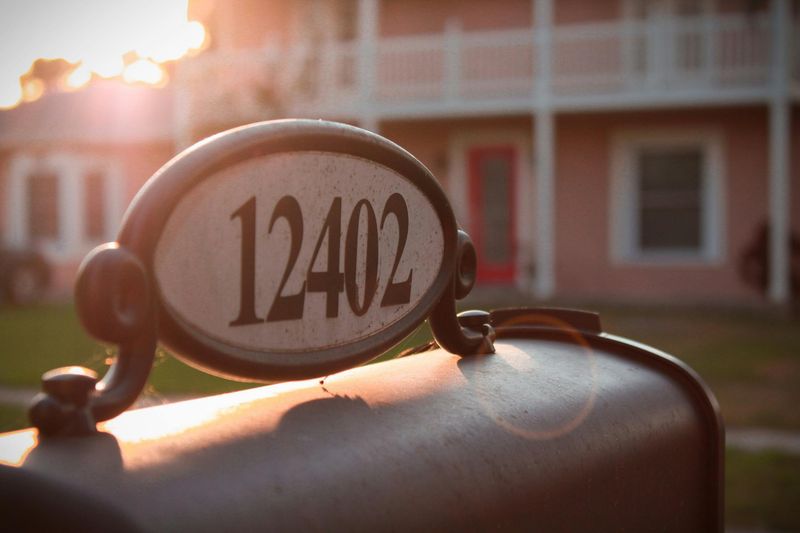
Imagine a stranger knowing exactly where you sleep at night.
Scary, right?
Your home address is like a key to your personal sanctuary, and once it’s out there, you can’t take it back.
Sharing this information on social media or with people you barely know opens doors to unwanted visitors, stalkers, or even burglaries.
Criminals often search online profiles for addresses to target empty homes.
Keep your address off public platforms and only share it with trusted institutions like banks or doctors.
When ordering online, consider using a P.O. box or workplace address instead.
Your home should be your safe space, and protecting its location helps keep it that way.
2. Financial Account Information

Money matters should stay private, period.
Bank account numbers, credit card details, and payment app passwords are goldmines for thieves looking to drain your funds.
Even snapping a quick photo of your new credit card to share excitement can backfire badly.
Scammers use sophisticated tools to zoom in and steal those numbers.
Once they have access, your hard-earned savings could disappear overnight.
Never text or email financial details, even to friends or family.
Legitimate companies will never ask for complete account information through calls or messages.
Set up alerts on your accounts to catch suspicious activity early.
Remember, guarding your financial information protects not just your money, but your future stability too.
3. Passwords and Security Questions
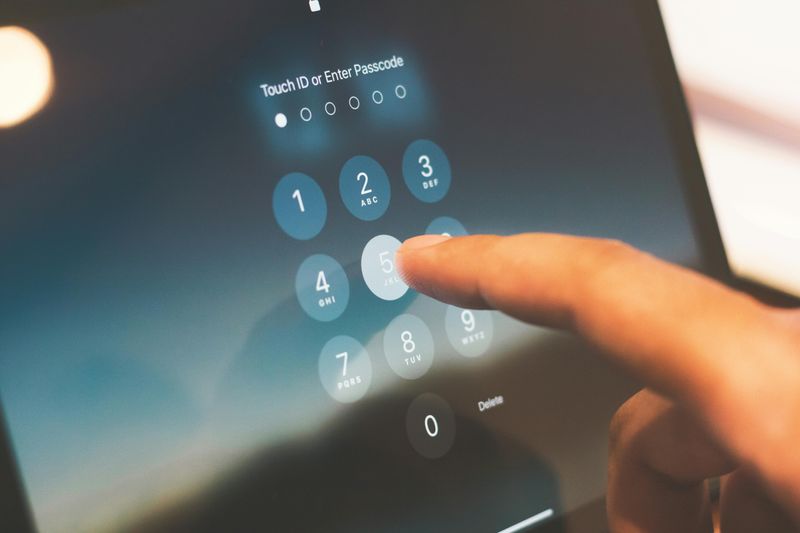
Here’s something wild: sharing passwords with even your best friend can backfire.
Once someone else knows your login credentials, every email, photo, and private message becomes accessible to them.
Friendships change, relationships end, and people sometimes act unpredictably when hurt or angry.
That Instagram password you shared last year could become a weapon during a disagreement.
Security questions like your mother’s maiden name or first pet’s name are equally sensitive.
Hackers use these answers to break into accounts and steal identities.
Use unique passwords for each account and enable two-factor authentication whenever possible.
Consider using a password manager to keep everything secure without memorizing dozens of combinations.
4. Social Security Number

Your Social Security number is basically your identity’s fingerprint.
With just those nine digits, someone could open credit cards, take out loans, or file fake tax returns in your name.
Identity theft victims spend months or even years cleaning up the mess, dealing with debt collectors, and proving they’re actually themselves.
The emotional and financial toll is devastating.
Only provide your Social Security number when absolutely necessary—like for employment, taxes, or opening bank accounts.
Ask why organizations need it and whether alternatives exist.
Never carry your Social Security card in your wallet, and shred documents containing this number before throwing them away.
Protecting these digits protects your entire financial future.
5. Details About Daily Routines

Mentioning you leave for yoga every Tuesday at 6 AM might seem harmless, but it’s actually a security risk.
Burglars love predictable schedules because they know exactly when homes sit empty and vulnerable.
Social media posts about your morning coffee run or evening gym sessions create patterns that strangers can track.
Even casual conversations with acquaintances can reveal too much about when you’re away from home.
Mix up your routines when possible and avoid posting in real-time.
Instead of saying where you are, share experiences after you’ve left.
Use privacy settings to control who sees your posts.
Being vague about your schedule doesn’t make you paranoid—it makes you smart and protected.
6. Relationship Troubles
Venting about your partner’s annoying habits might feel good temporarily, but gossip spreads faster than wildfire.
Before you know it, your private struggles become neighborhood entertainment, and your relationship suffers even more damage.
People love drama, and what you share in confidence often gets twisted and repeated.
Mutual friends might take sides, creating awkward situations that strain multiple relationships.
Instead of broadcasting problems, talk to a licensed therapist or one deeply trusted friend who respects boundaries.
Professional counselors provide guidance without judgment or gossip.
Working through issues privately gives your relationship the best chance to heal without outside interference or embarrassment affecting your decisions.
7. Health Information

Your medical history reveals deeply personal information about your body, mind, and vulnerabilities.
Sharing health details casually can lead to discrimination, judgment, or unwanted advice from unqualified people.
Employers might treat you differently if they learn about chronic conditions, even though it’s illegal.
Acquaintances might spread rumors or make insensitive comments.
Insurance companies could potentially use information against you.
Keep health discussions between you and licensed medical professionals who are legally bound to confidentiality.
If you need support, join anonymous online groups or speak with therapists.
Your body’s story belongs to you alone, and you decide who deserves to know it.
Medical privacy protects both your physical wellbeing and emotional comfort.
8. Vacation Plans
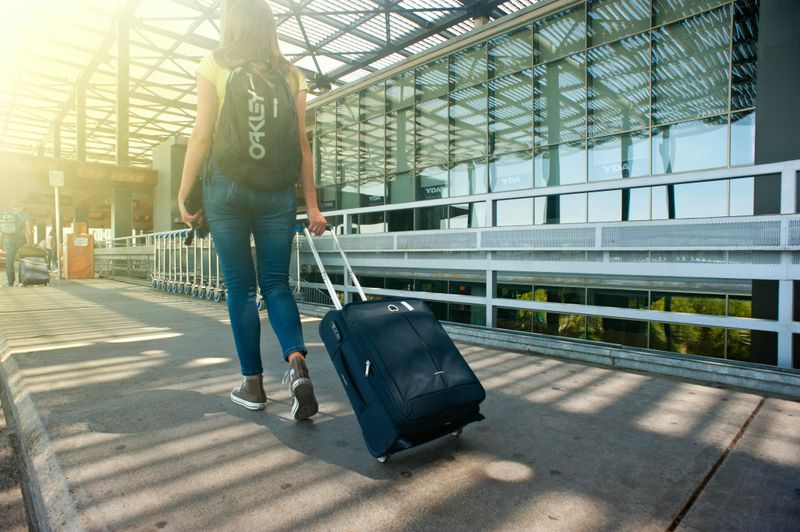
Broadcasting your beach vacation while you’re still sunbathing is basically advertising an empty home to burglars.
Thieves actively monitor social media for vacation announcements, then target those houses for break-ins.
Posting real-time updates about your two-week European adventure tells criminals exactly how long they have to work.
Tagged locations and excited countdowns provide a detailed timeline of your absence.
Wait until you return home to share vacation photos and stories.
Ask trusted neighbors to collect mail and park in your driveway occasionally.
Use timers for lights to create the illusion someone’s home.
Your memories will still be just as amazing when you share them safely after returning.
Protecting your home while traveling protects everything you’ve worked hard to build.
Comments
Loading…