
 Mila Ross
10 Popular Bands From the 2000s That Disappeared From the Scene
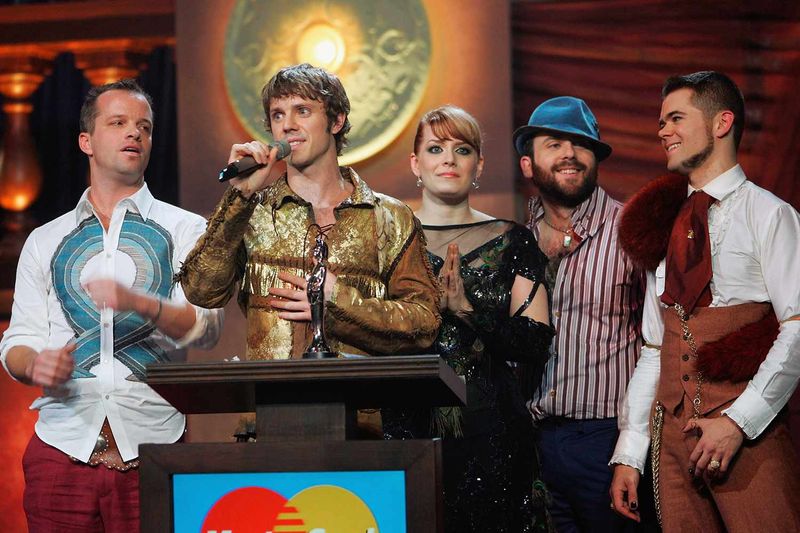
Pop culture moves fast, and the 2000s were basically a conveyor belt for bands that felt unavoidable for a few loud years.
One minute they were on every teen-movie soundtrack and Myspace profile, and the next they were replaced by the next shiny obsession.
Some groups broke up quietly, others went on indefinite hiatus, and a few just stopped releasing music without much explanation.
That doesn’t mean their songs weren’t real anthems, because plenty of them still hit the nostalgia button instantly.
If you were there for the skinny jeans, side-swept bangs, and CD booklets, these names probably trigger a whole mental playlist.
Here are ten once-popular 2000s bands that, for many casual listeners, seemed to disappear from the mainstream altogether.
1. Cobra Starship
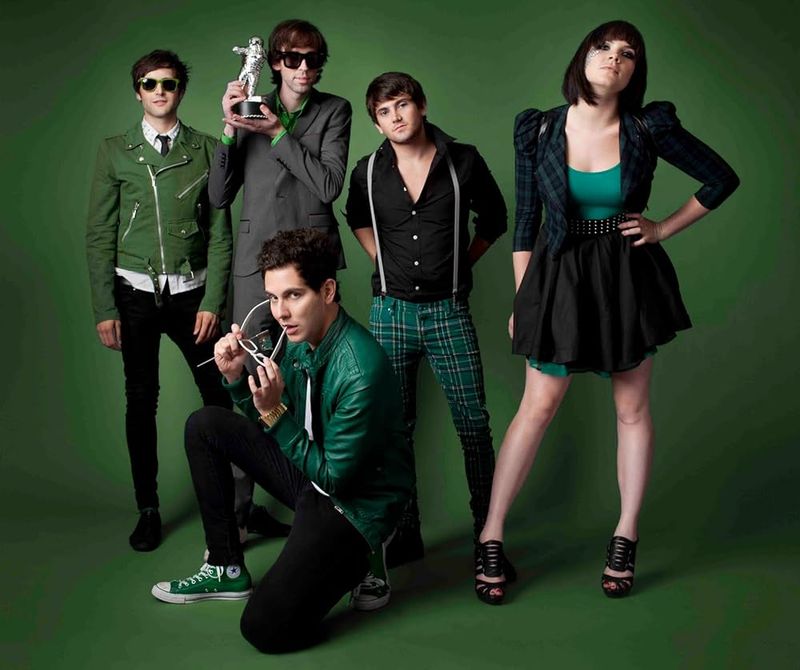
For a stretch, this group soundtracked the exact moment pop-punk started flirting hard with neon-club pop.
They leaned into tongue-in-cheek party energy, turning catchy hooks into something that felt designed for chaotic nights out.
Their best-known tracks had that “everyone knows the chorus” quality, even if you weren’t deep in the scene.
Then the momentum shifted, and the project stopped being a constant presence in the way it once was.
Part of the vanishing act was simply timing, because the radio moved on and the culture stopped centering that sound.
Fans still revisit the music like a time capsule, but the band itself no longer occupies everyday pop conversation.
It’s the kind of legacy where one song can still spark a singalong, yet the name feels strangely distant now.
2. Metro Station
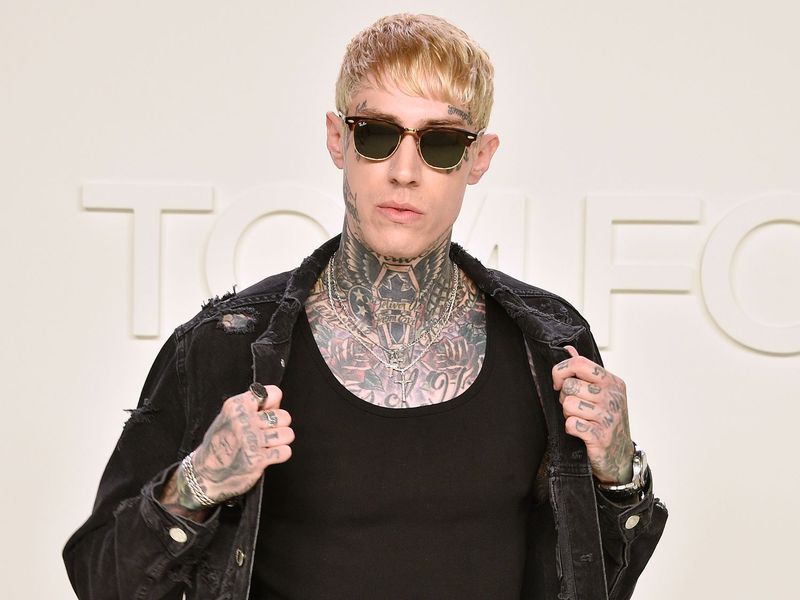
A lot of people remember that one massive hit as the soundtrack to peak mall-core and early social media crushes.
They arrived with glossy, synthy pop-rock that felt custom-built for teen playlists and late-night music channel rotations.
For a moment, it seemed like they were positioned to become a lasting fixture of that era’s radio-friendly alternative wave.
But their story quickly turned into starts and stops, with long quiet periods that broke the band’s cultural momentum.
When a group disappears for years at a time, casual listeners tend to assume it’s over even if it technically isn’t.
The sound still screams 2007 in the most specific way, which is part of why it remains so meme-able today.
Even so, their footprint now lives more in nostalgia edits than in the ongoing mainstream music pipeline.
3. The Academy Is…
Back then, this band sat right in the sweet spot between emo confessionals and polished pop-rock ambition.
They had the kind of choruses that made you feel like you were starring in your own dramatic hallway montage.
Their albums were staples for fans who wanted big feelings without completely losing the catchy, singable center.
Then the group stepped away, and the space they occupied got crowded by newer acts and rapidly changing trends.
Without a steady stream of releases, even beloved names can fade into “remember them?” territory surprisingly fast.
People who were truly into the scene still reference them with reverence, especially when talking about peak mid-2000s tours.
But for everyone else, they’re a reminder of how a band can feel enormous in the moment and then slip from view.
4. The Format
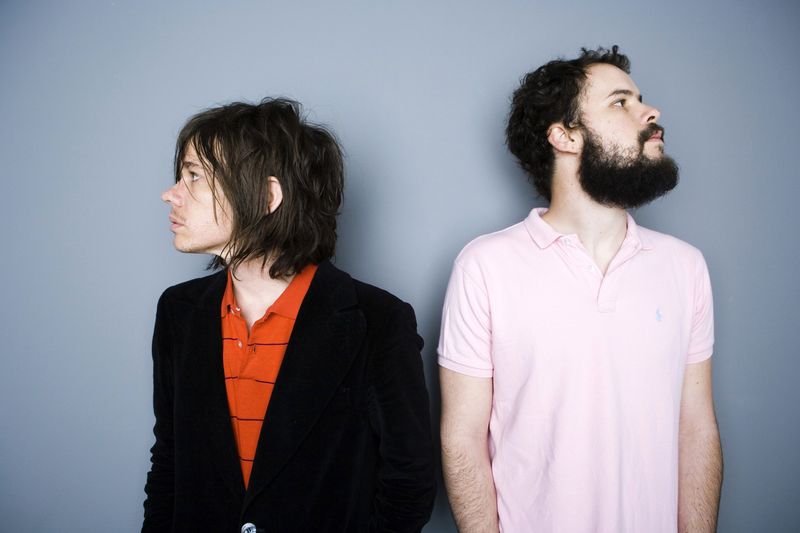
If you were into tender, indie-leaning pop with lyrics that felt like diary entries, this duo probably hit your radar early.
Their songs balanced sweetness and melancholy in a way that made them perfect for mixtapes and late-night headphone listening.
They never needed stadium-level fame to feel influential, because their style quietly shaped what came next for many listeners.
Then they went quiet, and the long gaps made it easy for casual fans to miss the fact they ever existed.
When artists pause for years, the culture tends to file them away as a chapter that already ended.
Even if you can still find their music online, it’s rarely pushed into the algorithm the way newer catalog gets resurfaced.
So they linger as a deep-cut favorite, the kind of band people rediscover and immediately wonder why everyone stopped talking about them.
5. Scissor Sisters

In the 2000s, this act felt like a glitter bomb detonating in the middle of radio playlists that needed more fun.
They mixed dance, rock, and pop theatrics with an unapologetic camp confidence that made performances feel like events.
For a while, it seemed like they were everywhere you’d go if you wanted a night to feel bigger and brighter.
But pop trends shifted, and the kind of flamboyant, full-band dance-pop they mastered stopped being the default flavor.
Long breaks and scattered activity can make even iconic groups feel like they evaporated from the everyday feed.
People still pull up the hits when they want instant serotonin, because the hooks haven’t lost their sparkle.
Yet in terms of current mainstream visibility, they often get remembered as a moment rather than treated like an ongoing force.
6. Hot Hot Heat
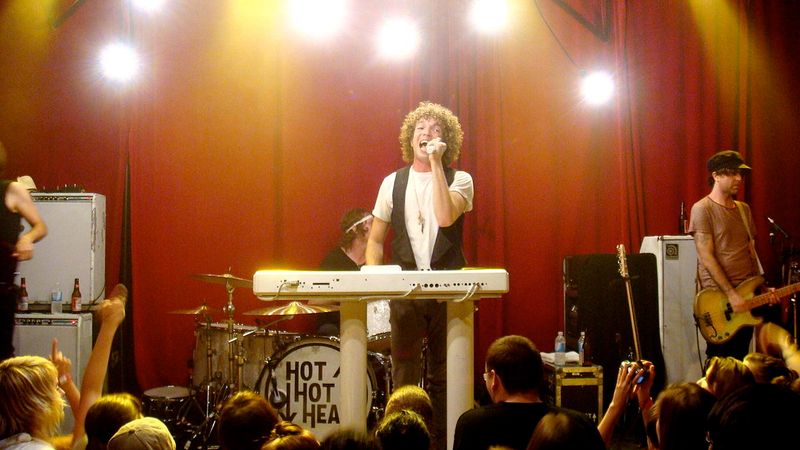
The 2000s loved brisk, bouncy indie rock, and this band delivered it with the kind of restless energy that stuck.
They had songs that sounded like movement, the perfect soundtrack for driving too fast with the windows down.
For a while, they were a dependable name on playlists for anyone who liked catchy guitars without heavy angst.
Then the releases became less frequent, and the band’s presence faded as new waves of alternative took over.
It’s not that the music stopped being good, it’s that the cultural spotlight rarely lingers on one sound for long.
When a group enters a farewell era or simply goes quiet, the public tends to treat it like a clean ending.
Now they’re remembered more as a key chapter of that indie boom than as a band people actively track in real time.
7. The Bravery
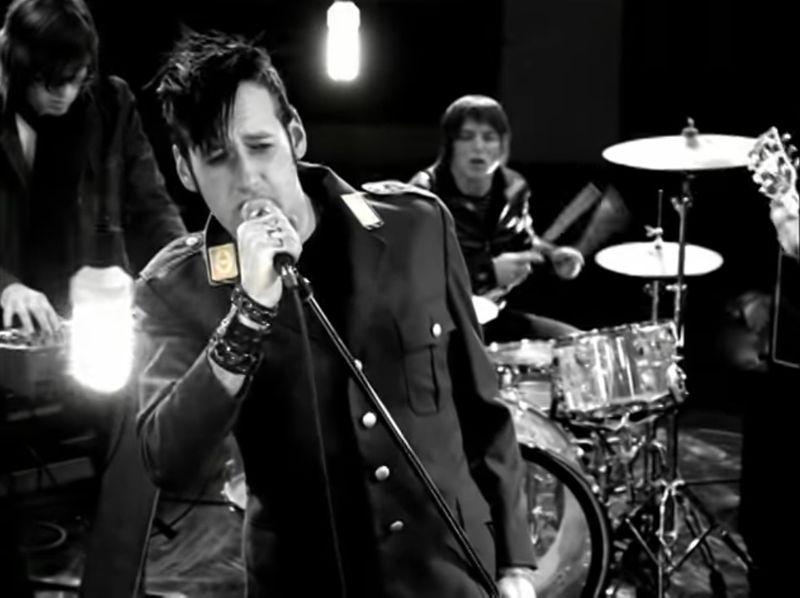
There was a moment when this band seemed poised to become one of the decade’s defining indie rock names.
Their sound fit perfectly into the post-punk revival lane, with sharp rhythms and big choruses that played well live.
They benefited from an era when rock bands could still feel like the center of pop culture rather than a niche corner.
But the mainstream’s attention drifted, and the gaps between releases made it harder to maintain that early momentum.
Once the hype cycle moves on, even solid bands can get labeled as “from that time” instead of “still happening.”
Fans who stayed loyal can trace the catalog and the later years, but casual listeners mostly remember the initial splash.
Today they sit in that category of bands you recognize instantly, yet rarely see mentioned unless someone is revisiting 2000s playlists.
8. The Donnas

This band brought loud, confident rock energy at a time when pop culture didn’t always make space for it.
They had a punchy, no-apologies vibe that felt like a throwback and a rebellion at the same time.
For many listeners, their songs were the kind you blasted to feel braver, cooler, and slightly more unbothered.
But rock radio and mainstream attention shifted, and that lane stopped being a place where bands could easily stay visible.
Without constant touring headlines or fresh releases, it’s easy for the wider audience to assume a band simply vanished.
Their influence still pops up in conversations about women-led rock in that era, even if the name isn’t constantly trending.
They remain a great example of how a band can be iconic for a certain crowd while still slipping out of the mass spotlight.
9. Fountains of Wayne
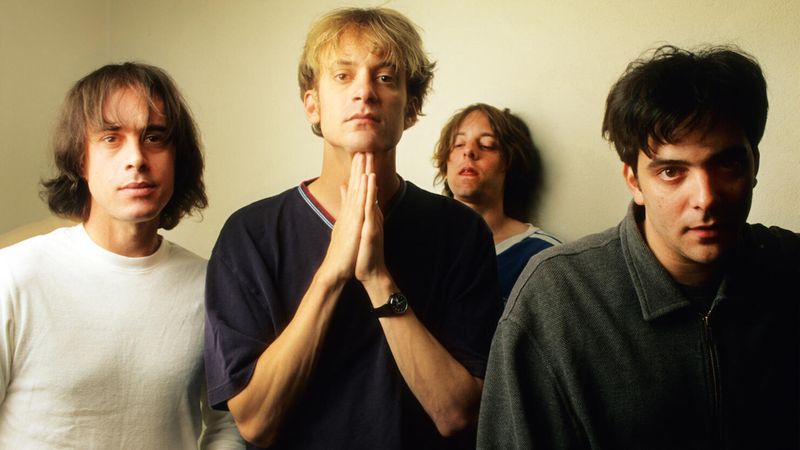
For a lot of people, their biggest hit became one of those songs you couldn’t escape, even if you tried.
They had a gift for turning everyday stories into power-pop earworms that sounded effortless and smart at the same time.
Beyond the famous single, the deeper catalog carried that same witty, observational charm that made fans swear they were underrated.
But after the peak years, the band’s activity slowed, and the public’s attention moved to newer names and newer sounds.
When a group isn’t constantly releasing or touring, the wider culture tends to compress them into one memorable song.
That’s a shame, because they were more than a punchline or a novelty chorus from the radio’s glory days.
Now they’re often treated as a nostalgic reference point, even though the songwriting still holds up far better than people expect.
10. The White Stripes

For a while, this duo’s raw, stripped-down sound felt like a reset button for rock in the 2000s.
They made fuzzed-out riffs and stomping drum patterns feel massive, even when the setup was famously minimal.
Their songs turned into cultural landmarks, showing up everywhere from sports arenas to movie trailers to guitar-store demos.
Then the project ended, and what once felt like an unstoppable machine became a closed chapter almost overnight.
Because the band stopped existing as a unit, the mainstream naturally shifted to treating them as history instead of current news.
The music still circulates constantly, but it’s often credited more to the mythology than to an active, living band identity.
That’s how a name can feel both eternal and “gone,” because the songs stay famous while the group itself stays in the past.
Comments
Loading…