
 Mary Murphy
12 Popular TV Shows That Should’ve Ended After Season One
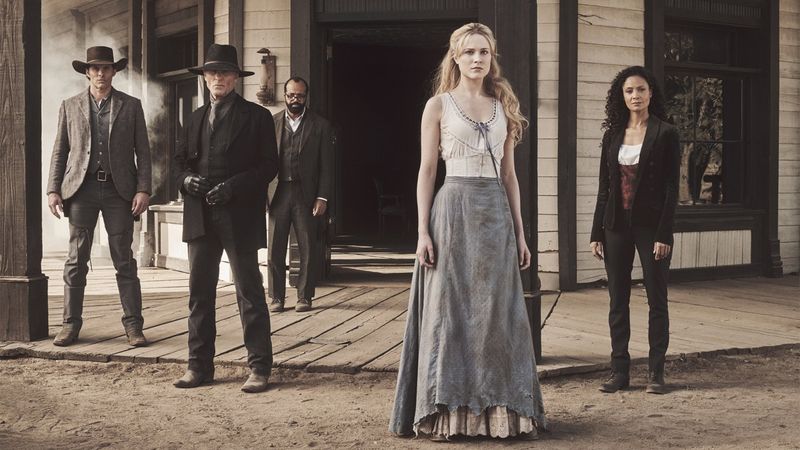
Television shows have a tough job: they need to hook viewers, tell compelling stories, and know when to bow out gracefully.
Unfortunately, not every series gets that timing right.
Some shows deliver an incredible first season that wraps up beautifully, only to stumble through additional seasons that feel forced or uninspired.
Here are 12 popular TV shows that probably should have called it quits after their debut year.
1. Altered Carbon (2018–2020)
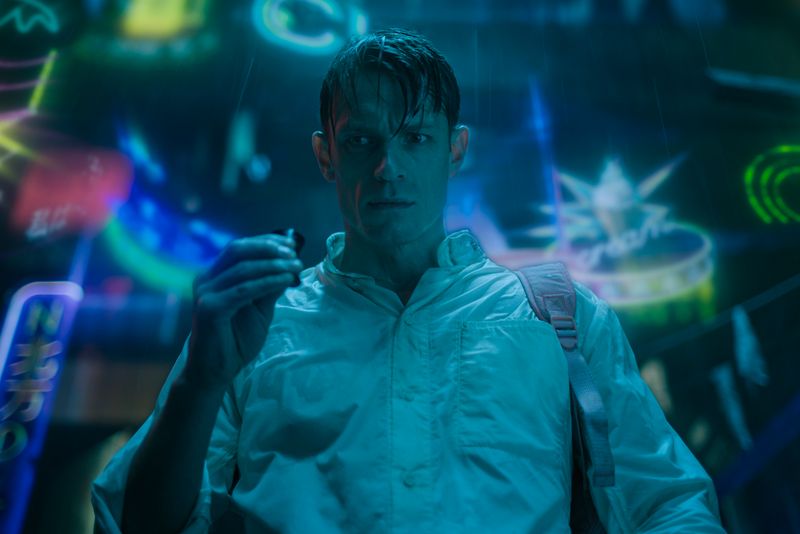
Stepping into a futuristic world where consciousness can transfer between bodies, the first season of this cyberpunk thriller delivered stunning visuals and a gripping mystery.
Joel Kinnaman brought intensity to the lead role, navigating a complex murder investigation that kept audiences guessing.
When Season 2 arrived with a new lead actor and shifted focus, the magic faded.
The intricate world-building that made the debut so captivating felt hollow in later episodes.
Many fans felt the original story arc had reached its natural conclusion, making continuation feel unnecessary and less engaging than the groundbreaking first chapter.
2. Riverdale (2017–2023)
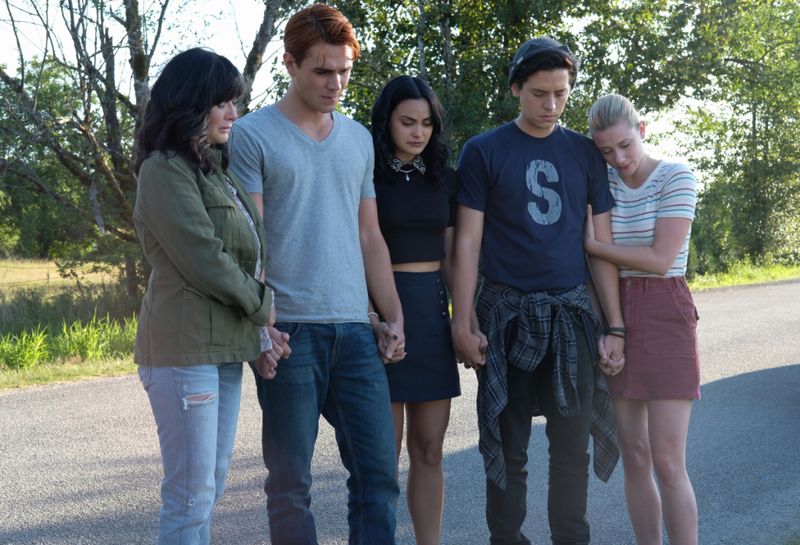
Archie Comics got a dark makeover when this teen mystery series premiered with murder, secrets, and stylish cinematography.
The first season balanced drama with intrigue, creating a noir atmosphere that felt fresh and exciting for the genre.
As seasons piled up, the show spiraled into increasingly bizarre territory.
Musical episodes, supernatural cults, and time jumps turned what started as grounded teen drama into something almost unrecognizable.
The tonal shifts became jarring, and the original charm disappeared beneath layers of absurdity.
Critics and longtime viewers agreed the show lost its way, turning from must-watch television into a confusing mess that strayed too far from its promising beginning.
3. Westworld (2016–2022)
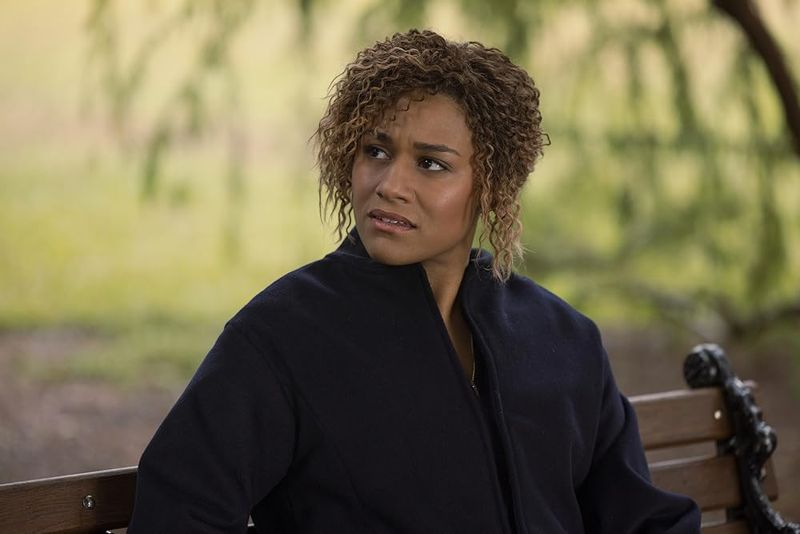
Few debut seasons have matched the brilliance of this sci-fi western that questioned consciousness, morality, and free will.
The twists landed perfectly, the performances mesmerized, and every episode felt meticulously crafted.
Viewers couldn’t stop theorizing about the mysteries hidden in every scene.
Later seasons grew increasingly complicated, with timelines and storylines that confused rather than intrigued.
The philosophical depth that made Season 1 special got buried under convoluted plotting.
While still visually stunning, the show struggled to recapture that initial spark.
Many fans wished the creators had told their complete story in one perfect season rather than stretching it thin across multiple years.
4. Killing Eve (2018–2022)
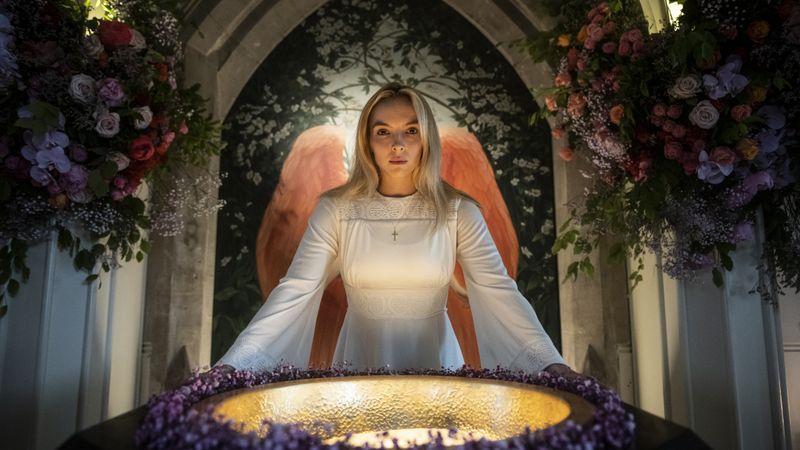
Electric chemistry between an obsessed intelligence agent and a charismatic assassin made the first season utterly addictive.
Sandra Oh and Jodie Comer delivered career-defining performances, creating a cat-and-mouse game that felt dangerous and thrilling.
The writing crackled with wit and unpredictability.
Subsequent seasons diluted that special dynamic, cycling through different showrunners who each brought varying visions.
Character motivations became muddy, and the sharp focus of the debut gave way to meandering plots.
The finale disappointed many devoted fans who had stuck around hoping for a return to form.
That first season told a complete, satisfying story that probably didn’t need expansion beyond its original brilliance.
5. Your Honor (2020–2023)
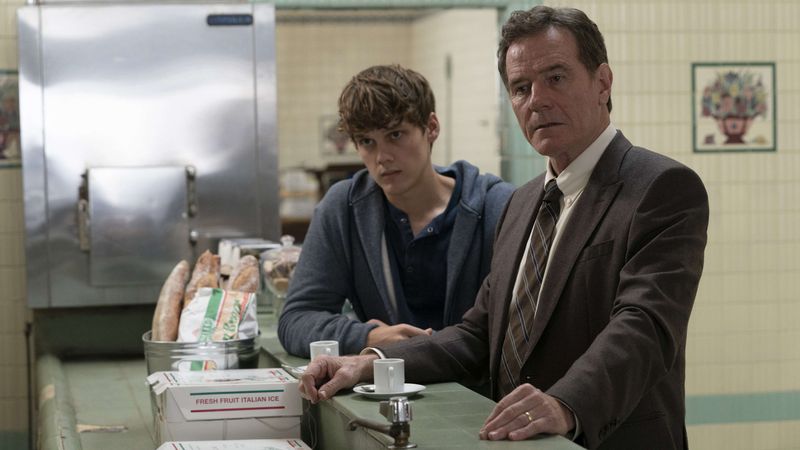
Bryan Cranston portrayed a judge whose world crumbles when his son commits a hit-and-run, forcing impossible moral choices.
That premise fueled ten episodes of nail-biting tension, exploring how far a parent will go to protect their child.
The season wrapped with emotional devastation that felt complete.
Extending the story into a second season meant manufacturing new crises that felt less organic and more contrived.
The tight, focused storytelling that made the original so compelling got stretched too thin.
Viewers who appreciated the self-contained tragedy found the continuation repetitive and implausible.
Sometimes a powerful story deserves to end when its natural conclusion arrives, leaving lasting impact rather than overstaying its welcome.
6. True Detective (2014–present)
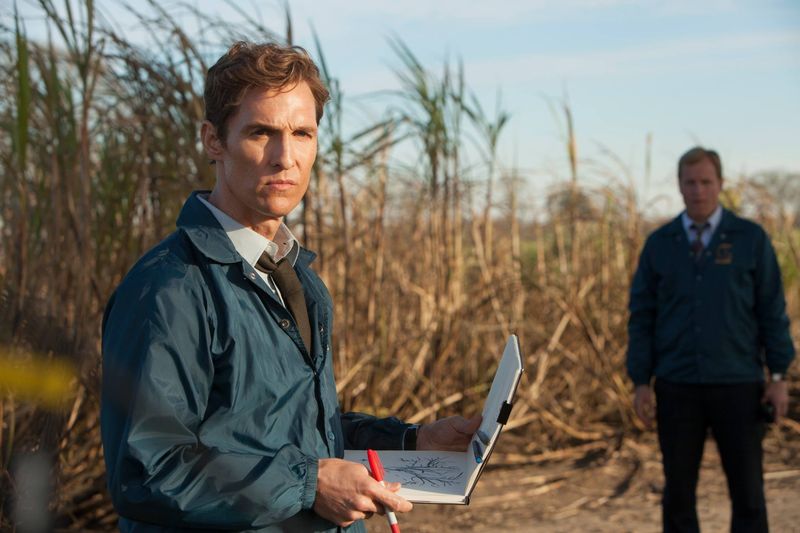
Louisiana swamps, philosophical monologues, and Matthew McConaughey’s haunting performance created television gold in this anthology’s debut.
The slow-burn investigation into ritualistic murders kept audiences hooked for eight perfect episodes.
The atmosphere felt thick enough to touch, and the character work was extraordinary.
While technically an anthology with different stories each season, nothing has matched that first chapter’s cultural impact.
Season 2 confused viewers with overstuffed plotting, and later installments, though improved, still lived in the shadow of what came before.
That original story stands alone as a masterpiece, making viewers wonder if the True Detective name should have retired after setting such an impossibly high bar.
7. Euphoria (2019–present)
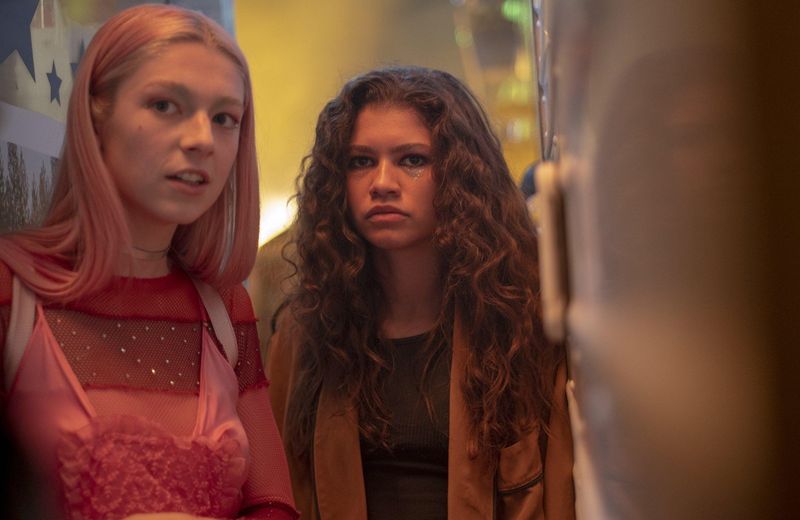
Raw, unflinching, and visually stunning, the first season tackled teen struggles with addiction, identity, and trauma in ways that felt revolutionary.
Zendaya delivered an Emmy-winning performance that showcased her dramatic range.
The show sparked important conversations while maintaining artistic integrity.
Season 2 arrived after long delays and divided the fanbase with messier storytelling and increasingly controversial character decisions.
The careful balance between style and substance tipped too far toward spectacle.
Some viewers felt the show lost sight of what made it special, prioritizing shock value over the emotional authenticity that defined its breakthrough year.
That debut season could have stood alone as a powerful, complete statement about modern adolescence.
8. Glee (2009–2015)
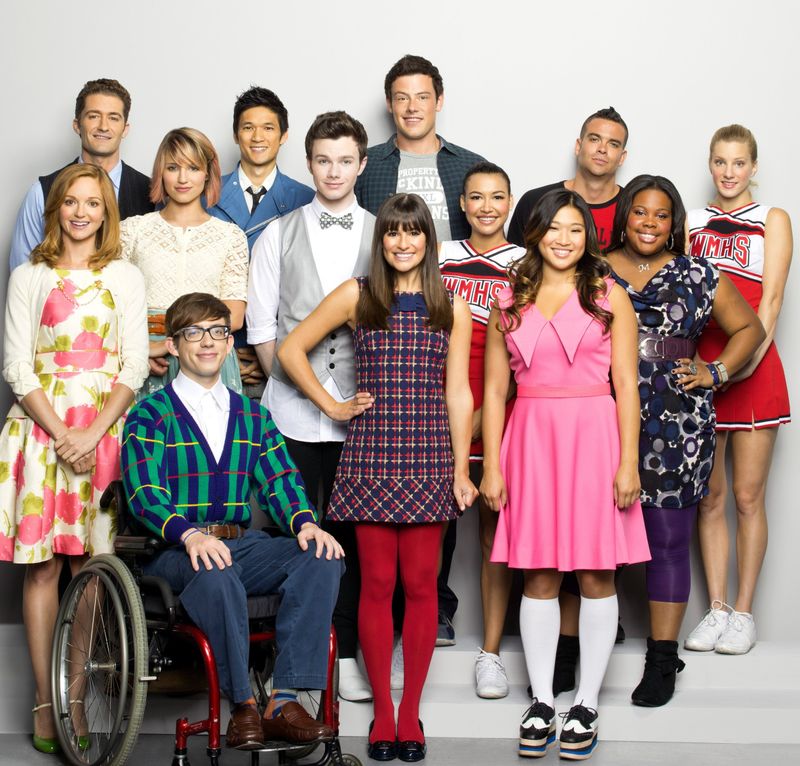
High school misfits finding their voices through show choir made for heartwarming, funny, and surprisingly moving television in Year One.
The musical numbers felt purposeful, the characters charmed viewers, and the underdog story resonated.
It captured lightning in a bottle with its fresh approach to the musical format.
Six seasons later, the show had lost its way entirely.
Cast bloat, repetitive storylines, and an overreliance on celebrity cameos replaced the original charm and heart.
The focus shifted from character development to spectacle, leaving longtime fans nostalgic for the simpler, more genuine first season.
That initial year told a complete story about finding yourself and your people that didn’t require years of increasingly scattered continuation.
9. 13 Reasons Why (2017–2020)
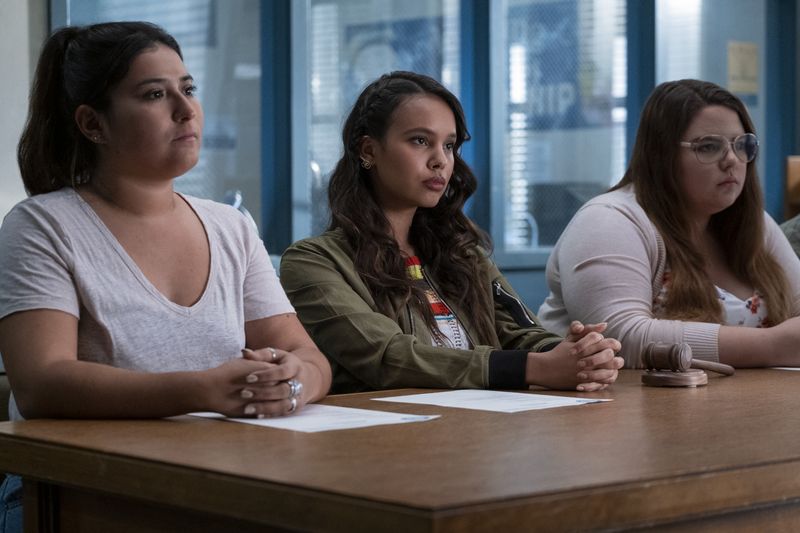
Based on a beloved novel, the first season told a complete, devastating story about a teen’s suicide and the circumstances leading to her decision.
It sparked crucial conversations about mental health, bullying, and accountability.
The mystery structure kept viewers engaged while delivering an important message.
Three additional seasons felt like unnecessary extensions of a story that had reached its natural, powerful conclusion.
The show became increasingly melodramatic, piling on traumas that felt exploitative rather than meaningful.
Critics worried the later seasons glorified suffering instead of promoting understanding.
That original thirteen-episode arc honored the source material and could have left a stronger legacy by ending when the story was complete rather than stretching it beyond recognition.
10. Heroes (2006–2010)
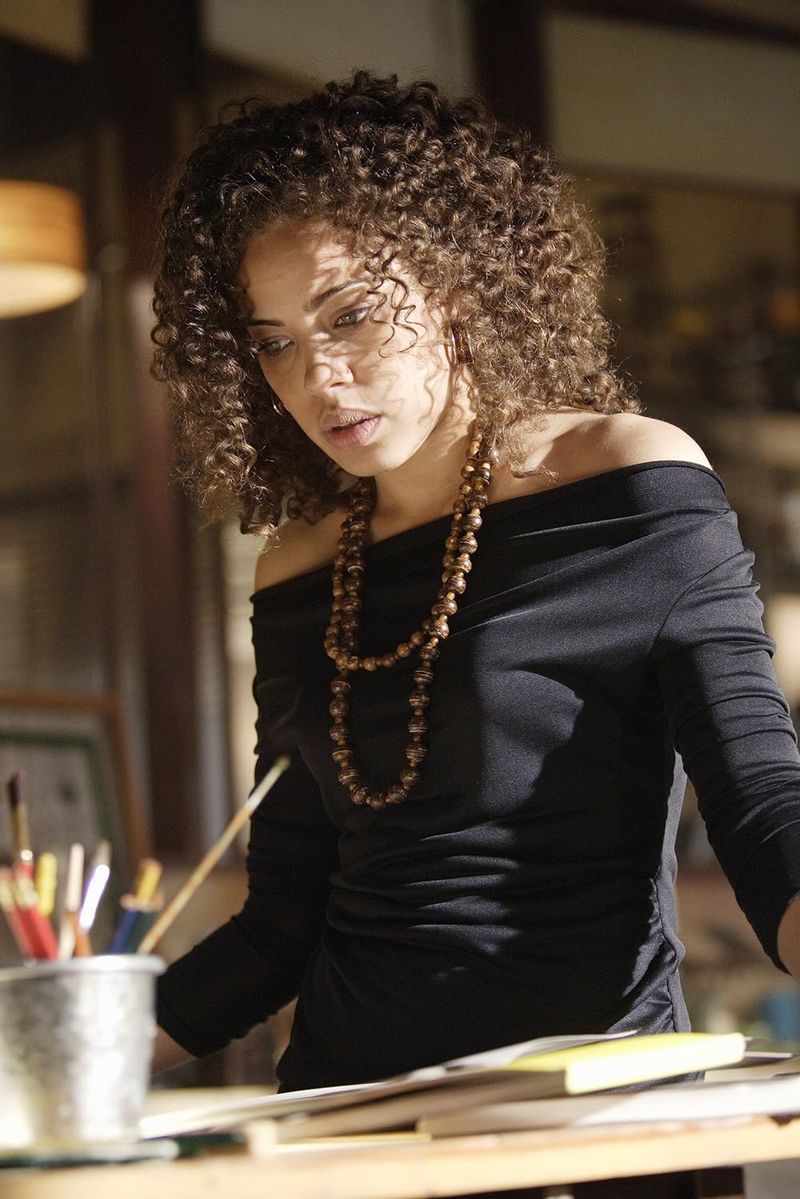
Ordinary people discovering extraordinary abilities created one of the most exciting television events of the 2000s.
The mystery of how these characters connected kept viewers theorizing between episodes.
The tagline Save the cheerleader, save the world became part of pop culture, and the season built to a satisfying climax.
A writers’ strike and creative missteps derailed later seasons, scattering storylines and losing narrative focus.
Characters who had been compelling became frustrating, and the mythology grew muddled.
The show never recaptured the excitement and coherence of its debut year.
Fans still look back fondly on that first season while wishing the series had ended on a high note instead of limping through disappointing subsequent chapters.
11. Lost (2004–2010)
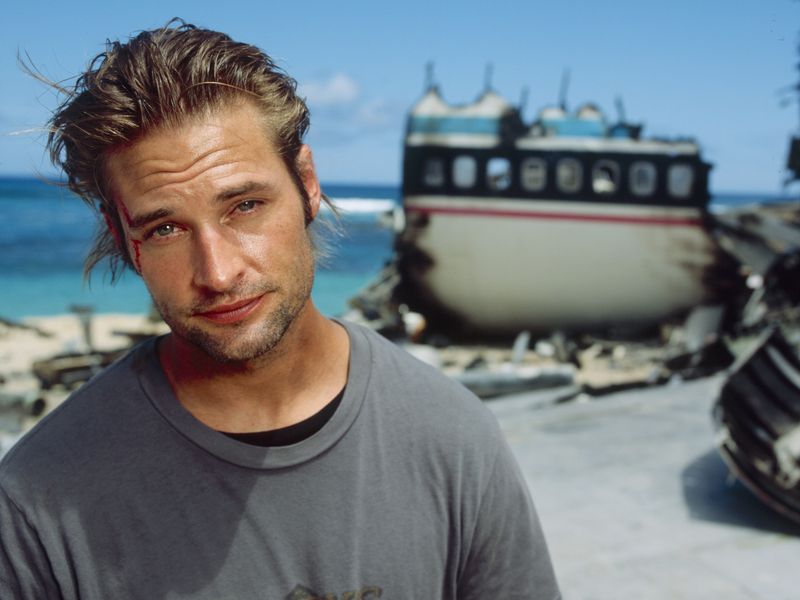
Plane crash survivors on a mysterious island faced polar bears, strange numbers, and a smoke monster in one of television’s most captivating debuts.
The ensemble cast created compelling dynamics, and every episode raised new questions.
It became a cultural phenomenon that had everyone talking around the water cooler.
Six seasons of increasingly complex mythology left many viewers frustrated rather than satisfied.
The finale divided audiences, with some feeling the mysteries never received proper answers.
While the journey entertained millions, the destination disappointed enough fans that the show’s legacy remains complicated.
That first season worked as a survival thriller with supernatural elements that could have concluded without requiring years of convoluted explanations and polarizing twists.
12. Marvel’s Daredevil (2015–2018)
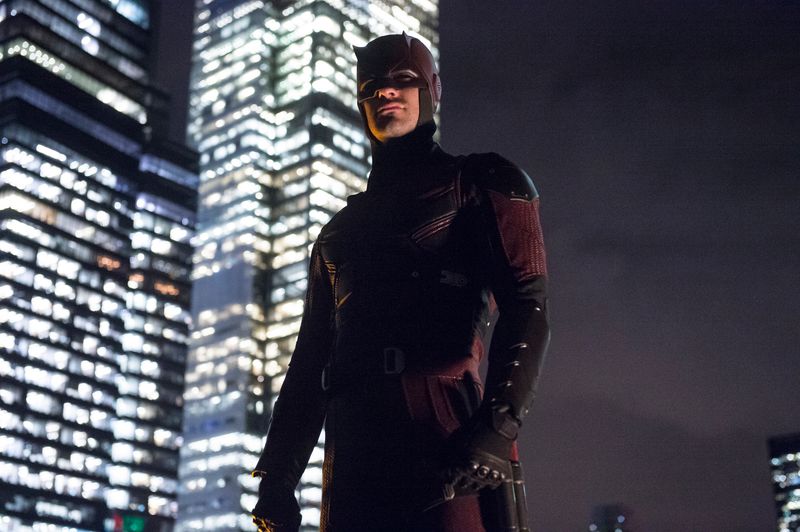
Netflix and Marvel teamed up to deliver a gritty, grounded superhero story that felt refreshingly different from typical comic book adaptations.
Charlie Cox embodied the blind lawyer-vigilante perfectly, and Vincent D’Onofrio’s Kingpin became one of Marvel’s most compelling villains.
The hallway fight scene alone earned legendary status among fans.
While Season 2 had moments of brilliance, it struggled with balancing multiple storylines and never quite matched the tight focus of the debut.
Season 3 improved but couldn’t fully recapture that original magic.
The first season told a complete origin story with a clear beginning, middle, and end that could have stood alone as a perfect piece of superhero storytelling without requiring continuation.
Comments
Loading…