
 Mila Ross
18 Legendary Movies That Should’ve Won the Oscar for Best Picture
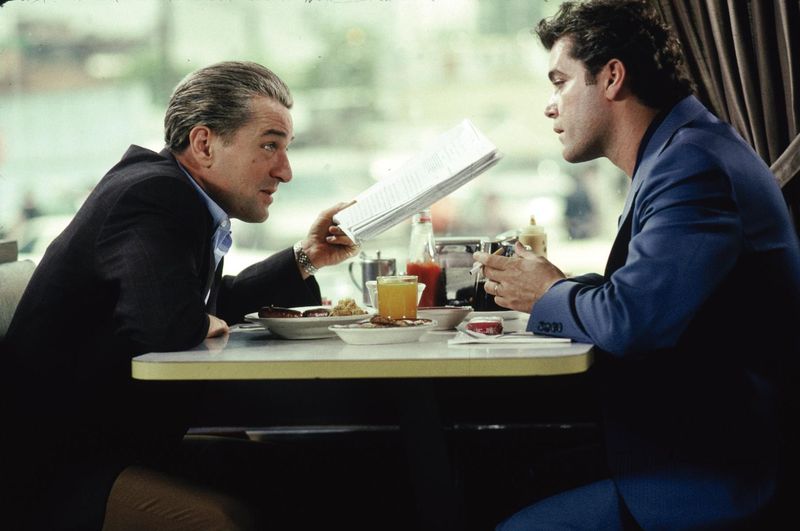
The Academy Awards have honored some of cinema’s finest achievements, but not every decision has aged gracefully.
Over the decades, voters have occasionally favored safer, more conventional choices over groundbreaking masterpieces that would go on to define their eras.
Looking back, many films that lost—or weren’t even nominated—now stand as towering classics that reshaped how we think about storytelling, style, and the power of film itself.
1. Taxi Driver (1976)
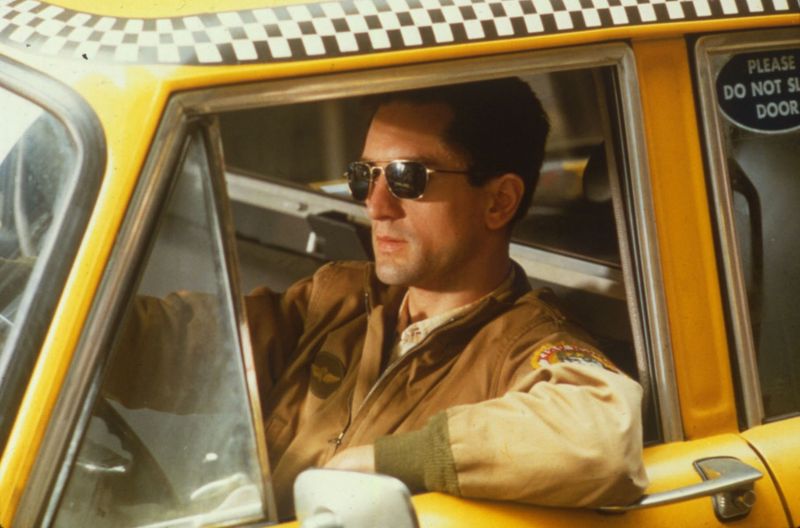
Martin Scorsese crafted something truly unsettling with this portrait of Travis Bickle, a Vietnam veteran spiraling through loneliness and rage in the grimy heart of 1970s New York.
Robert De Niro’s magnetic performance anchored a film that felt dangerous, raw, and brutally honest about urban alienation.
The Academy, however, chose the feel-good underdog story of Rocky instead.
Decades later, Taxi Driver remains one of American cinema’s defining works, studied endlessly for its visual style, Bernard Herrmann’s haunting score, and its unflinching look at violence and isolation.
Rocky is beloved, but Scorsese’s vision changed what cinema could express about darkness within.
2. Apocalypse Now (1979)
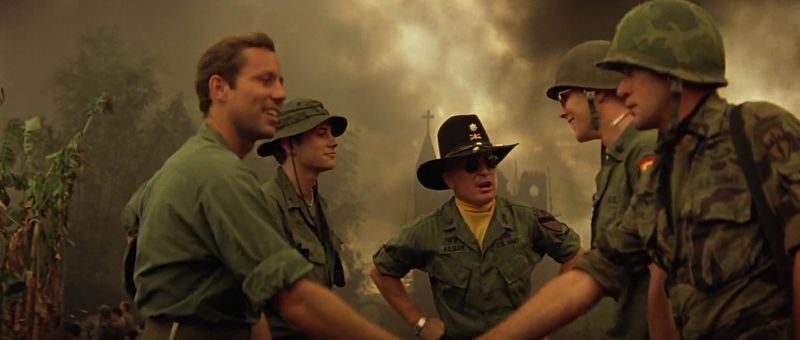
Apocalypse Now pushed boundaries of storytelling, sound design, and visual ambition in ways that redefined war cinema.
Francis Ford Coppola nearly lost his mind—and his fortune—making this hallucinatory journey into the heart of the Vietnam War.
The production became legendary for its chaos, mirroring the madness depicted onscreen as Captain Willard traveled upriver to confront the rogue Colonel Kurtz.
Despite eight Oscar nominations, it lost Best Picture to Kramer vs. Kramer, a more conventional domestic drama.
Looking back, the Academy’s choice feels timid.
This movie’s influence echoes through decades of filmmaking, while its loss remains one of Oscar’s more conservative missteps.
3. Raging Bull (1980)
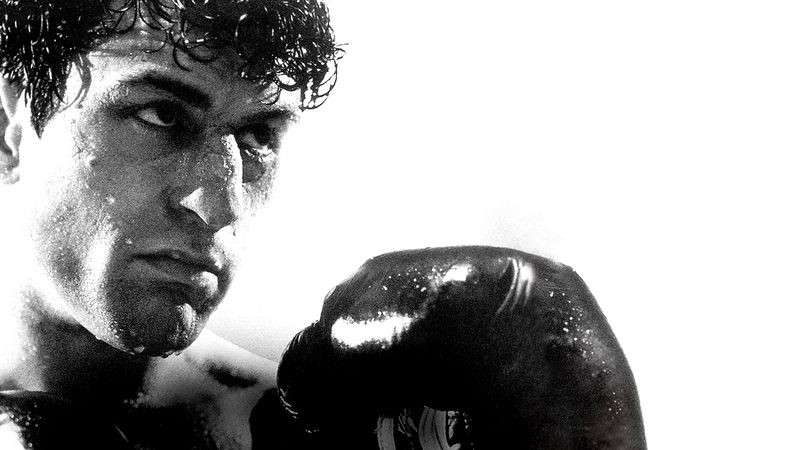
Scorsese returned with a brutal, intimate study of self-destruction disguised as a boxing film.
Shot in stark black-and-white, Raging Bull followed Jake LaMotta’s violent rise and tragic fall with unflinching honesty.
De Niro’s transformative performance—gaining sixty pounds for later scenes—became the stuff of acting legend.
Yet the Academy awarded Best Picture to Ordinary People, a quieter family drama that hasn’t maintained the same cultural resonance.
Today, Raging Bull consistently appears on greatest-films-ever lists, praised for its visceral fight choreography, emotional rawness, and Scorsese’s mastery.
The loss stands as one of Oscar’s most infamous misjudgments in hindsight.
4. Do the Right Thing (1989)
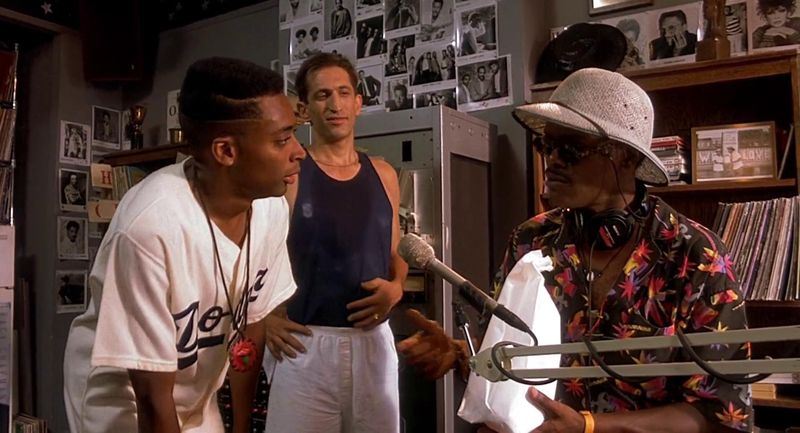
Spike Lee’s incendiary examination of race, community, and injustice unfolded over one sweltering Brooklyn day, building toward an explosive climax that forced America to confront uncomfortable truths.
The film’s cultural importance was immediately apparent, sparking fierce debates about violence, justice, and systemic racism that remain relevant today.
Shockingly, the Academy didn’t even nominate it for Best Picture, while Driving Miss Daisy—a gentler, more palatable take on race relations—won the top prize.
That decision has aged poorly, with critics and historians now viewing it as a glaring example of the Academy’s tendency to reward comfort over confrontation and vital artistic expression.
5. Goodfellas (1990)
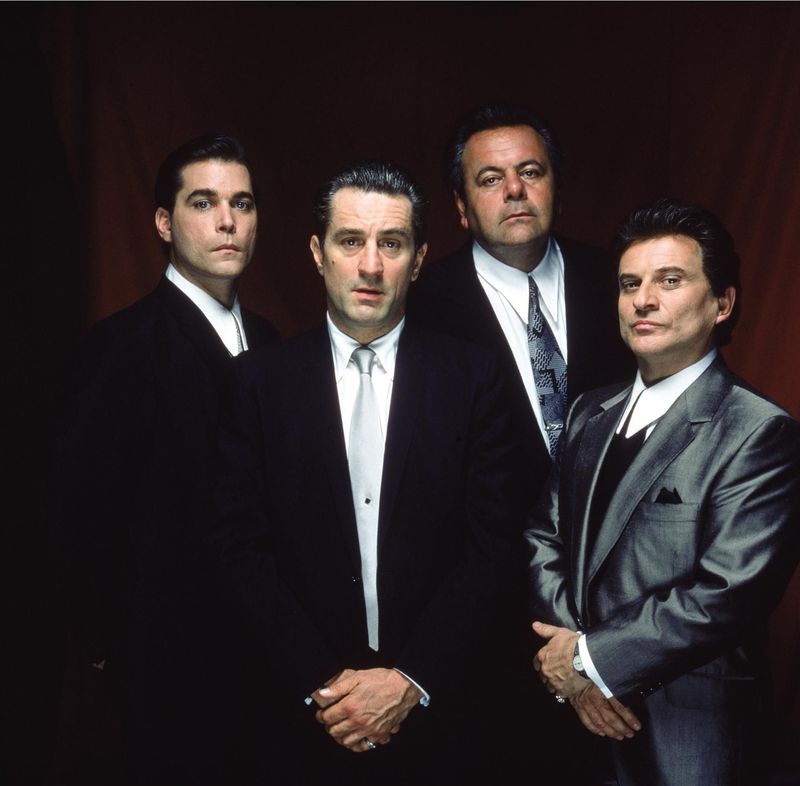
The ensemble cast—De Niro, Joe Pesci, Ray Liotta—delivered career-defining performances in a film that redefined the gangster genre.
Scorsese’s kinetic masterpiece took viewers inside the seductive, dangerous world of organized crime with unprecedented energy and style.
From the iconic Copacabana tracking shot to the paranoid cocaine-fueled finale, every frame crackled with life.
Goodfellas seemed destined for Oscar glory, but the Academy instead chose Kevin Costner’s three-hour western Dances with Wolves.
While Costner’s film had sweep and ambition, Scorsese’s crime saga has proven endlessly rewatchable and influential, cementing its place as the superior artistic achievement that deserved recognition.
6. The Shawshank Redemption (1994)
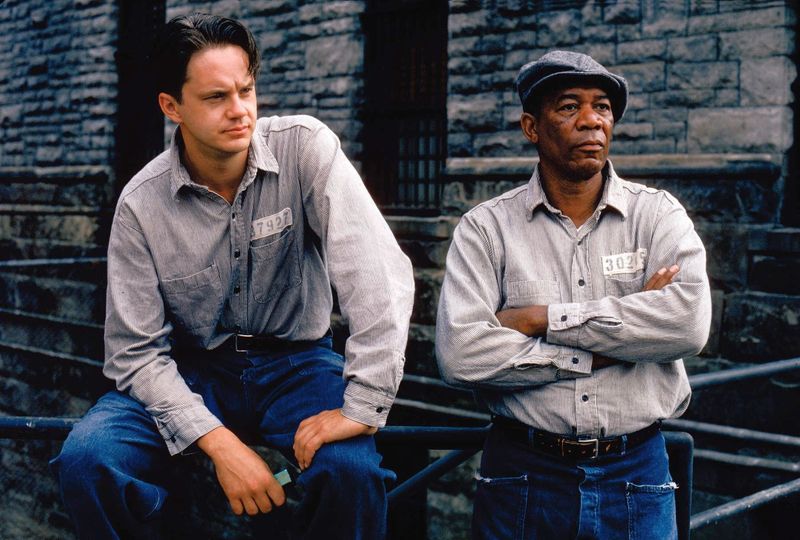
Frank Darabont adapted Stephen King’s novella into a quietly powerful story about hope, friendship, and redemption behind prison walls.
Tim Robbins and Morgan Freeman formed one of cinema’s most memorable duos, anchoring a film that built slowly toward an emotionally satisfying conclusion.
Upon release, it earned strong reviews but modest box office returns.
It lost Best Picture to Forrest Gump, then seemed headed for obscurity. Instead, home video and cable television transformed it into a phenomenon.
Today, it consistently ranks as one of the most beloved films ever made on audience polls and rating sites, proving the Academy completely missed its lasting emotional power and universal appeal.
7. Pulp Fiction (1994)
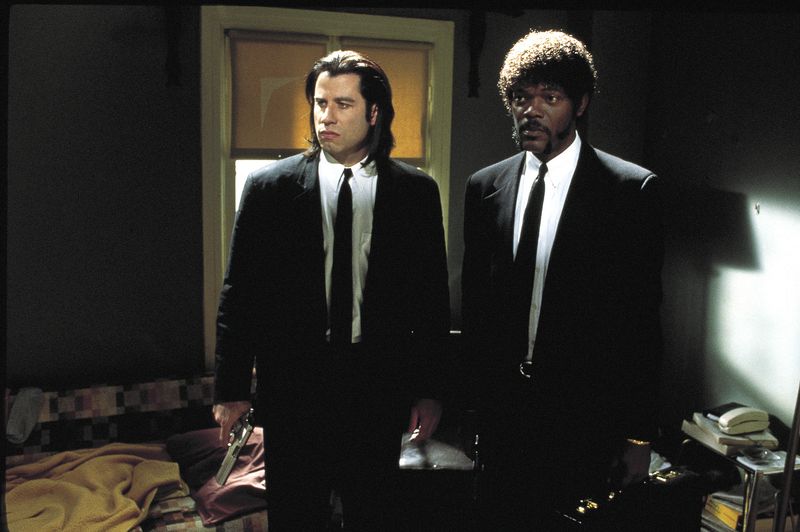
Another notable mention from 1994, Quentin Tarantino’s Pulp Fiction shattered conventional storytelling with this non-linear crime anthology that made obscure pop culture references cool and turned hitmen into philosophers.
The dialogue-driven screenplay, eclectic soundtrack, and career-reviving performance from John Travolta made it an instant cultural phenomenon.
It won the Palme d’Or at Cannes and redefined what independent cinema could achieve commercially.
Despite changing the landscape of 1990s filmmaking forever, it lost Best Picture to Forrest Gump.
Both films captured their moment differently—one through nostalgia, the other through irreverent innovation.
History has shown that Tarantino’s genre-shattering vision had the more profound influence on filmmakers who followed.
8. Heat (1995)

Michael Mann orchestrated a sprawling crime opera that paired Al Pacino and Robert De Niro in their first true scene together—an electric diner conversation that became instantly iconic.
The film balanced breathtaking action sequences, including a legendary downtown shootout, with contemplative character studies of men defined by their professions.
Mann’s meticulous attention to procedural detail and visual composition elevated the heist genre to high art.
Incredibly, Heat received zero Oscar nominations, while Braveheart swept the ceremony.
Mann’s influence on crime cinema—from The Dark Knight to Sicario—makes its complete omission feel especially baffling and shortsighted in retrospect.
9. Fargo (1996)
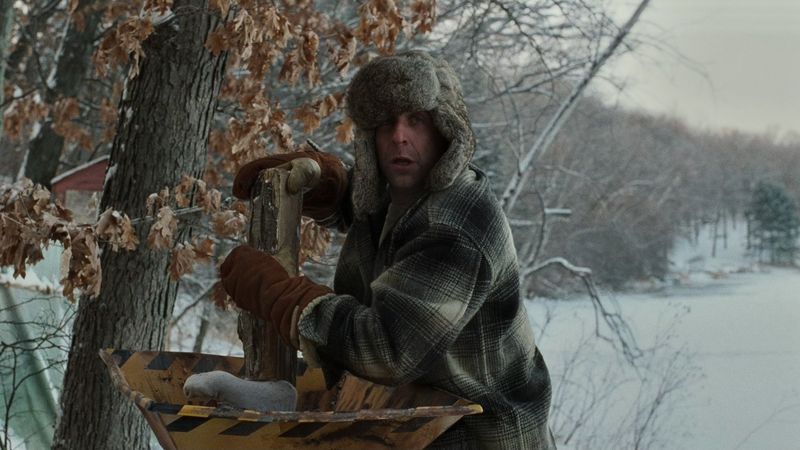
The Coen brothers set their darkly comic crime tale in the frozen Minnesota landscape, where a desperate car salesman’s kidnapping scheme spirals into bloody chaos.
Frances McDormand’s Oscar-winning performance as the pregnant police chief Marge Gunderson became iconic—a moral center of decency and competence in a world of bumbling criminals.
The film’s unique tonal balance of violence and humor, tragedy and absurdity, showcased the Coens at their finest.
Despite winning two Oscars and earning critical acclaim, it lost Best Picture to the sweeping period romance The English Patient.
Time has been kinder to the Coens’ quiet brilliance, which inspired a television series and remains endlessly quotable.
10. Saving Private Ryan (1998)
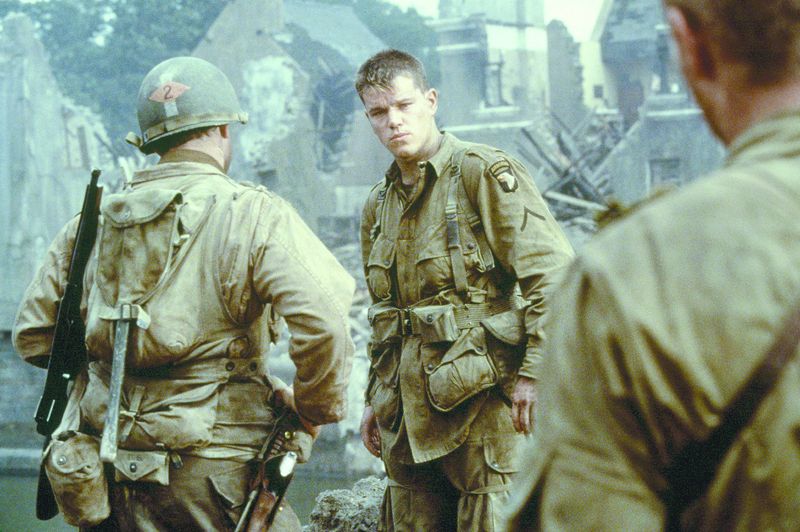
Tom Hanks led a stellar ensemble through a mission to bring one soldier home, balancing spectacular action with intimate human drama.
Steven Spielberg’s opening twenty-five minutes of D-Day combat remain the most visceral, terrifying depiction of warfare ever captured on film.
The Omaha Beach sequence redefined the war genre, stripping away Hollywood glamour to show the chaos, terror, and randomness of battle.
Spielberg won Best Director, but Best Picture went to Shakespeare in Love—a decision that immediately sparked controversy and has only grown more contentious over time.
The Harvey Weinstein-produced romantic comedy’s victory is now viewed as one of Oscar’s most questionable and politically influenced choices.
11. There Will Be Blood (2007)
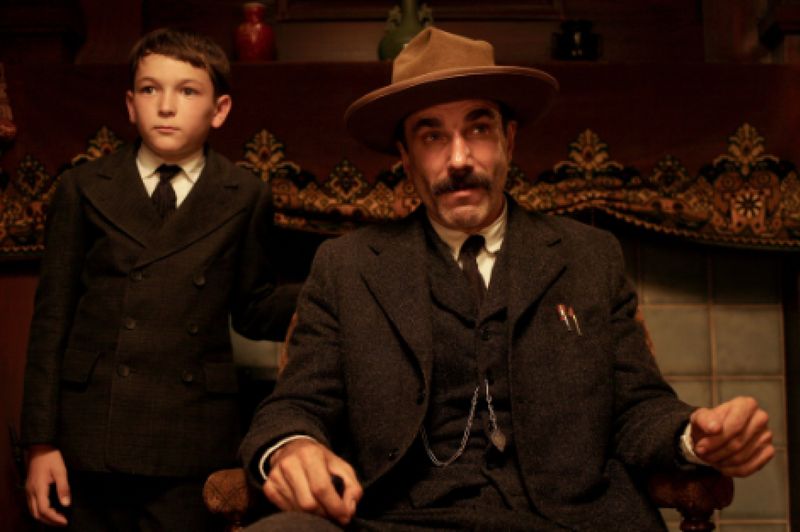
Paul Thomas Anderson crafted a towering epic about greed, faith, and American capitalism incarnated in Daniel Plainview, brought to terrifying life by Daniel Day-Lewis in one of cinema’s most iconic performances.
The film sprawled across California’s turn-of-the-century oil boom, building toward a shocking finale that felt both inevitable and insane.
Jonny Greenwood’s dissonant score heightened the sense of mounting dread throughout.
It faced stiff competition from the Coen brothers’ No Country for Old Men, which ultimately took Best Picture.
Both films were undeniable masterpieces, making this one of the rare years where either choice felt defensible.
Still, many believe Anderson’s ambitious vision deserved the ultimate recognition.
12. The Social Network (2010)
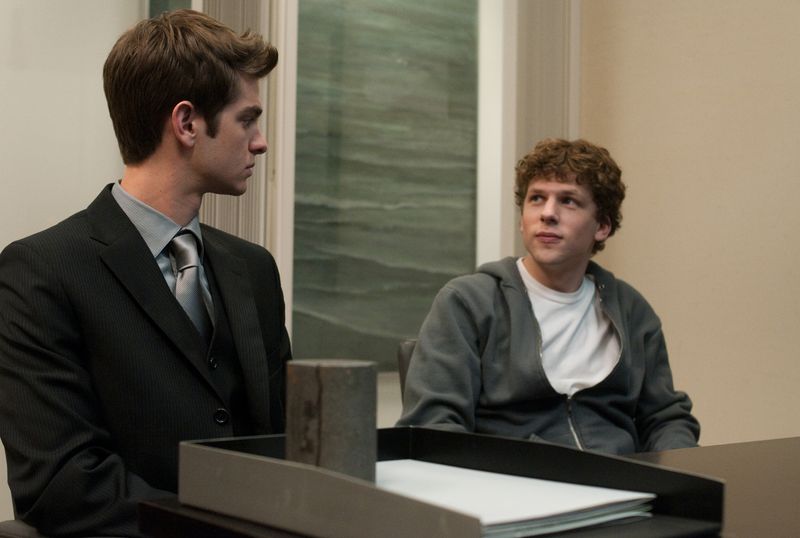
David Fincher and Aaron Sorkin captured the creation of Facebook as a Shakespearean drama of ambition, betrayal, and the cost of genius.
Jesse Eisenberg’s Mark Zuckerberg emerged as a complex antihero—brilliant, driven, and deeply flawed.
The rapid-fire dialogue and propulsive editing made the act of typing code feel as thrilling as any action sequence, defining a generation’s relationship with technology and connection.
Critics hailed it as the definitive film about modern ambition, yet the Academy chose the more traditional period drama The King’s Speech.
Both films excelled in their lanes, but Fincher’s razor-sharp examination of how we live now felt more urgent and culturally significant than another royal biopic.
13. We Need to Talk About Kevin (2011)
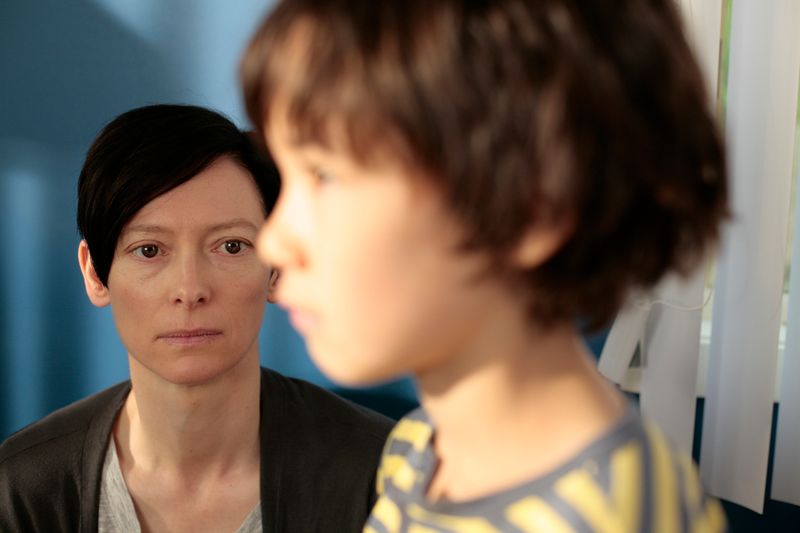
Tilda Swinton delivered a devastating performance, conveying years of dread and regret through minimal dialogue.
Lynne Ramsay’s chilling psychological horror examined motherhood, guilt, and nature versus nurture through a fractured narrative about a woman haunted by her son’s unspeakable act.
Ramsay’s bold visual style—saturated reds, fragmented chronology, expressionistic imagery—created an atmosphere of suffocating unease.
The Academy largely ignored it, offering no major nominations, while the charming silent film homage The Artist swept the ceremony.
Ramsay’s film was too dark, too challenging, too willing to ask uncomfortable questions about evil and responsibility.
Its lasting impact on viewers who’ve seen it proves its artistic merit far exceeded its recognition.
14. Inside Llewyn Davis (2013)
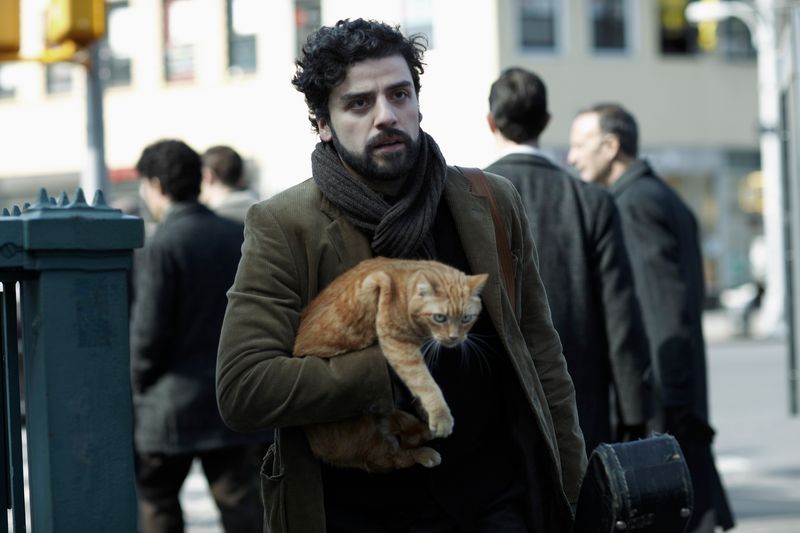
The Coen brothers crafted a melancholic character study of a self-sabotaging folk musician drifting through 1961 Greenwich Village, perpetually on the verge of success yet unable to escape his own patterns.
Oscar Isaac’s soulful performance and actual musical performances anchored a film that felt like a beautiful, sad circle—ending where it began, suggesting nothing ever really changes for Llewyn.
The attention to period detail and music was exquisite.
Shockingly, it received only two technical nominations and never entered the Best Picture conversation, despite widespread critical acclaim.
Many consider it among the greatest films of the 2010s, making its near-total Oscar snub particularly baffling and frustrating for admirers of the Coens’ subtle artistry.
15. Boyhood (2014)

Richard Linklater achieved something unprecedented—filming the same actors over twelve years to capture actual aging and growth.
Watching Mason evolve from six to eighteen felt intimate and profound, a cinematic experiment that doubled as a meditation on time, family, and the small moments that shape us.
The commitment from cast and crew created something genuinely unique in film history.
It became a cultural event and critical darling, seeming destined for Best Picture.
Instead, Alejandro G. Iñárritu’s technically dazzling Birdman claimed victory.
While Birdman impressed with its virtuoso long-take illusion, Boyhood’s quiet ambition and emotional authenticity represented filmmaking innovation of a different, perhaps more meaningful kind.
16. American Honey (2016)

Newcomer Sasha Lane radiated authenticity as Star, a young woman escaping her troubled home for uncertain freedom on the road.
Andrea Arnold embedded herself with a crew of magazine-selling teenagers traveling across America, capturing their chaotic, joyful, heartbreaking lives with stunning intimacy.
Shot in Academy ratio and filled with contemporary hip-hop, the film felt immediate, raw, and deeply human—a portrait of forgotten American youth.
It earned rapturous festival praise and a Cannes Jury Prize but failed to translate acclaim into major Oscar recognition.
The Academy overlooked its sprawling, unconventional beauty, perhaps finding its length and loose structure too challenging for mainstream voters seeking more traditional narratives and polish.
17. Get Out (2017)

Jordan Peele’s directorial debut weaponized horror conventions to create a razor-sharp satire about racism, liberal hypocrisy, and the Black experience in white spaces.
Daniel Kaluuya’s performance conveyed mounting dread as seemingly friendly people revealed sinister intentions.
The film sparked endless cultural conversation, proving genre cinema could tackle serious social issues while remaining genuinely terrifying and entertaining.
It broke barriers by earning Best Picture recognition—rare for horror—and Peele won Original Screenplay.
However, the top prize went to Guillermo del Toro’s fantasy romance The Shape of Water.
While del Toro’s film had beauty and craft, Peele’s cultural impact and innovative blending of genre and commentary felt more groundbreaking and urgent.
18. Roma (2018)

Alfonso Cuarón crafted an exquisitely personal film based on his childhood memories, centering on Cleo, the indigenous domestic worker who helped raise him.
Shot in luminous black-and-white with meticulous attention to 1970s Mexico City details, every frame felt like a memory brought to vivid life.
Yalitza Aparicio’s quietly powerful performance anchored this meditation on class, family, and the women often rendered invisible by society.
It seemed poised to make Oscar history as Netflix’s first Best Picture winner, but Green Book claimed the prize in a widely criticized upset.
The feel-good racial reconciliation drama felt safe and simplistic compared to Cuarón’s deeply felt, formally ambitious masterwork, making the loss particularly disappointing.
Comments
Loading…