
 Chloe Peterson
Office dress codes in the 1980s were strict, formal, and often unforgiving.
If you showed up in jeans, sneakers, or anything too casual, you might have been asked to go home and change.
Today, workplaces have loosened up significantly, embracing comfort, individuality, and inclusivity in ways that would have shocked professionals just a few decades ago.
1. Wearing Jeans to the Office

Back in the 1980s, denim was basically banned from most offices.
Managers saw jeans as sloppy, rebellious, or just too casual for serious work.
If you dared to wear them, you risked being sent home to change into something more appropriate.
Fast forward to today, and jeans are everywhere in the workplace.
Creative industries, tech companies, and even some corporate offices have embraced denim as part of their everyday dress code.
Casual Fridays turned into casual every day for many employees.
Comfort and practicality now matter more than rigid formality.
Jeans paired with a nice top or blazer can look polished and professional, proving that style has evolved far beyond the buttoned-up standards of the past.
2. Sneakers Instead of Dress Shoes
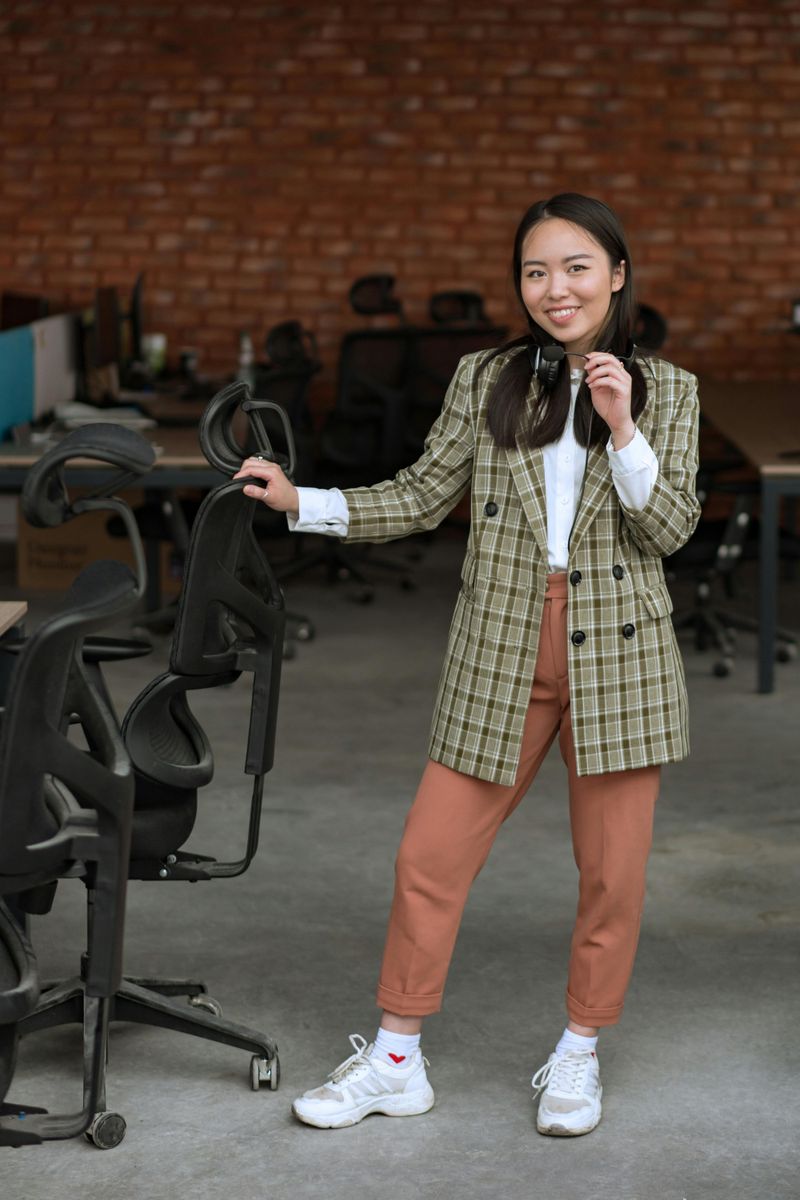
Athletic shoes were once a major no-no in professional settings.
Wearing sneakers to work signaled that you either didn’t care about your job or didn’t understand workplace norms.
Dress shoes were mandatory, no matter how uncomfortable they were.
Nowadays, sneakers have become a workplace staple.
From startups to established companies, employees value comfort and practicality over stiff leather shoes.
Clean, stylish sneakers can even look sharp with the right outfit.
This shift reflects changing attitudes about what professionalism really means.
People realize that being productive and comfortable go hand in hand.
Sneakers support long hours on your feet and still let you look put-together and modern at the same time.
3. Visible Tattoos and Body Art

Tattoos were once considered totally inappropriate for the workplace.
Employees had to cover them up with long sleeves or makeup, or risk being labeled unprofessional.
Body art was seen as distracting or even rebellious, something that didn’t belong in serious business environments.
Today, tattoos are widely accepted as a normal form of self-expression.
Many companies no longer have policies against visible ink, recognizing that body art doesn’t affect job performance or professionalism.
This change reflects broader cultural shifts toward individuality and diversity.
People from all backgrounds and industries proudly display their tattoos without fear of judgment.
What once could get you sent home now barely raises an eyebrow in most modern workplaces.
4. Natural Hair and Protective Hairstyles

Afros, braids, locs, and curls were frequently deemed unprofessional in the 1980s.
Many Black employees felt pressured to straighten or alter their natural hair to fit narrow beauty standards.
Refusing to do so could mean facing discrimination or even being sent home.
Thankfully, attitudes have shifted dramatically.
Natural hair and protective styles are increasingly celebrated and protected by law in many places.
Workplaces now recognize that hair texture and style are part of cultural identity, not a measure of professionalism.
This progress didn’t happen overnight.
Advocacy and legislation like the CROWN Act have helped dismantle outdated biases.
Today, employees can wear their hair naturally and authentically, embracing their heritage without fear of workplace consequences or judgment.
5. Gender-Nonconforming or Relaxed Gendered Clothing
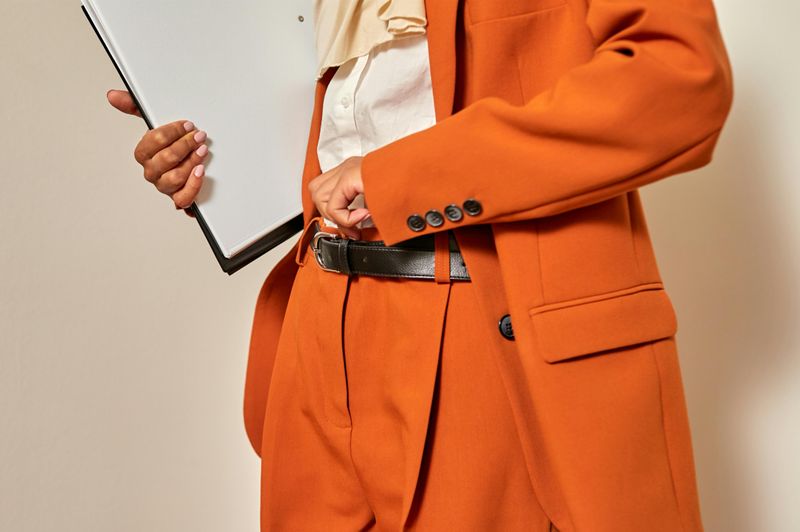
Strict gender rules dominated 1980s dress codes.
Men had to wear suits and ties, while women were expected to wear skirts or dresses.
Anyone who broke these rules could face serious consequences, including being sent home to change into something deemed appropriate.
Modern workplaces have become far more flexible and inclusive.
Gender-nonconforming clothing and relaxed gendered expectations allow employees to dress in ways that feel authentic to them.
This shift supports diversity and respects individual identity.
Companies now understand that outdated gender norms don’t belong in professional environments.
Letting people wear what makes them comfortable boosts morale and productivity.
The rigid boundaries of the past have given way to acceptance and understanding in today’s offices.
6. Women Wearing Pants or Flat Shoes

Believe it or not, many 1980s offices required women to wear skirts, pantyhose, and heels every single day.
Pants were considered too masculine or casual, and flats were seen as unprofessional.
Women who refused could be sent home or even written up.
Today, trousers and flat shoes are standard, practical options for women in nearly every workplace.
Comfort and functionality have replaced outdated ideas about femininity and professionalism.
Women can now choose what works best for their bodies and their jobs.
This change represents a huge leap toward gender equality at work.
No one should have to sacrifice comfort or health to meet arbitrary dress standards.
Modern offices finally recognize that professionalism isn’t about high heels or skirts.
7. Casual Tops Like T-Shirts or Hoodies

Blazers and button-down shirts were once the only acceptable tops for office workers.
T-shirts and hoodies were strictly forbidden, seen as too sloppy or immature for professional environments. Showing up in casual tops could easily get you sent home to change.
Today, especially in tech, media, and creative fields, casual tops are completely normal.
Hoodies have even become a symbol of innovation and startup culture.
Employees appreciate the freedom to dress comfortably while still getting their work done effectively.
This relaxed approach reflects changing priorities in the workplace.
Companies now focus more on results than rigid dress codes.
Comfort and authenticity matter more than ever, proving that professionalism isn’t defined by a suit jacket or tie anymore.
Comments
Loading…