
 Mary Murphy
Every relationship faces challenges, but some problems run deeper than others.
While many couples can work through everyday disagreements with patience and communication, certain issues create barriers that even the most committed partners struggle to overcome.
Therapists see these patterns repeatedly in their practices and recognize when a relationship may be beyond repair.
1. Chronic Infidelity

When cheating happens once, recovery is difficult but possible with genuine effort.
However, repeated betrayal creates a pattern that destroys any foundation of trust.
Partners who cheat multiple times demonstrate they’re unwilling or unable to commit to change.
Each instance reopens old wounds and adds new layers of pain.
The betrayed partner lives in constant fear of the next betrayal, making emotional security impossible.
Therapists note that chronic infidelity often reflects deeper issues like commitment phobia or unaddressed personal problems.
Without sincere accountability and sustained behavior change, the relationship becomes a cycle of hurt that rarely heals.
2. Different Life Goals

Imagine one partner dreams of a quiet suburban life with children while the other wants to travel the world child-free.
These aren’t small differences.
Conflicting visions about marriage, having kids, career priorities, or lifestyle choices create impossible situations.
No amount of love can bridge the gap when fundamental life paths point in opposite directions.
One person will always have to sacrifice their dreams, breeding resentment over time.
Compromise works for minor issues, but you can’t compromise on whether to have children or where to build your entire future.
Therapists emphasize that forcing incompatible goals only delays inevitable heartbreak.
3. Unresolved Cultural Differences
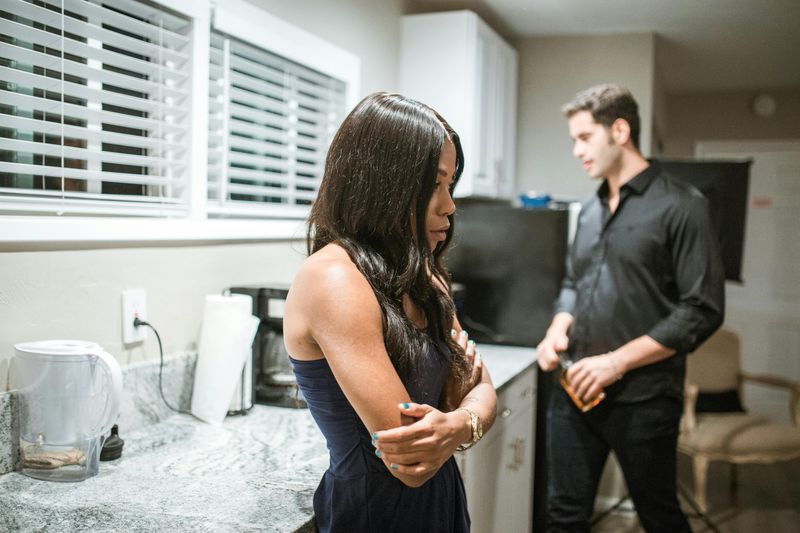
Cultural backgrounds bring beautiful diversity, but deep clashes can tear couples apart.
Disagreements about family roles, religious practices, or traditional expectations create ongoing friction that wears relationships down.
Perhaps one partner’s culture expects elderly parents to move in, while the other values complete independence.
Maybe religious differences affect how children should be raised.
These conflicts touch core identity and family loyalty.
When neither partner can honor their cultural values without the other feeling disrespected, resentment builds.
Therapists see how these unresolved tensions poison daily interactions, making peaceful coexistence nearly impossible despite genuine affection.
4. Fundamental Personality Clashes
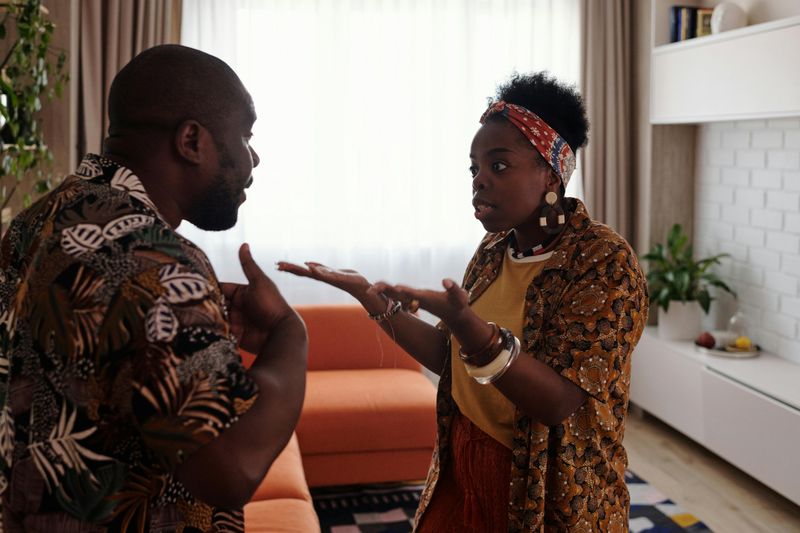
Opposites might attract initially, but core personality traits that constantly collide create exhausting relationships.
An extremely introverted person paired with someone who needs constant social stimulation will struggle daily.
Some personality differences complement each other beautifully.
Others create friction at every turn.
When one person’s natural way of being consistently irritates or frustrates their partner, both people end up feeling misunderstood and judged.
Therapists distinguish between quirks and fundamental incompatibilities.
True personality clashes mean neither partner can be themselves without causing tension, leading to either constant conflict or suppressing authentic selves indefinitely.
5. Untreated Addiction

Addiction doesn’t just affect the person struggling with it—it hijacks the entire relationship.
Substance abuse or behavioral addictions like gambling become the third party that always comes first.
Without genuine commitment to recovery, the addicted partner remains unavailable emotionally and often financially.
Promises to change mean nothing without sustained action and accountability.
The other partner becomes exhausted from managing crises, broken promises, and emotional neglect.
Therapists emphasize that loving someone through addiction requires their active participation in recovery.
When treatment is refused or abandoned repeatedly, the relationship becomes defined by chaos rather than partnership, leaving little hope for healthy connection.
6. Emotional Abuse

Bruises fade, but emotional scars cut deeper and last longer.
Ongoing manipulation, constant criticism, belittling comments, and controlling behavior destroy a person’s sense of self-worth.
Emotional abuse operates through isolation, gaslighting, and making victims question their own reality.
The abused partner walks on eggshells, constantly adjusting behavior to avoid triggering their partner’s anger or disappointment.
This creates an unsafe environment where genuine intimacy cannot exist.
Therapists recognize that emotional abuse rarely improves without the abuser acknowledging the harm and committing to intensive personal work.
Most abusers deny or minimize their behavior, making recovery virtually impossible and leaving victims trapped in toxic dynamics.
7. Lack of Trust

Trust forms the foundation every healthy relationship stands on.
Once shattered completely, rebuilding becomes nearly impossible despite best intentions.
Whether broken through infidelity, lies, or betrayal, trust doesn’t return through promises alone.
The relationship becomes dominated by checking phones, questioning whereabouts, and constant anxiety.
Both partners feel trapped—one by suspicion, the other by feeling perpetually guilty or monitored.
Therapists note that some trust can be rebuilt with transparency and time.
However, when trust is destroyed beyond repair, the relationship transforms into a prison of doubt.
Living under constant suspicion creates emotional distance that prevents genuine reconnection.
8. Irreconcilable Core Values

Values run deeper than opinions—they define who we are at our core.
When partners hold fundamentally opposing beliefs about morality, ethics, or life principles, the relationship lacks common ground.
Perhaps one partner values honesty above all while the other sees white lies as acceptable social tools.
Maybe financial philosophies clash dramatically, with one believing in generosity while the other hoards resources.
These aren’t surface disagreements.
Compromising on core values means betraying yourself.
Therapists observe that couples can respect different values, but when those differences create constant moral conflict, neither partner feels understood or supported in their fundamental worldview.
9. Persistent Inequality in Effort

Relationships require effort from both people, but sometimes one partner carries everything while the other coasts along.
This imbalance creates exhaustion and resentment that builds over years.
One person plans dates, manages household tasks, remembers important occasions, initiates difficult conversations, and maintains emotional connection.
The other simply shows up.
This isn’t about occasional laziness—it’s a long-term pattern where one partner remains consistently disengaged.
Therapists see how the overburdened partner eventually burns out, feeling more like a parent than an equal partner.
Without the disengaged partner recognizing and changing their behavior, the relationship becomes unsustainable and emotionally draining.
Comments
Loading…