
 Jade Reed
Aging well isn’t just about looking younger, because geriatricians focus more on how your body and mind function day to day.
They often look for small, practical clues that predict independence, resilience, and quality of life over time.
The good news is that many “healthy aging” signs have nothing to do with genetics or expensive routines.
They show up in how you move, how you recover, how you think, and how connected you feel to the people around you.
Some of these signals are easy to overlook because they feel normal when they’re going well.
If a few of these areas feel shaky for you, it doesn’t mean you’re failing, because they’re also areas that can improve with consistent habits and medical support.
Use this list as a helpful snapshot of what healthy aging can look like, and talk with your clinician if anything here raises concerns for you.
1. You recover from setbacks (illness, travel, bad sleep) faster than expected

Even after a rough night of sleep or a minor illness, your energy and routine tend to return without a long “downshift.”
Geriatricians often associate this kind of recovery with strong reserves in muscle, immunity, and cardiovascular health.
When you’re aging well, your body can take a hit and still find its way back to baseline in a reasonable window.
That doesn’t mean you never feel tired, but it does mean fatigue doesn’t derail your entire week.
People with good recovery often have steady hydration, adequate protein, regular movement, and a consistent sleep schedule working in their favor.
If you notice your bounce-back time getting longer, it can be a sign to check medications, nutrition, stress load, and any new symptoms with your doctor.
2. You can do daily tasks without struggling (or needing extra help)
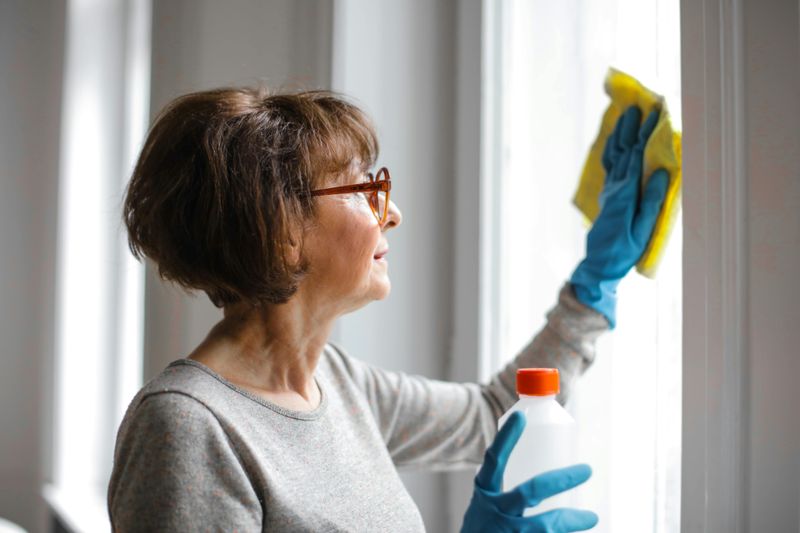
A strong sign of healthy aging is when ordinary life doesn’t require constant workarounds or extra assistance.
Carrying groceries, doing light housework, managing errands, and getting in and out of a car are “functional” milestones doctors pay attention to.
These abilities reflect a mix of strength, balance, vision, endurance, and joint comfort, not just willpower.
When people start avoiding everyday tasks, it can quietly shrink their world and reduce activity even further.
Maintaining independence often comes from boring basics like walking often, keeping legs strong, and addressing pain early instead of pushing through it.
If you’re noticing new difficulty, occupational therapy, strength training, and a medical checkup can be surprisingly effective at restoring confidence.
3. Your walking speed is steady and you feel stable on your feet

One of the simplest ways geriatricians gauge aging is by watching how comfortably someone moves through space.
A consistent, confident gait suggests good leg strength, balance, coordination, and neurological function working together.
Many clinicians pay attention to walking speed because it can reflect overall health more accurately than people expect.
Feeling stable on uneven sidewalks, stairs, or crowded spaces often means your core and hips are doing their job.
When walking becomes cautious or shuffling, people can unintentionally reduce activity, which then weakens muscles and increases fall risk.
Building steadiness is very possible with targeted leg exercises, balance practice, vision checks, and supportive footwear that fits correctly.
4. You maintain muscle and strength (not just weight)
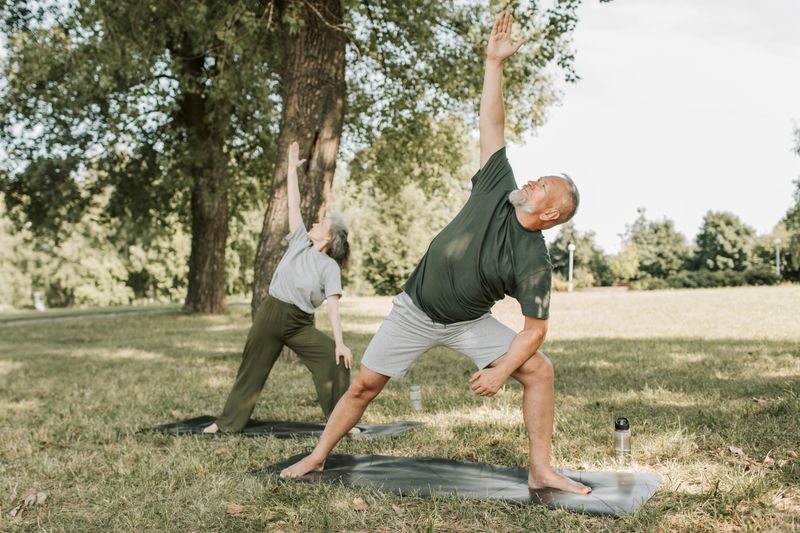
Aging well often shows up in what your body can do, not what it weighs on a given morning.
Geriatricians care about muscle because it protects mobility, helps regulate blood sugar, supports posture, and reduces injury risk.
Strength in your legs and grip is especially important because it predicts your ability to stay independent in daily life.
You might notice this as being able to rise from a chair without using your hands or carry a laundry basket without strain.
Muscle maintenance usually requires protein at meals and some form of resistance training, even if it’s light weights or bands.
If you’ve been losing strength, a gradual plan with your clinician or physical therapist can help you rebuild safely and consistently.
5. Your brain feels “online” in everyday life

Clear thinking isn’t just trivia memory, because doctors focus on whether your brain keeps up with everyday demands.
Following a conversation, tracking appointments, managing bills, cooking safely, and learning a new app are practical markers of cognitive health.
When you’re aging well, you may still forget a name occasionally, but you can problem-solve and stay oriented without major disruption.
Geriatricians also watch for changes in attention, word-finding, and decision-making that interfere with independence.
Brain health is closely tied to sleep, hearing, social connection, cardiovascular health, and managing conditions like diabetes or high blood pressure.
If you or loved ones notice meaningful changes, it’s worth discussing early, because reversible issues like medication effects, depression, or vitamin deficiencies can mimic cognitive decline.
6. You sleep reasonably well and wake up feeling restored (most nights)

Feeling refreshed more often than not is a quiet sign your body is repairing itself effectively.
Geriatricians know that sleep supports immune function, mood stability, memory consolidation, and physical recovery from exercise or daily strain.
Aging can change sleep patterns, but healthy aging usually doesn’t mean chronic exhaustion or constant daytime fog.
Restorative sleep often comes from consistent wake times, morning light, regular activity, and limiting alcohol or heavy meals late at night.
When sleep is poor, pain, medications, sleep apnea, restless legs, or anxiety can be the hidden drivers that deserve attention.
If you’re waking unrefreshed, tracking patterns for a week and bringing that information to your clinician can make the next steps much clearer.
7. You have consistent social connection and a sense of purpose

A strong support system is more than nice to have, because it’s strongly linked to healthier aging outcomes.
Geriatricians often ask about relationships, hobbies, volunteering, and routines because isolation can affect sleep, stress hormones, and even physical activity levels.
When you’re aging well, you typically have at least a few people who check in, share meals, laugh with you, or rely on you in small ways.
Purpose can be family, faith, community, creative projects, caregiving, or simply having a reason to get out of bed with intention.
Social connection also helps keep the brain engaged and encourages healthier habits through accountability and shared routines.
If your circle has shrunk, starting small with a weekly class, walking group, or volunteer shift can rebuild momentum without feeling overwhelming.
8. Your health markers are stable and you keep up with prevention

Good aging often looks like “well-managed,” not “perfect,” especially when chronic conditions are common with time.
Doctors like to see steady blood pressure, stable blood sugar, and symptoms that are controlled rather than constantly escalating.
Staying current on screenings and vaccines is another sign, because prevention reduces avoidable complications and catches issues early.
People who age well tend to know their baseline, notice changes, and seek help before small problems become big ones.
Medication reviews, hearing and vision checks, and routine lab work can make a huge difference in energy, safety, and mental clarity.
If you’ve fallen behind, setting one appointment at a time is usually the easiest way to rebuild a simple prevention rhythm that sticks.
Comments
Loading…