
 Hailey Watson
Society often holds men and women to completely different standards.
What seems acceptable or even admirable when a woman does it might be labeled as inappropriate or weak when a man tries the same thing.
These double standards affect everything from how we dress to how we express our emotions.
Understanding these differences helps us recognize unfair judgments and work toward treating everyone equally, regardless of gender.
1. Showing Emotion in Public

Crying at a wedding or during a sad movie?
Women can do this without anyone batting an eye.
Society expects women to be emotional and expressive with their feelings.
But when men shed tears in public, they often face ridicule or uncomfortable stares.
People might call them weak or tell them to toughen up.
This outdated belief suggests that real men should never show vulnerability.
The truth is, everyone experiences emotions, and expressing them is healthy regardless of gender.
Holding back tears or pretending everything is fine can actually harm mental health.
We should celebrate emotional honesty in everyone, not just women.
2. Wearing Makeup and Cosmetics
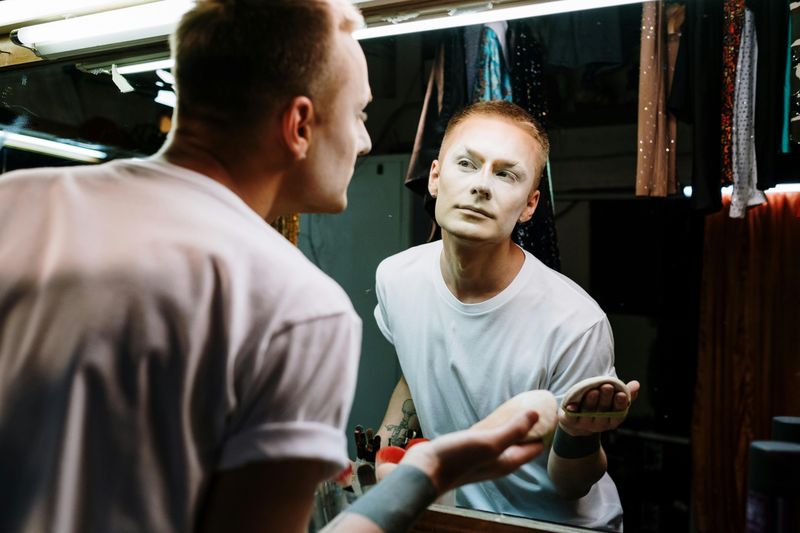
Walk into any store and you’ll find countless makeup products marketed toward women.
Applying foundation, lipstick, or eyeshadow is considered a normal part of many women’s daily routines.
However, men who wear makeup often face harsh criticism and questioning of their masculinity.
Some people assume things about their personal life or call them names.
This judgment exists even though makeup is simply a form of self-expression and confidence-building.
Historically, men in many cultures wore cosmetics without stigma.
Ancient Egyptians, Roman gladiators, and European aristocrats all enhanced their appearance with makeup.
Modern society should recognize that personal grooming choices belong to everyone.
3. Choosing to Stay Home with Kids

Stay-at-home moms receive praise for dedicating themselves to raising their children.
Society views this as a noble sacrifice and an important role in child development.
Yet stay-at-home dads frequently encounter judgment and awkward questions about their career.
Friends and strangers might ask if they couldn’t find a job or suggest they’re not fulfilling their role as provider.
Some people even question their competence at parenting tasks.
Raising children is challenging work that requires patience, multitasking, and constant attention.
The parent’s gender shouldn’t determine whether this choice deserves respect.
Both mothers and fathers can excel at nurturing their families full-time.
4. Discussing Body Image Concerns

Women openly discuss weight concerns, clothing sizes, and appearance worries with friends.
These conversations happen regularly without anyone thinking twice about them.
Men who express similar insecurities about their bodies often get dismissed or mocked.
Friends might laugh it off or tell them they’re being ridiculous.
This creates an environment where men feel pressured to appear confident about their appearance, even when they’re struggling.
Body image issues affect people of all genders equally.
Men worry about muscle mass, hair loss, height, and weight just like women do.
Creating safe spaces for these conversations benefits everyone’s mental health and self-esteem.
5. Showing Affection with Friends

Female friends regularly hug, hold hands, and show physical affection without anyone questioning their relationship.
These displays of friendship are considered sweet and natural.
When men show similar affection toward male friends, people often make assumptions or jokes.
A simple hug between buddies can lead to uncomfortable comments or teasing.
This fear of judgment prevents many men from expressing platonic love for their friends.
Healthy friendships include physical comfort and emotional support.
Cultural norms in many countries actually encourage male bonding through embraces and closeness.
Breaking down these barriers allows men to build stronger, more meaningful friendships without unnecessary worry.
6. Taking Selfies Frequently

Social media feeds overflow with women’s selfies, and this behavior is completely normalized.
Posting photos of yourself is seen as confidence and self-love.
Men who take frequent selfies face different reactions entirely.
They might be called narcissistic, vain, or overly concerned with appearance.
Some people suggest that real men shouldn’t care so much about how they look in photos.
Taking selfies is simply documenting your life and sharing moments with others.
Everyone deserves to feel good about their appearance and capture memories.
Gender shouldn’t determine whether self-photography is acceptable or embarrassing behavior in today’s digital age.
7. Changing Career Paths Multiple Times

When women switch careers, people often celebrate their bravery and willingness to pursue passion.
Society encourages women to find fulfilling work that makes them happy.
Men who change jobs frequently might be viewed as unreliable or unable to commit.
Questions arise about their ability to provide stability or stick with difficult situations.
This pressure stems from outdated expectations that men should have linear, predictable career trajectories.
The modern workplace values diverse experiences and adaptability.
Exploring different fields helps people discover their strengths and interests.
Career changes demonstrate growth and self-awareness, not instability, regardless of who makes them.
8. Ordering Sweet or Colorful Drinks

Women ordering strawberry daiquiris, pink cocktails, or pumpkin spice lattes never raises eyebrows.
Bartenders and baristas serve these drinks without any commentary.
Men who order the same beverages sometimes face jokes from friends or servers.
They might hear comments about their drink being too girly or suggestions to order something stronger.
This pressure pushes men toward certain drinks just to avoid judgment.
Beverages don’t have genders, and taste preferences vary wildly among individuals.
Someone might genuinely enjoy sweet flavors over bitter ones.
Letting people order whatever they want without commentary makes social situations more comfortable and enjoyable for everyone involved.
Comments
Loading…