
 Isabel Parker
Dating Someone With One of These 15 Jobs? Here’s Why It’s Hard

Dating someone new can feel exciting until real-life logistics start showing up in the conversation
A job title can hint at schedule problems, financial volatility, safety risks, or values that don’t line up long-term.
That doesn’t mean any career is “bad,” and it definitely doesn’t mean every man in that job will be a mismatch.
It just means some roles come with predictable stressors that certain women know they don’t want to sign up for.
Sometimes it’s about time and availability, and sometimes it’s about the environment the job puts him in daily.
For many women, the deal-breaker is less about judgment and more about self-protection and relationship stability.
If you’ve ever tried to build intimacy around night shifts, constant travel, or high-stakes pressure, you get it.
Here are 15 jobs that women often say make them think twice, along with the reasons that come up again and again.
1. Police officer / law enforcement

Working in public safety can come with risks and stress that follow someone home even after the shift ends.
Many women worry about the constant exposure to danger, because it can create a baseline of anxiety in daily life.
Rotating schedules, mandatory overtime, and sudden call-ins can turn date nights and family plans into ongoing disappointments.
The emotional toll of what he sees on the job may show up as hypervigilance, irritability, or shutting down after hard days.
Some women also feel uneasy about the culture in certain departments, especially if communication and accountability feel dismissed.
It can be hard to feel like an equal partner when the job demands control, authority, and emotional restraint all day long.
For women who need calm, consistency, and open vulnerability, this career can feel like a permanent uphill climb.
2. Military (active duty)

Serving full-time often means the relationship is asked to adapt to the government’s schedule, not your shared plan.
Deployments and training cycles can create long gaps that leave one partner carrying the emotional and practical load alone.
Frequent relocations may disrupt careers, friendships, and family support, which can be isolating for a partner who craves roots.
Even when he’s home, reintegration can be complicated, because routine, intimacy, and communication may need time to recalibrate.
Some women struggle with the constant background fear that comes with hazardous assignments, especially during global tensions.
The culture can also reward toughness and emotional control, which may clash with a partner who values steady vulnerability.
If stability, proximity, and predictable milestones matter most, active-duty life can feel like a deal-breaker.
3. Long-haul truck driver

Life on the road can turn a relationship into something that feels part-time, even when both people have serious intentions.
Weeks away at a stretch often means the partner at home handles errands, emergencies, and family obligations solo.
Time together may land in short bursts, which can make it harder to resolve conflict or build daily intimacy.
Irregular sleep and unpredictable routes can leave him exhausted, and that fatigue can shrink emotional bandwidth fast.
Some women also worry about loneliness on both sides, because distance can invite resentment or temptations.
Planning big goals like kids, home routines, or shared hobbies can feel complicated when one person is rarely present.
For women who want a consistent teammate in everyday life, constant travel can be a nonstarter.
4. Oil rig / offshore worker / remote camp worker

Jobs that operate on rotation schedules can create a relationship rhythm that feels intense, then abruptly absent.
Weeks on-site often come with limited communication windows, which can leave a partner feeling emotionally stranded.
When he returns, the pressure to “make the most of it” can cause tension, because real life still needs structure.
Some women find the constant switching between solo independence and sudden togetherness exhausting over time.
Physical risk and harsh conditions can add worry, especially if the job involves heavy equipment or extreme weather.
Financial upsides don’t always cancel out the emotional costs, particularly if long-term plans require consistent partnership.
If a woman values daily connection and shared routines, the remote-work lifestyle may feel like a deal-breaker.
5. Airline pilot / flight crew

A travel-heavy career can sound glamorous until you realize weekends, holidays, and birthdays often become working days.
Time zones and fatigue can make him physically present but mentally checked out, which can feel lonely fast.
Some women struggle with the constant unpredictability, because delays and last-minute schedule changes can derail plans repeatedly.
The job also places him in social environments with frequent new people, which can trigger trust issues for certain partners.
Even when the relationship is solid, it may require exceptional communication skills to prevent drift and misunderstandings.
Building a household routine can be difficult when one partner’s sleep schedule changes weekly and recovery time is essential.
For women who want consistent availability and shared traditions, frequent flying can be a deal-breaker.
6. Touring musician / DJ

A nightlife-based career often brings late hours, constant socializing, and a lifestyle that doesn’t match a typical routine.
Touring schedules can keep him away for long stretches, leaving a partner to manage life at home without support.
The party atmosphere may create insecurity, especially when attention, flirting, and alcohol are part of the environment.
Income can be unpredictable, which can make long-term planning stressful for women who prioritize stability and shared budgets.
Creative passion is attractive, but constant hustle can also mean the relationship always comes second to the next gig.
Some women worry about emotional maturity, because the scene can reward impulsivity and “living for the moment.”
If a woman wants early mornings, steady weekends, and calm predictability, this job can feel like a hard no.
7. Bartender / nightclub staff
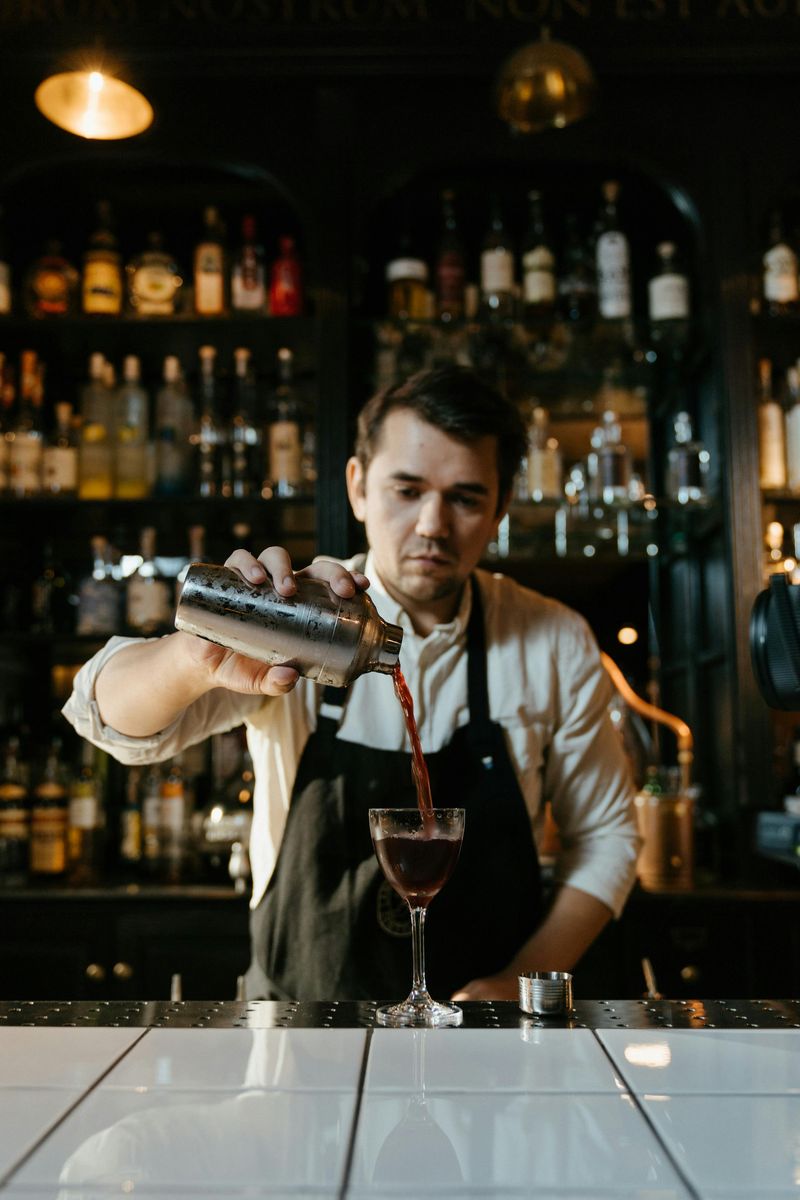
Working behind the bar usually means nights, weekends, and holidays are peak work times instead of couple time.
The steady exposure to alcohol and flirtatious interactions can be fine for some partners, but unbearable for others.
Closing shifts can end at unpredictable hours, which can lead to sleep mismatches and less emotional overlap.
Some women also worry about how conflict is handled, because high-stress service environments can normalize snapping and burnout.
Even if he’s loyal, the optics of constant attention and social DMs can create recurring arguments.
It can also be difficult to coordinate family life when one partner is awake while the other is winding down.
For women who value routine, security, and shared evenings, nightlife work can feel like a deal-breaker.
8. Casino dealer / professional gambler / poker player

A career built around risk can make a partner feel like the relationship is always one bad streak away from chaos.
Even when he’s disciplined, the environment is designed to keep people spending, which can trigger financial anxiety in a partner.
Hours are often late and irregular, making it hard to build a steady routine for meals, weekends, and family time.
Some women worry about addiction potential, because gambling can blur from entertainment into compulsion faster than people admit.
Trust issues can show up if money details feel secretive, because transparency is essential when income fluctuates.
The emotional swings of wins and losses can also spill into the relationship, creating tension and unpredictability.
For women who prioritize stability and long-term planning, gambling-adjacent work can be a deal-breaker.
9. Social media influencer / content creator

Online fame can look fun until a partner realizes the relationship might be turned into content without warning.
Some women worry about privacy, because constant posting can blur boundaries that most couples consider basic respect.
Income can be inconsistent, and algorithms change, which makes long-term financial security feel shaky.
The attention economy can also create insecurity, since DMs, comments, and public validation become part of daily life.
Even if he’s thoughtful, work never really ends, because every outing can become a brand opportunity.
A partner may feel like she’s dating a persona rather than a person if authenticity is sacrificed for engagement.
For women who want a quiet, offline relationship with strong boundaries, this job can be a deal-breaker.
10. Actor / model (especially actively chasing gigs)
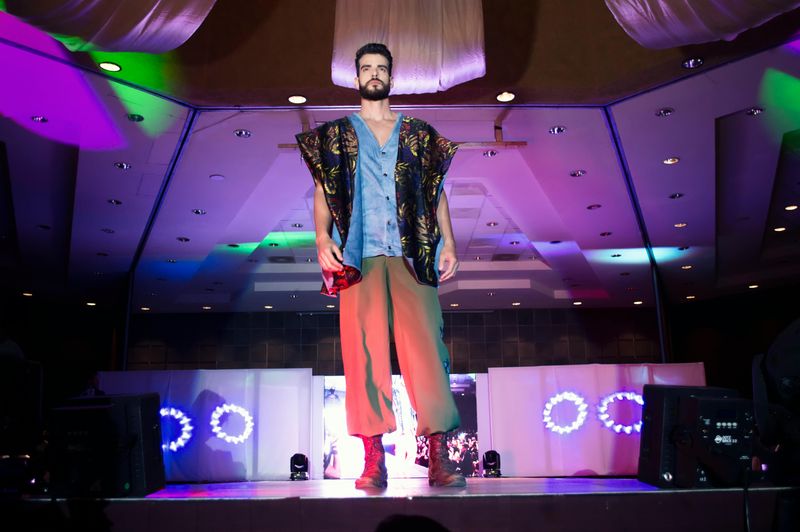
Entertainment work often requires constant networking, auditions, and social events that can leave a partner feeling peripheral.
Schedules can change with little notice, making it hard to plan dates, vacations, or even consistent sleep routines.
Some women feel uneasy about the industry’s emphasis on image, because it can amplify insecurity on both sides.
Even a committed partner may face frequent flirting and blurred lines during performances, shoots, or promotional events.
Income can be feast-or-famine, which adds stress if the couple is trying to build savings or plan a future.
There can also be pressure to relocate for opportunities, which may disrupt the partner’s career and support system.
For women who value predictability and low-drama environments, this career path can feel like a deal-breaker.
11. High-powered finance (investment banking / trader / day trader)

A demanding finance role can swallow evenings and weekends, leaving the relationship to fight for leftover attention.
Long hours and constant pressure may lead to emotional unavailability, even when he genuinely cares.
Some women worry about work culture, because certain environments reward ego, status signaling, and nonstop competition.
The stress can show up as impatience and short tempers, which can make home feel tense instead of restorative.
Financial success doesn’t always equal shared security if spending, risk tolerance, or priorities don’t align.
Partners may also feel like they’re dating the job itself, because the phone is always on and clients always matter.
For women who want present, grounded partnership, high-powered finance can be a deal-breaker.
12. Startup founder / serial entrepreneur

Being with an entrepreneur can feel inspiring, but it can also feel like the relationship is always competing with the business.
Early-stage companies often demand nights, weekends, and constant mental bandwidth that doesn’t switch off at dinner.
Income may be uncertain, which can create anxiety for women who need stable budgeting and predictable milestones.
Some women also worry about emotional availability, because the founder’s identity can become fused with success or failure.
If boundaries are weak, every conversation can turn into a pitch deck, a problem, or a crisis to solve.
Relocation and risk-taking decisions may be made quickly, leaving a partner feeling like she has little vote.
For women who prioritize consistency and shared life building, nonstop hustle can be a deal-breaker.
13. Politician / political operative / lobbyist
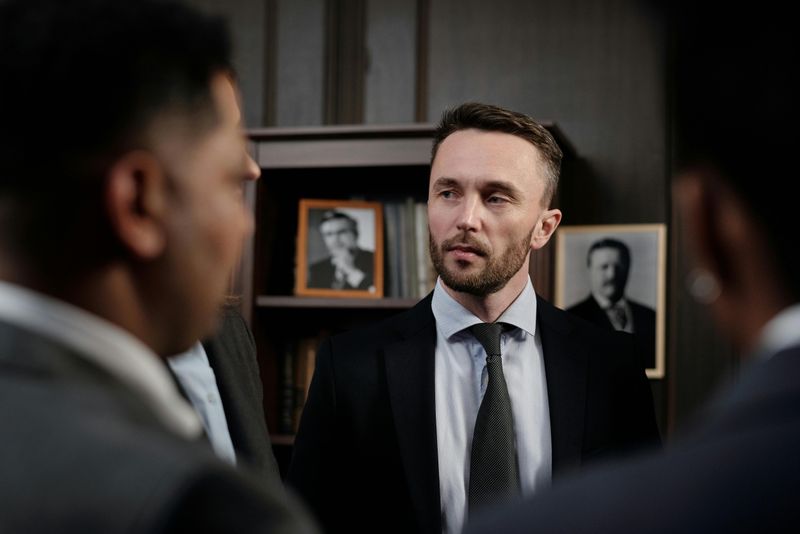
Public-facing work can pull a partner into scrutiny she never asked for, including gossip, criticism, and online negativity.
Campaign seasons and legislative cycles can be brutal, turning personal time into an endless string of events and obligations.
Value alignment matters here more than usual, because politics can touch ethics, identity, and long-term worldview in daily ways.
Some women worry about authenticity, because image management is part of the job and can feel like constant performance.
Networking can include late nights, donors, travel, and strategic socializing that strains trust if boundaries aren’t clear.
Privacy can shrink dramatically, making it harder to protect the relationship from outside opinions.
For women who want a quiet life and low public drama, political work can be a deal-breaker.
14. Correctional officer / bouncer / private security

Working around conflict can shape someone’s nervous system, and that stress sometimes gets carried into relationships.
The job may require an aggressive posture for safety, which can be hard to drop when it’s time to be gentle at home.
Irregular hours, high-adrenaline moments, and burnout can reduce patience and emotional openness.
Some women worry about workplace culture, because certain environments normalize tough talk and dismissing feelings as weakness.
Exposure to violence or traumatic incidents can also affect mental health, and not everyone is willing to do the healing work.
A partner may feel on edge if arguments escalate quickly or if calm communication isn’t prioritized.
For women who need emotional safety and steady softness, this type of work can be a deal-breaker.
15. Certain adult-industry adjacent jobs

Being employed in a highly sexualized environment can challenge boundaries in a way many women don’t want to navigate.
Even if he’s professional, the setting can trigger jealousy, insecurity, or a constant feeling of comparison.
Some women also worry about social stigma, because friends, family, and coworkers may judge the relationship harshly.
Trust becomes a daily conversation, not a baseline assumption, especially if the work involves performers or late-night venues.
The job can blur lines around flirting and intimacy, which may feel incompatible with a partner’s values.
Privacy can be difficult if the work attracts gossip, online attention, or uncomfortable questions at social gatherings.
For women with firm boundaries around sexualized workplaces, this category is often an immediate deal-breaker.
Comments
Loading…