
 Isabel Parker
12 Old-School Manners That Completely Vanished

Remember when people actually stood up to greet you, or when showing up at someone’s door without calling first was considered rude?
Social etiquette used to be taught at home, reinforced in schools, and expected everywhere you went. But somewhere between landlines and smartphones, many of these courtesies quietly disappeared, replaced by faster, more casual ways of interacting.
1. Writing thank-you notes by hand

Not a text. Not an email. A stamped, handwritten note that arrived days later.
Grandparents used to insist on them after every birthday or holiday. You’d sit down with a pen, carefully choose your words, and actually mail the thing. The effort showed genuine appreciation.
Today, a quick “thx!” text feels normal, but it lacks the personal touch of seeing someone’s actual handwriting. Receiving one now feels almost shocking. It signals that someone took real time out of their day just for you.
2. Standing up when someone enters the room

This simple gesture communicated respect without saying a word. Kids were taught to rise when adults walked in, and it was just what you did. Nowadays, most people stay glued to their seats, eyes on screens.
The physical act of standing acknowledged someone’s presence and importance. It made introductions feel more formal and meaningful.
Sure, it might seem old-fashioned, but it created a moment of connection. Guests felt welcomed. Elders felt honored. Even in casual settings, standing showed you valued the person enough to pause whatever you were doing and greet them properly with your full attention.
3. Addressing adults as “Mr.” and “Mrs.” by default
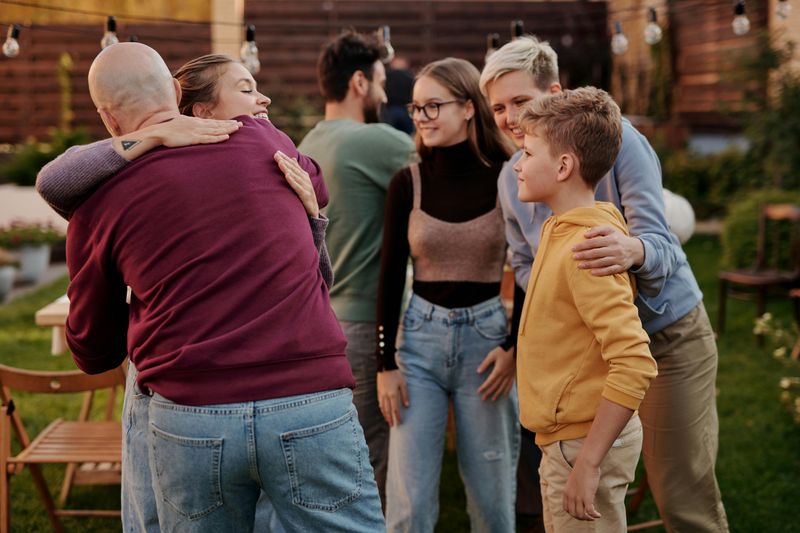
First names used to be earned, not automatic. Children called neighbors, teachers, and friends’ parents by their last names with a title attached. It created a clear boundary between kids and grown-ups.
Today, many kids call adults by their first names immediately, blurring those traditional lines.
Some parents still prefer the old way, feeling it instills better manners. Others think it’s outdated and prefer equality. Either way, the automatic use of titles has mostly vanished, replaced by a more casual, first-name-basis culture from the start.
4. Waiting your turn to speak without interrupting

Conversations weren’t competitive sports. People actually waited until someone finished their sentence before jumping in.
Families taught kids to listen first, then respond. Discussions had natural pauses where ideas could breathe. Now, conversations often feel like verbal wrestling matches where the loudest voice wins.
Meetings, dinners, and even casual chats have become interruption festivals. Everyone wants to be heard immediately. The art of patient listening has faded, replaced by people formulating responses while others are still talking.
5. Calling instead of showing up unannounced

There was a polite middle ground we somehow lost. You didn’t just appear at someone’s door, but you also didn’t need a three-day text negotiation before visiting. A quick phone call did the trick perfectly.
“Hey, can I stop by in twenty minutes?” gave people enough warning without the endless back-and-forth that texting creates. It was spontaneous yet respectful.
Now, that sweet spot between formal and casual has vanished. We’ve swung from drop-ins being normal to needing written permission days ahead, losing the easy spontaneity that once made friendships feel more natural and less scheduled.
6. Letting others order first

Restaurant etiquette had a clear order: honor your company by letting them choose their meal before you. It showed consideration and good upbringing.
Hosts always deferred to guests. Younger people waited for older ones to decide. Men traditionally let women order first. These small gestures created a rhythm of politeness at the table.
Today, servers often just go around clockwise, and nobody thinks twice. The intentional courtesy has been replaced by efficiency. While faster, something charming got lost—that moment of “please, you first” that made dining feel more gracious and less transactional than it often does now.
7. Covering your mouth when you yawn, cough, or sneeze

Basic hygiene manners meant covering your mouth discreetly when you yawned, coughed, or sneezed. No announcement necessary, just a quiet hand or elbow doing its job.
People understood that this kept germs contained and showed respect for those nearby. It was automatic behavior drilled in from childhood. Now, you’ll see people yawn wide open in public or sneeze without any attempt at covering their mouth.
The pandemic briefly brought some of this back, but old habits returned quickly. What used to be common courtesy now feels optional to many.
8. Writing letters just to stay in touch

People used to write letters simply because they were thinking of someone. Not for birthdays or special occasions, just regular correspondence to maintain relationships across distance.
Letters took time to compose and even longer to arrive. That delay made them precious. You’d check the mailbox, hoping for a personal note.
Social media replaced this entirely. We see everyone’s updates instantly without personal exchange. But those mass posts lack the intimacy of a letter written specifically for you. The thoughtful practice of sitting down to genuinely connect through written words has become almost nonexistent in our instant world.
9. Giving up your seat automatically
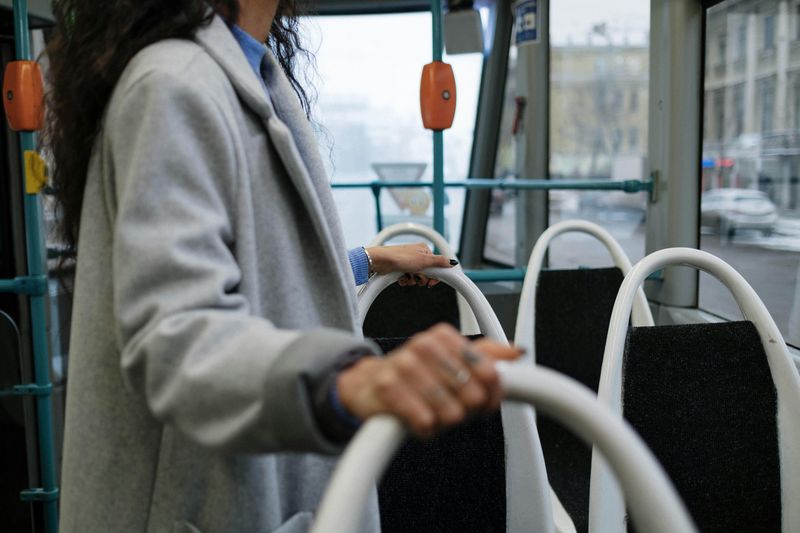
This wasn’t even a debate. If you were young and healthy, you stood so elderly people, pregnant women, or anyone struggling could sit. Period.
It was taught as basic decency. You didn’t wait to be asked or expect praise.
Today, people often pretend not to notice, buried in phones or suddenly asleep. The automatic nature of this courtesy has disappeared. When someone does offer their seat now, it’s treated like an extraordinary act of kindness rather than expected behavior.
10. Keeping personal disagreements private

When people had conflicts, they handled them privately—face to face or over the phone. Airing dirty laundry publicly was considered embarrassing and inappropriate.
Families kept their problems behind closed doors. Friends worked out issues directly. Broadcasting your disputes for everyone to witness would’ve been shameful.
Social media changed everything. Now people post vague accusations, argue in comments, and share relationship drama with thousands of strangers. What used to be handled with discretion becomes public entertainment.
11. Making eye contact when being introduced

When meeting someone new, you looked them in the eye, shook hands firmly, and gave them your full attention. That eye contact established trust and showed respect immediately.
Parents coached kids on proper introductions. A good handshake and steady gaze mattered. It was your first impression, so you made it count.
Now people glance up briefly from screens, offer distracted greetings, or worse, don’t look up at all. The powerful connection created through eye contact has weakened significantly. That initial moment of genuine human acknowledgment gets lost when phones command more attention than the actual person standing right in front of you.
12. Saying “excuse me” instead of pushing past

Physical and social space used to matter more. If you needed to get past someone, you said “excuse me” and waited for them to move. Pushing through without acknowledgment was rude.
People respected personal bubbles. A simple verbal request showed awareness that you were entering someone’s space. They’d step aside, you’d thank them, and everyone moved on peacefully.
Nowadays, people barrel through crowds without a word, bumping shoulders like human bowling balls. The verbal courtesy that smoothed these interactions has largely disappeared.
Comments
Loading…