
 Hailey Watson
Psychologists Say These 12 Compliments Aren’t Actually Compliments

Compliments are supposed to lift you up, but some feel oddly heavy the moment they land. Psychologists say many common phrases hide subtle judgments, stereotypes, or expectations that chip away at self worth.
You might have heard them, or said them, thinking you were being kind, only to sense a chill in the room. Once you learn to spot these disguised put downs, you can protect your confidence and give praise that actually feels good.
1. “You’re not like other people.”

At first, this sounds flattering, like you are uniquely special. But it sneaks in a jab at an entire group and sets you apart as the exception instead of the rule. That can create pressure to perform different, and it can subtly encourage superiority you never asked for.
It also implies other people are less worthy, which can isolate you from community. If you change, you might worry you will lose the compliment. Try saying what you specifically appreciate instead, like your perspective is thoughtful or your humor is quick.
Clear, behavior based praise celebrates who you are without pitting you against others.
2. “You look good for your age.”

This seems kind, but it centers youth as the gold standard. The phrase implies aging is a flaw to be overcome rather than a natural, valuable process. It makes beauty a contest with an invisible timer, pushing you to chase an impossible finish line.
Hearing it can spark anxiety about wrinkles, gray hair, or changes your body naturally makes. You might feel you have to maintain a certain look to earn approval. Try replacing it with compliments that do not rank people by age, like you look radiant or your style is fantastic.
Appreciate presence, energy, and expression. Bodies change, dignity does not.
3. “You’re smarter than you look.”

Ouch. This is praise wrapped in an insult about appearance. It assumes looks predict intelligence, which is both inaccurate and prejudiced. You are told you exceeded a low bar someone quietly set without your consent. That can sting, even if they meant well.
It also teaches people to judge competence from superficial cues, feeding bias at work and school. Instead, highlight specific insights or problem solving you noticed. Try you explained that complex topic clearly or your analysis was sharp and helpful.
Compliments should not compare brains to faces. They should honor the thought, effort, and clarity you brought to the moment.
4. “I didn’t expect you to be so good at that.”

This statement reveals the real compliment is an admission of bias. It confesses low expectations based on stereotype, role, or identity. You hear the surprise louder than the praise, and it can make your achievement feel like a novelty rather than earned skill.
Even when unintended, it asks you to soothe their discomfort instead of celebrating your work. Better options name the achievement directly: your presentation was excellent or your strategy was effective. That centers your competence where it belongs.
When you want to appreciate someone, skip the preface of shock. Let your words reflect belief in their capability from the start.
5. “You’re surprisingly confident.”

Surprise is the giveaway that the speaker expected insecurity. Maybe it is about height, body type, accent, or a stereotype they carry. The compliment lands like a label you never chose. You should not have to defy odds just to be seen as self assured.
Confidence is a skill built through practice, not a trait assigned by others. A healthier compliment names the behavior: you owned the room, your points were clear, your timing was strong. That acknowledges work and growth.
Drop the surprise and honor the showing up. Confidence should be welcomed without caveats, not treated as an exception to someone’s private rulebook.
6. “You’re so articulate.”
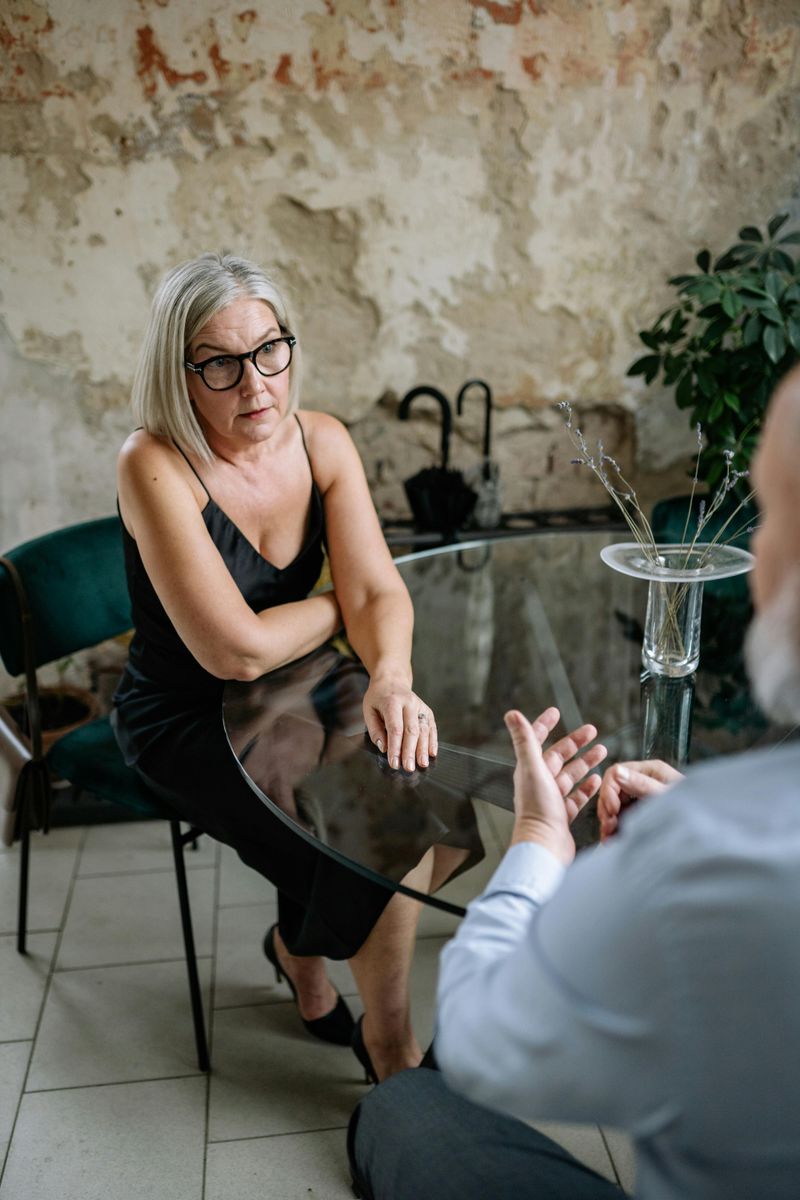
Context matters. This can be genuine praise, but often it implies the speaker did not expect clarity from you. For people from marginalized groups, it can carry a history of condescension. The subtext is you speak well for someone like you, which stings.
When the goal is appreciation, specify the content: your framing was concise, your example made it click, your structure guided us. That affirms communication skill without hinting at surprise. Ask yourself what surprised you and why.
Compliments should not smuggle bias. Celebrate the craft of communication by naming what worked, not by implying it was a pleasant shock.
7. “You’re pretty intimidating.”

On the surface, it recognizes strength, but it often punishes assertiveness. Intimidating can be code for you have boundaries or you are ambitious. That frames your presence as a problem others must manage. It pressures you to shrink so others feel comfortable.
Instead, give feedback about impact and context: your feedback was direct, and I appreciated the clarity. Or I want to understand your expectations. If you truly feel overwhelmed, own your reaction without blaming their personality.
We need room for firm voices without labeling them threats. Respect can include warmth and candor at the same time.
8. “You’ve lost weight — you look amazing.”

Weight centric praise teaches that thinness equals worth. It ignores the reasons weight might change, including stress, illness, or disordered habits. The message is your body is better smaller, which can fuel obsession and shame. You deserve compliments that do not hinge on size.
Focus on non appearance wins: your energy seems great, you look vibrant, your smile lights the room. If someone shares health goals, meet them with curiosity and care, not surveillance. Bodies fluctuate for many reasons.
When praise celebrates vitality, resilience, and presence, it supports well being. Let beauty be expansive and kind, not a shrinking target you must constantly chase.
9. “You’re way too nice.”

This sounds playful, but it implies your kindness is a flaw. The subtext says set harder edges or you will be taken advantage of. That labels generosity as weakness and ignores the skill of setting boundaries. You can be kind and assertive at once.
Instead of shaming niceness, name the behavior you value: your patience helped us resolve this, or your empathy calmed the room. If boundaries are needed, ask directly without insulting character. People deserve feedback that guides, not guilts.
Kindness is not the opposite of strength. It is a strength that works best when paired with clarity about limits.
10. “I wish I had your confidence.”

It can sound admiring, but it distances you from your own effort. Confidence is a practice, not a lottery win. This phrase treats it like a trait you were gifted, which erases the courage, repetition, and self talk behind it. It shifts focus from your work to their envy.
Try reframing: I noticed how prepared you were or your presence helped the team. That honors skill building. If you feel inspired, ask for tips rather than placing someone on a pedestal.
Confidence grows through action. Recognize the habits that built it, and praise the process, not the fantasy of magic.
11. “You’re perfect just the way you are.”

This feels sweet, but it can silence growth. Perfection leaves no room for learning, changing, or admitting mistakes. You might feel pressure to stay the same to keep approval. Real support says you are worthy now and also free to evolve.
Try language that blends acceptance with encouragement: I love who you are, and I believe in your goals. That validates identity while honoring ambition. It invites honest conversations about change without fear of losing love.
Perfection is brittle. Compassion is sturdy and flexible, making space for every version of you as you develop.
12. “You’re so low-maintenance.”

Low maintenance often sounds like a gold star for needing little. But it can reward self neglect and suggest that needs are inconvenient. You deserve space for preferences, rest, and care. This label can discourage you from speaking up, especially in relationships or workplaces.
Instead, appreciate flexibility without shaming needs: thanks for being adaptable, and tell me what would make this easier for you. That keeps collaboration mutual. Healthy connections celebrate clarity about needs on both sides.
Your comfort matters as much as anyone else’s. Let compliments highlight communication and respect, not how quietly you disappear.
Comments
Loading…