
 Chloe Peterson
12 Habits That Quietly Build Confidence

Building confidence doesn’t always require dramatic changes or bold gestures. Sometimes, the quietest habits create the strongest foundation for believing in yourself. Small actions repeated daily can transform how you see yourself and how others perceive you. These twelve simple practices work behind the scenes to boost your self-assurance naturally.
1. Making Eye Contact During Conversations

Looking people in the eye when talking shows respect and interest.
It tells others you’re paying attention and value what they’re saying.
Many people struggle with this at first, but practicing makes it easier.
Start with friends or family members where you feel comfortable.
Eye contact creates connection and trust between people.
When you maintain it naturally, others sense your confidence even if you feel nervous inside.
Over time, this simple act becomes automatic.
Your brain starts associating conversations with calmness rather than anxiety, building genuine self-assurance from the inside out.
2. Setting and Completing Small Daily Goals
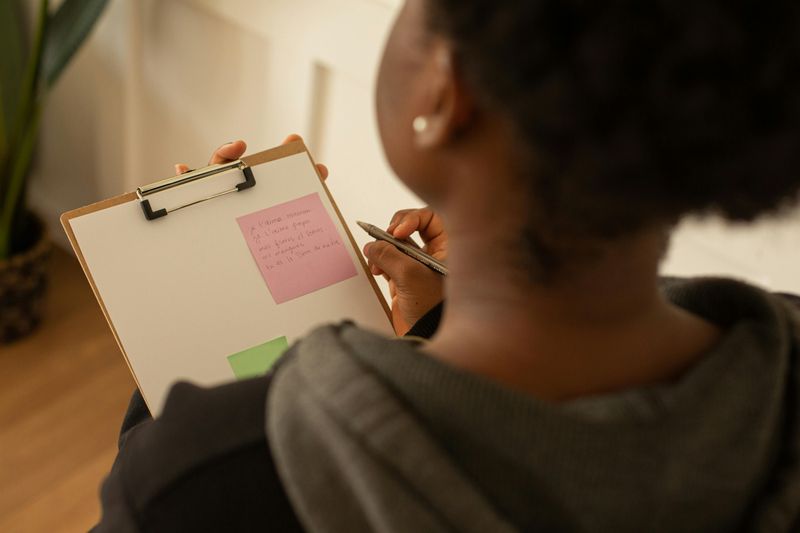
Every completed task, no matter how tiny, proves to your brain that you’re capable.
Making your bed, finishing homework on time, or drinking enough water counts.
Success breeds more success. When you accomplish small things consistently, your mind starts expecting victory instead of failure.
Write down three simple goals each morning.
Check them off as you finish them throughout the day.
This habit trains your brain to trust yourself. You become someone who follows through on commitments, which is the foundation of unshakeable confidence.
3. Speaking Up in Group Settings

Sharing your thoughts in class or group discussions feels scary at first.
Your heart might race and your voice might shake.
But here’s the secret: everyone else feels nervous too.
Most people admire those brave enough to speak first.
Start small by asking a question or agreeing with someone else’s point.
Gradually work up to sharing original ideas.
Each time you speak, you prove to yourself that your voice matters.
Your opinions have value, and expressing them becomes easier with practice, strengthening your inner confidence naturally.
4. Practicing Good Posture Throughout the Day

Standing tall with shoulders back actually changes how you feel inside.
Scientists have found that body position affects emotions and thoughts.
Slouching sends signals to your brain that you’re tired or defeated.
Sitting or standing straight communicates strength and alertness.
Check your posture several times daily.
Pull your shoulders back, lift your chin slightly, and imagine a string pulling the top of your head toward the ceiling.
Others notice confident posture before you even speak.
This simple physical adjustment influences how people treat you, which reinforces your growing self-belief.
5. Learning to Accept Compliments Gracefully

When someone praises you, do you immediately deny it or downplay your achievement?
Many people do this without thinking.
Confident individuals simply say “thank you” and let the compliment land.
They don’t argue or make excuses.
Practice accepting kind words without deflecting them.
Let yourself believe that others see good qualities in you.
This habit teaches your brain to recognize your worth.
Instead of rejecting positive feedback, you start building a mental collection of evidence that supports believing in yourself fully.
6. Dressing in Clothes That Make You Feel Good

Your outfit affects your mindset more than you might realize.
Wearing something you feel comfortable and attractive in changes your entire day.
This doesn’t mean expensive or trendy clothes.
It means choosing items that fit well and match your personal style.
When you like what you’re wearing, you carry yourself differently.
You worry less about appearance and focus more on what you’re doing.
Taking care of your appearance shows self-respect.
That respect radiates outward, making others respond to you more positively, which strengthens your confidence loop.
7. Trying New Activities Without Fear of Failure

Confident people aren’t naturally good at everything.
They just don’t let the fear of looking foolish stop them from trying.
Sign up for that club, try that sport, or attempt that art project.
Being a beginner is how everyone starts.
Failure teaches more than success ever could.
Each mistake shows you what doesn’t work, bringing you closer to what does.
When you regularly step outside your comfort zone, it expands.
Things that once terrified you become normal, and your belief in handling new challenges grows stronger.
8. Keeping Promises You Make to Yourself

Self-trust forms the core of confidence.
When you constantly break promises to yourself, you stop believing your own words.
If you say you’ll exercise, study, or call a friend, follow through.
Your relationship with yourself matters most.
Start with promises you know you can keep.
Build a track record of reliability with yourself first.
Over time, you become someone you can count on.
That internal trust radiates outward, affecting how you approach challenges and how others perceive your dependability and strength.
9. Limiting Social Media Comparison

Scrolling through perfect photos and highlight reels destroys confidence faster than almost anything else.
Everyone shares their best moments, not their struggles.
Set boundaries around social media use.
Maybe check it only twice daily or take full days off completely.
Remember that comparison steals joy and confidence.
Your journey looks different from everyone else’s, and that’s perfectly fine.
When you stop measuring yourself against filtered, curated versions of others’ lives, you start appreciating your real progress.
Your confidence grows from genuine self-awareness instead of external validation.
10. Practicing Self-Compassion During Mistakes

How you talk to yourself after messing up determines how quickly you recover.
Harsh self-criticism keeps you stuck in shame.
Treat yourself like you’d treat a good friend.
Would you call them stupid or worthless?
Of course not.
Acknowledge the mistake, learn from it, and move forward.
Everyone makes errors—it’s part of being human.
Self-compassion doesn’t mean making excuses.
It means recognizing that mistakes don’t define your worth, which allows you to bounce back stronger and maintain confidence through challenges.
11. Celebrating Other People’s Successes Genuinely

Jealousy reveals insecurity.
Confident people feel secure enough to cheer for others without feeling threatened.
When a classmate succeeds, congratulate them sincerely.
Their achievement doesn’t diminish your potential.
Celebrating others creates positive energy that returns to you.
People notice generosity and respond with support when it’s your turn to shine.
This habit shifts your mindset from scarcity to abundance.
There’s enough success for everyone, and lifting others up actually strengthens your own confidence and character.
12. Maintaining a Regular Sleep Schedule

Sleep deprivation destroys confidence faster than you’d think.
When you’re exhausted, everything feels harder and more overwhelming.
Your brain needs rest to process emotions, consolidate learning, and maintain positive thinking.
Missing sleep disrupts all of this.
Aim for consistent bedtimes and wake times, even on weekends.
Your body thrives on routine.
Well-rested people handle stress better, think more clearly, and feel more capable.
Quality sleep provides the foundation for every other confidence-building habit on this list.
Comments
Loading…